When riding on wet, slippery roads, the key is to reduce speed, increase your braking distance, and shift your weight distribution to maintain traction—essentially, everything moves slower and requires more caution than dry conditions. A cyclist traveling at 15 mph on dry asphalt can stop in about 8-10 feet, but that same cyclist on wet pavement might need 15-20 feet or more. Understanding how water affects your tires’ grip and learning to modulate your braking and cornering will keep you upright and in control. This article covers tire selection for wet conditions, braking techniques, cornering strategies, what road surfaces are most dangerous when wet, and how to adjust your overall riding approach during rainy weather.
Table of Contents
- Why Do Tires Lose Grip on Wet Pavement?
- Braking on Wet Roads—The Danger Zone
- Cornering and Body Position on Slippery Surfaces
- Tire Selection and Tread Patterns for Wet Riding
- Road Surface Hazards in Wet Conditions
- Visibility and Navigation in Heavy Rain
- Getting Comfortable with Wet-Weather Riding
- Conclusion
- Frequently Asked Questions
Why Do Tires Lose Grip on Wet Pavement?
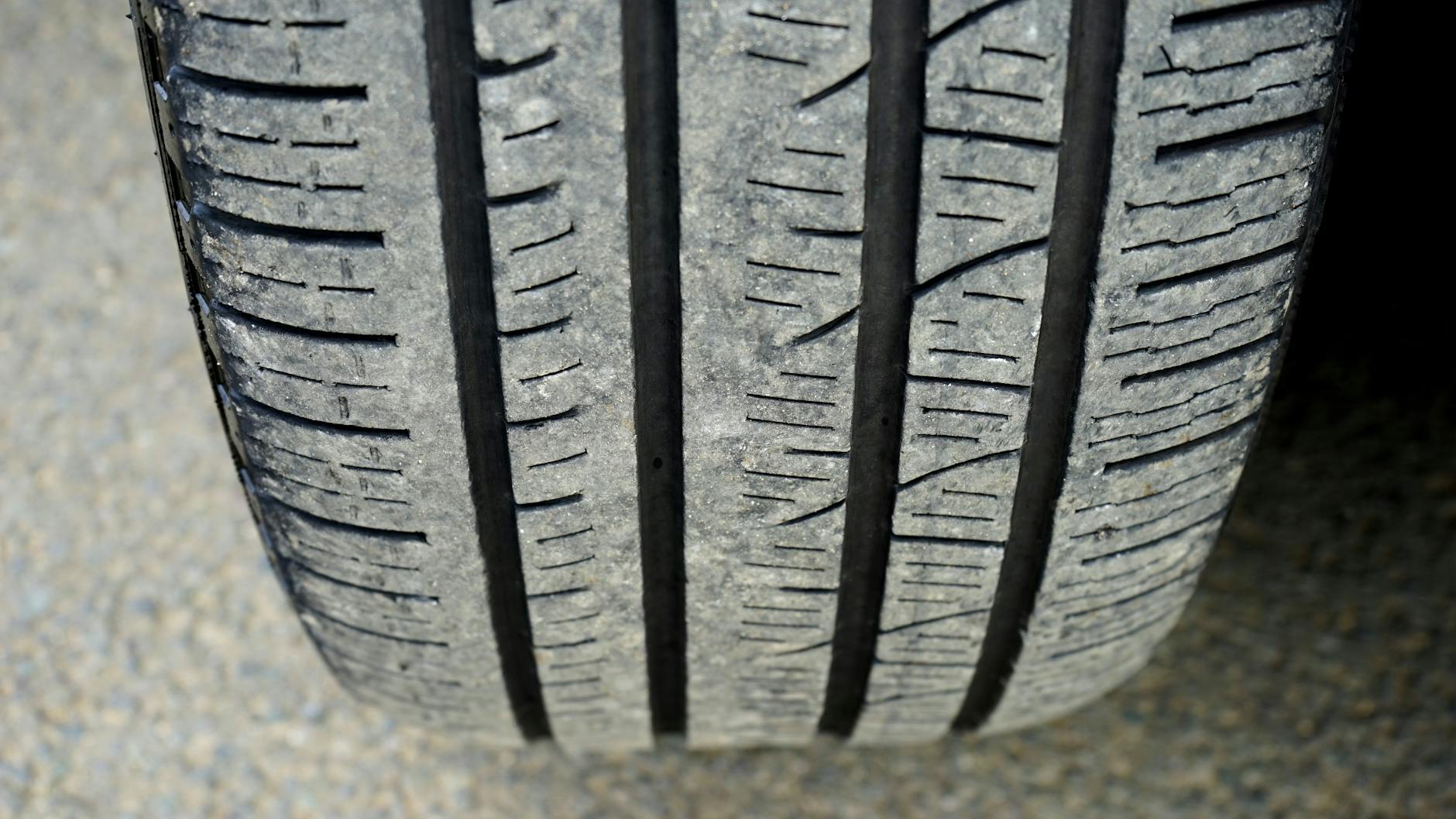
Water creates a thin film between your tire and the road, reducing friction—a phenomenon called aquaplaning or hydroplaning. Unlike cars with wide, flat tire contact patches, bike tires are thin and rounded, which means even a light rain can noticeably reduce grip. On wet pavement, your tires are essentially sliding on a slick layer rather than gripping the asphalt directly. Road tires with minimal tread are especially vulnerable; a slick tire designed for speed on dry pavement becomes a liability in wet conditions because the water has nowhere to escape.
Mountain bike tires with aggressive tread do better because the knobs help channel water away, but they also create more rolling resistance and slower acceleration. The water depth matters significantly. A light drizzle is one thing, but puddles or water running across the road are another entirely. Standing water even a quarter-inch deep can dramatically reduce your traction, and deeper puddles can hide potholes or debris that could cause a crash. Rain that’s just started is also deceptively slippery—oils from exhaust and vehicle residue on the road haven’t been washed away yet, creating an extra-slick top layer.
Braking on Wet Roads—The Danger Zone
Your brakes work less effectively when wet because water creates a barrier between your brake pads and rim (or rotor, on disc brakes). Rim brakes lose about 20-30% of their stopping power in rain, and it takes longer for them to dry out if you keep riding through wet conditions. Disc brakes perform better and are more consistent, but they too see reduced initial braking power until your pads warm up and shed the water layer. This is why professional cyclists often prefer disc brakes for variable weather—the performance gap between wet and dry is smaller. The critical mistake riders make is grabbing the brakes too hard in a panic.
On wet roads, this locks up your wheel and causes a skid that leaves you even more vulnerable than if you had less stopping power. Instead, apply brake pressure gradually and earlier than you would on dry pavement, giving yourself the extra time you’re going to need. If your wheel starts to skid, ease off the brake slightly until you regain traction, then re-apply gradually. However, if you’re descending a long wet hill, your brakes can overheat and fade—in that case, you need to brake in short pulses rather than continuous pressure, letting them cool between applications. This approach is slower, but it keeps your stopping power available when you need it most.
Cornering and Body Position on Slippery Surfaces
Cornering in wet conditions requires patience and a wider arc than dry-weather cornering. Your tires have less grip, so the same lean angle that’s safe and fast on dry pavement might cause a slide on wet pavement. Pros adjust by taking turns at a slower speed and using a slightly more upright body position, which distributes weight more vertically and reduces the lean angle. A common technique is to move your weight toward the outside pedal in a turn—push down on the outside foot while keeping your inside leg relaxed—which helps maintain traction through the corner.
Be especially cautious on painted road markings and metal grates (like those over storm drains). These surfaces are slick as ice when wet and offer almost no traction. If you see a painted stripe or a metal grate in your line through a turn, straighten up and avoid leaning. Better to take a straighter line and cross the hazard while upright than to risk your tires sliding out from under you. The same caution applies to wet grass or leaves at the road edge—they’re slippery too, so don’t hug the shoulder if it’s wet and dirty.

Tire Selection and Tread Patterns for Wet Riding
Switching to a tire with moderate tread or using slightly lower pressure can improve wet-weather traction. Lower pressure increases the tire’s contact patch, giving you more rubber on the road, but it also increases rolling resistance and makes the tire more vulnerable to punctures and rim damage. Most riders drop 5-10 psi from their normal pressure when it’s wet, which is a reasonable compromise—you get better grip without sacrificing too much speed or durability. However, going much lower than that risks pinch flats and harder handling.
Dedicated wet-weather tires exist, with deeper tread patterns designed to channel water away, but they’re typically heavier and slower than road tires. For casual cyclists, a good all-purpose tire with 2-3 mm of tread is a practical middle ground. For serious riders who do long distances, carrying a second set of wheels or tires for wet conditions is overkill unless you’re racing in rain regularly. The practical approach is to use the best all-weather tire you can find, maintain your current setup, and adjust your riding style based on conditions.
Road Surface Hazards in Wet Conditions
Not all wet surfaces are equally slippery. Newly sealed asphalt is rougher and provides decent grip even when wet. Polished concrete and glazed brick, sometimes used in pedestrian zones or older city streets, are nearly frictionless when wet and should be avoided if possible. Limestone or certain smooth stones become extremely slick in rain.
Chip seal surfaces—roads with loose gravel—are treacherous when wet because the water lubricates the stones, making them roll under your tires like ball bearings. Pothole visibility drops dramatically in rain because water fills them in and camouflages their depth and edges. Hit a hidden pothole at speed and you can crack a rim, pinch-flat your tire, or lose control entirely. Slow down when you can’t see the road surface clearly, and scan ahead more carefully than you would on dry pavement. Gravel at the road edge also becomes more slippery when wet and can shift under your wheels, so stay centered on the pavement rather than drifting toward the shoulder.
Visibility and Navigation in Heavy Rain
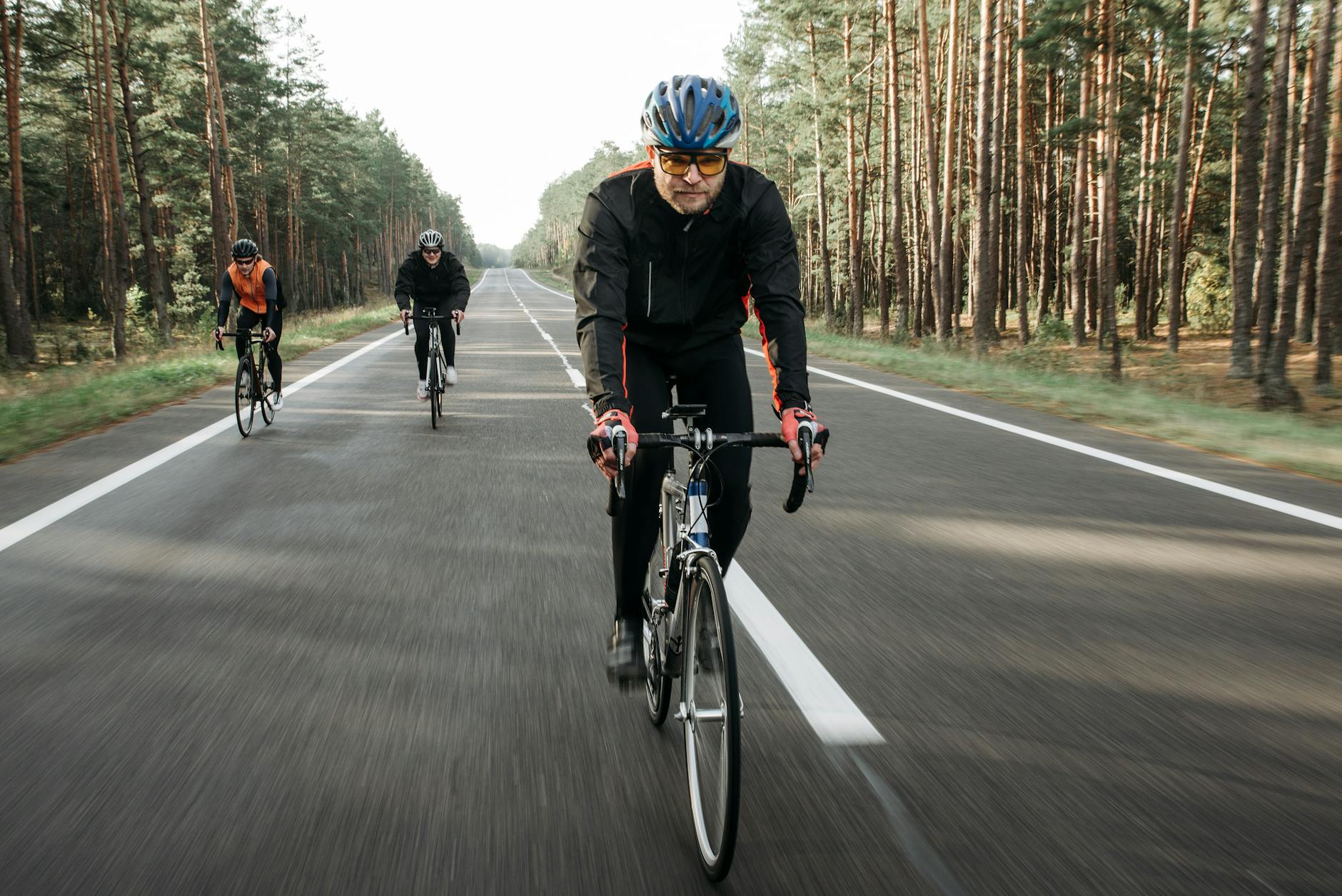
Rain reduces visibility both for you and for drivers, making you harder to spot. Wear bright colors and use lights even in daylight—a good rear light is especially important because cars might not see you in their mirror in heavy rain. Your own visibility also suffers; rain on your glasses or eyes forces you to glance down more often, and you might miss obstacles that would be obvious in clear conditions.
If the rain is heavy enough that you can’t see more than a few bike lengths ahead, it’s genuinely time to consider stopping or slowing to walking pace. A slow, controlled walk gives you time to spot hazards and avoid accidents far better than riding blindly. This sounds overly cautious, but visibility-related crashes are common in heavy rain, and the safest choice is sometimes simply to wait it out or dismount and walk.
Getting Comfortable with Wet-Weather Riding
Many cyclists avoid rain riding entirely and lose the skill set they need if they’re caught in unexpected weather. Instead, practice wet-weather handling on low-traffic roads before you need it—a quiet park road or empty parking lot is perfect. Ride at speeds that feel manageable, practice braking and cornering, and get a feel for how your specific bike handles when traction is reduced.
Even 30 minutes of deliberate practice makes a huge difference in confidence and actual safety. As bikes and infrastructure improve, wet-weather cycling is becoming more accessible. Disc brakes are now standard on most modern bikes, fenders keep you drier, and tires are better engineered for variable conditions. The future is definitely moving toward making rain riding safer and more pleasant, but the fundamentals haven’t changed: go slower, brake earlier, lean less, and stay aware of surface hazards.
Conclusion
Handling wet and slippery road conditions comes down to three principles: reduce speed, increase your stopping distance, and adjust your cornering approach. Your tires lose grip on water, your brakes work less effectively, and hazards become harder to see, so every aspect of your ride needs a safety margin. Practicing wet-weather riding on safe roads builds muscle memory and confidence that carries over to real situations.
The good news is that with proper technique, the right tire pressure, and appropriate caution, wet-weather riding is entirely manageable. Most cyclists who’ve had a wet-weather crash were either going too fast for conditions or made a panic decision under pressure. When you slow down, brake early, and stay smooth with your inputs, you’ll stay upright and in control. Start with conservative speeds, practice in low-traffic areas, and gradually build your comfort level as conditions improve.
Frequently Asked Questions
What tire pressure should I use in wet conditions?
Lower your pressure by 5-10 psi from your normal setting to increase your contact patch and improve traction. Don’t go much lower than that, or you risk pinch flats and sluggish handling.
Are disc brakes actually better in the rain than rim brakes?
Yes, significantly. Disc brakes lose less stopping power in wet conditions and are more consistent. The performance gap between wet and dry is much smaller with discs, making them the better choice if you ride in variable weather regularly.
Is it safe to ride in heavy rain?
If visibility is reduced to the point where you can’t see obstacles a few bike lengths ahead, it’s safer to slow to a walk or stop. Rain itself isn’t inherently dangerous if you adjust your speed and technique, but extremely heavy rain that limits visibility is a different scenario.
What’s the most dangerous road surface when wet?
Polished concrete, glazed brick, and chip seal surfaces are notoriously slippery. Metal grates and painted road markings are also extremely hazardous. Avoid leaning through turns on these surfaces if possible.
Should I use a different tire for wet weather?
For casual riders, an all-purpose tire with 2-3 mm of tread is adequate if you adjust your speed and pressure. Dedicated wet-weather tires with deeper tread are heavier and slower, so they’re only practical if you race in rain or live somewhere that’s wet most of the time.
How much longer is my braking distance in wet conditions?
Expect about 50-100% longer braking distances in rain—what takes 10 feet on dry pavement might take 15-20 feet when wet. This varies based on your tire grip, brake type, and road surface, so always brake earlier than you think you need to.


