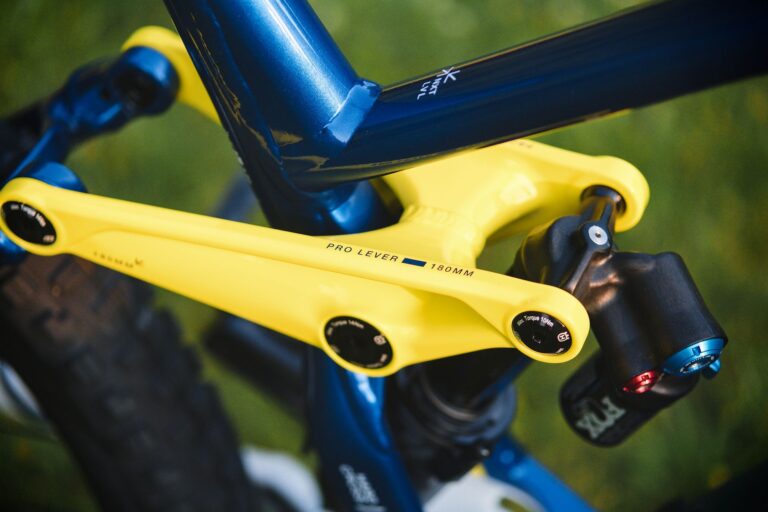
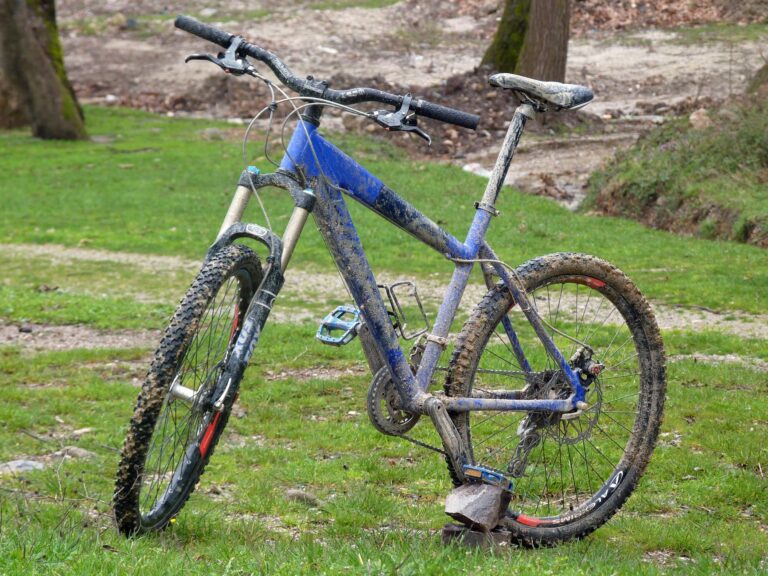
Choosing the right components and groupset for your bike depends on three core factors: your riding style, your budget, and the type of bike you own. A road cyclist prioritizing speed needs different gearing and shifting mechanisms than a mountain biker tackling steep terrain or a commuter navigating stop-and-go traffic. The groupset—which includes the crankset, chainrings, cassette, derailleurs, shifters, and brakes—is the mechanical backbone of your bike, and selecting the right one determines how smoothly and efficiently your bike performs across a range of conditions.
Your groupset choice also affects the overall feel and maintenance requirements of your bike. A Shimano 105 groupset on a road bike, for example, offers reliable 11-speed shifting with good durability at a mid-range price point, whereas a SRAM Force groupset provides electronic shifting and faster lever actuation for competitive cyclists willing to spend significantly more. The groupset you choose influences how your bike handles hills, flats, and technical descents, so understanding the differences between options before you buy prevents costly mistakes down the road.
Table of Contents
- WHAT IS A GROUPSET AND WHY DOES IT MATTER FOR YOUR BIKE PERFORMANCE?
- MECHANICAL VS. ELECTRONIC SHIFTING—WHICH SYSTEM IS RIGHT FOR YOUR CYCLING?
- SPEED AND GEAR RANGE—UNDERSTANDING 1X VS. 2X VS. 3X SYSTEMS
- MATCHING YOUR GROUPSET TO YOUR RIDING STYLE AND TERRAIN
- COMPATIBILITY PITFALLS AND COMMON MISTAKES WHEN UPGRADING COMPONENTS
- BRAKE SYSTEMS AND HOW THEY INTEGRATE WITH YOUR GROUPSET CHOICE
- FUTURE-PROOFING YOUR CHOICE—TRENDS IN GROUPSET DESIGN AND DURABILITY
- Conclusion
- Frequently Asked Questions
WHAT IS A GROUPSET AND WHY DOES IT MATTER FOR YOUR BIKE PERFORMANCE?
A groupset is an integrated collection of mechanical and sometimes electronic components that work together to shift gears and move power from your legs to the wheels. It includes your shifters (levers that control gear changes), derailleurs (mechanisms that move the chain between gears), crankset (your pedal arms and chainrings), cassette (the stack of gears on your rear wheel), and brake system. Each component must be compatible with the others—you can’t pair a Shimano cassette directly with a SRAM derailleur without spacers and adjustments, for instance.
The groupset directly impacts how quickly and smoothly you can change gears, how much power you lose in the drivetrain, and how often you’ll need to maintain or replace parts. A lower-end groupset shifts more slowly and may feel sluggish under load, while higher-tier groupsets respond almost instantly to lever input. The difference is real when you’re climbing a steep hill and need to downshift quickly without losing momentum. Over a year of regular riding, a quality groupset will shift thousands of times, so durability and consistency matter more than flash or aesthetics.

MECHANICAL VS. ELECTRONIC SHIFTING—WHICH SYSTEM IS RIGHT FOR YOUR CYCLING?
Mechanical groupsets like Shimano Tiagra or SRAM Apex use cables and pulley-based derailleurs to move the chain between gears when you move the lever. Electronic groupsets like Shimano Di2 or SRAM eTap use battery-powered motors to control derailleur movement with motor-precise accuracy. Mechanical systems are simpler to maintain, cheaper to replace if damaged, and work in wet, muddy conditions without fail—a major reason they remain the standard for gravel and mountain bikes. Electronic shifting offers speed, precision, and consistency that mechanical systems struggle to match, especially under load or in rapid succession.
Your shifts happen identically every time because a motor moves the derailleur, whereas cable tension and friction can cause mechanical systems to feel inconsistent in wet weather or after months of riding. The tradeoff is significant: electronic groupsets cost 50 to 100 percent more than mechanical equivalents, require battery charging, and can leave you stranded if the battery dies or electronics fail mid-ride. For casual riders and commuters, mechanical is nearly always the smarter choice. For competitive road cyclists with the budget to maintain a backup bike, electronic shifting can shave seconds off race performance.
SPEED AND GEAR RANGE—UNDERSTANDING 1X VS. 2X VS. 3X SYSTEMS
The number of chainrings at the front of your bike (the crankset) combined with the number of gears at the rear (the cassette) determines your total gear range and how many distinct gear ratios you have available. A 2×11 road bike has two chainrings and an 11-speed cassette, giving you 22 gear combinations. A 1×12 mountain or gravel bike has one chainring and a 12-speed cassette, offering 12 gears and a simpler, lighter setup. A 3×8 commuter or entry-level bike has three chainrings and eight speeds, totaling 24 combinations, though many overlap.
Single-chainring (1x) systems have exploded in popularity over the past decade because they eliminate chain rubs, simplify shifting, and reduce weight at the expense of gear range. A modern 1×12 cassette spans from an easy 30-tooth small cog to a hard 52-tooth large cog, giving you climbing gears and fast gears without two chainrings. The limitation is a larger gap between adjacent gears compared to a 2x system—on a steep hill you might jump from one ratio to the next instead of enjoying the fine-tuned step between options, which can disrupt your cadence. Road cyclists almost always stick with 2x systems because the added range and finer gradations matter for sustained climbing and descending on long rides. Gravel and mountain riders prefer 1x for the lower maintenance and cleaner aesthetics.
MATCHING YOUR GROUPSET TO YOUR RIDING STYLE AND TERRAIN
Choosing the right groupset starts with honest assessment of where you ride and how fast you want to go. A road cyclist in hilly terrain needs a wide gear range and fast, responsive shifting—a 2×11 or 2×12 road groupset from Shimano 105, Ultegra, or SRAM Rival will serve you well. A mountain biker riding steep, technical terrain benefits from the wide range and simplicity of a 1×12 or 1×11 system, where you can focus on handling obstacles instead of managing two chainrings. A commuter or casual rider on relatively flat ground can get away with a more affordable groupset since you’re not pushing against extreme gradients or seeking marginal speed gains. Your budget is equally important.
A complete Shimano 105 groupset costs $300 to $400 new, whereas a Shimano Ultegra set costs $600 to $800, and SRAM Force electronic shifting tops $1,500 or more. The jump from Tiagra to 105 is noticeable—better materials, faster shifts, longer component life. The jump from 105 to Ultegra is subtler; you’re paying for slightly lighter weight, marginally faster shifting, and incremental durability gains. For most riders, 105 represents the sweet spot of performance and value. For entry-level and commuter bikes, Tiagra or even Claris serves fine as long as you maintain the cable tension and clean your drivetrain regularly.
COMPATIBILITY PITFALLS AND COMMON MISTAKES WHEN UPGRADING COMPONENTS
One of the most frequent mistakes riders make is assuming groupset components are interchangeable. Shimano cassettes don’t work on SRAM freehubs without adapters, and mixing brands means you’ll spend hours troubleshooting poor shifting or chain rubs that shouldn’t exist. If you upgrade your cassette to a newer speed count—jumping from 10-speed to 11-speed, for example—you need a new chain, rear derailleur, and potentially shifters as well. A seemingly simple upgrade spirals into replacing half your drivetrain.
Another trap is buying a used groupset from a previous generation expecting a bargain. Older Shimano 10-speed road groupsets work fine mechanically, but finding replacement chains and cassettes is harder than it was five years ago. If you crash and damage a derailleur, you may struggle to source an exact replacement from shops or online retailers. Stick with current-generation groupsets if you’re building or upgrading a bike to ensure you can find parts and service support for years to come. Finally, don’t assume a more expensive groupset will make you faster if your legs and fitness aren’t there—spending $2,000 on electronic shifting won’t make a casual commuter ride 20 miles per hour if their fitness supports 15.
BRAKE SYSTEMS AND HOW THEY INTEGRATE WITH YOUR GROUPSET CHOICE
Brakes are part of your groupset integration, and they affect gear compatibility and overall system feel. Road bikes use either rim brakes (increasingly rare) or disc brakes, while most gravel and mountain bikes use hydraulic disc brakes. Shimano and SRAM both make drivetrain components that pair with matching brake systems, and they use different cable pull ratios—a Shimano shifter won’t work smoothly with a SRAM brake lever without careful cable adjustment and potential inconsistency.
Hydraulic disc brakes are now standard across nearly all new bikes because they offer superior stopping power, especially in wet or muddy conditions, and don’t require the constant rim adjustment that mechanical brakes demand. If you’re replacing components, verify that your new shifters and derailleurs match your brake system brand to ensure everything shifts and stops as designed. Mixing Shimano and SRAM without understanding the compatibility means poor braking feel and mediocre shifting, an outcome that frustrates new riders and makes them blame themselves instead of the incompatible components.
FUTURE-PROOFING YOUR CHOICE—TRENDS IN GROUPSET DESIGN AND DURABILITY
The cycling industry is slowly moving toward larger cassette ranges (12-speed is now standard, 13-speed prototypes exist), lighter materials, and more electronic options at lower price points. Wireless electronic shifting, once exclusive to high-end SRAM eTap and Shimano Di2 setups, is becoming more common, suggesting that electronic groupsets will eventually compete on price with mechanical systems. If you’re buying a new bike today, choosing a current-generation mechanical groupset in a popular brand and speed count (11-speed or 12-speed) ensures you won’t face parts obsolescence in five to seven years. Durability depends more on maintenance than on spending the most money.
A Shimano 105 groupset properly cleaned, lubricated, and adjusted will outlast a neglected Ultegra setup. If you ride in wet, salty, or muddy conditions, investing in a mid-tier groupset and dedicating time to regular cleaning and chain replacement is smarter than buying high-end components and ignoring maintenance. Components are consumables—chains, cables, and cassettes all wear out over time. Treat them as replaceable wear items, not permanent fixtures, and you’ll avoid expensive surprises.
Conclusion
Choosing a groupset and components for your bike is fundamentally about matching mechanical capability to your riding goals, terrain, and budget. Start by identifying your primary riding style, assess how many gears and how much gear range you need, and then select a groupset from a reputable brand in a tier that fits your finances.
Shimano and SRAM dominate the market with overlapping price points, so spending time comparing reviews and test-riding bikes with different groupsets reveals which brand and shift feel suits your hands and riding rhythm best. Once you’ve chosen your groupset, commit to regular maintenance—cleaning the chain, adjusting derailleur tension, and replacing cables every couple of years—and you’ll enjoy smooth, reliable shifting for thousands of miles. Don’t let groupset choices paralyze you; most mid-range groupsets today are far better than the premium options from a decade ago, so focus on the right fit for your body and riding style rather than chasing incremental performance gains you may never notice.
Frequently Asked Questions
Can I upgrade my groupset without replacing my frame or wheels?
Yes, in most cases. You can upgrade your crankset, cassette, derailleurs, shifters, and brakes independently as long as you verify speed compatibility (an 11-speed chain works on 11-speed systems) and brake compatibility (mechanical or electronic). Your frame and wheels typically don’t constrain groupset choice.
Is a 1x groupset suitable for road cycling?
Not typically. Road cyclists benefit from the finer gear gradations and extended range of 2x systems, especially on hilly terrain. 1x systems work best on gravel and mountain bikes where wider cog ranges and simpler shifting take priority over closely-spaced gearing.
How often do I need to replace my chain and cassette?
A chain lasts roughly 1,500 to 3,000 miles depending on weather and maintenance; a cassette lasts 3,000 to 5,000 miles. In wet or dirty conditions, expect shorter lifespans. Regular cleaning and lubrication extend component life significantly.
What’s the real-world difference between Shimano 105 and Ultegra shifting?
Ultegra shifts slightly faster under load and offers marginally lighter weight. For most recreational riders, the difference is imperceptible. Competitive cyclists appreciate the responsiveness, but casual riders rarely notice a meaningful performance gap.
Should I buy electronic shifting if I’m a beginner?
No. Mechanical groupsets are more affordable, easier to maintain, and forgiving of mistakes during home adjustments. Learn on mechanical shifting first; upgrade to electronic only when you understand drivetrain mechanics and have the budget to maintain or replace expensive components.
Do all groupsets from the same brand work together?
Mostly, yes, within speed compatibility. A Shimano 11-speed shifter works with Shimano 11-speed derailleurs and cassettes. However, different brands (Shimano with SRAM) require careful cable adjustment and may never feel completely natural together.