The best bike for both commuting and recreation is a versatile all-rounder that prioritizes comfort, durability, and enough speed for longer rides without sacrificing practicality for daily transport. Rather than choosing between a specialized commuter bike or a purely recreational road or mountain bike, a hybrid or gravel bike positioned in the middle of the spectrum lets you handle flat commutes, rougher urban terrain, and weekend trails without owning multiple machines. For example, a 28mm tire hybrid with flat bars and a sturdy frame can carry a cargo rack on weekdays and still perform capably on packed gravel paths on weekends—the versatility comes from moderate choices across gearing, frame geometry, and component selection rather than extremes in any one category.
The challenge isn’t that such bikes don’t exist; it’s that you need to know which compromises matter to you and which don’t. A pure road bike will always be faster on pavement, and a dedicated mountain bike will always be better on technical terrain, but a well-chosen all-purpose bike eliminates the friction of maintaining multiple machines while still delivering reliable performance across 80% of real-world riding scenarios. This guide walks through the key decision points that determine whether a bike will work well in both roles.
Table of Contents
- What Frame Style and Bike Type Work Best for Dual-Purpose Riding?
- Tire Width and Tread: The Most Important Compromise
- Gearing and Speed: Matching Gear Ranges to Your Actual Routes
- Cargo Capacity, Racks, and Fenders: Planning for Real-World Use
- Braking Systems and Maintenance: Reliability in Mixed Conditions
- Weight and Frame Material: The Tradeoff That Matters Less Than You Think
- Test Riding and Long-Term Satisfaction: Making the Final Decision
- Conclusion
What Frame Style and Bike Type Work Best for Dual-Purpose Riding?
Hybrid bikes, often dismissed as compromise machines, actually represent the smartest starting point for commute-and-recreation dual duty. They combine an upright or slightly forward-leaning riding position (more stable and comfortable in traffic), flat handlebars (better control in urban environments), a moderately sturdy frame, and clearance for wider tires. A quality hybrid with 28-32mm tires can roll efficiently on pavement, handle gravel and light trail work, and accept fenders and racks without fuss. In contrast, road bikes demand narrow tires, drop bars, and specific geometry optimized entirely for smooth pavement speed, making them poor choices for cargo or unpaved surfaces.
Gravel bikes have gained popularity as a dual-purpose option because they bridge the gap more effectively than traditional hybrids. They feature drop bars (for varied hand positions on longer rides), wider tire clearance (32-50mm typically), and slightly more aggressive geometry than hybrids, appealing to people who want to explore beyond paved roads. However, gravel bikes often assume you’ll want a faster pace on unpaved terrain and may feel slightly cramped for casual urban commuting or have less rack/fender compatibility depending on the model. A hardtail mountain bike with 29-inch wheels and 2-3 inches of suspension can also work for both purposes if the trails you ride are mellow and you don’t mind slower speeds on pavement, but they sacrifice efficiency on asphalt and add weight.
Tire Width and Tread: The Most Important Compromise
Tire choice is where the dual-purpose dilemma becomes real. Wide, knobby tires (40mm or larger) give you traction off-road and better comfort over rough surfaces, but they roll slower and require more effort on smooth pavement—imagine pushing a knobby mountain bike tire through morning commute traffic and feeling the drag immediately. Narrow, slick tires (23-28mm) fly on roads but offer almost no grip on gravel or dirt and transmit every vibration into your body. The practical sweet spot for commute-plus-recreation is usually 32-38mm tires with a tread pattern that’s mostly slick in the center (for road efficiency) with light edge knobs for mild off-road grip.
One critical limitation: the frame of your bike determines the maximum tire width it can accommodate, and you can’t just swap in wider tires if there’s no room. Before choosing a bike, verify the stated tire clearance specifications, because a frame that fits a 35mm tire may hit 40mm tires in the chainstays or brake bosses—a problem that emerges weeks after you start riding. It’s also worth understanding that tire pressure becomes a tuning tool: the same 35mm tire can ride quite differently at 40 PSI (slower, more comfortable, better grip) versus 60 PSI (faster, less cushioning, more efficient). commuters often accept slightly lower pressure for comfort; recreationalists doing long fast rides often prefer higher pressure for speed.
Gearing and Speed: Matching Gear Ranges to Your Actual Routes
Most commute-and-recreation bikes come with either 18-21 speeds (three front rings and 6-7 rear cogs) or single-speed designs. A 21-speed setup gives you low gears for climbing any hills you encounter and high gears for coasting on flats, which matters if your commute includes terrain changes or you plan to ride longer distances on weekends. However, single-speed or internally geared bikes have become trendy for commuting because they eliminate chain drops, require almost no maintenance, and feel more like cars—reliable and simple.
The tradeoff is that a single-speed bike won’t be as efficient on varied terrain or long climbs; it’s a choice that works beautifully if your actual commute is flat or rolling, but feels limiting if you’re covering distance on weekends. A concrete example: a commuter in Seattle might find that a 21-speed hybrid is overkill because downtown commute hills are gentle, but the same gearing suddenly feels perfect for a weekend ride through the Cascade foothills. Conversely, a commuter in San Francisco will be grateful for low, climbing-friendly gears both ways. Before you settle on gearing, ride the actual commute you plan to make—the bike that feels right in a parking lot can feel frustrating in real conditions.

Cargo Capacity, Racks, and Fenders: Planning for Real-World Use
A bike that can’t accommodate your commute needs is a bike you’ll stop riding. Before committing, think hard about what you actually need to carry: a laptop bag and water bottle? Full grocery shopping? Tools and spare clothes? This determines whether a rear rack, front rack, or both make sense, and whether you’ll need fenders to keep road spray off your work clothes. Most road bikes have zero rack or fender mounts; hybrids and gravel bikes usually have threaded bosses on the seat stays and fork that accept racks and fenders. This is one of those practical factors that separates a “technically capable” dual-purpose bike from one that’s genuinely usable for your life.
Fenders are particularly worth considering: they’re cheap insurance against arriving to work with wet dirt on your back, and they add almost no weight or complexity. However, fenders increase the bike’s footprint and can be finicky to install if your frame clearances are tight. A smart approach is to choose a bike with fender mounts and add fenders later if you discover you need them—many commuters assume they won’t care about fenders until their first wet commute. Racks intended to carry loaded panniers are heavier and change the bike’s handling, so if you’re just carrying a small messenger bag, a minimal rack or even a sturdy backpack is often the better choice for weekend recreation rides.
Braking Systems and Maintenance: Reliability in Mixed Conditions
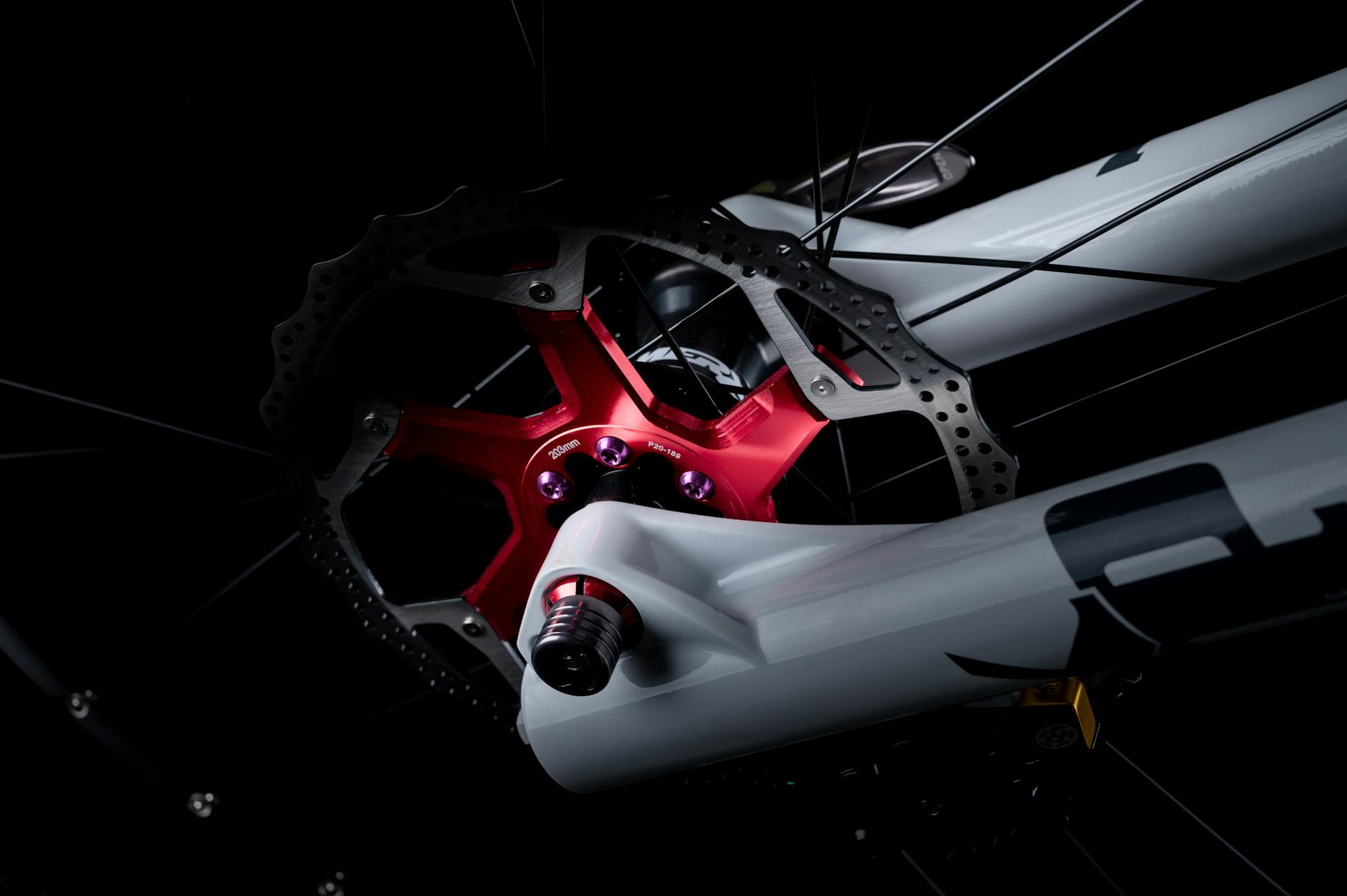
Rim brakes are light, cheap, and require straightforward maintenance, but they perform poorly in wet or muddy conditions and wear out faster when exposed to grit. Disc brakes (hydraulic or mechanical) offer superior stopping power in all weather and trail conditions, making them increasingly standard on gravel and hybrid bikes. The downside: hydraulic disc brakes require professional service if they start leaking, and mechanical disc brakes demand precise cable adjustment to avoid rubbing. For a true commute-and-recreation bike, hydraulic disc brakes are worth the extra cost because you’ll encounter wet roads and variable conditions that real rim brake systems struggle with.
One important warning: commuting in urban environments exposes your bike to salt, grit, and harsh conditions that degrade components faster than recreational riding. A bike you’ll use for both purposes needs to be built for durability, not lightness. This means sealed bearings, stainless steel hardware, and components designed for the maintenance schedule you’ll actually follow—which is probably less frequent than gear-head cyclists do. Budget for regular cleaning, lubrication, and occasional professional tune-ups; the cost is much lower than replacing a bike that seized up from neglect.
Weight and Frame Material: The Tradeoff That Matters Less Than You Think
Aluminum and steel are the practical frame materials for dual-purpose bikes. Aluminum is lighter, doesn’t rust, and handles constant commuting weather well; steel is slightly heavier but cheaper, more durable in crashes, and offers a comfortable ride quality from its natural flex.
Carbon fiber frames are lighter still but expensive and overkill for commuting wear and tear. For a bike that will see daily urban riding and weekend adventure, aluminum or a quality steel frame will outlast your initial enthusiasm for cycling. The weight difference between a 26-pound hybrid and a 24-pound gravel bike is noticeable on long climbs but irrelevant for commuting; don’t let weight obsession drive your choice over practical factors like fit and cargo compatibility.
Test Riding and Long-Term Satisfaction: Making the Final Decision
The only way to know if a bike will work for your dual purpose is to ride it. Test multiple bikes side by side—don’t just spin around a parking lot, but take them on your actual commute route and on a recreational trail or longer paved ride if possible. Pay attention to how the bike feels under load, how the brakes modulate, whether the gearing feels natural for the terrain, and whether you’re constantly adjusting fit or position (a sign the geometry doesn’t suit you). Some people love the efficiency of drop bars; others find them uncomfortable and abandon them within weeks.
There’s no objectively right answer—the right bike is the one that aligns with how you actually ride. Consider also whether you want to own one versatile bike or whether you might eventually want a dedicated commuter (often fixed-gear or single-speed, prioritizing low maintenance) and a separate weekend bike (optimized for fun rather than duty). Many cyclists start with one practical all-arounder and later specialize as their interests and budget evolve. The good news is that a well-chosen dual-purpose bike holds resale value and can transition to secondary use—commuter turned weekend bike, or handed down to a friend—so starting with one versatile machine is a financially smart path regardless of whether you eventually diversify.
Conclusion
Choosing a bike for both commuting and recreation means prioritizing versatility, durability, and alignment with your actual rides rather than seeking the theoretically “best” machine for either role alone. A hybrid or entry-level gravel bike with 32-38mm tire clearance, fender and rack mounts, reliable disc brakes, and moderate gearing matches most dual-purpose needs better than a specialized road bike or mountain bike. The key is honest self-assessment: understand your actual commute terrain, weather, cargo needs, and recreational ambitions, then test bikes that address those real conditions rather than idealized riding scenarios.
Your next step is to visit a local bike shop that encourages test rides, try at least three different bike styles, and ask specific questions about tire clearance, component reliability, and maintenance requirements for your climate. Once you find a bike that feels right, invest in basic accessories (fenders, a rack, lights) that unlock its potential for your lifestyle. The best dual-purpose bike is the one you’ll actually ride both to work and on weekends—and that decision comes down to fit, comfort, and honest practicality, not specifications or marketing language.


