Cycling is one of the most effective activities for promoting healthy aging and extending longevity, offering cardiovascular benefits, muscle preservation, and mental health improvements that accumulate over decades of regular riding. Research consistently shows that cyclists who maintain consistent riding habits throughout their lives experience lower rates of heart disease, stroke, and early mortality compared to sedentary individuals. A 65-year-old cyclist who has ridden regularly for the past 20 years typically has the cardiovascular fitness of someone 10-15 years younger, along with better balance, bone density, and cognitive function. Beyond the physical advantages, cycling addresses the specific health challenges that come with aging—loss of muscle mass, declining bone density, increased joint stress, and cognitive decline—in ways that many other activities cannot match.
Unlike high-impact sports, cycling is low-stress on joints while still building strength and endurance. The accessibility of cycling means that people from their 30s through their 80s and beyond can participate at whatever intensity suits their current fitness level. The cumulative effect of cycling on longevity is substantial. Studies tracking thousands of cyclists over 20+ years show that regular riders live 3-7 years longer on average than sedentary peers, with better quality of life in those additional years.
Table of Contents
- Does Regular Cycling Really Extend Your Lifespan?
- Cardiovascular Health, Bone Density, and the Limitation of Cycling Alone
- Mental Cognition, Mood, and the Neurological Benefits of Regular Riding
- Starting a Sustainable Cycling Practice at Any Age
- Joint Impact, Arthritis Risk, and When Cycling Might Not Be Ideal
- Cardiovascular Adaptation and How Your Heart Changes With Consistent Cycling
- The Long-Term Outlook for Aging Cyclists and Staying Active Into Your 80s and Beyond
- Conclusion
- Frequently Asked Questions
Does Regular Cycling Really Extend Your Lifespan?
The evidence for cycling‘s longevity benefits is surprisingly robust, backed by large-scale studies that follow people for decades. A landmark study from the University of Glasgow followed over 260,000 people and found that cyclists had a 41% lower risk of dying from any cause and a 52% lower risk of death from cardiovascular disease. These aren’t marginal improvements—they represent a fundamental shift in how your body ages at the cellular level. The mechanism behind this extends beyond simple exercise.
When you cycle regularly, you strengthen your heart muscle, improve circulation, and maintain healthy arterial function. A person cycling 30 minutes a day, 5 days a week, typically sees improvements in blood pressure, resting heart rate, and cholesterol levels within 6-8 weeks. Compare this to someone who walks the same duration: cycling builds endurance more efficiently because the repetitive, low-impact motion allows for higher intensity without the joint damage that running causes. What’s particularly valuable about cycling for aging populations is that you can maintain high-intensity efforts into your later years. A 70-year-old who cycles regularly can achieve cardiovascular benefits equivalent to a sedentary 40-year-old’s moderate exercise session, demonstrating that age doesn’t have to limit your capacity to improve your health through cycling.

Cardiovascular Health, Bone Density, and the Limitation of Cycling Alone
Cycling excels at building cardiovascular fitness and muscular endurance, but it has a notable limitation: it doesn’t directly stress your bones in the way that weight-bearing activities do, which can be problematic for aging adults concerned about osteoporosis. While cycling strengthens leg muscles, the seated position and low-impact nature means your bones receive less mechanical stress than they would from running, hiking, or strength training. This is why many longevity researchers recommend combining cycling with at least some weight-bearing or resistance training to maintain bone density into older age. The cardiovascular benefits are substantial and well-documented, though.
Cycling improves your aerobic capacity, which is one of the strongest predictors of longevity. Studies show that people with high aerobic fitness at age 50 have significantly lower mortality risk across the following two decades. The repetitive nature of cycling—pedaling 80-100 times per minute for extended periods—trains your heart and lungs to work efficiently, improving oxygen delivery throughout your body and reducing inflammation that contributes to aging. A practical approach for aging cyclists is to incorporate 1-2 days of strength training or weight-bearing activity per week while maintaining 3-4 days of cycling. This combination addresses both cardiovascular fitness and bone health, covering the bases where cycling alone has limitations.
Mental Cognition, Mood, and the Neurological Benefits of Regular Riding
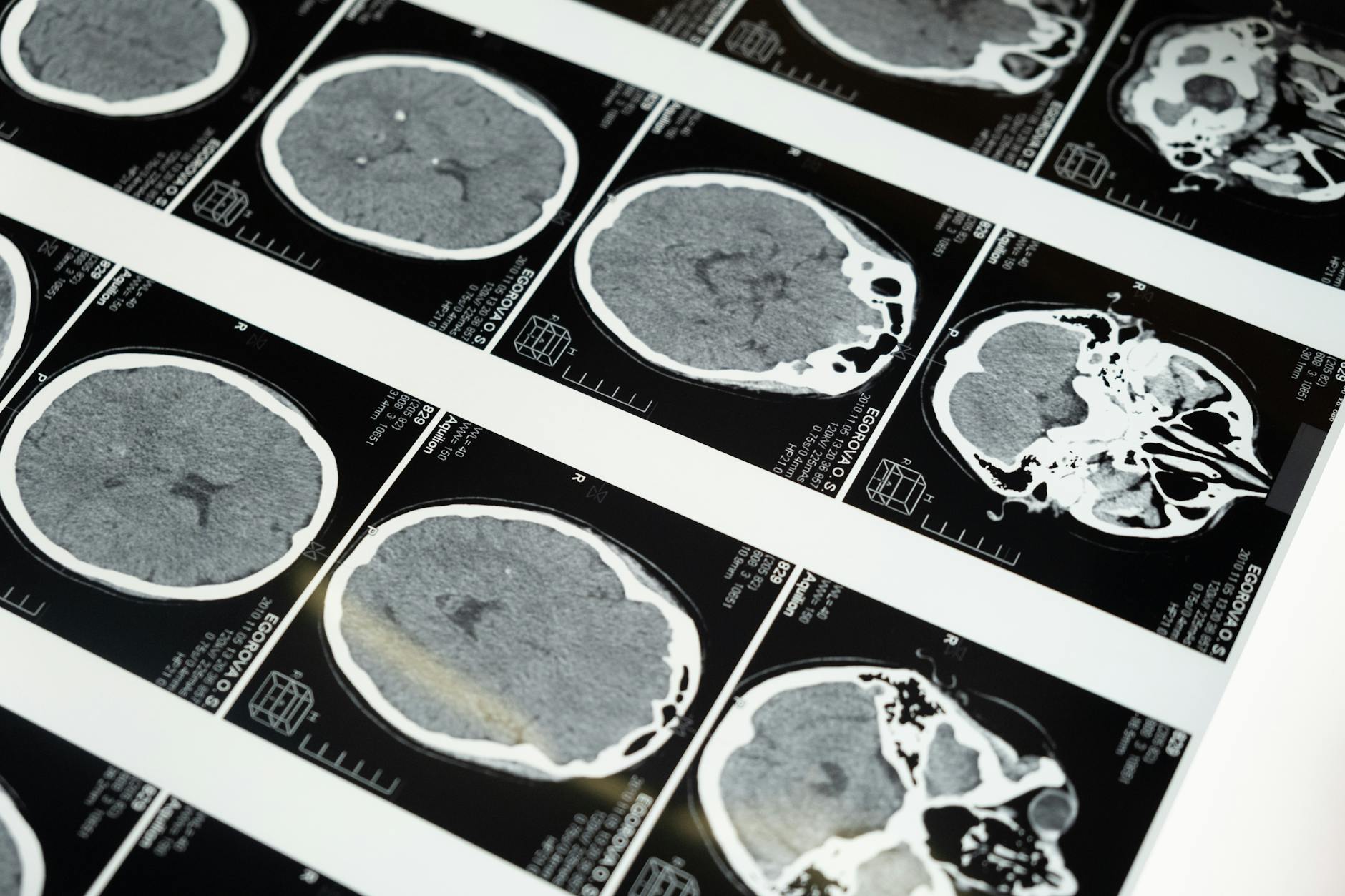
Cycling doesn’t just age your body slower—it ages your brain slower too. Regular aerobic exercise like cycling stimulates the production of brain-derived neurotrophic factor (BDNF), a protein crucial for memory formation, learning, and protecting against cognitive decline. Older cyclists who maintain regular riding habits show better performance on cognitive tests, slower rates of memory decline, and lower risk of dementia compared to sedentary peers. Beyond cognition, the mood benefits of cycling are substantial and often underestimated. A 60-year-old cyclist reports not just physical improvements but also a sense of independence, purpose, and emotional resilience that cycling provides.
The rhythmic nature of pedaling, combined with outdoor exposure and the meditative aspects of long rides, creates powerful mood benefits. Studies show that people who cycle regularly have lower rates of depression and anxiety, even when controlling for social factors and other forms of exercise. The mental health advantage of cycling over other solitary exercises is partly due to the community aspect. Many cyclists join clubs or group rides, which provides social engagement that itself is protective against cognitive decline. A weekly group ride provides physical exercise, social connection, and the mental challenge of navigating terrain—all factors that research identifies as crucial for healthy aging.
Starting a Sustainable Cycling Practice at Any Age
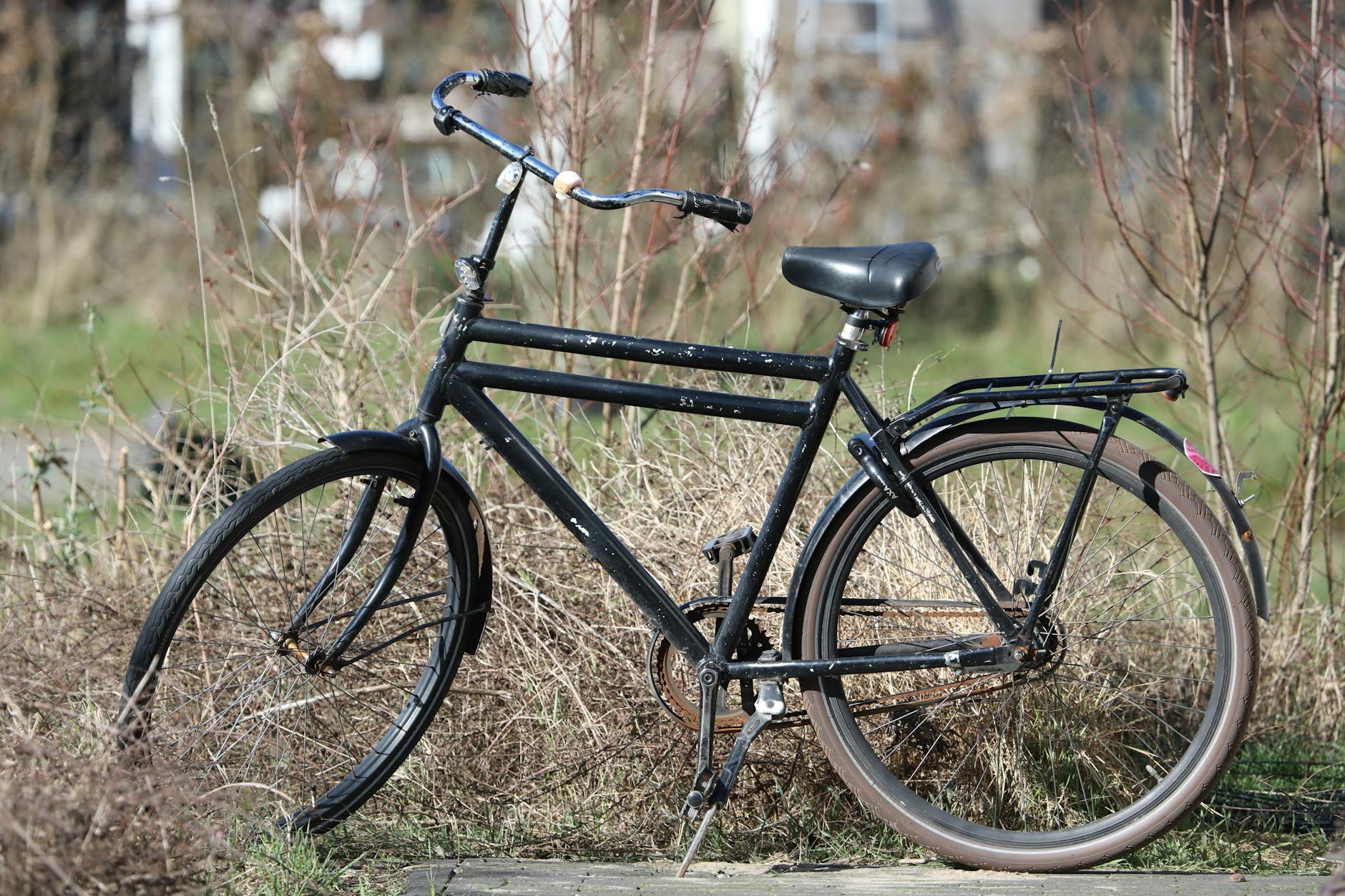
The most important characteristic of cycling for longevity is sustainability—you must be able to maintain it. This is where cycling has a significant advantage over sports like running or racquetball, which carry higher injury risk. A 50-year-old who starts cycling can reasonably expect to still be riding at 80, whereas the same person starting a jogging program might face knee or hip problems that force them to stop within 5-10 years. The key to a sustainable cycling practice is matching the bike and riding style to your current fitness level and physical condition.
A comfortable road bike with drop bars isn’t the right choice for everyone; many aging cyclists find hybrid bikes, gravel bikes, or even e-bikes more appropriate for their needs. An e-bike specifically has enabled thousands of people over 65 to continue cycling by removing the barrier of steep hills and long distances, while still providing the cardiovascular and mental health benefits. Starting with 2-3 rides per week at a comfortable pace (where you can still hold a conversation) allows your body to adapt without overuse injuries. This is fundamentally different from the approach many younger cyclists take, and it’s actually more effective for longevity because it prioritizes consistency over intensity. A 65-year-old riding 30 minutes, 4 days a week for 20 years will have better health outcomes than someone who cycles intensely for a few months and then stops.
Joint Impact, Arthritis Risk, and When Cycling Might Not Be Ideal
While cycling is low-impact on joints compared to running, it’s not completely impact-free, and people with existing knee problems should approach cycling cautiously. Improperly fitted bikes, poor pedaling technique, or too much intensity too quickly can aggravate knee joints or cause patellofemoral pain syndrome. The warning here is important: cycling should feel good on your knees. If you experience pain during or after rides, it’s a sign to stop and address the setup rather than pushing through. The good news is that properly performed cycling actually reduces arthritis risk.
A study of over 2,600 people found that regular cyclists had the lowest rates of knee osteoarthritis, even compared to sedentary individuals. The key is bike fit—having the seat at the correct height, correct fore-aft position, and proper frame size makes cycling joint-protective rather than joint-damaging. People with hip or lower back problems sometimes find cycling difficult initially, but these issues can usually be resolved with professional bike fitting and gradual training. Another limitation worth noting: cycling doesn’t provide the full-body strength training that some aging adults need. Someone with weak upper body strength or poor balance might get a complete cycling program but still lack the functional strength needed for daily activities like carrying groceries or preventing falls. This reinforces the earlier point about combining cycling with targeted strength work for comprehensive aging health.
Cardiovascular Adaptation and How Your Heart Changes With Consistent Cycling
The changes that occur in your cardiovascular system from consistent cycling are profound and measurable. Within 6-12 weeks of regular cycling, your resting heart rate drops—sometimes by 10-15 beats per minute. Your maximum heart rate might not change much, but the stroke volume (amount of blood pumped per beat) increases, meaning your heart becomes more efficient.
For a 55-year-old cyclist who rides 4 days a week, these adaptations mean their heart is working less hard to accomplish the same daily tasks, reducing overall stress on the cardiovascular system. Blood vessel function also improves with cycling. The repeated demand for blood flow during cycling stimulates the growth of new capillaries and improves the function of the endothelial cells lining your arteries. This is why cyclists often have better blood pressure control and fewer cardiovascular events even when other risk factors (like genetics or diet) might suggest higher risk.
The Long-Term Outlook for Aging Cyclists and Staying Active Into Your 80s and Beyond
The trajectory of cycling fitness has an encouraging shape. While aerobic capacity naturally declines with age, people who maintain consistent cycling experience a much gentler decline than sedentary people. A 75-year-old cyclist with a 20-year riding history often maintains fitness levels that would put them in the top 10% for their age group. As medicine continues to improve and cycling infrastructure expands in many cities, we’re seeing more examples of people cycling well into their 80s and 90s with excellent health outcomes.
The future of aging and cycling is also shaped by technology. E-bikes are removing barriers that previously would have ended cycling for many people. Similarly, innovations in bike fit, comfort, and accessibility are making cycling viable for people with physical limitations that would have sidelined them a decade ago. As the population ages and cycling becomes more mainstream, we’ll likely see even stronger evidence for cycling’s role in healthy aging and longevity.
Conclusion
Cycling is one of the most evidence-backed activities for extending both lifespan and health span—the number of years lived in good health. The cardiovascular improvements, cognitive benefits, mood enhancement, and joint-protective nature of cycling combine to create a uniquely powerful tool for aging well. Starting at any age, from your 40s through your 80s, cycling can meaningfully extend your life and improve the quality of those years.
The practical path forward is straightforward: start with 2-3 rides per week at a comfortable pace, invest in a proper bike fit, combine cycling with some strength training for comprehensive benefits, and commit to consistency over intensity. For most people, the greatest health benefits come not from occasional intense efforts, but from years of regular, sustainable cycling practice. If you want to age well and extend your active years, cycling is one of the highest-return activities you can pursue.
Frequently Asked Questions
Is it ever too late to start cycling for longevity benefits?
No. People who start cycling in their 60s and 70s still see substantial health improvements compared to remaining sedentary. The longevity benefits accumulate over years, so starting earlier is better, but starting at any age is far better than not starting at all.
How much cycling is needed for longevity benefits?
Research suggests that 150 minutes per week of moderate-intensity cycling (or 75 minutes of vigorous intensity) provides substantial longevity benefits. This translates to roughly 30 minutes, 5 days a week at a moderate pace where you can hold a conversation.
Can cycling replace other forms of exercise for healthy aging?
Cycling is excellent for cardiovascular health and muscle endurance, but it doesn’t fully replace strength training or weight-bearing exercise. The best approach combines 3-4 days of cycling with 1-2 days of strength or weight-bearing activity per week.
Are expensive bikes necessary for longevity benefits?
No. An affordable, properly fitted bike provides the same health benefits as an expensive one. What matters most is bike fit, comfort, and consistency. A $400 bike that fits well and feels good is far more valuable than a $3,000 bike that doesn’t suit your body.
Is cycling safe for people with joint problems?
Cycling is generally safer on joints than running or jumping sports, but it requires proper bike fit to avoid aggravating existing problems. If cycling causes knee or hip pain, the issue is usually bike setup rather than cycling itself. Professional fitting can often resolve pain completely.
How does e-biking compare to traditional cycling for health benefits?
E-biking provides similar cardiovascular and mental health benefits to traditional cycling, though the intensity is somewhat lower. For aging adults or those with physical limitations, e-biking enables consistent activity that they couldn’t otherwise sustain, making it excellent for longevity even if the per-session intensity is slightly reduced.


