The claim that folding bikes weigh 40% more than full-size bikes is understated. In reality, budget and mid-range folding bikes are approximately 56% heavier than comparable road bikes. The average folding bike weighs 26–28 pounds, while a typical road bike tips the scales at around 18 pounds. However, this story is more nuanced than a simple percentage.
Premium folding models like the Brompton C Line achieve weights of just over 26 pounds—nearly matching standard road bikes—through advanced materials and engineering. The real weight gap widens primarily among budget models, where steel frames and cost-cutting measures push weights closer to 31 pounds or more. This article examines whether that weight premium actually matters and what’s driving the difference. The weight question matters because a folding bike you can barely lift is less likely to be carried regularly. A 31-pound commuter bike might spend more time in a closet than on public transit, defeating the primary purpose of the fold.
Table of Contents
- How Much Do Folding Bikes Actually Weigh?
- Why Does the Folding Mechanism Add So Much Weight?
- Budget Versus Premium Folding Bikes: A Weight Comparison
- Does the Extra Weight Actually Matter in Real Use?
- The Myth That All Folding Bikes Are Equally Heavy
- How Material Choices Drive the Weight Difference
- The Future of Folding Bike Weight
- Conclusion
How Much Do Folding Bikes Actually Weigh?
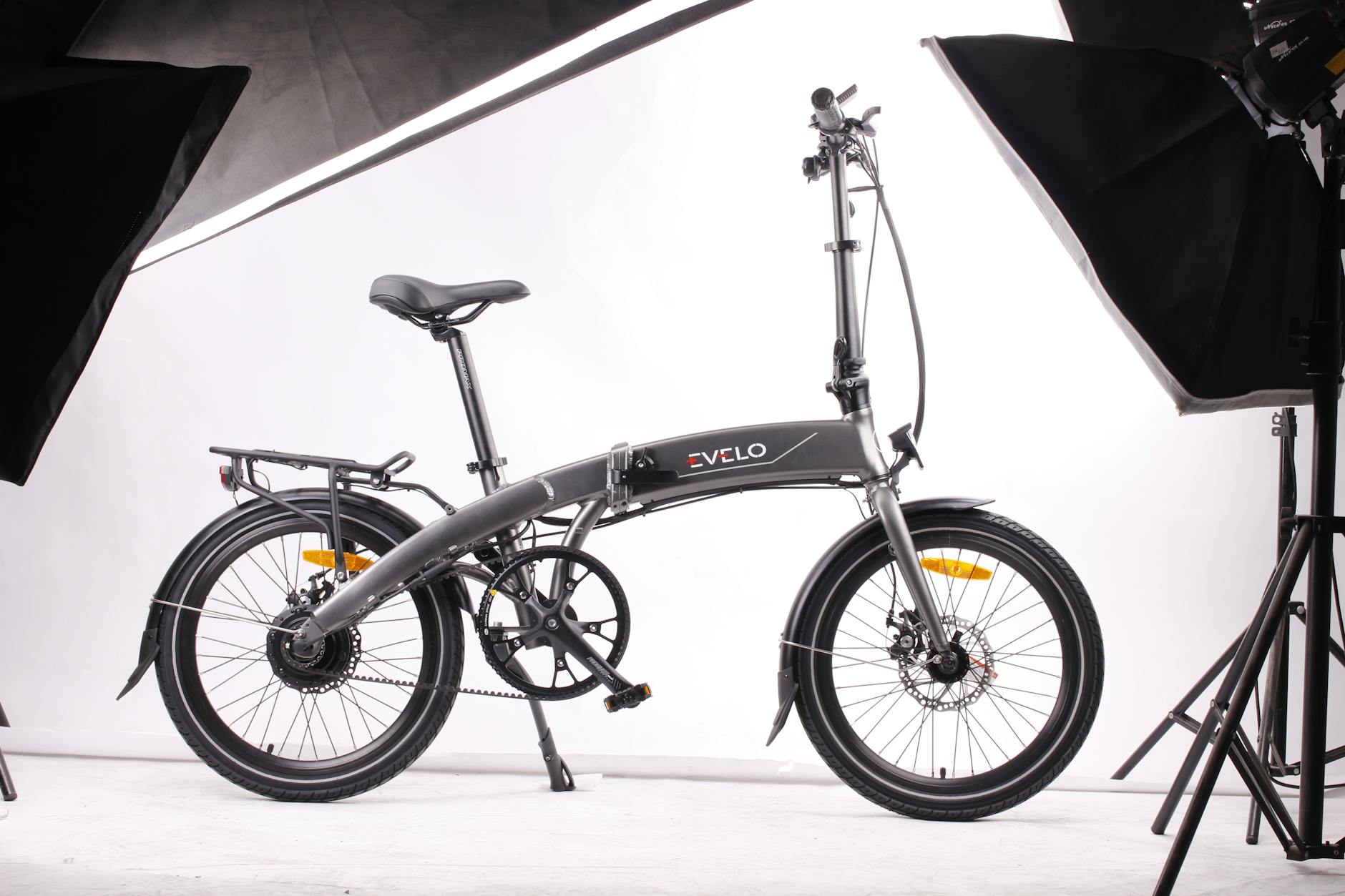
Most folding bikes weigh between 26 and 28 pounds on average, which converts to approximately 11.5 to 12.5 kilograms in metric terms. This range covers the majority of mass-market models available today—the commuter-focused bikes you’ll find at bike shops and online retailers. Some lighter models dip into the low 20s, particularly high-end designs, while heavier budget models can exceed 32 pounds. The B’Twin Tilt 500, a popular budget option, weighs approximately 28.4 pounds and represents what typical entry-level buyers encounter. For comparison, a standard road bike averages 18 pounds, and a hybrid or comfort bike typically falls between 24 and 27 pounds. This means a folding bike is not just incrementally heavier—it sits firmly in the heavier category.
A 28-pound folding bike is 56% heavier than an 18-pound road bike, or put another way, you’re carrying about 10 extra pounds every time you pick it up. Over the course of a commute where you might carry the bike on and off public transit five or six times, that’s cumulative. The weight distribution matters too. Unlike a full-size bike where weight is spread along the frame length, a folded bike concentrates all its mass into a compact package. That 28-pound folded package feels heavier to carry than a 28-pound full-size bike because your arms are supporting it in a tighter, less balanced configuration. The ergonomics of transporting a folding bike aren’t just about total weight.

Why Does the Folding Mechanism Add So Much Weight?
The folding mechanism itself is the primary culprit. To fold and unfold safely, a bike needs structural reinforcement at the hinge points and pivot joints. These reinforcements require additional metal—typically steel—to withstand the stress of repeated folding and the lateral forces that occur during riding. A full-size bike doesn’t need this engineering compromise. Its frame can be simpler, lighter, and rely on the continuous geometry of a traditional diamond shape for rigidity. Premium manufacturers like Brompton engineer around this penalty through material science. They use higher-grade aluminum and carbon fiber in strategic locations, offsetting the weight of the folding hardware.
Budget manufacturers, constrained by price points, often use heavier steel throughout to achieve the structural rigidity needed for the folding design. This is a fundamental tradeoff: you can have a light folding bike, but it will cost significantly more. A Brompton bike runs $1,200 and up; a B’Twin runs under $500. The $700 price difference funds, in part, that 2–3 pound weight savings. The hinge area particularly bears the weight penalty. A quality folding hinge must be durable enough for thousands of cycles and robust enough to stay rigid during riding. A cheaper hinge needs heavier metal; a premium hinge can be lighter because it’s made from stronger alloys. This single component can account for 2–4 pounds of difference between budget and premium models.
Budget Versus Premium Folding Bikes: A Weight Comparison
Budget folding bikes like the B’Twin Tilt 500 and similar models typically weigh 28–32 pounds. They use steel frames because steel is affordable, forgiving to manufacture, and adequately strong. Steel is also heavy. These bikes are designed to be functional commuters, not lightweight performers. A rider purchasing a $400 folding bike is trading some portability for affordability. Premium folding bikes, particularly the Brompton C Line and equivalent models, achieve weights of around 26 pounds or slightly above. Brompton achieves this through aluminum frame construction, more efficient hinge design, and decades of optimization.
A Brompton rider pays several times more and receives a bike that’s noticeably lighter and more refined. The weight difference between a B’Twin and a Brompton is roughly 2–5 pounds, depending on the specific models compared. That’s meaningful when you’re carrying the bike up subway stairs every day. Mid-range folding bikes—priced between $700 and $1,000—typically fall in the 24–27 pound range. Models like higher-end Tern designs or some aluminum-frame Dahon bikes hit this sweet spot. They’re not as cheap as budget models, but they’re not premium either. For many commuters, this middle tier offers the best balance between cost and weight. A 25-pound folding bike is still heavier than a road bike, but it’s light enough to handle without frustration.
Does the Extra Weight Actually Matter in Real Use?
Weight matters most during three specific moments: picking up the bike, carrying it, and storing it. If you fold your bike and carry it onto public transit twice daily, that 28-pound package adds genuine friction to your routine. Over 250 commuting days per year, you’re lifting and carrying roughly 7,000 pounds of cumulative bike weight. The physical toll accumulates. Lighter is objectively better here. However, weight matters far less during riding.
A heavier bike accelerates slightly slower and climbs slightly slower, but the difference is barely noticeable at typical commuting speeds unless you’re an experienced cyclist. A 28-pound folding bike handles just fine for cruising at 12–15 miles per hour through urban streets. If you rarely carry your bike and mostly ride it, the weight penalty is academic. Storage is another consideration. A 31-pound bike needs sturdier storage hooks and takes up slightly more mental real estate in a cramped apartment. But it’s still foldable and compact. The real question is your intended use: will you regularly carry this bike, or will it mostly stay in one place? The answer should drive your weight priorities.
The Myth That All Folding Bikes Are Equally Heavy
A common misconception is that all folding bikes are roughly the same weight, with variation limited to a pound or two. In reality, the range is substantial—from lightweight 20-pound models to heavy 35-pound cargo and utility folding bikes. The specific design, materials, and intended purpose create significant variation. Aluminum-frame folding bikes are consistently lighter than steel-frame versions. Carbon fiber folding bikes exist but are rare and extremely expensive. Electric folding bikes add 10–15 pounds because of the motor and battery, pushing them into the 40–45 pound range.
If you’re comparing weight, you’re comparing like categories. A lightweight aluminum Dahon is not comparable to a heavy steel Mongoose folding bike, even if both fold. Another myth: that a lighter folding bike is always better. A very light folding bike sometimes sacrifices durability or ride quality. Budget buyers especially should be cautious; the absolute lightest budget folding bikes might use thin materials that wear out quickly. A 28-pound bike built to last ten years is more practical than a 24-pound bike needing replacement in three.

How Material Choices Drive the Weight Difference
Steel is cheap, strong, and heavy. A full steel folding bike frame typically weighs 6–8 pounds by itself. Aluminum is lighter and more expensive; an aluminum frame of equivalent strength weighs roughly 4–6 pounds. Carbon fiber is lightest but rarely used in folding bikes because the folding joints create engineering challenges. Manufacturers choose materials based on price constraints and durability targets. A budget folding bike uses steel throughout—frame, fork, and components.
A premium folding bike uses aluminum or carbon fiber strategically, often combining materials. The Brompton, for instance, uses a steel frame but optimizes every tube dimension for the folding design, then adds lighter aluminum and carbon fiber in non-structural areas. This hybrid approach requires engineering sophistication that budget manufacturers can’t afford. The results are tangible: the same size folding bike in steel versus aluminum can differ by 3–5 pounds. Multiply that by every component—handlebars, seat post, wheels—and the weight differences compound. A premium manufacturer saves weight everywhere; a budget manufacturer saves money everywhere, which means accepting heavier materials.
The Future of Folding Bike Weight
Lightweight materials are becoming more accessible, and folding bike weights are gradually declining. Newer aluminum alloys are stronger and lighter than those used a decade ago. Manufacturing techniques are improving. As folding bikes gain popularity as a commuting solution, competitive pressure is driving innovation toward lighter designs.
The next frontier is integrated design—bikes engineered as folding bikes from the ground up rather than adapted from full-size designs. Tern Vektron, some Brompton variants, and emerging brands are pushing this direction. These bikes often achieve better weight efficiency than traditional designs. Within the next few years, expect to see quality folding bikes at 24 pounds becoming standard in the mid-range category rather than a premium feature.
Conclusion
The claim that folding bikes weigh 40% more than full-size bikes is measurably understated. Budget and mid-range models are actually 50–60% heavier than road bikes, driven primarily by the structural demands of the folding mechanism and reliance on heavier steel materials. However, premium folding bikes like the Brompton demonstrate that achieving near-standard bike weights is possible through engineering and material choices—you simply pay more for it. Your weight choice should depend on your actual use case.
If you carry your bike daily, invest in a lighter model and accept the premium cost. If your folding bike mostly stays in one location and rarely gets carried, a budget model’s extra weight is a non-issue. Neither approach is wrong; they’re aligned with different priorities. The important takeaway is that the weight gap between budget and premium folding bikes is real, measurable, and worth understanding before you buy.
You Might Also Like
- The Protected Intersection Crisis Explained in One Statistic: Only 12 US Cities Have More Than 5 Protected Intersections
- Fact Check: Does Drafting Behind Another Cyclist Really Save 30% of Your Energy? At 20 MPH Almost Exactly
- Fact Check: Does Bike Commuting Really Cut Your Carbon Footprint by 67% vs Driving? For Trips Under 10 Miles Yes


