Electric bicycles are the better choice for most commuters, particularly those dealing with distances over five miles, hilly terrain, or the need to arrive at work without being drenched in sweat. A traditional bicycle still makes perfect sense for shorter, flatter commutes where fitness is a primary goal, but the e-bike has fundamentally changed the calculus for people who previously dismissed cycling as impractical for getting to work. Consider a commuter in Seattle facing a three-mile ride with 400 feet of elevation gain: on a traditional bike, that ride demands serious effort and a change of clothes upon arrival, while a Class 1 e-bike with pedal assist flattens that hill into something manageable in office attire.
That said, the choice is not as simple as “e-bike wins.” Traditional bicycles cost a fraction of the price, weigh significantly less, require less maintenance, and offer a workout that no amount of pedal assist can replicate. The right answer depends on your specific commute, your budget, and what you want out of the ride. This article breaks down the real differences between electric and traditional bicycles across cost, fitness, practicality, maintenance, safety, and long-term ownership so you can make an informed decision rather than relying on marketing claims from either camp.
Table of Contents
- How Do Electric Bicycles Compare to Traditional Bicycles for Daily Commuting?
- What Does Each Type of Bicycle Actually Cost Over Time?
- Fitness Benefits and Physical Health Considerations
- How to Choose Between an E-Bike and a Traditional Bike for Your Specific Commute
- Safety, Infrastructure, and Legal Considerations
- Storage, Charging, and Workplace Logistics
- The Future of Bicycle Commuting and Where Each Type Fits
- Conclusion
How Do Electric Bicycles Compare to Traditional Bicycles for Daily Commuting?
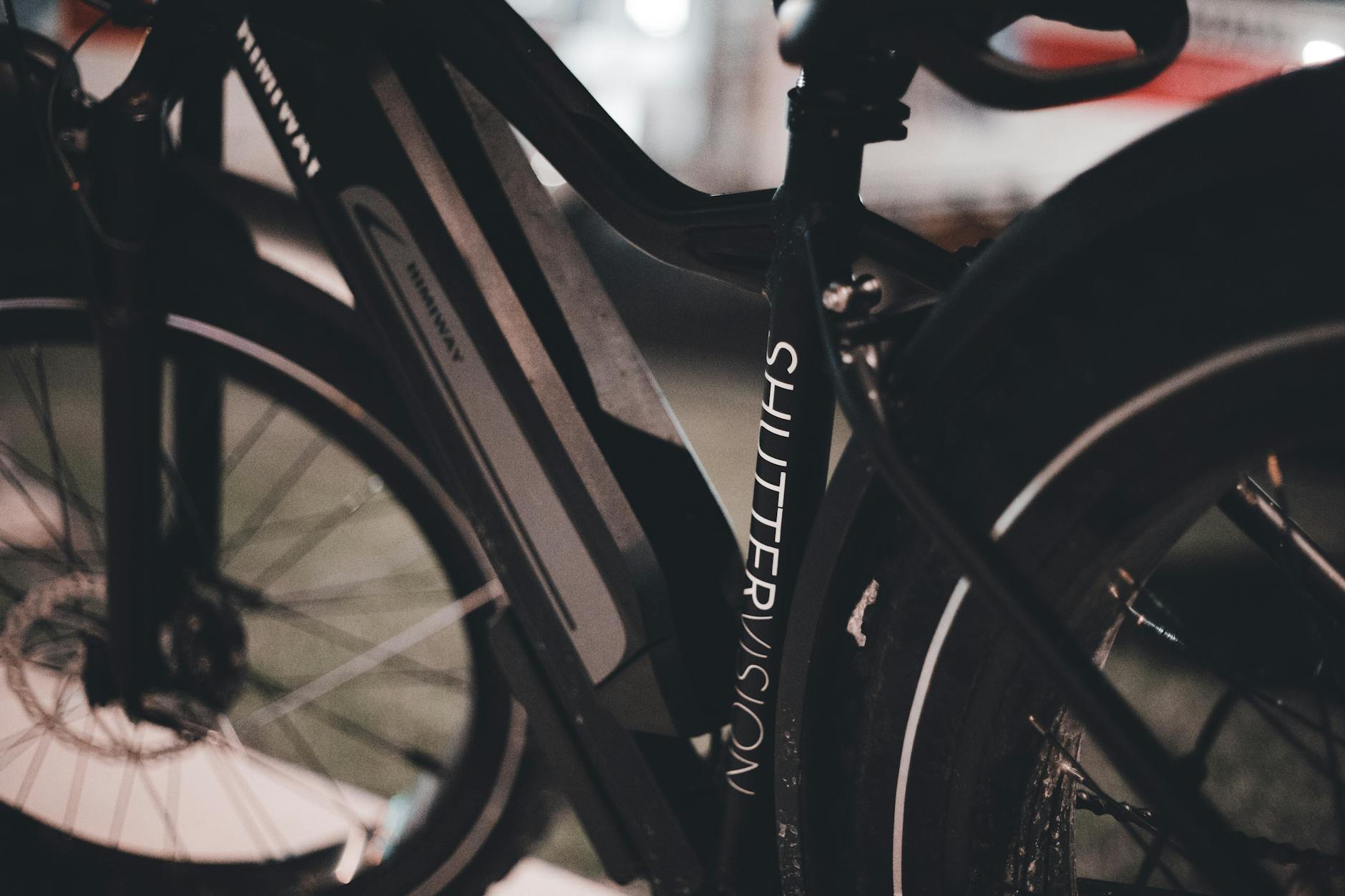
The most immediate difference is effort. A traditional bicycle converts your leg power directly into forward motion, and that is the entirety of the equation. An electric bicycle adds a motor, typically between 250 and 750 watts, that supplements your pedaling. Class 1 e-bikes provide assistance only while you pedal and cap out at 20 mph. Class 3 e-bikes offer pedal assist up to 28 mph. This assistance transforms commutes that would otherwise be grueling or impractical into rides that feel closer to a leisurely cruise. A ten-mile commute that takes 45 minutes of hard riding on a traditional bike might take 30 minutes on an e-bike with moderate effort. Speed consistency is another practical distinction. Traditional cyclists slow dramatically on hills, into headwinds, and as fatigue sets in over longer rides.
E-bike riders maintain a more consistent pace regardless of terrain or conditions, which makes arrival times more predictable. If you need to be at your desk by 8:30 and cannot afford the variability of a bad headwind day adding fifteen minutes, the e-bike offers reliability that a traditional bike cannot match. However, on flat terrain with short distances, say under three miles, the speed difference between the two shrinks considerably, and the traditional bike’s simplicity becomes its advantage. The experience of riding also differs in ways that matter. Traditional cycling is a more engaged, athletic activity. You feel the road, you feel the effort, and there is a meditative quality to powering yourself through a commute. E-bike commuting is more utilitarian. The motor takes the edge off, which is exactly the point, but some riders find it less satisfying over time. Neither experience is objectively better, but they are genuinely different, and riders who have tried both often develop strong preferences.
What Does Each Type of Bicycle Actually Cost Over Time?
Upfront cost is where the gap is most visible. A reliable commuter bicycle, something like a Trek FX 2 or a Giant Escape 3, runs between $500 and $900. A comparable e-bike with decent range and a reputable battery, such as a Rad Power RadCity or Aventon Soltera, starts around $1,200 and climbs quickly to $2,500 or more for brands like Specialized or Trek. Premium e-bikes from Riese & Müller or Tern can exceed $5,000. That initial price difference is real money, and for someone on a tight budget, it can end the conversation before it starts. However, if you are comparing cycling against driving rather than against each other, both options look remarkably cheap. The AAA estimates the average annual cost of car ownership at over $12,000. Even the most expensive e-bike pays for itself within a year if it replaces a car for daily commuting. The more nuanced comparison is long-term ownership cost between the two bike types.
Traditional bicycles need new tires, brake pads, chains, and occasional cable replacements. Total annual maintenance runs $100 to $300 for a regular commuter. E-bikes need all of that plus battery replacement every three to five years, which costs $400 to $800 depending on the brand. Motor servicing, while infrequent, can run $200 or more when it is needed. Controller and display replacements add further costs that simply do not exist on a traditional bike. If your commute is short enough that a traditional bike works comfortably, the total cost of ownership over five years is dramatically lower, often by $2,000 or more. But if the e-bike is the difference between cycling and driving, the math favors the e-bike overwhelmingly. The mistake many buyers make is treating the e-bike as a luxury upgrade to a traditional bike when it is really an alternative to a car. Frame the purchase accordingly.
Fitness Benefits and Physical Health Considerations
The conventional wisdom that e-bikes are “cheating” does not hold up to scrutiny. A 2019 study published in transportation Research Interdisciplinary Perspectives found that e-bike riders actually cycle more frequently and for longer distances than traditional bike riders. The net result is often comparable or even greater weekly calorie expenditure, not because e-biking is harder per minute, but because riders do it more often and go farther. A commuter who rides a traditional bike three days a week because the other two days feel too daunting may burn fewer total calories than someone who rides an e-bike all five days. That said, the per-ride fitness benefit of a traditional bicycle is unambiguously higher. Riding a conventional bike at a moderate commuting pace burns roughly 400 to 600 calories per hour depending on terrain and rider weight. The same ride on an e-bike with moderate pedal assist burns approximately 200 to 350 calories per hour.
For someone whose primary motivation is cardiovascular fitness and weight management, the traditional bike delivers more workout per minute. This matters if your commute is your only opportunity for exercise during the day. A practical consideration that gets overlooked is recovery. Traditional bike commuting at high intensity twice a day, five days a week, is genuinely fatiguing. Riders over 40, riders returning from injury, or riders who also exercise outside of commuting may find that the cumulative load affects their work performance or other activities. The e-bike lets you dial the effort up or down depending on how you feel, which is a flexibility the traditional bike does not offer. Some days you want the workout. Some days you just want to get to work.

How to Choose Between an E-Bike and a Traditional Bike for Your Specific Commute
Start with three concrete factors: distance, elevation, and sweat tolerance. If your commute is under five miles with minimal hills and your workplace has a place to freshen up, a traditional bike is likely the better choice. It is cheaper, lighter, easier to carry up stairs, and requires less maintenance. If your commute is five to fifteen miles, involves significant hills, or demands that you arrive looking presentable, the e-bike has a strong case. Beyond fifteen miles each way, the e-bike is essentially the only cycling option for most people unless you are a dedicated athlete. Weather and climate add another layer. In moderate climates, both options work year-round. In extreme heat, the e-bike’s reduced exertion keeps you drier on arrival. In extreme cold, the e-bike battery’s range decreases by 15 to 30 percent, which can be the difference between making it home and running out of assist on a dark road.
Traditional bikes perform identically in all temperatures because there are no batteries to worry about. In wet climates, both bikes need fenders and rain gear, but e-bikes introduce additional concerns about water ingress to electrical components. Most quality e-bikes are water-resistant, but not waterproof, and prolonged riding in heavy rain over years can degrade connectors and seals. Consider also what happens when things go wrong. A flat tire on a traditional bike is a fifteen-minute fix with a portable patch kit. A flat on an e-bike is the same repair but significantly more annoying because the bike weighs 45 to 65 pounds instead of 20 to 30. If the motor or battery fails mid-commute, you are pedaling a very heavy traditional bike home. If a traditional bike has a mechanical failure, you can usually walk it or carry it to the nearest shop without much trouble. This weight penalty is the e-bike’s most persistent practical drawback.
Safety, Infrastructure, and Legal Considerations
Both e-bikes and traditional bikes share the same fundamental vulnerability: you are an unprotected human sharing space with multi-ton vehicles. However, e-bikes introduce specific safety considerations that traditional bikes do not. The higher average speed of e-bike commuters, particularly on Class 3 bikes, means less reaction time and longer stopping distances. A traditional commuter cycling at 12 to 15 mph has a meaningfully different risk profile than an e-bike rider cruising at 20 to 28 mph, especially in urban environments with frequent intersections and pedestrian crossings. Infrastructure access varies by jurisdiction and is often confusing. In many US cities, Class 1 e-bikes are allowed on bike paths and in bike lanes, while Class 3 e-bikes are restricted to roads. Some cities and states have not updated their regulations to address e-bikes at all, creating legal gray areas. Traditional bicycles face none of this ambiguity.
They are allowed on any bike infrastructure everywhere. Before purchasing an e-bike for commuting, check your specific city and state regulations, and verify that your intended route does not pass through areas where your e-bike class is restricted. Insurance and liability present another wrinkle. Traditional bicycles are almost never insured separately from homeowner’s or renter’s policies. E-bikes, particularly expensive ones, increasingly justify dedicated coverage. Some homeowner’s policies exclude or limit coverage for motorized vehicles, which can technically include e-bikes. If your $3,000 e-bike is stolen from a bike rack at work, you may discover the hard way that your insurance does not cover it. Specialized e-bike insurance is available but adds $150 to $300 annually to the cost of ownership.
Storage, Charging, and Workplace Logistics
Workplace logistics can make or break a bike commute, and the type of bike you ride affects this more than most people anticipate. A traditional bike fits easily on a standard wall hook or in a bike room. Many commuters carry them up stairs or into their office without much difficulty. A 50-pound e-bike is a different story entirely. Carrying it up a flight of stairs daily is a workout in itself, and not the enjoyable kind. If your workplace has ground-level bike parking, this is not an issue. If it does not, consider the daily reality of maneuvering a heavy bike through hallways and doorways before committing to the purchase.
Charging is straightforward but requires planning. Most e-bike batteries take three to six hours for a full charge from empty. If your round-trip commute uses more than half the battery, you will need a way to charge at work. This means either removing the battery and bringing it to your desk, which most removable batteries allow, or parking near an outlet. Some workplaces are enthusiastic about supporting e-bike commuters. Others have strict policies about personal electronics and extension cords. Find out before you buy.
The Future of Bicycle Commuting and Where Each Type Fits
The trajectory is clear: e-bikes are growing faster than any other segment of the bicycle market, and infrastructure is slowly catching up. Cities like Portland, Amsterdam, and Copenhagen are building out networks that accommodate both traditional and electric bicycles, and employer incentives for bike commuting are becoming more common. The federal e-bike tax credit discussions that have circled Congress for several years may eventually reduce the upfront cost barrier that keeps many commuters from making the switch. Traditional bicycles are not going anywhere.
They remain the most efficient, most affordable, and most mechanically elegant form of human-powered transportation ever devised. For millions of commuters worldwide, they are and will continue to be the right tool. But the e-bike has expanded the definition of who can realistically commute by bike, bringing in older riders, longer-distance commuters, and people who live in hilly cities that previously made cycling impractical. The two types are less competitors than they are allies in the broader effort to get people out of cars.
Conclusion
The decision between an electric bicycle and a traditional bicycle for commuting comes down to your specific circumstances, not to which technology is inherently superior. Traditional bikes win on cost, weight, simplicity, and fitness per ride. E-bikes win on accessibility, distance capability, terrain flexibility, and the ability to arrive at work without needing a shower. If your commute is short and flat, save the money and ride a traditional bike. If your commute involves distance, hills, or the need to look professional on arrival, the e-bike earns its higher price.
Whatever you choose, the most important step is to start riding. The best commuter bike is the one you will actually use five days a week, month after month, through weather that makes you question your choices. Test ride both types on your actual commute route before buying. Borrow from a friend, rent from a local shop, or take advantage of demo programs that many manufacturers now offer. The data, the cost savings, and the health benefits all favor cycling over driving. The only remaining variable is which version of cycling fits your life.


