Bicycles are one of the most underrated practical transportation options available to students at every level, from elementary school through graduate programs. A graduate student in Austin, Texas, demonstrated this concretely when she chose a $1,500 entry-level e-bike over an $8,000 used car for her campus commute and saved approximately $5,600 in first-year costs alone — eliminating fuel expenses, parking fees, and the unpredictable maintenance bills that come with older vehicles. For students already stretched thin financially, that kind of savings is not trivial. It can mean fewer hours working a side job, less student debt, or simply the ability to eat something other than ramen for dinner. Beyond the financial argument, cycling to class delivers measurable health benefits, helps students stay physically active without carving out separate gym time, and often proves faster than driving in congested campus areas where parking is scarce.
Yet despite these advantages, adoption rates remain stubbornly low at many institutions. At Thai universities, only 2.9% of students use bicycles regularly. In Maribor, Slovenia, just 10.7% of university students cycle daily, while 63.3% do not cycle at all. The gap between what cycling can offer and how many students actually ride points to real barriers — infrastructure, safety concerns, weather, and cultural norms — that deserve honest examination. This article covers the financial case for student cycling in detail, the documented health benefits, what universities and K-12 schools are doing to encourage ridership, the real obstacles that keep students off bikes, and practical considerations for anyone thinking about making the switch.
Table of Contents
- How Much Money Can Students Actually Save by Using a Bicycle for Transportation?
- Health Benefits of Cycling to Campus: What the Research Shows
- What Universities Are Doing to Get Students on Bikes
- Choosing the Right Bike for Student Commuting: Practical Tradeoffs
- The Real Barriers Keeping Students from Cycling
- The Bike Bus Movement and Younger Students
- Where Student Cycling Goes from Here
- Conclusion
How Much Money Can Students Actually Save by Using a Bicycle for Transportation?
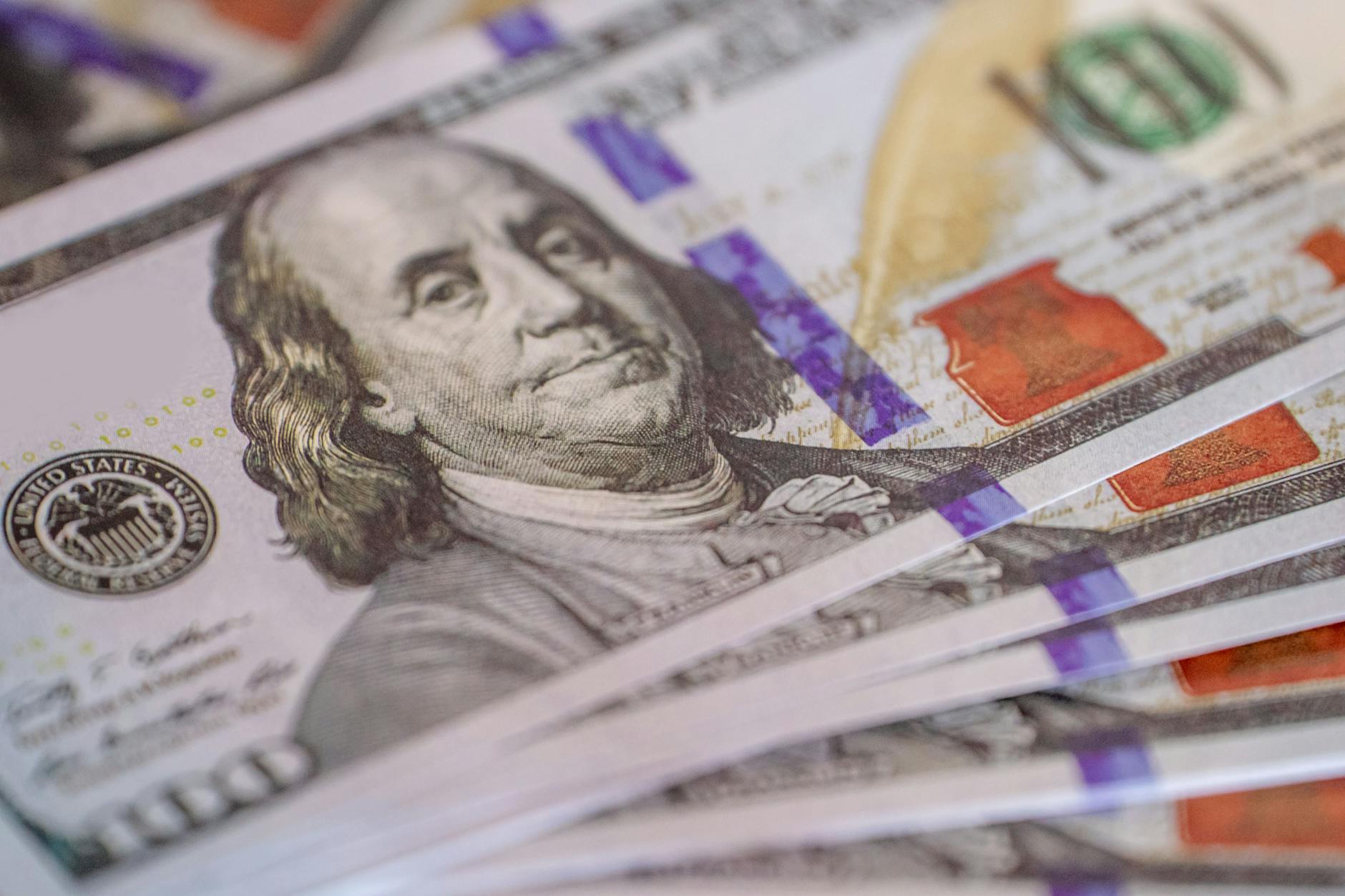
The cost comparison between cycling and driving is where the conversation usually starts, and for good reason. The Austin e-bike example is instructive because it accounts for the full picture: not just the sticker price of the vehicle, but insurance premiums, fuel costs, campus parking permits (which can run $300 to $1,000 per year at many universities), and routine maintenance like oil changes, tire rotations, and brake work. When you add those recurring expenses together, a used car that seemed affordable at purchase quickly becomes a financial drain. The e-bike, by contrast, costs pennies per charge and requires only occasional brake adjustments, tire inflation, and chain lubrication. The savings extend beyond direct transportation costs. Regular e-bike commuters save an average of $1,700 annually in healthcare costs compared to sedentary commuters, according to 2024 data from the European Cyclists’ Federation.
That figure reflects fewer doctor visits, lower medication costs, and reduced incidence of chronic conditions associated with inactivity. For students on limited or university-provided health insurance, avoiding even one significant medical issue can represent enormous savings. The global bicycle market is projected to reach $65.07 billion in 2026, which reflects not just recreational interest but a genuine shift toward cycling as practical, everyday transportation. It is worth noting, however, that these savings assume a certain set of conditions. Students who live more than ten miles from campus, who need to transport heavy equipment or materials regularly, or who live in areas with harsh winters and no protected bike infrastructure may find that the math works differently. A bicycle is not a universal replacement for a car — it is a replacement that works exceptionally well within specific distance and use-case parameters.
Health Benefits of Cycling to Campus: What the Research Shows
The physical health benefits of bicycle commuting are well-documented and particularly relevant for students, a population that often struggles to fit structured exercise into packed academic schedules. Bicycle commuting burns an average of 540 calories per hour, which means even a modest 20-minute ride each way provides meaningful caloric expenditure without requiring a separate trip to the gym. For students juggling coursework, part-time jobs, and social obligations, building exercise into the commute itself is one of the most time-efficient health strategies available. The benefits go well beyond calorie burning. Research has found that taking just three additional bicycle trips per week is associated with 46% lower odds of metabolic syndrome, 32% lower odds of obesity, and 28% lower odds of hypertension. College students who cycle for transport accumulate more minutes of daily physical activity than students using motorized transport and are more likely to meet public health recommendations for weekly exercise.
At a population level, the impact is significant: modeling of bicycle commuting in the Twin cities metro area found that it prevents 12 to 61 deaths per year, saving between $100 million and $500 million annually in healthcare and lost-productivity costs. However, these benefits come with caveats that are rarely discussed. Cycling in heavy traffic without protected infrastructure exposes riders to vehicle exhaust and collision risk, which can partially offset the health gains in certain environments. Students with pre-existing joint conditions, particularly knee problems, may find that daily cycling aggravates rather than helps their situation, especially on hilly campuses. And the mental health benefits of cycling — reduced stress, improved mood, better sleep — while real, depend partly on whether the ride itself feels safe and pleasant or anxiety-inducing. A bike commute on a dedicated greenway is a fundamentally different experience from one spent dodging delivery trucks on a four-lane road.
What Universities Are Doing to Get Students on Bikes
Institutional support makes a measurable difference in whether students choose to cycle. A 2025 study of 2,130 students at the University of Trieste found that financial subsidies for bicycle purchases or bike-share services, along with dedicated cycle lanes, secure parking, and e-bike charging stations, are the strongest predictors of whether students will cycle to campus. In other words, students respond less to awareness campaigns and more to tangible infrastructure and financial incentives that reduce the friction of choosing a bike. Several major universities have taken this research to heart. Harvard and Boston University both offer bicycle commuter reimbursement benefits, helping offset the cost of purchasing and maintaining a bike.
The League of American Bicyclists runs a Bicycle Friendly University certification program that evaluates institutions based on their cycling infrastructure, bike-share access, secure storage options, and educational initiatives around cycling safety. These certifications create a competitive framework that motivates universities to invest in cycling infrastructure not just for environmental reasons, but as a recruitment and branding tool. A 2025 cross-sectional study of 305 students and 79 staff at an urban campus found that active cyclists perceived fewer barriers (scoring 1.96 on a standardized scale) and more advantages (3.61) than non-cyclists. This suggests a feedback loop: once students start cycling, the perceived barriers diminish and the perceived benefits grow. The challenge for universities is getting students past the initial resistance, which is where subsidies, starter programs, and visible infrastructure investments play a critical role.

Choosing the Right Bike for Student Commuting: Practical Tradeoffs
Not all bikes serve student commuters equally well, and the choice involves real tradeoffs. A basic single-speed or three-speed city bike — costing between $300 and $600 — is the simplest and cheapest option. These bikes require minimal maintenance, are easy to lock up without excessive worry about theft, and handle flat-to-moderate terrain adequately. The tradeoff is that they struggle on hills, offer no assistance for longer commutes, and provide limited versatility for carrying groceries or supplies. An entry-level e-bike in the $1,000 to $2,000 range addresses several of those limitations. Electric pedal assist flattens hills, extends comfortable commuting range to 10 or even 15 miles, and lets students arrive without being drenched in sweat — a genuine concern for anyone heading into a lecture hall or lab.
The Austin graduate student’s $1,500 e-bike exemplifies this sweet spot. But e-bikes come with their own downsides: heavier weight makes them harder to carry up stairs or onto public transit, battery theft and vandalism are growing concerns, and repair costs are higher because of the electrical components. Students living in small apartments without ground-floor storage need to think carefully about where and how they will charge and store an e-bike. Folding bikes offer a niche solution for students who combine cycling with bus or train commutes, since they can be carried on public transit and stored under a desk. However, their smaller wheels make them less comfortable over rough pavement, and they tend to be less durable than full-size bikes at comparable price points. The right choice ultimately depends on commute distance, terrain, storage situation, and budget — there is no single answer that works for everyone.
The Real Barriers Keeping Students from Cycling
Understanding why students do not cycle is as important as understanding why they should. The data from Maribor, Slovenia — where 63.3% of university students do not cycle at all — and from Thai universities, where only 2.9% cycle regularly, points to systemic barriers that enthusiasm alone cannot overcome. Weather and climate are obvious factors in some regions, but they do not fully explain low adoption rates in places with mild, bike-friendly climates. Safety is consistently the most cited concern. Students, particularly women and international students unfamiliar with local traffic patterns, often perceive cycling as dangerous — and in many cases, they are right. Campuses without protected bike lanes, with poorly lit routes, or surrounded by high-speed arterial roads create genuine risk. Theft is another persistent barrier.
A student who saves money by buying a bike but then has it stolen within the first semester has effectively lost both money and trust in cycling as a viable option. Secure, covered bike parking is not a luxury amenity; it is a prerequisite for sustained adoption. Cultural norms and social perception also play an underappreciated role. In car-centric societies, cycling can carry a stigma — it may be seen as something you do because you cannot afford a car, rather than a deliberate, intelligent choice. This is slowly changing, but it remains a real factor in student decision-making. Universities that want to move the needle need to address all three categories — safety, security, and culture — simultaneously. Investing in bike lanes while ignoring theft, or running awareness campaigns without building infrastructure, produces limited results.
The Bike Bus Movement and Younger Students
The barriers to cycling start well before college. Less than 5% of American children now bike or walk to school, a dramatic decline from previous generations. This is not primarily an access problem: 68% of young people ages 3 to 18 have access to a bike in their household. The issue is that parents and schools have gradually shifted toward car-dependent transportation patterns driven by safety concerns, suburban sprawl, and the disappearance of crossing guards and safe walking routes.
The bike bus movement offers a promising counter-trend. As of 2025, more than 400 active communities worldwide organize bike buses, where students and families ride to school together in groups along planned routes, often with adult volunteers managing intersections. These organized rides address the safety concern directly by creating visibility and numbers, while also building cycling habits in children who will eventually become college students. The bike bus model demonstrates that the problem is not that kids do not want to ride — it is that the conditions for riding safely have eroded, and rebuilding those conditions requires collective action rather than individual initiative.
Where Student Cycling Goes from Here
The trajectory for student cycling is cautiously optimistic, driven by converging pressures. Rising car ownership costs, growing climate awareness among younger generations, expanding e-bike technology, and increasing university investment in cycling infrastructure all point toward higher adoption rates in the coming years. The University of Trieste study’s finding — that financial subsidies and infrastructure are the strongest predictors of student cycling — provides a clear roadmap for institutions that are serious about change.
The remaining challenge is speed of implementation. University planning cycles are slow, municipal infrastructure projects take years, and cultural shifts happen across generations, not semesters. Students who want to cycle today often face the gap between what is promised and what currently exists on the ground. The most practical path forward combines institutional advocacy with individual pragmatism: push for better infrastructure, but in the meantime, find the safest existing route, invest in a quality lock, and start riding.
Conclusion
Bicycles are a genuinely practical transportation option for students who live within reasonable commuting distance of their campus and have access to safe routes. The financial savings — potentially thousands of dollars per year — are compelling, and the health benefits are well-supported by research showing lower rates of obesity, hypertension, and metabolic syndrome among regular cyclists. University programs offering purchase subsidies, bike-share access, and commuter reimbursements are making the switch easier, and the growing bike bus movement is beginning to rebuild cycling habits among younger students before they ever reach college.
The honest assessment, though, is that cycling is not yet practical for every student in every context. Infrastructure gaps, safety concerns, theft risk, and distance constraints remain real obstacles that require systemic investment to solve. Students considering a switch to cycling should evaluate their specific commute, storage options, and local conditions rather than relying on generalized enthusiasm. For those whose circumstances align, a bicycle is not just a way to save money — it is a faster, healthier, and more reliable way to get to class than sitting in traffic or circling a parking garage.


