Mountain Bike Trails Upgrade Guide: What Improves the Ride Most
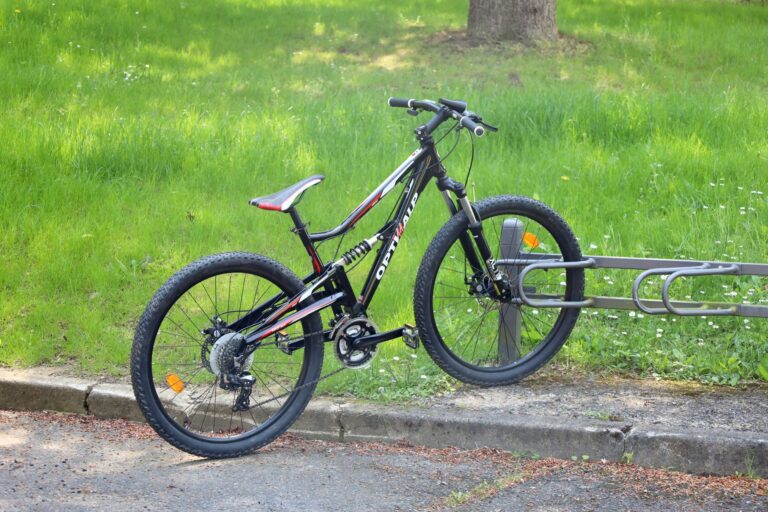
Tune pressure and suspension first, then choose tires, a dropper, or braking changes for the trails you ride.
Tune pressure and suspension first, then choose tires, a dropper, or braking changes for the trails you ride.
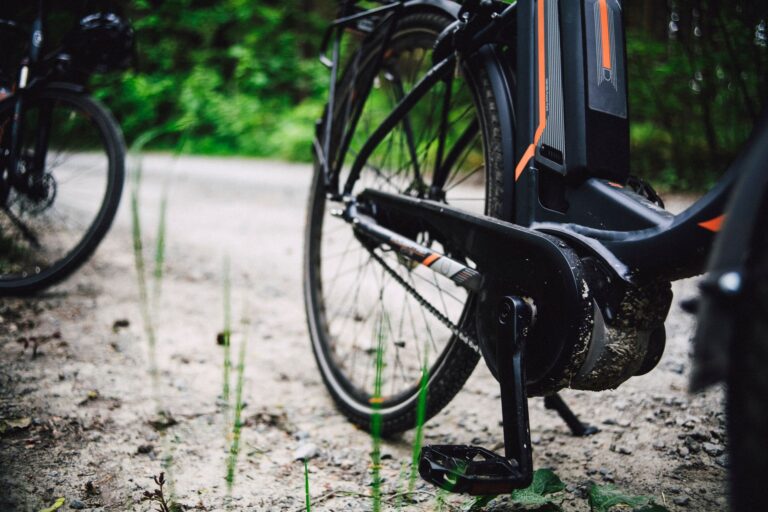
Measure inseam, compare model geometry, and adjust contact points to find an e-bike that feels controlled and comfortable.
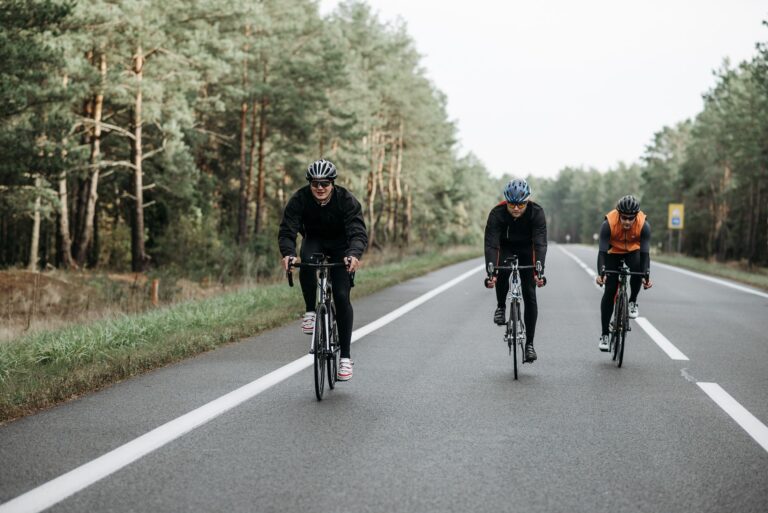
Choose a controllable fit, set up your helmet and lights, and avoid the crash and battery risks that matter most.
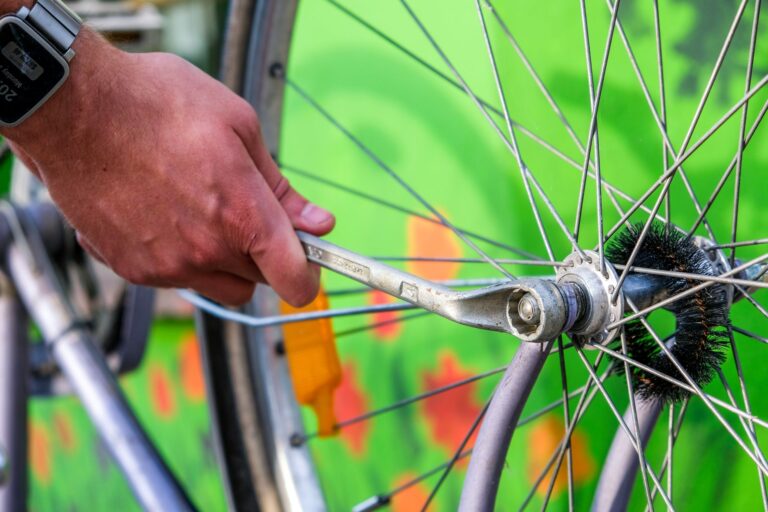
Use this practical checklist to inspect, wash, lubricate, charge, and recognize when an e-bike needs professional repair.
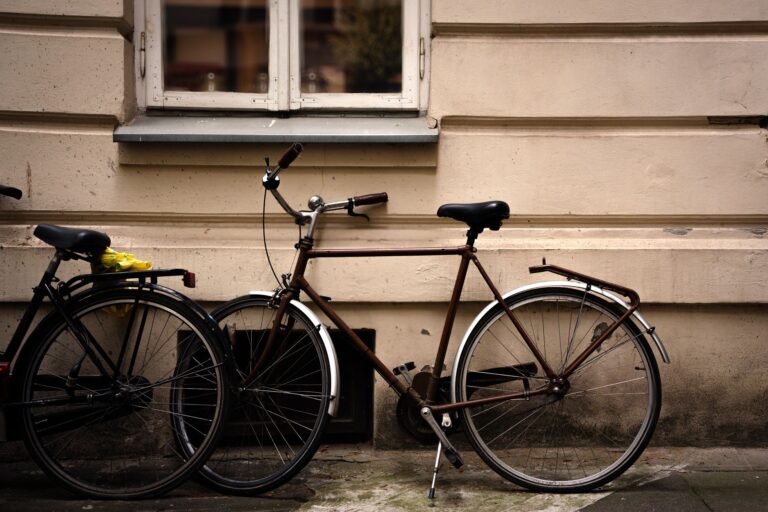
Compare conventional bikes and e-bikes by effort, trip time, full ownership cost, battery care, and safety.
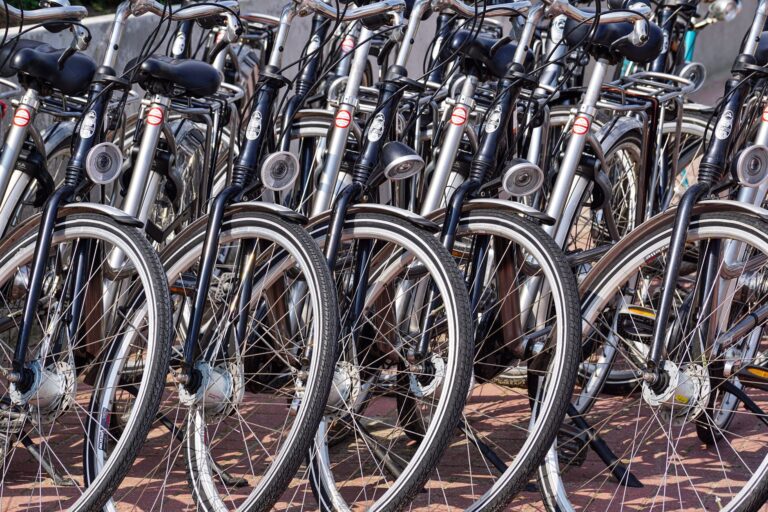
Choose by fit and daily use, then compare service needs, e-bike certification, and the complete purchase budget.
Choose the right e-bike class, decode motor claims, judge usable range, and verify battery-system safety before buying.
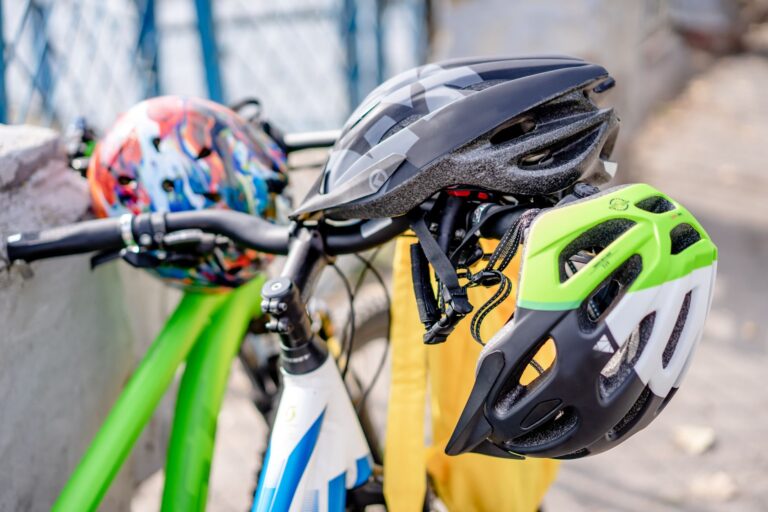
E-bike buyers who act before regulatory deadlines save money and access the widest safety-equipped options.
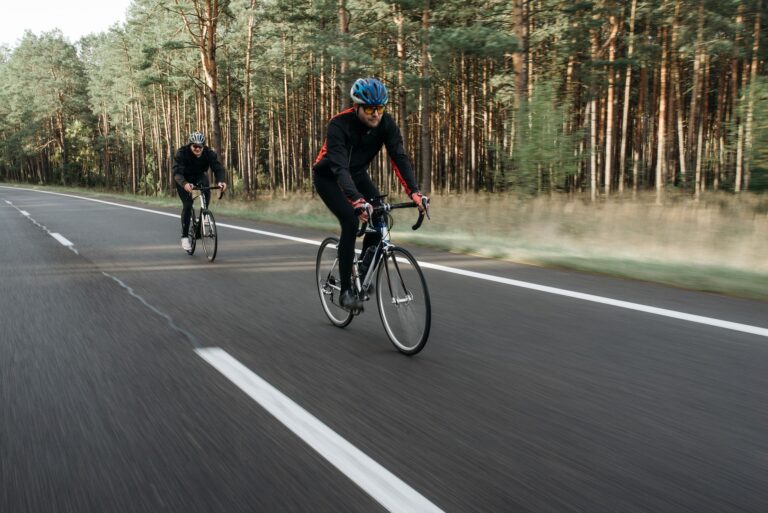
E-bike power and weight change how they handle compared to regular bikes, requiring families to plan for safety before they buy.
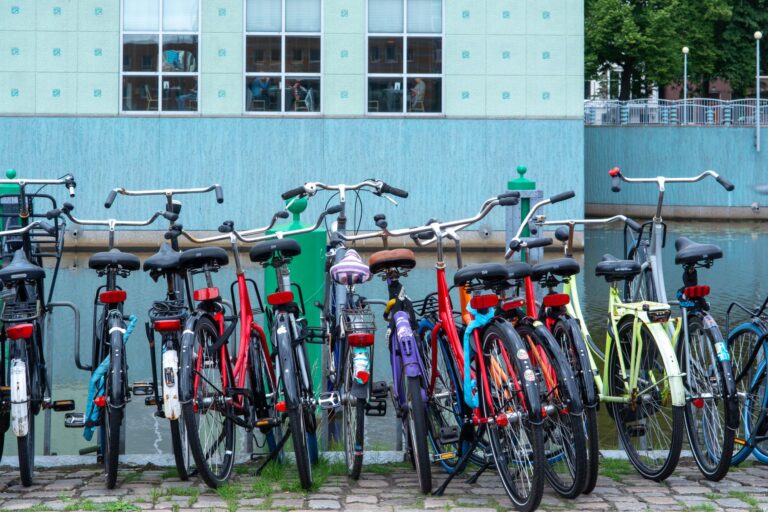
E-bike costs range from $600 to $8,000, helmet rules vary by class and state, and injury rates have jumped dramatically—here's what you actually need to know.