The choice between speed and torque in BMX gearing comes down to one fundamental trade-off: larger sprockets let you pedal faster but require more effort to get going, while smaller sprockets spin easier but cap your top speed. The current industry standard is 25T/9T gearing (2.78 ratio, 54.17 gear inches), which prioritizes technical tricks and rail grinds over raw speed—a notable shift from the 44-16 racing setups that dominated the 2000s. Your sprocket choice isn’t just about personal preference; it directly impacts how your bike responds to different riding styles, terrain, and your own pedaling power.
This guide breaks down how gear ratios work, why modern freestyle riders choose different setups than racers, and how to calculate the right combination for your riding style. Understanding BMX gearing means learning why a smaller front sprocket (25T) became standard for street and freestyle—it physically can’t catch on rails and ledges the way larger chainrings do. We’ll walk through the math behind gear inches, show you real-world setups from casual riders to competition racers, and explain the tooth-count equivalencies that help you fine-tune your exact setup without buying new parts.
Table of Contents
- How Gear Ratio and Sprocket Size Control Speed vs. Torque
- Understanding Gear Inches and Rollout Measurements
- The Standard 25T/9T Setup and Why It Became Industry Standard
- Comparing High-Speed Setups vs. Torque-Favored Setups
- The Tooth Equivalency Rule and Fine-Tuning Without Buying New Sprockets
- Real-World Examples Across Different Riding Styles
- Using Gear Calculators and Adjusting Your Setup
- Conclusion
How Gear Ratio and Sprocket Size Control Speed vs. Torque
gear ratio is calculated by dividing your front sprocket teeth by your rear cog teeth, then multiplying by your wheel diameter. A higher ratio means you travel farther with each pedal revolution—giving you higher top speed but making it harder to accelerate from a standstill. A lower ratio does the opposite: less distance per pedal stroke, but easier acceleration and more mechanical advantage for tricks that require quick bursts of power. The 25T/9T standard (ratio of 2.78) represents a middle ground. Compare this to a racing setup like 28T/9T (3.11 ratio), which needs more leg power but hits higher speeds, or a beginner setup like 23T/9T (2.56 ratio), which spins much faster and requires less effort.
Historically, the industry default was 44-16 gearing for bmx racing, which produced a much harder pedal and was optimized purely for speed on packed dirt tracks. That setup would be frustrating for street tricks or flatland, where you need responsive acceleration and maneuverability. The practical consequence: if you’re a younger rider or still building leg strength, 23T/9T lets you keep up with friends on easier gearing. If you’re older, stronger, or racing, 28T/9T or higher gives you the speed advantage. The difference between setups is immediately noticeable—switching from 25T to 28T front sprocket feels like suddenly having a taller hill to climb.

Understanding Gear Inches and Rollout Measurements
Gear inches is a measurement that combines sprocket ratio with wheel diameter to tell you the actual distance your bike travels per pedal revolution. It’s the same system used on fixed-gear bikes and vintage cruisers, and it provides a single number that lets you compare any setup regardless of wheel size. A 25T/9T setup with a 20-inch wheel (standard BMX) produces approximately 54.17 gear inches—this is the number you’ll see quoted in forums and gear calculators. The reason gear inches matter is that they account for everything in one metric. Two different setups might have similar ratios but different outcomes if the wheel sizes differ, or you’re comparing 20-inch wheels to 24-inch setups.
Using a free calculator like the ones at Sheldon Brown, BMX Gear Calculator, or BMXUltra takes the math out of it, but understanding the concept helps you predict how a gearing change will feel. A setup with 55 gear inches will be noticeably harder to pedal than one with 50, assuming the same rider and wheel. However, the gear inches number doesn’t tell you about the actual terrain you ride. A high gear inch setup excels on smooth, flat ground or downhills but becomes exhausting on uphills or slow, technical sections. If your local park has steep ramps or you spend time riding streets with lots of stop-and-start riding, lower gear inches will feel more responsive, even if they cap your top speed.
The Standard 25T/9T Setup and Why It Became Industry Standard
Modern freestyle and street BMX almost universally use some variation around 25T front and 9T rear. This isn’t accident—the 25T front chainring is small enough that it doesn’t contact rails, ledges, or coping during grinds and tricks, while still providing enough teeth to get reasonable speed. In contrast, older racing setups with 44T or 48T front sprockets would immediately hit obstacles and break tricks, which is why they vanished from street riding. The 25T/9T ratio of 2.78 produces 54.17 gear inches on a 20-inch wheel, and this sits right in the sweet spot for most riders.
It’s easy enough to accelerate and start from a standstill, but high enough that you can actually reach meaningful speeds on the straights or straightaways. A full competitive jumper or ramp rider might stick closer to this, while a younger or flatland-focused rider might drop to 23T to get even easier pedaling for tricks that require rapid acceleration. What’s important to realize is that “standard” doesn’t mean “best for everyone”—it means best for the majority of freestyle riders with average leg strength and average riding styles. If you’re racing on a dirt track or pump track, you’ll want higher gearing. If you’re nine years old, just learning, or focusing on flatland tricks, lighter gearing works better.

Comparing High-Speed Setups vs. Torque-Favored Setups
A high-speed setup like 28T/9T (gear ratio 3.11) is designed for riders who want top speed and have the leg power to back it up. On a 20-inch wheel, this produces approximately 60 gear inches. You’ll feel the difference immediately: harder to accelerate and get rolling, but once you’re moving, you maintain speed longer with less pedaling effort. This setup rewards strong, consistent pedaling and punishes frequent acceleration. It’s ideal for racing, for taller riders with more leverage, or for riders who spend time on pump tracks where maintaining momentum matters. A torque-favored setup like 23T/9T (gear ratio 2.56) sits around 49 gear inches and makes every pedal stroke count toward acceleration. You can practically jump and manual easier, respond faster to line changes, and feel less leg fatigue during a long session of technical tricks.
The downside is real: you’ll hit lower top speeds, and on flats between obstacles you’ll need to pedal more frequently to maintain speed. Younger riders or those with less powerful legs benefit significantly, but advanced riders might feel limited by the ceiling. The middle ground at 25T/9T balances both concerns. You get decent acceleration for tricks but still reach respectable speeds. Most riders find this the least frustrating compromise, which explains why it’s become standard. However, if your local spot has a lot of open space or downhill runs, you might prefer the higher setup. If you’re learning tricks or riding technical street spots with lots of stops, lower gearing feels more forgiving.
The Tooth Equivalency Rule and Fine-Tuning Without Buying New Sprockets
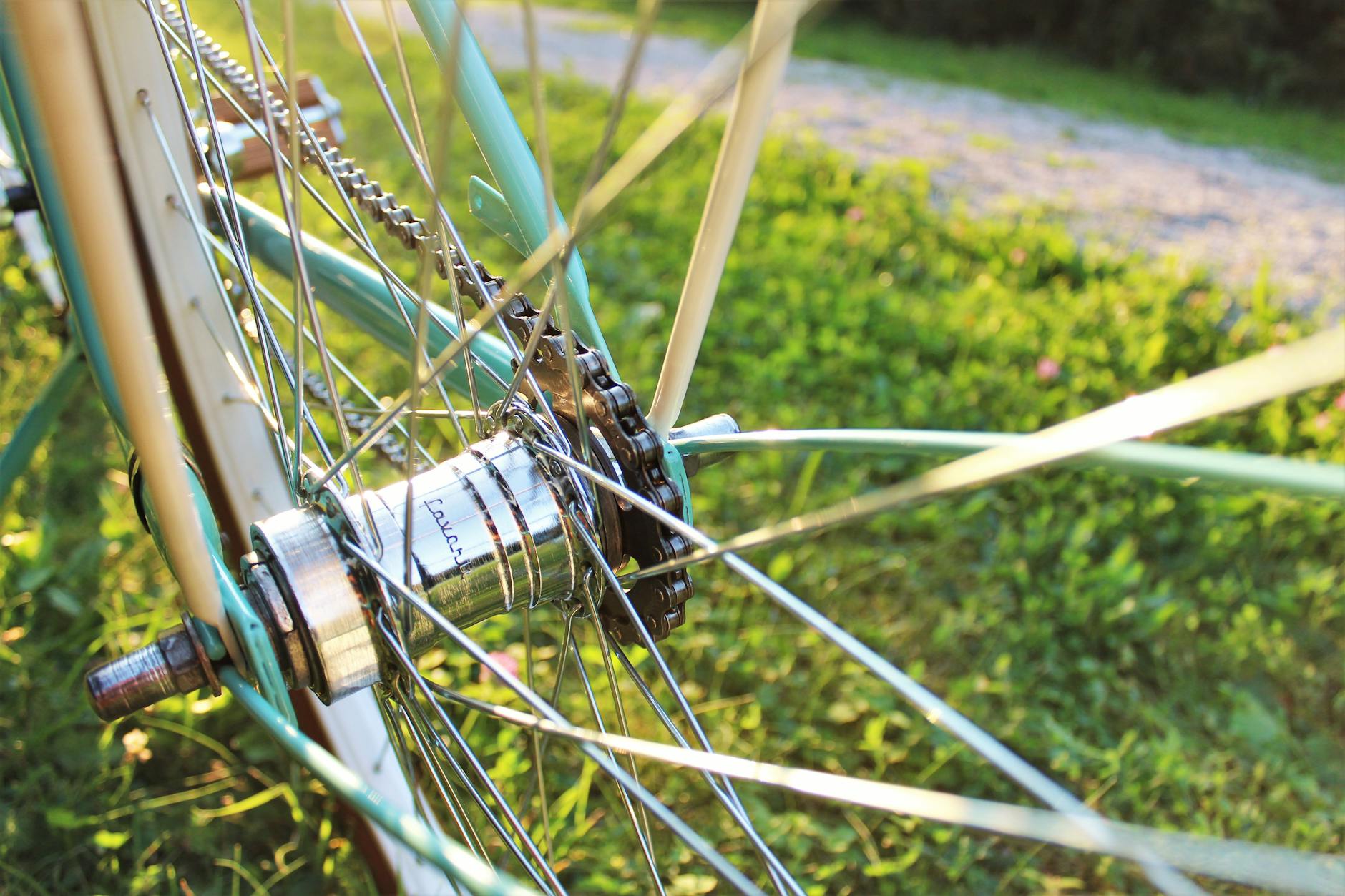
Here’s a practical hack that saves money: adding one tooth to the rear cog decreases your rollout equivalently to removing two teeth from the front chainring. Conversely, removing one tooth from the rear cog increases rollout equivalently to adding two teeth to the front. This means you can often fine-tune your gearing by swapping the rear cog (usually cheaper) instead of buying a new chainring. If you have a 25T/9T setup and find it slightly too easy, dropping to a 8T rear cog produces a harder gear equivalent to going from 25T front to 27T—without buying a new chainring. If you want it slightly easier, bumping the rear to 10T feels close to dropping from 25T front to 21T.
This equivalency isn’t exact and ignores some mechanical factors, but for quick adjustments it’s surprisingly useful. The warning here: tooth counts are limited by what manufacturers actually make. Not every tooth count exists, and some combinations cause chain length or clearance issues. Before making changes, verify your new combo will fit your frame and drivetrain. Most modern BMX frames support standard setups, but custom builds or older frames sometimes have tight tolerances.
Real-World Examples Across Different Riding Styles
A competitive BMX racer might run 28T/9T or even 30T/9T to maximize speed on packed dirt, accepting that tricks and maneuverability aren’t the priority. A street rider tricks heavy will probably stick with 25T/9T or even go lighter like 24T/9T if their park is technical. A ten-year-old just getting into BMX would benefit from 23T/9T, which spins easy and builds confidence without requiring leg strength they might not have yet.
A flatland specialist doing manual combos for five minutes straight might drop to 22T/9T to keep the crank spinning without exhaustion. The key is testing when possible. If a friend has a different setup, ask to ride their bike for a session—you’ll immediately feel whether you prefer easier or harder gearing. Most shops or experienced riders also know the “standard” for your local scene, and that’s a solid starting point before you customize.
Using Gear Calculators and Adjusting Your Setup
Several free online tools help you compare setups without math. Sheldon Brown’s Bicycle Gear Calculator, BMX Gear Calculator, BMXUltra’s Gear Calculator, and Dan’s Comp’s BMX Gear Calculator all let you input sprocket sizes and wheel diameter to see gear inches, rollout distance, and how different combinations compare. These are worth bookmarking—they eliminate guessing and let you plan changes before spending money.
As you progress in BMX, your preferences will likely evolve. Younger riders often find lower gearing more forgiving, while older or stronger riders gravitate toward harder gearing for speed and efficiency. The industry standard of 25T/9T exists because it serves most riders well, but it’s not a law. Experimentation and borrowing friends’ bikes to test different setups is the best way to dial in what works for your body, your local terrain, and your riding style.
Conclusion
BMX gearing is a straightforward speed-vs.-torque trade-off: bigger sprockets go faster, smaller sprockets accelerate easier. The current industry standard of 25T/9T (2.78 ratio, 54.17 gear inches) works for most freestyle and street riders because it balances both priorities and the small front sprocket won’t catch on tricks. For racing, you’ll want higher gearing like 28T/9T. For learning or technical riding, lower gearing like 23T/9T feels more responsive. Your first step is to understand what your local riding requires.
If your spot is flat and open, higher gearing rewards you with speed. If it’s technical street with lots of tricks, lower gearing gets you rolling faster for tricks. The tooth equivalency rule—one rear tooth equals roughly two front teeth—lets you fine-tune without buying new sprockets. Use free online calculators to compare setups, and don’t hesitate to ask experienced riders in your area what they run and why. The “right” gear ratio is the one that matches your riding style, leg strength, and local terrain.