The best protective gear for beginners learning BMX tricks is a complete system: a quality helmet paired with gloves, knee pads, elbow pads, and shin guards. This isn’t just insurance against the occasional tumble—it’s the difference between a scraped palm and a trip to the emergency room. When a new rider is learning a new trick, they’re not just falling; they’re falling unpredictably, often backward or sideways, in positions their body isn’t ready for.
Proper gear catches those high-consequence falls before they become serious injuries. This article covers the essential protective equipment every BMX beginner should wear, explains why each piece matters, and helps you identify gear that actually works for learning tricks rather than just looking the part. We’ll walk through helmet types, hand protection, joint pads, shin guards, and how modern BMX safety has evolved in 2026 to keep riders safe during the critical learning phase.
Table of Contents
- Why Helmets Are Non-Negotiable for Learning BMX Tricks
- Why Hand Protection Matters More Than Beginners Think
- Protecting Your Joints—Knees and Elbows for Trick Learning
- Don’t Overlook Shin Protection When Practicing Tricks
- How Modern BMX Safety Has Evolved in 2026
- Building Your First Safety Kit—What to Buy First
- Starting Strong—How Proper Gear Builds Confidence and Faster Progression
- Conclusion
Why Helmets Are Non-Negotiable for Learning BMX Tricks
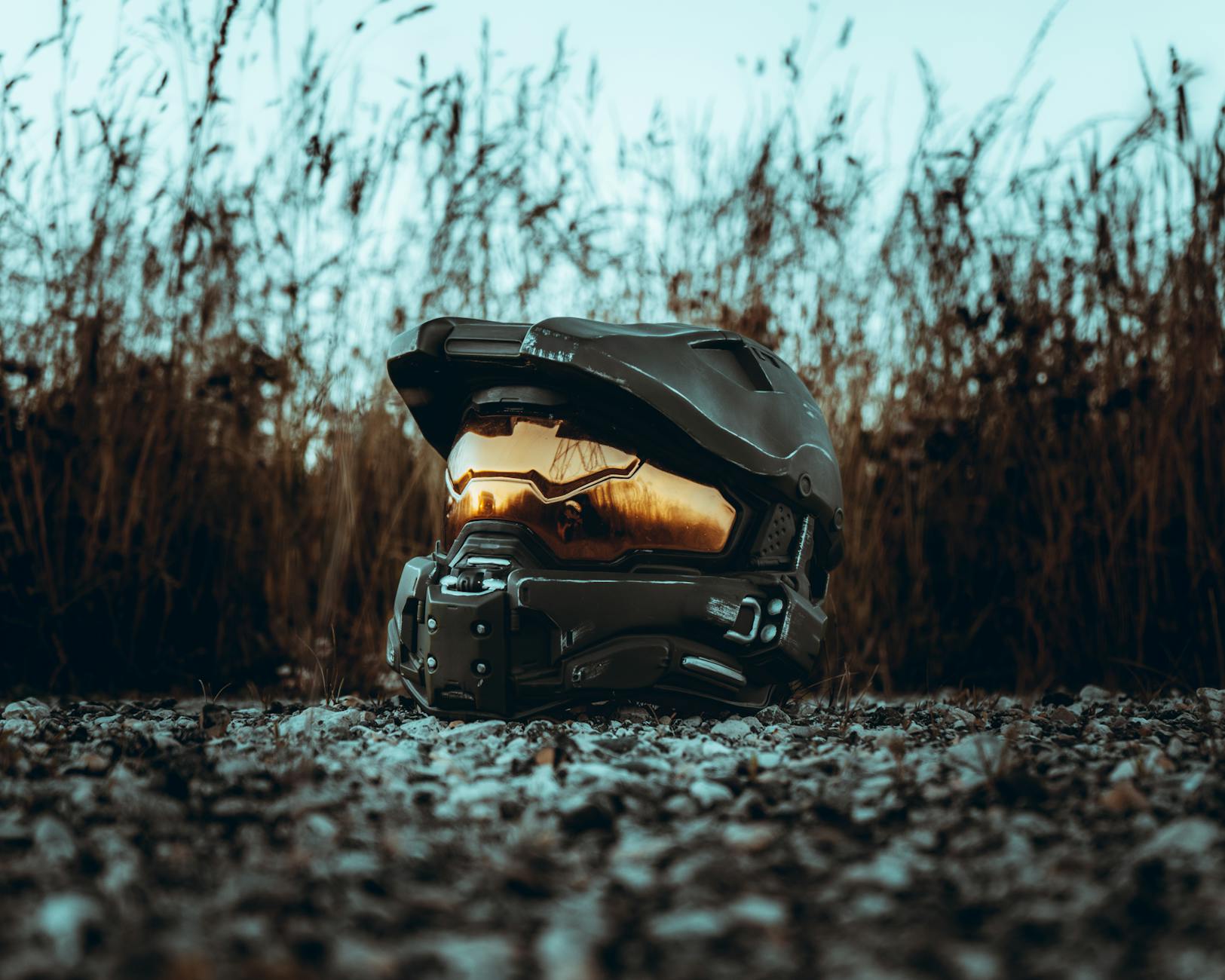
Head injuries are the most serious risk in bmx riding, especially during the early learning phase when falls happen backward or sideways—the kinds of impacts that threaten the head. A helmet isn’t optional gear you graduate out of; it’s the single most important purchase you’ll make. The choice between helmet types, however, does matter based on what you’re learning.
Full-face helmets provide maximum protection and are standard for racing, but they’re overkill and actually counterproductive for freestyle and street riding where you need to feel your balance and see clearly around you. Open-face helmets are what you want for learning tricks—they protect your head during impact while keeping you mobile and aware. The trade-off is that you lose some face protection, but for someone learning 180s and manuals, that’s an acceptable exchange. Make sure whatever helmet you choose fits snugly without pinching and sits low on your forehead, not pushed back on your skull.
Why Hand Protection Matters More Than Beginners Think
When riders fall, their natural instinct is to catch themselves with their hands. This reflex saves your wrists from breaking, but it fills your palms with gravel and leaves you with the kind of road rash that stings for weeks. Good gloves prevent that injury entirely and protect your hands during the inevitable catches and slips while you’re dialing in tricks.
Shadow Conspiracy VVS Gloves are specifically designed for BMX and are preferred by serious riders learning tricks because they’re thin enough to feel your handlebars and brake levers—critical when you’re developing the bike handling skills that tricks demand. Bulky gloves make it harder to develop feel for your bike, which slows your progress. Look for gloves with reinforced palms and knuckle coverage, but avoid anything so thick that it interferes with your grip or brake sensitivity. The gloves need to protect without getting in the way of learning.
Protecting Your Joints—Knees and Elbows for Trick Learning
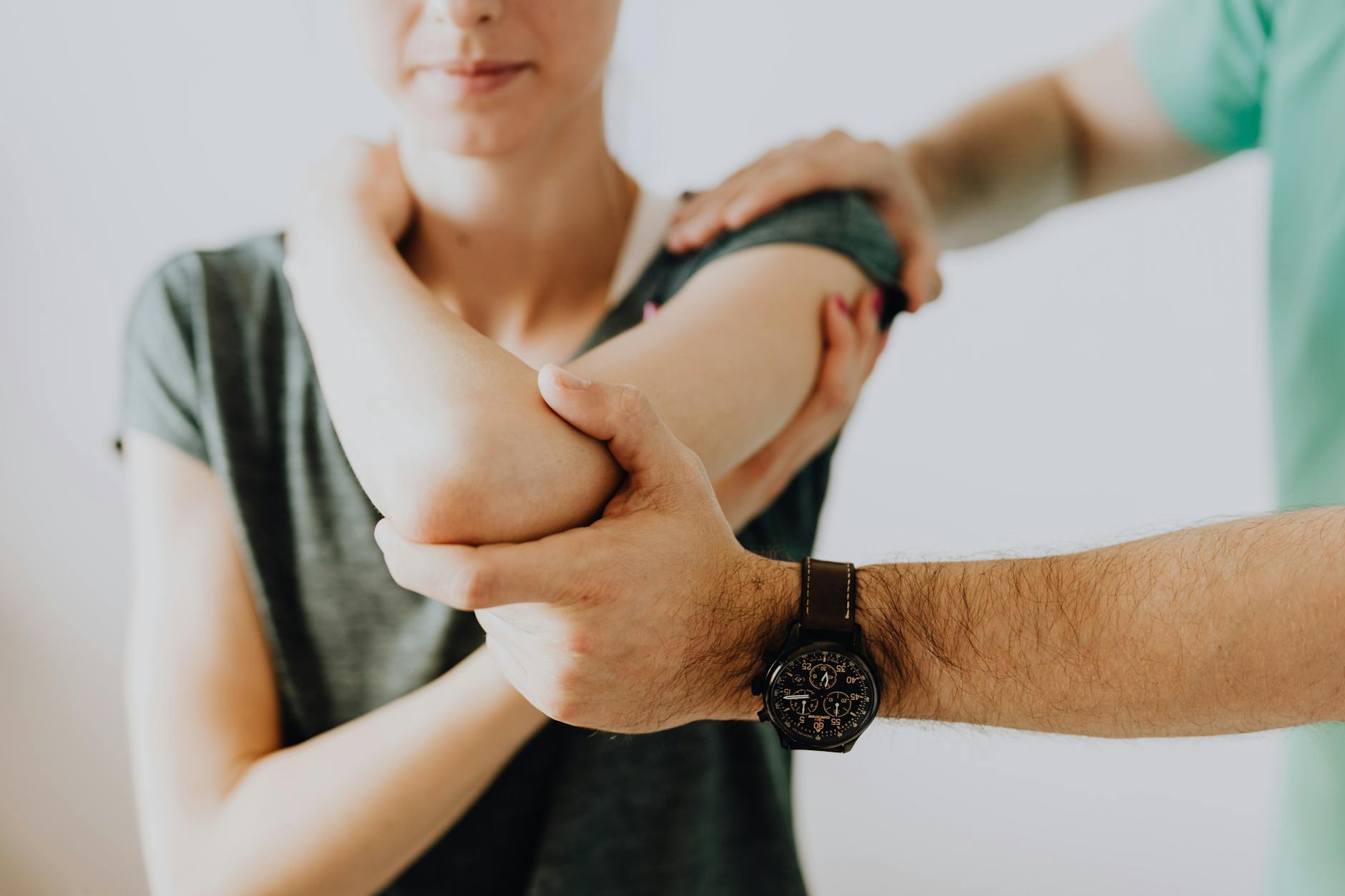
Your elbows and knees take repeated impacts when you’re learning tricks. You’ll land tricks wrong, slide out, and generally take falls that smack these joints against concrete. Knee and elbow pads use a combination of hard plastic shells on the outside (to distribute impact and slide over pavement) and soft foam padding underneath (to absorb the shock). This design lets your joints flex naturally while staying protected.
The hard plastic isn’t there to bounce you off the ground; it’s there to slide over pavement without catching and to spread the force of impact across a wider area instead of concentrating it on a small point. Foam padding alone would compress under impact and offer minimal protection. Neither component works alone, which is why cheap pads that are just foam are nearly useless. When you’re learning tricks, you need both: the shell to manage the skid and the padding to manage the force. A good set should feel secure without cutting off circulation or limiting your ability to bend your legs.
Don’t Overlook Shin Protection When Practicing Tricks
Pedal bites—where your shin connects with the pedal during a missed trick or a bail—are painful enough to make you hesitant about trying again. Crank strikes happen the same way, and they hurt enough to discourage progression. Shin guards protect against both and often go overlooked because they’re less visible than helmet or knee pads.
However, if you’re learning tricks on your own bike, shin protection becomes essential quickly because you’re going to catch yourself on those pedals. Shadow Invisa-Lite shin guards are popular specifically because they’re slim neoprene sleeves with targeted padding that can be worn under pants—important for older kids and teens concerned about looking like they’re wearing full protective armor. They don’t bulk you up like hard plastic shin guards, but they cushion pedal strikes enough to keep you progressing without fear. The trade-off is that they offer less protection than hard-shell options, but for someone focused on learning tricks rather than racing downhill, the minimalist approach often wins because you’re more likely to actually wear them.
How Modern BMX Safety Has Evolved in 2026
Protection has shifted from being just about absorbing falls to preventing them in the first place. The 2026 trend in BMX safety emphasizes a proactive ecosystem where riders learn tricks with lower injury risk built in from the start. Inflatable training surfaces have become popular for high-repetition trick practice, letting you attempt the same trick dozens of times without the concrete impact that makes riders gun-shy about trying again.
This doesn’t replace outdoor riding and real concrete progression, but it changes how serious beginners train. You can dial in your technique on a forgiving surface, build muscle memory, and develop confidence before you hit concrete where mistakes hurt. Combined with full protective gear, this approach accelerates learning because you’re not holding back due to fear of injury. The downside is that inflatable surfaces aren’t as responsive as concrete, so you need both: soft surfaces for reps and real surfaces for final progression.
Building Your First Safety Kit—What to Buy First
If you’re starting from scratch, buy in this order: helmet first (non-negotiable), then gloves (most frequently scraped), then knee pads and elbow pads together (joint protection), then shin guards (prevents the most frustrating injury—the pedal bite). You don’t need expensive gear to start, but you do need complete gear. A cheap helmet is better than no helmet, but a cheap helmet is worse than a good helmet, so prioritize quality there.
Don’t buy “protective gear sets” that bundle everything together at a discount price—they’re usually compromised on all fronts. Instead, spend a bit more on each item individually. Your hands and shins will thank you after the first few crashes, and you’ll be more likely to wear gear that actually fits and protects rather than gear that’s uncomfortable enough that you skip it.
Starting Strong—How Proper Gear Builds Confidence and Faster Progression
Riders who start with proper gear progress faster because they’re not afraid of falling. This might sound counterintuitive—shouldn’t fear make you more cautious?—but in BMX, fear makes you hesitant right at the moment you need commitment. A rider wearing nothing holds back on takeoff, lands short on the landing, and crashes anyway. A rider in proper gear goes all in, lands right, and sticks the trick.
The other long-term benefit is that you avoid the early injuries that create mental blocks. A bad crash on your shins might make you hesitant about trying the same trick for weeks. Avoid that crash with a shin guard, and you’re progressing instead of nursing an injury that undermines confidence. In 2026, we’re seeing more riders start this way—protected from day one—and the progression curves are noticeably steeper because they’re not stopping to heal from preventable injuries.
Conclusion
The best protective gear for learning BMX tricks isn’t about looking locked in or following what pro riders wear. It’s a practical system designed around the specific injuries beginners face when they’re learning: head impacts, hand scrapes, joint impacts, and pedal strikes. A quality helmet, gloves, knee and elbow pads, and shin guards give you the complete protection you need to progress without fear of the crashes that happen on the way to landing tricks.
Start with this foundation, wear it every time you ride, and focus on progression. The gear works, but only if you have it on when you need it. Buy pieces that fit well and don’t interfere with your ability to feel your bike and develop skills. Once you’ve got this system dialed, you can adjust based on what hurts most during your learning curve—some riders add more shin protection, others upgrade gloves—but you’ll be building on a solid base.