BMX bike maintenance is straightforward and doesn’t require specialized skills or expensive tools. The primary goals are simple: keep your parts lasting longer, maintain optimal performance, and stay safe while riding. You can complete a thorough weekly check in about five minutes by verifying all bolts on your handlebars, stem, cranks, pedals, and axles are tight, then move on to monthly cleaning and chain lubrication as needed. This article covers the essential maintenance routines that will keep your BMX ready for street, dirt, or park riding, along with the specific techniques and schedules that prevent common wear problems before they become expensive repairs or safety hazards.
Table of Contents
- Why Weekly Bolt Checks Are Non-Negotiable for BMX Riders
- Chain Maintenance and Lubrication Strategy for Different Conditions
- Brake Pads, Cables, and Responsive Stopping Power
- Tire Pressure for Optimal Control and Performance
- Frame and Structural Integrity Inspection
- The Essential Maintenance Tool and What It Does
- Monthly Deep Cleaning and Long-Term Preservation
- Conclusion
- Frequently Asked Questions
Why Weekly Bolt Checks Are Non-Negotiable for BMX Riders
Every bmx frame experiences vibration and impact during riding, which gradually loosens critical bolts that hold your bars, stem, and pedals in place. Spending five minutes each week checking these connection points prevents dangerous situations—like your handlebars slipping forward mid-trick or your cranks coming loose during a line. The handlebar bolts are particularly important: tighten them in an X pattern to apply even pressure, which ensures the bars stay centered and don’t slip. This cross-pattern tightening is far more effective than random tightening, as it distributes load evenly across all four bolts and prevents the bars from tilting to one side.
Your multitool with Allen keys is the only tool required for this job, making weekly maintenance genuinely accessible. Check the stem bolts, which keep your fork connected to the frame, and verify your pedals haven’t loosened before your next session. If you’re riding rough terrain or doing tricks that generate significant impact, consider checking bolts twice weekly rather than waiting a full seven days. Many riders discover a loose crank or handlebar bolt only after it causes a crash—catching these problems proactively eliminates that risk entirely.
Chain Maintenance and Lubrication Strategy for Different Conditions
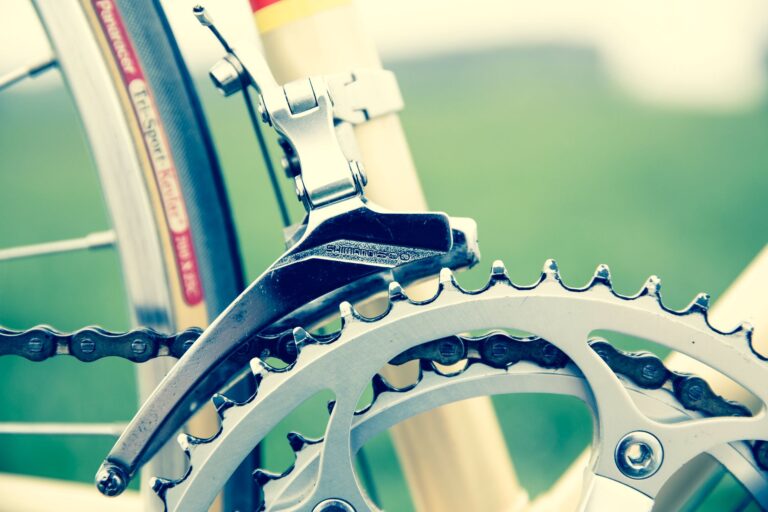
Your chain’s health directly determines how smoothly your bike pedals and how long individual links last before requiring replacement. Lubricate your chain every two weeks during normal riding conditions, but shorten that interval significantly if you ride in wet, muddy, or snowy conditions—apply fresh lubricant and clean the chain after every session in harsh weather. For those riding daily on pavement in dry conditions, once-weekly lubrication typically suffices. The key is recognizing that maintenance frequency depends entirely on your riding environment, not just elapsed time.
The application technique matters as much as the frequency. Apply lubricant to each individual link, let it penetrate for a moment, then wipe away excess lubricant with a clean cloth. This approach prevents dirt and debris from accumulating on the chain, which dramatically accelerates wear. Too much lubricant attracts grime and creates a grinding paste that damages your sprockets and chainring; too little leaves the chain dry and prone to rust in wet conditions. The small extra effort of applying link-by-link rather than spraying the entire chain in one pass pays dividends in chain longevity.
Brake Pads, Cables, and Responsive Stopping Power
If your BMX bike has brakes, check pad wear and cable tension weekly to ensure your levers respond crisply and provide consistent stopping power. Brake pads wear unevenly depending on your riding style and terrain, so inspecting them regularly prevents situations where one pad is substantially thinner than the other, which causes pulling to one side. A properly maintained brake system gives you precise control during tricks and ensures you can stop reliably when needed—something many riders overlook until they realize their brakes are barely functional.
Cable tension is equally critical. If your brake lever feels mushy or requires excessive hand pressure to stop, the cable has likely stretched and needs tightening. Most BMX brakes use a simple barrel adjuster on the lever or at the brake caliper, allowing you to fine-tune tension in seconds without special tools. However, if cable tension can’t be resolved with the adjuster, the cable may be nearing end-of-life and requires replacement—a task within reach of most DIY riders but straightforward enough to take to a shop if you’re uncomfortable with it.
Tire Pressure for Optimal Control and Performance
Tire pressure is one of the most misunderstood aspects of BMX maintenance, yet it has a dramatic effect on how your bike feels and performs. Street and dirt riding typically calls for 40–60 PSI, while park riding benefits from pressures up to 100 PSI for increased responsiveness and reduced rolling resistance on smooth concrete. The difference is significant: higher pressure makes your bike feel snappier and lighter off the ground during tricks, while lower pressure provides more grip and shock absorption for rougher terrain. Understanding the difference between these pressures allows you to adjust for different riding sessions throughout the week.
Check your tire pressure weekly with a reliable floor pump that includes a gauge, as your tires naturally lose air over time—a bike sitting unused for two weeks might lose 5–10 PSI depending on your tires. Most BMX tires state their pressure range on the sidewall, giving you a clear target. Over-inflated tires feel harsh and reduce grip; under-inflated tires feel sluggish and can cause pinch flats. Finding your preferred pressure within the recommended range takes experimentation, but once you dial it in, maintain it consistently for the best feel.
Frame and Structural Integrity Inspection
Your frame is the foundation of the entire bike, and damage here is far more serious than a worn chain or flat tire. Inspect your frame, forks, and bars regularly for cracks or dents, paying special attention to areas near welds where stress concentrates and failures are most likely. Early detection of a developing crack prevents catastrophic failure mid-trick, which could result in a serious crash or injury.
Many riders neglect this check because they can’t see obvious damage, but small cracks grow rapidly under repeated impact and vibration. If you spot a crack, the damage is generally irreparable—BMX frames are designed for replacement rather than welding repair, as the heat and stress of rewelding can weaken the structure. Prevention is far better than dealing with a frame failure during your session. Monthly visual inspections under good light, especially after crashes or heavy impact sessions, catch problems early while your options are still available.
The Essential Maintenance Tool and What It Does
A multitool with Allen keys is the primary tool needed for nearly all BMX maintenance tasks. Use it to tighten stem bolts, adjust brake calipers, check crank bolts, and verify handlebar tension. Having a quality multitool that fits your bike’s bolt sizes eliminates excuses for skipping maintenance checks—it’s small, portable, and requires no special knowledge to use effectively.
Many riders keep a multitool in their backpack for track-side adjustments or emergency repairs. Beyond the multitool, you’ll benefit from a floor pump with a gauge for tire pressure, a degreaser for monthly deep cleaning, and a chain-specific lubricant. These items are inexpensive and widely available, and they transform maintenance from a frustrating guessing game into a straightforward routine.
Monthly Deep Cleaning and Long-Term Preservation
Once a month, wash your entire bike with mild soap and water, focusing on the chain, cranks, sprockets, and wheel hubs where dirt and grime accumulate. This monthly deep clean reveals emerging problems—loose bolts, worn chains, pad wear—before they escalate.
After washing and rinsing thoroughly, dry the bike completely and apply fresh lubricant to all moving parts, paying special attention to the chain and brake cables. This monthly rhythm complements your weekly bolt checks and bi-weekly chain lubrication, creating a maintenance system that prevents problems rather than reacting to them. Many riders find that this regular care extends part life by 50% or more compared to bikes that receive maintenance only after something breaks.
Conclusion
BMX bike maintenance comes down to three core principles: checking all bolts weekly, keeping your chain clean and lubricated, and performing monthly deep cleaning. These three practices directly support the three reasons maintenance matters: longer part longevity, optimal performance, and rider safety.
A five-minute weekly check using only a multitool, combined with monthly washing and regular chain care, keeps your bike ready for riding and catches problems before they become serious. Start with weekly bolt checks this week, add chain lubrication into your routine next week, and schedule your first monthly deep clean for the end of the month. After four weeks of consistent maintenance, you’ll notice your bike feels smoother, shifts better, and stops more reliably—changes that justify the minimal time investment required.
Frequently Asked Questions
How often should I replace my BMX chain?
Most BMX chains last between one and two years with proper maintenance, but worn chains develop stiff links and skip under load. Regular lubrication extends chain life significantly; neglected chains wear out in months. Replace when you notice skipping, stiff links, or visible rust that won’t clean away.
What tire pressure should I use for tricks in the park?
Park riding typically uses pressures up to 100 PSI for maximum responsiveness and lighter feel on smooth concrete. Start at 80 PSI and adjust up or down based on how the bike feels during your session.
Do I need to clean my chain every time I lube it?
Not necessarily. In dry conditions, a quick wipe with a rag and fresh lubricant is sufficient. However, after riding in wet or muddy conditions, a more thorough cleaning with degreaser prevents grime buildup that accelerates wear.
Can I skip weekly bolt checks if my bike feels fine?
Bolts loosen gradually without warning, and a seemingly fine bike can suddenly have loose bars or pedals mid-ride. Weekly checks catch problems before they become safety hazards. Five minutes weekly is far better than discovering a problem the hard way.
What should I do if I find a crack in the frame?
Stop riding the bike immediately. Frame cracks propagate quickly under stress and can fail suddenly, causing a crash. Frame damage is generally not repairable and requires frame replacement.
Is one type of chain lubricant better than another?
Wet lubes are best for wet/muddy conditions but attract more dirt; dry lubes work well in dry conditions but wash away quickly in wet weather. Choose based on your primary riding conditions, or keep both on hand and switch seasonally.