The best bike cleaning kits for home maintenance start with the fundamentals: a frame cleaner, drivetrain degreaser, protective coating, quality brushes, and bike lubricant. The mountainFLOW Bike Maintenance Kit ($99.95) and Muc-Off 8 in 1 Kit represent the top tier of all-in-one solutions, each providing everything you need to keep your bike clean and protected without shopping across multiple brands. If you’re just starting, the Muc-Off Indoor Training Kit offers a more affordable entry point at $34.99, while the Focopot Bike Cleaning Kit provides a solid middle-ground option with plant-based ingredients for environmentally conscious riders. This article covers the specific kits worth considering, what components actually matter for effective cleaning, how to choose based on your bike type and maintenance level, and why some riders opt for premium kits while others find the budget options sufficient.
Table of Contents
- What Makes a Complete Bike Cleaning Kit?
- Price Range and What Different Budget Tiers Offer
- Specialized Kits for Different Riding Conditions
- Building Your Cleaning Routine with the Right Kit
- Avoiding Common Cleaning Mistakes
- Eco-Friendly and Sustainable Cleaning Options
- Long-Term Value and Investment in Bike Maintenance
- Conclusion
What Makes a Complete Bike Cleaning Kit?
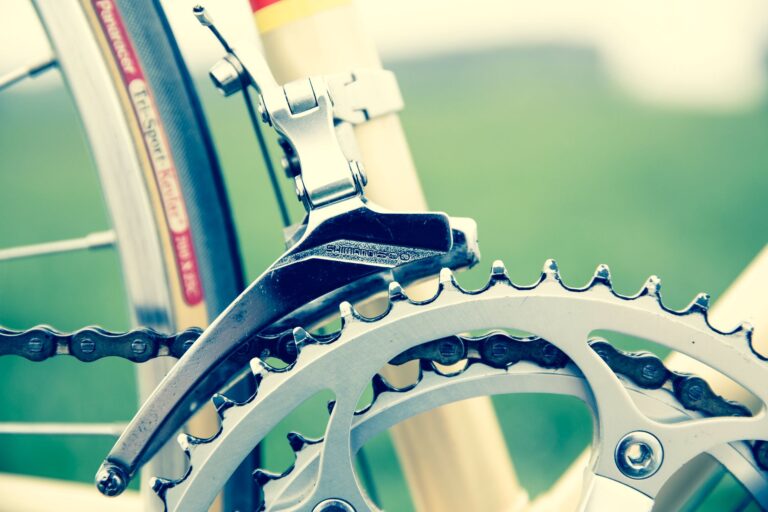
A complete cleaning kit needs to address three distinct areas of your bike: the frame, the drivetrain, and the wheels. The frame requires a cleaner that‘s safe on paint and decals but aggressive enough to cut through road film and dried mud. The drivetrain—chain, cassette, and derailleurs—demands a dedicated degreaser to break down accumulated grime that regular soap won’t touch. Finally, most good kits include a protective coating that reduces how quickly dirt builds up again, extending the time between deep cleanings.
The essential brushes make the difference between a frustrating cleaning session and one that actually gets your bike clean. Soft washing brushes handle the frame without scratching, detailing brushes fit into tight spaces around the drivetrain, claw brushes scrub chain links effectively, and gear brushes target the cassette teeth. The mountainFLOW kit includes bamboo brushes alongside its cleaner, degreaser, polish, and grease, while Muc-Off’s 8 in 1 offering provides seven different brush types plus two spray products and a storage tub. A kit without adequate brushes forces you to improvise with toothbrushes or old rags, which wastes time and often leaves dirt behind in hard-to-reach areas.
Price Range and What Different Budget Tiers Offer
Muc-Off kits range from $39.99 to $319.99, and the price doesn’t always correlate with how useful a kit is for typical home maintenance. The Indoor training Kit at $34.99 (marked down 37% from $55.49) includes a cleaner and spray, making it ideal if you already own basic brushes or only need to maintain a bike used indoors on a trainer. However, if you’re maintaining a bike that sees outdoor conditions, you’ll need a degreaser too, which shifts you toward a mid-range kit around $80–$120.
The catch with very affordable kits is that they often omit the protective coating that prevents rust and reduces future cleaning time. The mountainFLOW kit includes bike polish alongside its cleaner and degreaser, making the $99.95 price point a genuine all-in-one solution rather than a starter kit you’ll outgrow. Mid-range Muc-Off bundles sit in the sweet spot for most riders: they exceed the $140 value in component costs while staying under $120 retail, bundling together proven products rather than forcing you to assemble components from different manufacturers.
Specialized Kits for Different Riding Conditions
Not every kit suits every bike. Road bikes accumulate fine dust and brake residue but rarely encounter the heavy mud that mountain bikes do. Gravel bikes and mixed-use bikes occupy a middle ground, facing mud, sand, and dust.
The Focopot kit’s emphasis on drivetrain cleaning—with dedicated chain lubricant, gear brush, and gear hook—makes it particularly well-suited for mountain bikes and gravel bikes where the drivetrain takes the worst beating. The Muc-Off Indoor Training Kit shows a different specialization: it’s designed specifically for bikes mounted on stationary trainers, where frame cleaning matters more than deep drivetrain degreasing since the bike isn’t exposed to road grime. If you train indoors in winter and ride outdoors in summer, you might actually want two kits rather than forcing one to do both jobs well. The Nano Tech Bike Cleaner in Muc-Off’s larger kits also appeals to riders who want advanced chemistry—the cleaner is formulated to work on wet or dry surfaces and includes corrosion inhibitors, which is worth the extra cost if you ride in wet conditions or near salt water.

Building Your Cleaning Routine with the Right Kit
Starting with a complete kit is smarter than buying pieces separately because it teaches you what each product does and how the tools work together. Using the mountainFLOW kit as an example: you’d use the wash and degreaser during the main cleaning, applying the protective polish afterward to create a water-repellent barrier. This sequence is built into how the kit’s products work with each other.
If you instead mixed and matched products from different brands, you risk chemically incompatible products that leave streaks or residue. The self-contained recycled plastic container that mountainFLOW includes doubles as a wash basin, which is a practical feature often overlooked in kit reviews. It lets you submerge brushes, dip your sponge, and contain your messy cleaning water in one place, transforming a frustrating sprawl of bottles and tools across your garage into an organized station. The Muc-Off storage tub serves a similar function, keeping everything together between cleaning sessions so you’re not hunting for your brushes next time you need them.
Avoiding Common Cleaning Mistakes
The most common mistake is skipping the degreaser and relying only on general-purpose cleaner on a dirty drivetrain. Regular bike wash doesn’t break down the stubborn chain grease that traps dirt and accelerates component wear. Every kit worth buying includes a degreaser specifically because this step is non-negotiable. However, if you use a degreaser, you must follow up with fresh chain lubricant afterward, or your chain will squeak and rust. Buying a kit that includes lubricant ensures you don’t make the mistake of degreasing and then forgetting to re-lubricate.
Another mistake is over-cleaning. Frequent deep cleaning stresses components unnecessarily and washes away protective coatings faster than they apply them. A practical rhythm is a full deep clean with your kit once every 3–4 weeks if you ride regularly, with quick rinses and spot cleaning in between. The protective coatings included in better kits aren’t magic, but they reduce how fast dirt accumulates, so you’re not perpetually chasing clean. Focopot’s plant-based degreaser appeals partly because it’s gentler on seals and bearings than some industrial-strength degreasers, meaning you can clean more frequently without worrying about stripping protective lubricants from your drivetrain.
Eco-Friendly and Sustainable Cleaning Options
If environmental impact matters to you, the choice between kits becomes clearer. The mountainFLOW Bike Maintenance Kit uses 100% post-consumer recycled plastic for its container, eliminating single-use packaging waste. The Focopot kit goes further with a 100% natural, plant-based degreaser formula that biodegrades safely rather than creating a chemical burden in your local water system.
These eco-conscious options don’t sacrifice performance; they’re competing on equal footing with conventional kits in terms of cleaning effectiveness. The trade-off is purely one of packaging and ingredient sourcing, not product quality. If you clean your bike frequently and care about the environmental cost of your cleaning routine, these options offset a small amount of the carbon footprint of cycling itself, which doesn’t carry the same environmental burden as car maintenance but still accumulates over time for serious riders.
Long-Term Value and Investment in Bike Maintenance
Buying a good kit upfront costs $80–$100, but compared to the cost of replacing drivetrain components worn prematurely by poor cleaning habits, it’s an inexpensive investment. A cassette or chain replacement runs $50–$200 depending on the bike. A complete brake overhaul to address corrosion from neglected cleaning can push $300. Using a proper kit adds 6–12 months to component lifespan, paying for itself immediately.
The kit you choose should last you for 2–3 years of regular cleaning. Brushes wear out eventually and bottles empty, but many riders buy refill bottles rather than replacing entire kits. This keeps costs low once you’ve settled on a system. As your interests evolve—maybe you get a second bike, or take up winter riding—you might add a second kit rather than buy bigger. The bicycle maintenance industry continues to innovate toward less toxic, more effective formulations, so older kits sometimes get replaced by new favorites, but a solid all-in-one kit from a reputable brand like mountainFLOW or Muc-Off will serve you well regardless of what comes next.
Conclusion
The best bike cleaning kits for home maintenance combine a frame cleaner, drivetrain degreaser, protective coating, and specialized brushes in one organized package. The mountainFLOW Bike Maintenance Kit at $99.95 and Muc-Off’s 8 in 1 Kit lead for completeness and durability, while the Muc-Off Indoor Training Kit offers an affordable entry point at $34.99. Choose based on your bike type—road bikes benefit from lightweight, complete kits, while mountain and gravel bikes justify the deeper drivetrain focus of kits like Focopot’s.
Invest in a complete kit rather than buying products piecemeal. You’ll learn how products work together, maintain a consistent cleaning routine, and actually add months to your bike’s component lifespan. Whether you prioritize eco-friendly ingredients or maximum performance or just want something affordable that works, the market now offers solid options at every price point.