Switching from a car to a bicycle for your daily commute can save you more than $9,000 per year. That is not a typo. According to data from AAA and the League of American Bicyclists, the annual cost of owning and operating a new car runs approximately $9,561, while bicycle commuting costs roughly $308 per year. For someone earning a median income, that difference represents a staggering reallocation of money that could go toward debt payoff, retirement savings, or simply living with less financial stress. Consider a two-car household where one partner switches to cycling for a five-mile commute: that family could redirect more than $750 a month away from car payments, insurance premiums, fuel, and maintenance.
The average American spends approximately $8,466 per year on commuting costs alone, which represents about 19 percent of their annual income. Nearly one-fifth of everything you earn, consumed by the act of getting to work and back. Bicycle transportation offers a direct, proven way to reclaim a significant portion of that money. The math is not complicated, but the implications are enormous when compounded over years and decades. This article breaks down exactly where those savings come from, how e-bikes change the equation for longer commutes, what tax benefits and incentives are available in 2026, the health-related financial benefits most people overlook, and the honest limitations you should consider before selling your car.
Table of Contents
- How Much Money Can You Actually Save by Commuting by Bicycle Instead of Driving?
- Why E-Bikes Are Changing the Commuting Cost Equation
- Tax Benefits and Government Incentives for Bicycle Commuters in 2026
- How to Calculate Your Personal Commuting Savings Before Making the Switch
- The Hidden Health Savings That Most Cost Comparisons Miss
- The Broader Economic Case for Bicycle Infrastructure Investment
- What the Future of Bicycle Commuting Looks Like
- Conclusion
How Much Money Can You Actually Save by Commuting by Bicycle Instead of Driving?
The cost gap between car ownership and bicycle commuting is wider than most people realize because car expenses extend far beyond the gas pump. AAA’s cost breakdown for operating a vehicle includes fuel at roughly $867 per year, vehicle maintenance at about $410 per year, full coverage car insurance at approximately $1,771 per year, and license, registration, and taxes at around $699 per year. Operating a small sedan costs about $7,930 annually, and if you drive an SUV, that figure climbs to approximately $12,446 per year. A bicycle, by contrast, needs a new tube now and then, an annual tune-up, and the occasional replacement part. The Sierra Club and League of American Bicyclists peg total annual cycling costs at around $308. To put this in practical terms, imagine you currently drive a modest sedan to a job ten miles away. You are spending close to $8,000 a year for that privilege.
If you switch to a bicycle, your annual transportation cost drops to a few hundred dollars. Over five years, that is a difference of roughly $38,000 to $45,000. That is a down payment on a house in many markets. Over a full career of thirty years, the compounded savings and investment returns on that difference could exceed half a million dollars. The numbers are real, and they hold up to scrutiny. One important caveat: these savings assume you can actually eliminate a car rather than just parking it more often. If you still carry full insurance, make loan payments, and pay registration fees on a vehicle that sits in the driveway, the savings shrink considerably. The biggest financial wins come from households that can go from two cars to one, or from one car to none.

Why E-Bikes Are Changing the Commuting Cost Equation
Electric bicycles have expanded who can realistically commute by bike. Hills, longer distances, sweat, and arriving at work looking like you just ran a marathon — these were legitimate barriers that e-bikes have largely eliminated. And the cost savings remain dramatic. E-bikes cost only about $200 per year to operate and maintain, versus over $3,000 for a car. The electricity to charge an e-bike averages just $21 per year. Compare that to the $2,600 or more that the average driver spends annually on gasoline. The adoption numbers reflect this shift.
E-bike sales jumped 240 percent between 2019 and 2021, and 22.5 percent of e-bike owners in the United States now use their e-bikes for daily commuting. These are not weekend recreational riders. These are people who have done the math and decided that pedal-assisted transportation makes more financial sense than sitting in traffic. However, e-bikes do require a higher upfront investment than traditional bicycles. A quality commuter e-bike typically costs between $1,500 and $3,500, and battery replacements every few years can run $400 to $800. If you are comparing a $300 used bicycle to a $2,500 e-bike, the traditional bike wins on pure cost. The e-bike’s advantage is that it makes bike commuting viable for people who would otherwise never consider it — those with longer commutes, physical limitations, or hilly terrain. If the alternative is continuing to drive a car, the e-bike pays for itself within a few months.
Tax Benefits and Government Incentives for Bicycle Commuters in 2026
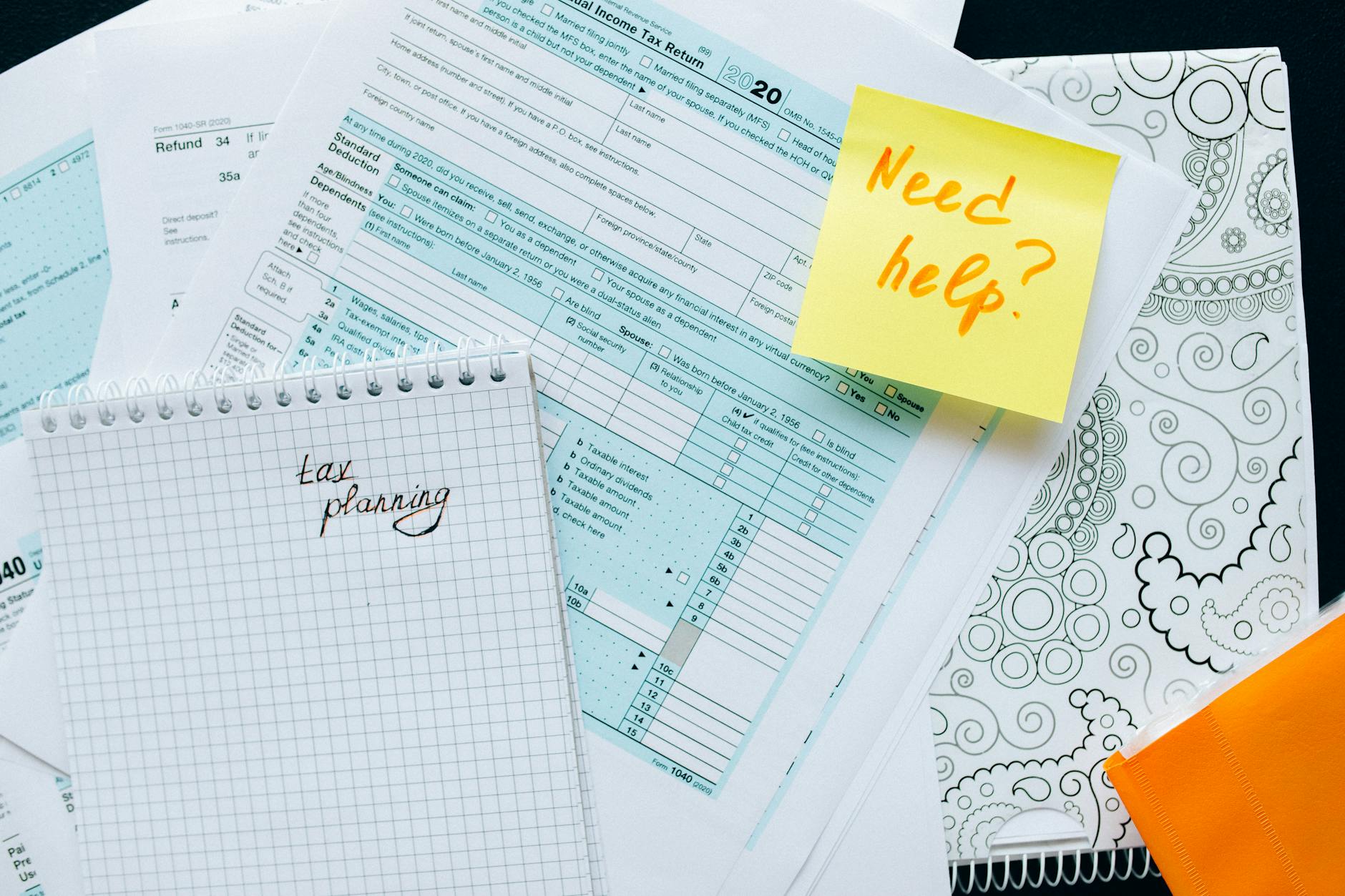
The financial case for bike commuting gets even stronger when you factor in available tax benefits and incentives. Federal e-bike tax credits of up to $900 have been available for e-bike purchases, with many states offering additional rebates ranging from $200 to $1,500. Depending on where you live, you could offset a significant portion of your initial e-bike investment through these programs. There is also encouraging news on the employer benefit front. The Bicycle Commuter Tax Benefit, which was suspended under the Tax Cuts and Jobs Act, is set to return in 2026 at $20 per month for qualified bicycle commuting expenses, assuming no further legislative changes.
While $20 per month may sound modest, it covers most routine bicycle maintenance costs. For context, the federal qualified transit and vanpool benefit for 2026 is $340 per month pre-tax, which highlights how far the cycling benefit still has to go to reach parity. Senator Peter Welch has introduced a bicameral bill to reinstate and modernize the bicycle commuter tax benefit, which could increase the monthly amount and expand what qualifies. A specific example: if you live in a state like Colorado or California that offers a $1,000 e-bike rebate, and you claim a $900 federal tax credit, you could purchase a $2,500 e-bike for an effective out-of-pocket cost of $600. That $600 investment would then save you thousands of dollars per year in avoided car expenses. Check your state and local government websites for current rebate programs, as these change frequently and vary widely by jurisdiction.
How to Calculate Your Personal Commuting Savings Before Making the Switch
Before you commit to bicycle commuting, run your own numbers rather than relying on national averages. Start by documenting what you actually spend on car commuting each month. Include your car payment or the monthly depreciation on a paid-off vehicle, insurance premiums, fuel costs for your specific commute, parking fees, tolls, and maintenance. Many people underestimate their true driving costs because the expenses are spread across multiple bills and payment schedules. Then estimate your bicycle commuting costs. A reliable commuter bicycle costs between $400 and $1,200. Budget $150 to $300 per year for maintenance, including tires, brake pads, chain replacements, and an annual tune-up. You will also need gear: lights, a lock, rain gear, and possibly panniers or a rack.
A reasonable first-year setup cost is $600 to $1,500 for a traditional bike or $1,800 to $4,000 for an e-bike. After the first year, ongoing costs drop to $200 to $400 annually. The tradeoff that deserves honest consideration is time. If your car commute takes 20 minutes and the bike commute takes 50 minutes, you are spending an extra hour per day on transportation. For some people, that hour is a welcome form of exercise and stress relief. For others, especially those with demanding schedules or caregiving responsibilities, that hour is a real cost. The financial savings are clear, but the decision is personal. A hybrid approach — cycling three days a week and driving two — still yields substantial savings while preserving flexibility.
The Hidden Health Savings That Most Cost Comparisons Miss
The most underappreciated financial benefit of bicycle commuting has nothing to do with gas prices or insurance premiums. It is the impact on your health costs and your earning potential. According to the Pedestrian and Bicycle Information Center, people who bike regularly take up to 32 percent fewer sick days, have 55 percent lower health costs, and show 52 percent increased productivity. These are not marginal gains. Fewer sick days means more reliable income, especially for hourly workers or freelancers who do not get paid time off. Lower health costs means smaller insurance claims, lower out-of-pocket medical expenses, and potentially lower premiums over time.
Increased productivity can translate into better performance reviews, raises, and career advancement. None of these benefits show up in a simple car-versus-bike cost comparison, but they are real and documented. The limitation here is that these benefits assume you are commuting safely and consistently. Cycling in dangerous traffic conditions, through extreme weather without proper gear, or without adequate bike handling skills can lead to injuries that negate the health benefits entirely. If your commute route lacks bike infrastructure, the risk calculation changes. Be honest about the safety of your specific route and invest in visibility gear, a helmet, and route planning before counting on these health dividends.

The Broader Economic Case for Bicycle Infrastructure Investment
Individual savings are compelling, but the macroeconomic picture reinforces why bicycle transportation deserves serious attention. A 2019 Rails-to-Trails Conservancy report found that modest public investment in completing trail and active transportation networks could yield an annual economic return of $73.8 billion, potentially doubling to $138.5 billion in a more substantial investment scenario. These returns come from reduced healthcare costs, decreased road maintenance, lower emissions-related expenses, and increased economic activity in communities with strong cycling infrastructure.
For individual commuters, this means that advocating for better bike lanes and trail networks in your community is not just an environmental stance — it is an economic one. Cities that invest in protected bike infrastructure see higher rates of bike commuting, which reduces traffic congestion for everyone, including those who still drive. Portland, Oregon, for example, has seen consistent growth in bike commuting as its network of protected lanes has expanded, and the economic benefits have been well-documented in local business districts along bike corridors.
What the Future of Bicycle Commuting Looks Like
The trend lines all point toward bicycle commuting becoming more mainstream and more financially rewarding. E-bike technology continues to improve while prices gradually decline. Legislative efforts like Senator Welch’s bill to modernize the bicycle commuter tax benefit signal growing political support. And the 240 percent jump in e-bike sales between 2019 and 2021 shows that consumer behavior is already shifting, driven largely by economics.
The most likely near-term development is the expansion of state and local e-bike incentive programs, which have proven effective at getting people out of cars. As more employers recognize the productivity and health benefits documented by research, workplace cycling infrastructure — secure parking, showers, maintenance stations — will become more common. The financial case for bicycle commuting is already overwhelming for millions of Americans. The remaining barriers are infrastructure and cultural inertia, and both are eroding faster than most people realize.
Conclusion
The financial argument for bicycle commuting is not theoretical. Annual savings of $9,000 or more are achievable for anyone who can replace car trips with bike trips, especially those who can eliminate a vehicle entirely. Between direct cost savings on fuel, insurance, and maintenance, available tax credits and rebates, and the documented health benefits that reduce sick days and medical expenses, cycling to work is one of the most effective personal finance moves available. It requires no special knowledge, no investment account, and no waiting period to see returns.
If you are considering the switch, start with a realistic assessment of your commute distance, route safety, and schedule flexibility. Try cycling two or three days a week before committing fully. Track your actual car expenses for a month so you have a real baseline. And look into your state’s e-bike rebate programs and the returning federal bicycle commuter tax benefit in 2026. The savings are there for anyone willing to pedal toward them.


