The best way to protect yourself from bike theft is to use a U-lock as your primary security, securing both your frame and wheels to a fixed, immovable object, and always lock your bike even for short periods. Most bike thieves operate fast—they can steal an unlocked bike in seconds—so the combination of a quality U-lock, proper locking technique, and a visible, well-lit location is your first line of defense. If you add a secondary heavy-duty cable or chain to your arsenal, you dramatically reduce the appeal of your bike to opportunistic thieves who move on to easier targets. Beyond the physical locks themselves, registering your bike with services like Bike Index or Project 529 is critical: registered bikes have a 23.1% recovery rate compared to just 7.6% for unregistered bikes, making registration one of the highest-impact steps you can take.
Bike theft is far more prevalent than most cyclists realize. In the United States alone, approximately 2,376,578 bicycles are stolen annually, representing a staggering $1.4 billion in losses. What’s particularly striking is that 59% of all bike thefts occur at home in residential areas, with another 28% stolen from sheds or garages. This article covers the essential strategies you need to protect your bike, from selecting the right locks and using them correctly, to leveraging emerging technologies and understanding why registration matters so much for recovery.
Table of Contents
- Understanding Your Real Risk
- Choosing and Using the Right Locks
- The Critical Importance of Proper Locking Technique
- Protecting Quick-Release Components
- Home and Long-Term Storage Security
- Emerging Technologies and Smart Security
- Registration and Recovery Strategy
- Conclusion
- Frequently Asked Questions
Understanding Your Real Risk
The scale of bike theft has grown worse in recent years. In 2024, the Bike Index registry alone recorded a 15% increase in reported stolen bikes compared to the previous year. Even more sobering: 44% of bike theft victims have had their bike stolen more than once, suggesting that many cyclists haven’t yet adopted effective prevention strategies. If you own an e-bike, your risk is substantially higher—e-bikes are three times more likely to be stolen than traditional bicycles due to their higher resale value and desirable components like expensive motors and batteries.
The statistics make it clear that bike theft is not a rare occurrence that happens to other people. With a bike stolen approximately every 30 seconds in the U.S., the odds are stacked against you if you take a passive approach to security. However, there’s good news: most bike thefts target the easiest marks—unlocked bikes, bikes with cheap locks, or bikes left in dark, isolated areas. By adopting even basic security measures, you can dramatically reduce your bike’s appeal to thieves who are looking for a quick, low-risk steal.

Choosing and Using the Right Locks
U-locks, also called D-locks, are universally recommended by security experts as the strongest lock type available for bicycles. They’re renowned for their durability and resistance to cutting tools like bolt cutters and angle grinders. Cable locks, by contrast, are only a minor deterrent and should never be your primary lock—they can be cut through in seconds with basic hand tools. The key distinction here is that cable locks are better suited as a secondary lock or for securing accessories rather than as your main bike security.
For maximum protection, security experts recommend using multiple locks rather than relying on a single lock, no matter how good it is. The ideal combination is a quality U-lock paired with a heavy-duty chain or secondary cable. Square-link chains are particularly difficult to cut through and offer significantly better protection than standard round-link chains. This dual-lock approach works because it forces thieves to carry multiple tools and spend more time on your bike—and most opportunistic thieves will simply move on to an easier target. However, there’s a practical tradeoff: carrying two locks means added weight and bulk to your bike or bag, so choose locks that balance security with portability based on where you typically park your bike.
The Critical Importance of Proper Locking Technique
How you lock your bike matters just as much as what you lock it with. You must secure both your frame and wheels to a fixed, immovable object—never lock just your frame to a movable object like a small sign post or pole that a thief can lift your bike over. The recommended technique is threading a U-lock through your rear wheel and the triangle of your frame, then securing it to a solid object like a bike rack, pole, or fence. This prevents thieves from simply lifting your bike and carrying it away, which is one of the most common theft tactics in urban areas.
Additionally, always lock your bike, even if you’re only stepping away for a few minutes. This might seem excessive, but it’s essential—thieves can steal an unlocked bike in seconds, sometimes without you even noticing. Lock your bike in highly visible, well-lit locations whenever possible. Dark, isolated areas are where most thefts occur because thieves have time and privacy to work. If you have a choice between two parking spots, always choose the one with more foot traffic and good lighting, even if it’s slightly less convenient.
Protecting Quick-Release Components
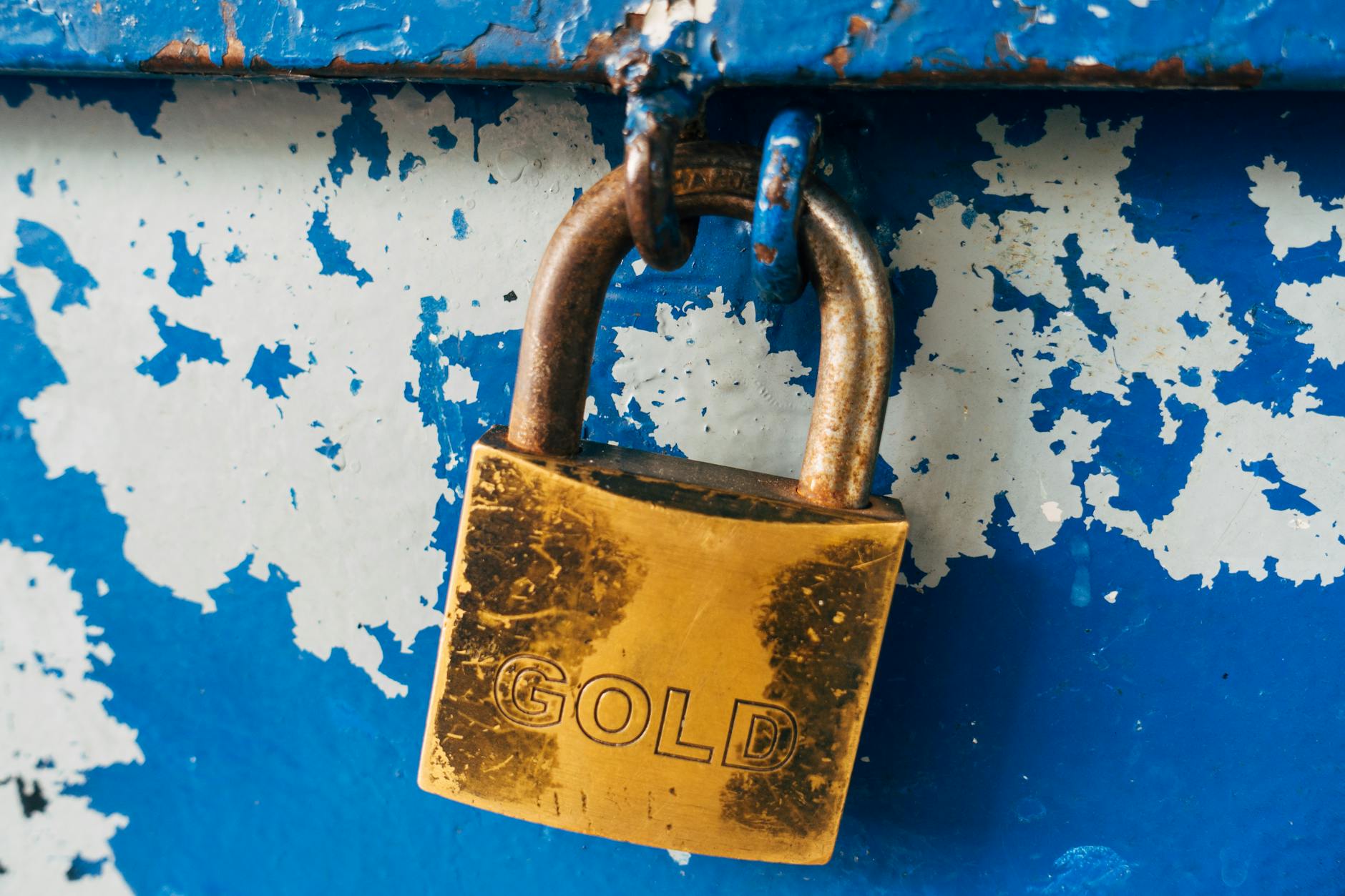
Most modern bicycles come equipped with quick-release mechanisms on the seat post, wheels, and sometimes handlebars. These are incredibly convenient when you want to adjust your saddle height or remove a wheel for transport—but they’re also an easy opportunity for thieves. Quick-release seats, lights, and bags can be removed in seconds without any tools, making them prime targets. The solution is to either remove these items whenever you leave your bike unattended or secure them with dedicated cable locks that thread through the component and lock it in place.
Your bike’s accessories might seem less valuable than the frame itself, but they add up quickly. A quality saddle, handlebar bag, lights, or computer can easily cost $100–$300 combined, and thieves often target these components because they’re easy to steal and resell. When you’re leaving your bike for any extended period—more than a few minutes—take your bag with you, remove your lights and saddle if they have quick-release mounts, and consider a secondary cable lock through your wheels if they also have quick-release hubs. In contrast, bikes with solid axles and integrated seat clamps are harder to pick apart, which is one small advantage if you’re in the market for a new bicycle.
Home and Long-Term Storage Security
Your home is statistically your most vulnerable location—59% of bike thefts occur at home or in residential areas, with 28% stolen directly from sheds or garages. This doesn’t mean your home isn’t safe, but it does mean you shouldn’t assume it is. If you store your bike in a garage or shed, lock it to a fixed object inside the space, even if the door is locked. Thieves sometimes break into garages and sheds, and an unsecured bike is an easy grab.
If you don’t have a garage, consider investing in a weatherproof bike storage box or lock your bike to a fence or deck railing using the same U-lock and chain technique you’d use on the street. For extended storage—such as during winter or if you’re traveling—take additional precautions. Remove your bike from plain sight if possible, store it indoors or in a locked shed rather than on a porch, and remove the front wheel and store it separately if you’re storing your bike for several months. This isn’t paranoia; it’s acknowledging that your home is where bikes are most frequently stolen, often by people you know or people with access to your property. If you have roommates or live in a multi-unit building, don’t assume other people in your building have the same security standards you do.
Emerging Technologies and Smart Security
The bike security market has evolved significantly, with smart locks growing 82% in market adoption since 2020. Modern Bluetooth-enabled U-locks and cable locks now allow you to lock and unlock your bike from your smartphone, and many include real-time notifications if someone tampers with your bike. While these smart locks do add a layer of convenience and monitoring, they still rely on the same physical security principles as traditional locks—the best smart lock won’t prevent a thief from cutting through it, but the alarm notification might catch them in the act.
Motion-sensitive alarm systems represent another innovation worth considering, especially for bikes left in your yard or on an apartment building’s common areas. These systems detect unauthorized movement and trigger an alarm reaching 110dB—comparable to a rock concert or chainsaw—which is loud enough to startle most thieves and alert nearby people. For e-bike owners specifically, some manufacturers now offer Bluetooth-enabled helmet locks that reduce theft by 40% according to pilot programs in several cities. These emerging technologies are useful supplementary layers, but they shouldn’t replace the fundamental strategy of using a quality U-lock, locking both wheels and frame, and choosing your parking location carefully.
Registration and Recovery Strategy
Here’s a statistic that should motivate action: registered bikes have a 23.1% recovery rate, while unregistered bikes have only a 7.6% recovery rate. That’s a threefold difference, and it’s one of the highest-impact steps you can take to improve your odds if your bike is stolen. Services like Bike Index and Project 529 allow you to register your bike with its serial number and photos, which then helps police and recovery services identify and return your bike if it’s recovered. Registration is free or low-cost on most platforms, making it one of the smartest investments of your time.
However, it’s important to understand the hard truth: only about 5% of stolen bikes are recovered worldwide, even with registration and police involvement. This statistic underscores why prevention is infinitely better than recovery. The real value of registration isn’t that it guarantees you’ll get your bike back—it’s that it dramatically improves your odds if recovery is even possible. Combined with documenting your bike with photos, recording the serial number, and noting the manufacturer and model, registration becomes a powerful recovery tool if the worst happens. But the best-case scenario is preventing the theft in the first place through the layered approach described in this article.
Conclusion
Protecting your bike from theft requires a multi-layered approach that addresses the various ways bikes are stolen. Use a quality U-lock as your primary security, secure both your frame and wheels to a fixed object, consider a secondary heavy-duty chain, remove or secure quick-release components, store your bike in visible and well-lit locations, and take extra precautions when leaving it at home. This combination of physical security measures, proper locking technique, and smart storage choices will dramatically reduce your bike’s appeal to thieves who are looking for an easy target.
The final critical step is to register your bike with Bike Index or Project 529 and document it with photos and the serial number. While registration won’t prevent theft, the 23.1% recovery rate for registered bikes versus 7.6% for unregistered bikes shows how important this step is for your long-term protection. With bike thefts affecting hundreds of thousands of cyclists every year, taking these precautions now could save you thousands of dollars and the frustration of losing a bike you care about.
Frequently Asked Questions
Is a cable lock enough to protect my bike?
No. Cable locks are a minor deterrent and can be cut through in seconds with basic hand tools. Always use a U-lock as your primary lock, with a cable lock only as a secondary option for accessories or wheels.
How long is it safe to leave my bike unattended?
There’s no truly “safe” duration. Lock your bike every time you leave it, even for a few minutes, because thieves can steal an unlocked bike in seconds. The length of time matters less than the quality of your lock and location.
What’s the best place to lock my bike in public?
Lock in highly visible, well-lit locations with high foot traffic. Avoid dark, isolated areas. Always lock to a solid, fixed object—not something that can be lifted over.
Should I remove my front wheel when locking my bike?
Only if your front wheel has a quick-release hub and you’re leaving your bike for an extended period. For short-term parking, a U-lock through the frame and rear wheel with your front wheel secured by the same lock is usually sufficient.
Do smart locks replace traditional U-locks?
No. Smart locks add convenience and monitoring, but they rely on the same physical security as traditional locks. Use a smart lock only as a supplement to, not a replacement for, a quality U-lock.
What should I do if my bike is stolen?
Report it to local police and contact Bike Index or Project 529 if your bike is registered there. Share photos and details on local cycling forums and social media. While recovery is not guaranteed, registration significantly improves the odds that your bike will be returned if found.


