The best entry-level bikes depend on what type of cycling you plan to do. Road bikes like the Trek FX 3 suit riders seeking speed on pavement; mountain bikes such as the Specialized Rockhopper handle off-road trails; hybrid bikes offer a balanced approach for casual riders; commuter-specific models prioritize durability and cargo capacity; and gravel bikes provide versatility across mixed terrain. What separates a good entry-level bike from a poor one isn’t price alone, but whether it matches your actual riding conditions and doesn’t saddle you with components that will frustrate you within a few months. Entry-level doesn’t mean cheap or disposable.
A solid beginner bike in the $300-$600 range will likely outlast several seasons if you choose the right category for your needs. The worst mistake new riders make is buying a bike that looks cool in the showroom but doesn’t match how they actually want to ride. A flashy road bike gathering dust because you live on gravel roads wastes money. Spending time on the front end to pick the right type saves frustration and keeps you riding.
Table of Contents
- What Type of Cycling Matches Your Route and Lifestyle?
- Understanding Geometry and How It Affects Comfort and Control
- Component Quality and What Actually Matters for Beginners
- Frame Material: Steel, Aluminum, and Carbon Trade-offs
- Brakes: Rim vs. Disc and Stopping Power
- Budget Breakdown and Where to Spend vs. Save
- Test Riding and Long-Term Resale Value
- Conclusion
- Frequently Asked Questions
What Type of Cycling Matches Your Route and Lifestyle?
Your local terrain and riding schedule determine which bike category makes sense. If you’re cycling mostly on paved streets to work, a hybrid or commuter bike with wider tires and upright geometry will handle potholes and occasional curbs without the speed obsession of a road bike. If you live near mountain bike trails or have access to single-track, a hardtail mountain bike lets you progress on technical terrain without the cost and maintenance headaches of a full-suspension setup. Road cycling requires smooth pavement and works best in areas with dedicated bike lanes or low traffic. Consider how far you’ll typically ride.
Commutes under 5 miles favor durability and cargo capacity; longer recreational rides on pavement favor efficiency and speed. A beginner commuter on the Trek NX 5 will appreciate the flat handlebar, fenders, and rack mounts more than a road bike’s drop bars and minimal frame attachment points. The tradeoff is that the heavier commuter bike won’t accelerate as quickly or handle as sharply, but that doesn’t matter if you’re stopping at traffic lights every few blocks anyway. Weather and season matter too. If you’re riding year-round in wet climates, a cyclocross or gravel bike’s clearance for wider tires and mud shedding becomes critical. Road bikes with narrow tires and close frame geometry clog immediately in mud and lose traction in rain, turning a practical commute into a crash waiting to happen.
Understanding Geometry and How It Affects Comfort and Control
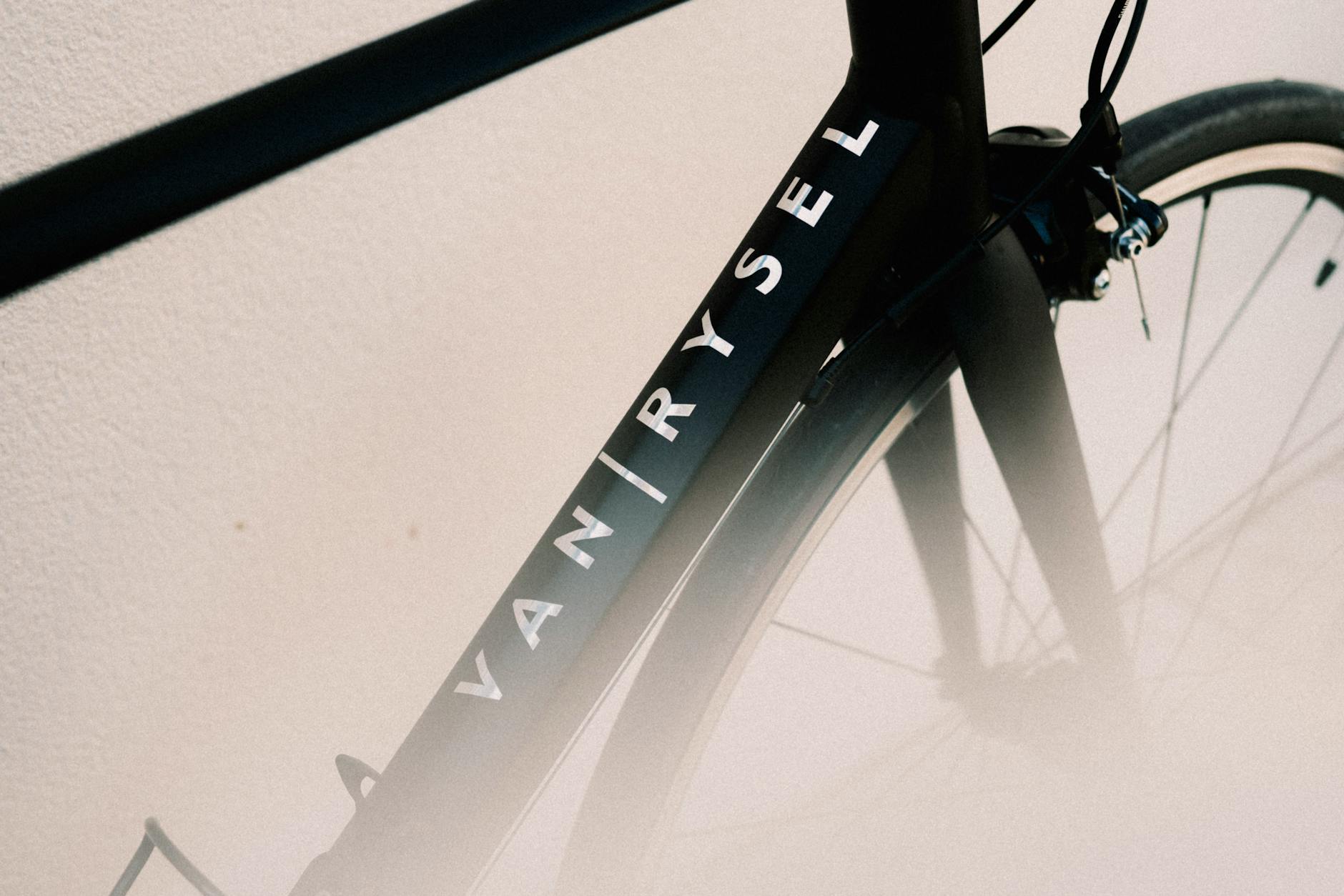
Bike geometry—the angles and lengths of tubes—directly impacts how a bike handles and feels. Road bikes have steep head tube angles (73-75 degrees) and short reach, putting you low and forward for speed but creating neck strain on long rides if you’re not trained. Mountain bikes have slacker angles (68-71 degrees) for stability on descents, but this feels less responsive on climbs and paved flats. Hybrid and commuter bikes split the difference with moderate angles and taller stack heights, putting you upright and comfortable for casual riding but slightly less efficient on long flat stretches. A common warning: upright geometry feels comfortable sitting in a store, but if you’re planning to ride 20+ miles per week, that ultra-upright position can cause lower back pain as your core fatigues. Conversely, aggressive road geometry feels weird and uncomfortable the first few rides even if it’s theoretically efficient.
Entry-level riders often buy based on how they feel stationary rather than how the bike rides at speed and over distance. Reach and stack determine whether the bike lets you adjust your hand position. Longer reach allows multiple hand positions (drops, hoods, tops on a road bike) to rotate muscle groups during long rides. Shorter reach limits your options. If you’re on the border between sizes, measure your actual reach rather than guessing. A frame that’s too large will be twitchy and exhausting; a frame too small will feel cramped and limit your power output.
Component Quality and What Actually Matters for Beginners
The groupset—shifters, derailleurs, brakes, and crankset—makes more difference than frame material for a beginner. Entry-level Shimano components (Altus, Acera) work reliably and shift predictably. Microshift and SRAM NX offer similar durability at this price point. The limit is that low-end groupsets need adjustment and cleaning more often, and replacement parts cost proportionally more. Upgrading from a Shimano Altus drivetrain to an Acera drivetrain costs only $50-$100 more at purchase but prevents constant cable stretching and front derailleur tuning. Avoid ultra-budget groupsets (Tourney, Shimano TX) even at $50-100 less. The difference in shifting reliability is night-and-day, and the time spent adjusting a cheap drivetrain erases the money saved.
An example: a $400 hybrid with Altus components will require maintenance every 50 hours of riding. The same frame with Tourney components will need service every 20 hours. Wheels matter more than most beginners realize. Heavy entry-level wheels slow acceleration and climbing noticeably, especially if you weigh over 180 pounds. A $480 entry-level road bike with 1600-gram wheels will feel sluggish compared to the same frame with quality wheels at 1450 grams. The tradeoff is that lighter wheels are more expensive and need spoke tension checks occasionally. For beginners, a wheel weight of 1650 grams or less on a 29-inch mountain bike or under 1550 grams on a road bike provides good performance-to-cost ratio.

Frame Material: Steel, Aluminum, and Carbon Trade-offs
Aluminum dominates the entry-level market because it’s cheap to produce, light, and rigid. Most bikes in the $300-600 range use aluminum frames, and they work fine for beginners. Aluminum does transmit vibration from rough roads more noticeably than steel, which can cause hand numbness on long rides, but entry-level riders typically don’t do long enough rides to encounter this issue. Steel frames are heavier but offer a smoother ride and accept impacts better than aluminum. A steel entry-level commuter bike will outlast an aluminum one by decades if you maintain it. The downsides are weight (500+ grams more) and slower acceleration.
For a casual commuter doing 30-minute rides, the weight difference never matters. For a beginner mountain biker doing technical climbs, the extra 2 pounds becomes noticeable. Carbon fiber doesn’t appear on genuine entry-level bikes—the cheapest carbon frames start around $800-1000, and budget carbon is brittle and prone to hidden damage from crashes. Don’t buy a first bike made from cheap carbon. The frame might weigh less, but repair costs and longevity make it poor value. Stick to aluminum or steel at the entry level.
Brakes: Rim vs. Disc and Stopping Power
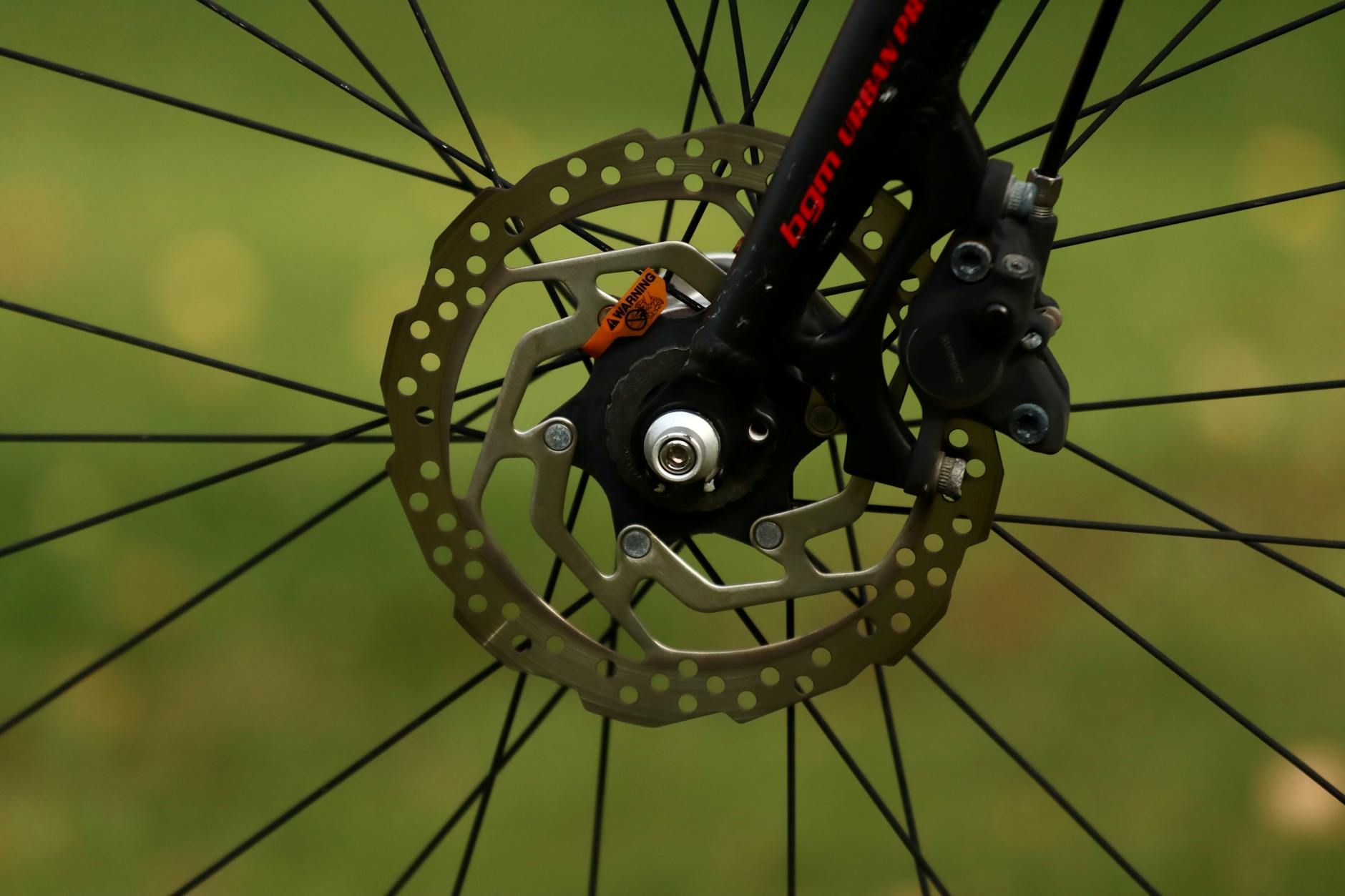
Entry-level road bikes still use rim brakes (brake pads squeeze the wheel rim), which work in dry conditions but lose power in wet weather because water reduces friction. Disc brakes (mechanical or hydraulic) stop reliably in any weather and modulate more smoothly. They’re becoming standard even on budget bikes now, but some old-stock road bikes still ship with rim brakes. A limitation of hydraulic disc brakes on cheap bikes is that they require specialized tools to bleed air from the lines. Rim brakes need only a cable adjustment and pad replacement. If you’re mechanically inexperienced and don’t have a local shop nearby, stick with mechanical disc brakes or accept that you might need professional service.
Mechanical disc brakes (cable-actuated) have the reliability of rim brakes with the weather performance of hydraulic. Don’t assume that disc brakes automatically mean stopping power. A cheap mechanical disc brake with worn pads stops worse than a well-maintained rim brake. Test the brake feel before buying—pull hard and listen for noise. Squealing brakes indicate misalignment or contamination. At the entry level, expect to replace pads every 1000-1500 miles of riding.
Budget Breakdown and Where to Spend vs. Save
A realistic budget for an entry-level bike that will last 2+ years and handle moderate riding is $400-600. At $300-400, you get functional bikes with heavy components and basic assembly quality. At $500-600, you reach bikes with slightly lighter wheels, better groupsets, and frames that don’t feel like launching a tank. Below $300, bikes often ship with problems (misaligned wheels, loose headsets) or components so low-quality that they require immediate maintenance. For the money, spend it on the drivetrain and wheels first, then frame.
A $500 bike with a decent Shimano Acera groupset and reasonable wheels paired with a basic aluminum frame beats a $500 bike with pretty paint, a terrible groupset, and heavy components. The Specialized Rockhopper or Trek Marlin in the $450-550 range represent this balance well—functional frames with adequate groupsets. Tires matter too and often get overlooked. Cheap tires slow you down, wear quickly, and get punctures easily. Replacing the stock tires on a budget bike after 500 miles with decent brand-name tires (Schwalbe, Continental, Maxxis) costs $80-120 but gives you confidence the bike will complete a ride without flats. This is not where you save.
Test Riding and Long-Term Resale Value
Always test ride a bike for at least 15-20 minutes before buying. This is non-negotiable. How a bike feels in the parking lot bears little resemblance to how it feels on a 10-mile ride. On the test ride, climb a hill, descend, brake hard, and shift through the gears. Listen for grinding or clicking.
A cheap bike that shifts smoothly is worth more than an expensive-looking bike that can’t shift up. Entry-level bikes from established brands (Trek, Specialized, Giant, Cannondale) hold value better than unknowns. A 3-year-old Trek FX 3 in good condition sells for 40-50% of original price. A 3-year-old generic bike from a big-box retailer or unrecognized brand often can’t be sold at any price. If you’re uncertain whether you’ll stick with cycling, buying a known brand insures some resale value if you quit. Used bikes from good brands also make excellent second purchases as you learn what you actually want.
Conclusion
The best entry-level bike matches your intended riding type, has a groupset from a recognizable manufacturer (Shimano Altus or better), wheels under 1600 grams, and a frame from an established brand. Avoid the extremes—neither the flashiest bike in the shop nor the cheapest option. A solid $450-550 hardtail, road bike, or hybrid will carry you through your first year of cycling and beyond, building skills and confidence without breaking down or needing constant adjustments. Start with a test ride.
Choose the category that matches your routes. Budget for good tires and basic maintenance supplies. Once you’re riding regularly, you’ll know exactly what you want to upgrade or change. Most riders’ first bike mistakes aren’t about the bike—they’re about picking the wrong type for their actual lifestyle. Pick right, and an entry-level bike becomes your foundation.
Frequently Asked Questions
Is a hybrid bike a good first bike?
Yes, if you’re riding on pavement and mixed surfaces without planning to do long-distance speed riding or technical trails. Hybrids handle diverse terrain, put you in an upright position, and accept wider tires. They’re less efficient on pure road riding than road bikes but more versatile.
Should I buy online or in a store?
Stores let you test ride and get proper fit advice, but online often offers better prices. If buying online, order from a retailer with free returns. You’ll need a basic toolset for final assembly. Most online bikes arrive partially assembled and need headset adjustment, derailleur tuning, and wheel truing.
How much should I spend on a first bike?
$400-600 gets you a reliable bike that works well. Less than $300 and component quality drops noticeably. More than $800 is wasted on your first bike until you know what you want to specialize in.
What’s the most common mistake beginners make?
Buying a bike based on how it looks or how it feels standing still, rather than matching the bike type to actual riding plans. A mountain bike looks cool but wastes money if you never ride trails.
Do I need clipless pedals right away?
No. Platform pedals work fine for beginners and let you focus on balance and technique. Try flat pedals and regular shoes for the first few months, then switch to clipless if you want more efficiency on longer rides.
How often do entry-level bikes need maintenance?
Chain cleaning and lubing every 200-300 miles, professional tune-up annually or after 500-1000 miles. Entry-level groupsets need more frequent cable adjustments (every 100-150 miles initially) as cables stretch. Budget $200-300 per year for tune-ups if you ride 50+ miles per week.


