Short riders under five feet four have legitimate sizing challenges when buying bikes, but the solution is straightforward: look for models with 13 to 15-inch frames, lower standover heights, and proportionally shorter reach distances. Most major manufacturers now offer compact geometry specifically designed for smaller frames, meaning you don’t have to buy children’s bikes or make do with an adult model that handles poorly. For example, a Trek FX 2 in size XS delivers a 13-inch frame with a 73.5-inch wheelbase and geometry built for adult proportions, making it a practical choice for riders five feet to five feet four.
The key difference between the right bike and the wrong one often comes down to a single measurement: standover height. If you’re buying a bike where you can barely touch the ground on your toes, you’ll fight the bike rather than ride it. A short rider needs a bike where at least two to three inches of clearance exists when standing over the top tube, which gives you control during stops and increases confidence on descents. Many smaller-framed bikes also feature shorter cranks—typically 165mm instead of the standard 170mm—which reduces pedal strikes on uneven terrain and improves the overall fit of the drivetrain to your shorter legs.
Table of Contents
- What Makes a Bike Suitable for Riders Under Five Feet Four?
- Frame Geometry and Reach Considerations
- Specific Bike Categories That Work Well for Short Riders
- Adjustable Components and the Case for Professional Fitting
- Common Pitfalls and Warnings for Short Riders
- Women’s-Specific and Unisex Options
- Modern Trends and Long-Term Considerations
- Conclusion
- Frequently Asked Questions
What Makes a Bike Suitable for Riders Under Five Feet Four?
The fundamental requirement is geometry designed for your proportions, not just a smaller frame number. A 15-inch frame doesn’t automatically fit a short rider well—a bike made for a 5’6″ person scaled down to 15 inches will still have reach and handlebar height issues. Manufacturers like Marin, Giant, and Specialized engineer compact-geometry lines specifically so that components, handlebar positioning, and crank length align with how shorter riders actually sit on bikes. Standover height should be your primary measurement when comparing models.
Stand over the frame with feet flat on the ground; you need clearance when you’re straddling it. A typical acceptable range is 24 to 26 inches of standover height for someone five feet tall, and 25 to 27 inches for someone closer to five feet four. Many spec sheets list this measurement, though some don’t, so measure it yourself in a shop or watch video reviews that show this detail. For instance, the Trek Verve+ 2 has a 26-inch standover height on its size XS frame, which works well for the five-foot-to-5’2″ range.
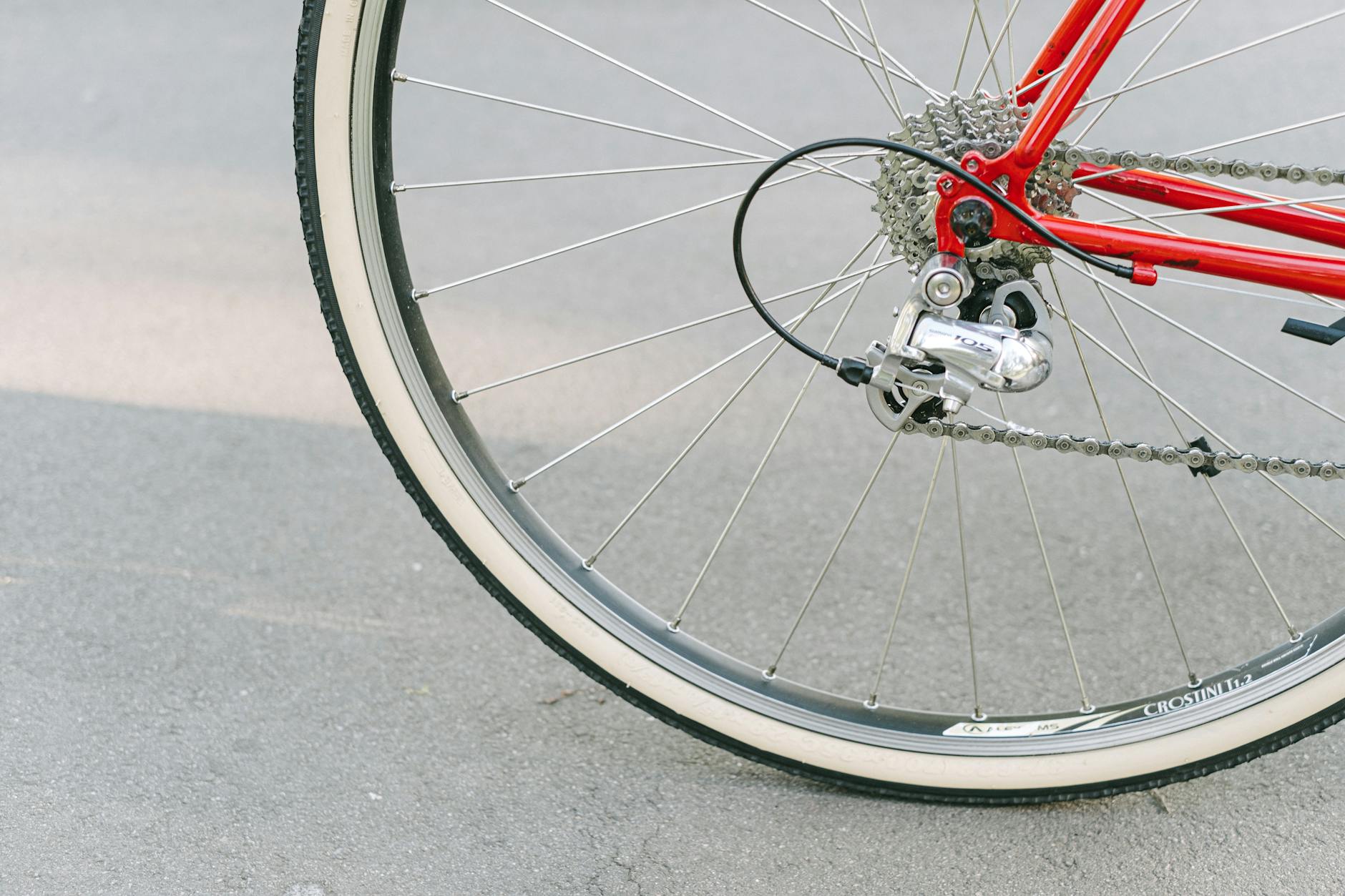
Frame Geometry and Reach Considerations
Reach—the distance from the bottom bracket to the center of the handlebars—directly affects how stretched out you’ll feel on the bike. Longer reach pulls you forward into an aggressive posture, while shorter reach keeps you more upright. Short riders often benefit from reach measurements between 370mm and 400mm, whereas average riders sit at 420mm or longer. A reach that’s too long forces you into compensations: raising the seat higher to achieve the wrong back angle, using a shorter stem that makes the front end twitchy, or adopting a posture that causes neck and shoulder strain.
The seat tube angle also matters. A steeper seat tube (74 to 76 degrees) positions you further forward over the pedals with less knee extension, which suits shorter inseams and helps you reach the pedals without stretching the seat post excessively. Slacker angles (71 to 73 degrees) can work if the frame is truly compact, but they’re more common on longer bikes. One limitation to watch: many entry-level compact bikes sacrifice seat tube angle to fit more sizes into their lineup, meaning you might get a slack angle paired with short reach, creating an awkward, upright posture that’s inefficient for climbing or any sustained effort.
Specific Bike Categories That Work Well for Short Riders
Hybrid bikes and fitness-oriented models dominate the short-rider market because their upright geometry and moderate reach are forgiving and comfortable. The Trek FX 2 and Specialized Vita are purpose-built for accessibility, with wide tires, suspension forks, and handlebar positions that let you maintain visibility and control without extreme flexibility. If you prefer road bikes, look for compact or endurance road frames rather than racing geometry; the Cannondale CAAD Optimo or Giant Contend series offer short reach and smaller frame sizes that don’t sacrifice performance.
Mountain bikes present an interesting case: suspension forks and slack geometry on most modern XC and trail bikes tend to suit taller riders better, and sizing runs larger. However, short-travel hardtails like the Trek Marlin or Giant Talon in XS sizes work reasonably well because the ride is simpler and geometry less aggressive. A specific example: Juliana (Giant’s women’s-focused brand) makes the Joplin in size XS with a 385mm reach and 24.6-inch standover height, delivering more aggressive capability without the extreme geometry of larger trail bikes.

Adjustable Components and the Case for Professional Fitting
Even with a properly sized frame, components need adjustment. Stem length (the tube connecting the fork to the handlebars) is one of your most important adjustments. Standard stems are 90 to 130mm; short riders often benefit from 70 to 90mm stems to bring handlebars closer. A professional bike fit costs $150 to $300 but pays dividends by ensuring seatpost height, saddle position, stem length, and bar reach all work together. The tradeoff is that a perfect fit might require purchasing a shorter stem or lower-rise handlebars as upgrades, adding $50 to $100 to your total spend.
Crank length, typically 170mm on adult bikes, is another adjustment. If your inseam is under 28 inches, consider whether a 165mm or even 160mm crank is available on your target model. Shimano and other drivetrain manufacturers don’t always offer short cranks on entry-level bikes, but higher-end models often do. One comparison: a Trek Domane+ H2 comes with 170mm cranks standard, but Trek offers 165mm as an option, which eliminates the pedal strike you might experience on climbs or rough roads. If your target bike doesn’t offer short cranks, plan on a $200 to $300 aftermarket crank upgrade if it becomes necessary.
Common Pitfalls and Warnings for Short Riders
Buying a kid’s bike to save money is a false economy. Children’s bikes have shallower geometry, lower strength ratings, and durability designed for lower mileage. A 20-inch or 24-inch wheel kid’s bike will feel small under you, lack proper gearing for adult riding, and fail much sooner than an adult-geometry compact frame. The short rider has legitimate adult-bike options; don’t compromise by downsizing to a product not engineered for your weight and riding style.
Another critical warning: inseam length and standover height aren’t the same thing. Someone with a proportionally long inseam relative to their height might need a larger frame despite being under five feet four. Conversely, someone with a short inseam but tall torso might fit a smaller frame. Always prioritize standover height and reach measurements over height alone. One limitation of shopping online is the inability to physically straddle and adjust a bike before purchase, so buy from retailers with clear return policies and consider visiting a local shop first to get your measurements confirmed before ordering.

Women’s-Specific and Unisex Options
Many short riders find success with women’s-specific bikes, which often feature shorter cranks (165mm standard), narrower bar widths, and reach designed for proportionally longer torsos and shorter arms. Specialized Sirrus, Trek Verve, and Giant Escape lines all offer women’s models in XS and S sizes with these features. However, some short riders prefer unisex or men’s compact geometry if their proportions demand it; this is a personal choice driven by actual fit measurements rather than assumed preferences.
A specific example: the Liv Avail (Giant’s women’s road line) comes in size XS with a reach of just 365mm and standover of 25.8 inches, making it ideal for riders up to about 5’2″. By contrast, the unisex Cannondale CAAD Optimo in size XS has a reach of 380mm, slightly more aggressive but still accessible for someone 5’3″ to 5’4″. Try both if possible rather than assuming women’s-specific is always better.
Modern Trends and Long-Term Considerations
The bike industry has increasingly recognized that short riders represent a significant market, and compact geometry is becoming standard rather than niche. Direct-to-consumer brands like Canyon and Ribble now offer frames with 13 and 14-inch options and publish full geometry specs online, making it easier to evaluate fit before purchase. E-bikes are also expanding the short-rider market, with brands like Trek, Giant, and Specialized offering compact e-bike platforms that can put powerful, capable bikes in the hands of shorter riders who might have struggled with mechanical advantage on heavier conventional bikes.
The future trend is toward modularity: more brands offering adjustable stem lengths and crank options at the factory rather than forcing aftermarket upgrades. As this continues, short riders will have easier access to truly customized fits straight from the manufacturer. If you’re buying today, prioritize a model with documented compact geometry, clear standover and reach specs, and the option to swap out components like stems and cranks if needed.
Conclusion
Bikes for short riders under five feet four do exist, and they’re not compromises—they’re proper adult bikes engineered for your proportions. Focus on standover height (24 to 27 inches depending on your exact height), reach (370 to 400mm), and frame sizes from 13 to 15 inches, and you’ll find options from every major manufacturer. The right bike should let you touch the ground confidently, reach the handlebars without excessive stretch, and pedal without striking the ground or frame.
Your next step is to measure your actual standover height and inseam, then look up geometry specs for models in your budget range. Visit a local bike shop to stand over potential candidates, or carefully check video reviews for standover-height demonstration. The investment in finding the right fit now—whether through a professional fitting session or careful measurement—pays dividends in comfort, control, and genuine enjoyment of riding for years to come.
Frequently Asked Questions
What’s the most important measurement for short riders?
Standover height is the single most important measurement. You need to be able to stand over the frame with at least two to three inches of clearance. This is more critical than frame size because it determines control and safety during dismounts and stops.
Can I use a smaller unisex frame instead of a women’s bike?
Yes, if the geometry fits. Some short riders find that unisex compact-geometry frames match their proportions better than women’s-specific bikes. Measure reach, standover height, and crank length for each option rather than assuming one category fits better.
Is a 20-inch wheel bike a good option for someone under 5’4″?
No. A 20-inch or 24-inch wheel bike is engineered for children, not adults. Even if it fits your height, the drivetrain, components, and frame strength are designed for much lower loads. You’ll outgrow it quickly and face durability issues. Stick with adult-geometry frames and 26-inch or 700c wheels.
What should I expect to pay for a properly fitting compact-geometry bike?
Entry-level hybrid or fitness bikes start around $400 to $600. Road or mountain bikes in compact geometries range from $800 to $1,500 for quality options. Premium bikes from brands like Specialized or Trek can exceed $2,000. Aftermarket adjustments (stem, crank, fit) add $100 to $300 more if needed.
How do I know if my reach is too long?
If you find yourself stretched out on the bike, can’t comfortably reach the handlebars, or feel excessive strain in your shoulders and back after short rides, reach is likely too long. A professional bike fit can confirm this, or you can test rides at a local shop to feel the difference between proper reach and excessive reach.
Are e-bikes a good option for short riders?
Yes, increasingly so. E-bikes have expanded compact-geometry options, and the motor assistance reduces the need for mechanical advantage that some short riders struggle with on heavier bikes. However, e-bikes are pricier (starting around $1,500) and worth the investment mainly if you plan longer rides or have limited leg power.


