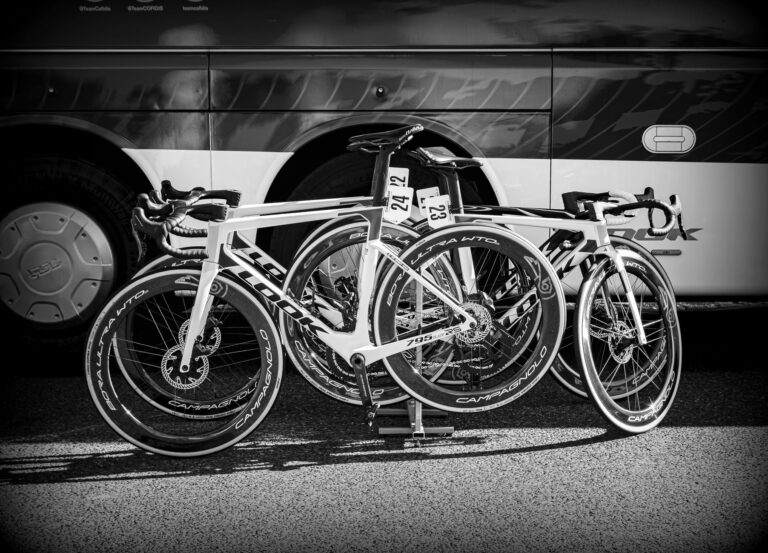
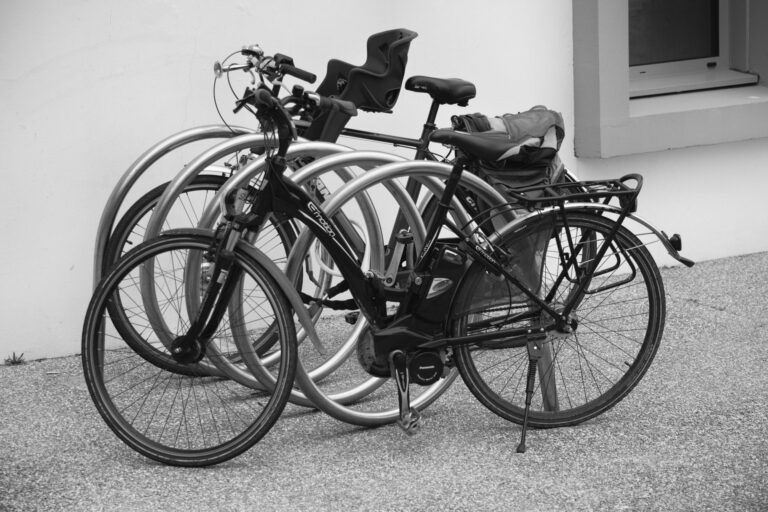
Yes, an e-bike is worth it for many everyday riders who want to replace short car trips and ride more often. An e-bike is a standard bicycle with a small electric motor that boosts your pedaling. You still pedal, steer, and brake like normal.
It fits lifestyle riding best when your regular trips are short, hilly, or hard to park. Charging stays cheap, the ride stays active, and car use drops. The trade-off is battery replacement cost and safe charging.
Table of Contents
- How much can you save?
- Will it replace your car?
- Do you still get exercise?
- What are the limits and risks?
How much can you save?
Daily drivers can save substantially because car costs add up fast. The Internal Revenue Service set the 2026 business rate at 72.5 cents per mile, while e-bike charging costs only pennies per mile. A five-mile errand then costs dollars by car and cents by e-bike.
Yearly upkeep also favors the bike. HOVSCO estimated 2025 e-bike running costs at roughly $85-$325, including $10-$25 for electricity and $50-$200 for maintenance. That sits far below car fuel plus upkeep for the same trips.
Will it replace your car?
For many households, yes for short trips. Researchers at the National Renewable Energy Laboratory tracked 61,000 trips in Colorado's CanBikeCO pilot and found 34% of e-bike trips directly replaced car trips. Low-income riders used the bikes for work, shopping, and school runs.
Range shapes that result. WeTried.it reports typical e-bikes travel 20-60 miles per charge. One-way commutes under 10 miles are the sweet spot, with easy charging and simple car replacement.
Do you still get exercise?
You get real exercise because you keep pedaling. In a 2025 study reported by Frontiers in Sports and Active Living, real-world commuters averaged 20.8 mL/kg/min oxygen use, or 5.9 METs. About 44%-48% of commutes reached vigorous level, with uphill segments at 7.0-7.5 METs.
Riders also report broader health gains. In the 2023 Wainuiomata HIKO pilot, Maori and Pacific participants told University of Otago researchers that physical and mental health improved, with easier management of diabetes and asthma. Hills, headwinds, and longer routes become doable instead of avoided.
What are the limits and risks?
The battery is the largest ownership expense. HOVSCO's battery guide says lithium-ion packs last 3-5 years or 500-1,000 cycles, with replacements costing $300-$1,200. Heavy riders, cold storage, and fast chargers can shorten that life.
Battery safety needs care. The U.S. Consumer Product Safety Commission counted 227 e-bike and e-scooter battery incidents, with 39 deaths and 181 injuries, during 2019-2023, mostly fires. Reduce risk with these habits:.
- Buy a certified battery and matching charger from a known brand.
- Charge on a hard surface away from doors and bedding.
- Stop using a pack that swells, smells sweet, hisses, or overheats.