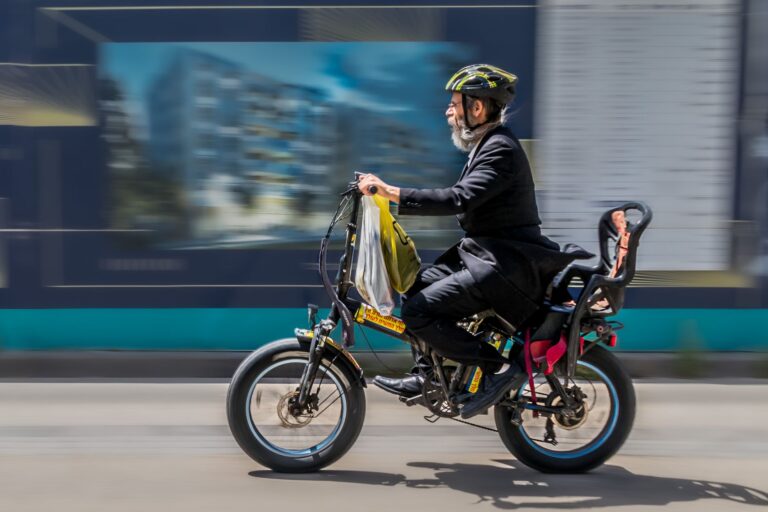
Choose a bike helmet for commuting by fit first, then coverage, visibility, and ease of carrying. A commuter helmet is a sturdy, ventilated helmet made for regular short rides in traffic.
Start with size, then adjust the straps and cradle until movement feels minimal. Think about your actual route. A short ride on quiet streets needs different trade-offs than a long ride in heat, rain, or low light.
Table of Contents
- How should it fit?
- Which shape suits city riding?
- How do you stay seen and comfortable?
- How do you carry and replace it?
How should it fit?
Start with your head size and try the closest shell size. The helmet should sit level, low on the forehead without pressing painfully.
Use this quick check before you buy: Adjust in small steps. Tighten the rear cradle first, then even out the side straps, then set the chin strap. Walk around the shop and turn your head as if checking traffic.
- It stays level when you shake your head gently
- One or two fingers fit between your eyebrows and the front edge
- Straps form a flat V under each ear
- The chin strap feels snug without choking when you open your mouth
Which shape suits city riding?
Many commuters prefer a rounded urban or skate-style shape with fuller side and rear coverage. A road-style helmet usually has more vents and a longer, lighter shape. Choose fuller coverage for slow upright rides and better airflow for longer or hillier rides. Skip a built-in visor if you ride upright and it blocks signals or signs.
Consider a ponytail-compatible opening if you tie hair back daily. Try the helmet with glasses or sunglasses you actually wear. Check for a safety certification label inside and follow the maker's fitting guidance. A label does not make every model suit every head, so comfort and stability still decide.
How do you stay seen and comfortable?
Pick a bright color or reflective details for dawn, dusk, and rainy rides. Small reflective stickers, light-colored straps, and a rear light clip help drivers notice you. Wipe vents and reflective areas clean so dust does not dull them. Balance airflow with weather protection.
Large vents cool you in summer but let in cold air and rain. Removable pads, a washable liner, and a rain cover help one helmet work across seasons. Test the helmet with your work bag, jacket collar, and hood. A high collar can push the rear edge forward. If you wear a cap underneath, fit the helmet over that cap.
How do you carry and replace it?
Choose a helmet you will carry every day. A smooth shell slips easily into a tote or locker. A small fabric bag protects vents and straps from keys and locks. Clean it with mild soap and cool water.
Avoid strong solvents and high heat, which can weaken straps and pads. Store it away from direct sun and heavy weight. Replace the helmet after any crash where your head hits the ground. Also replace it when straps fray, buckles slip, foam cracks, or fit loosens. Keep the model and size noted so reordering takes less time.