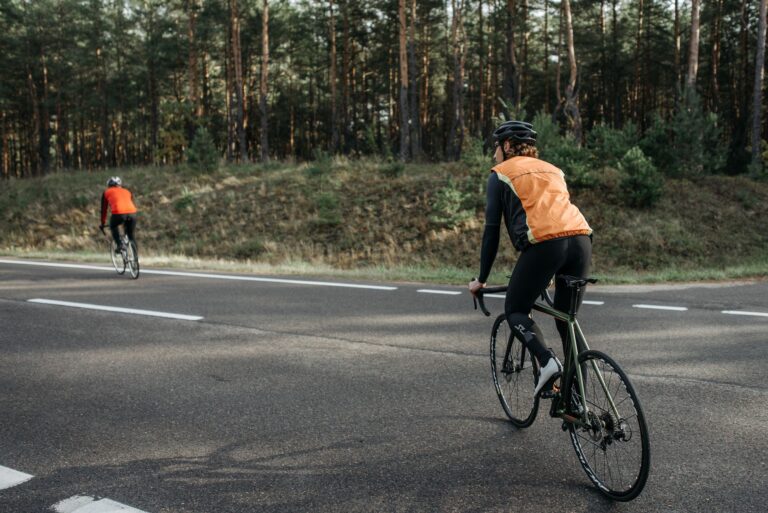
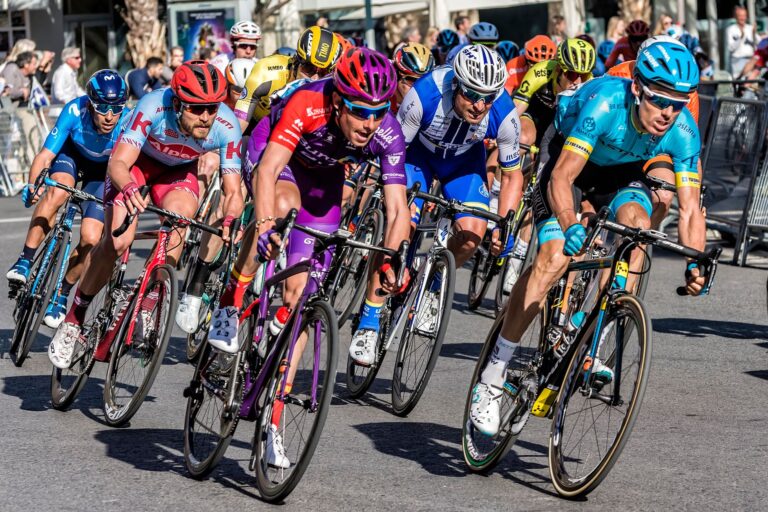
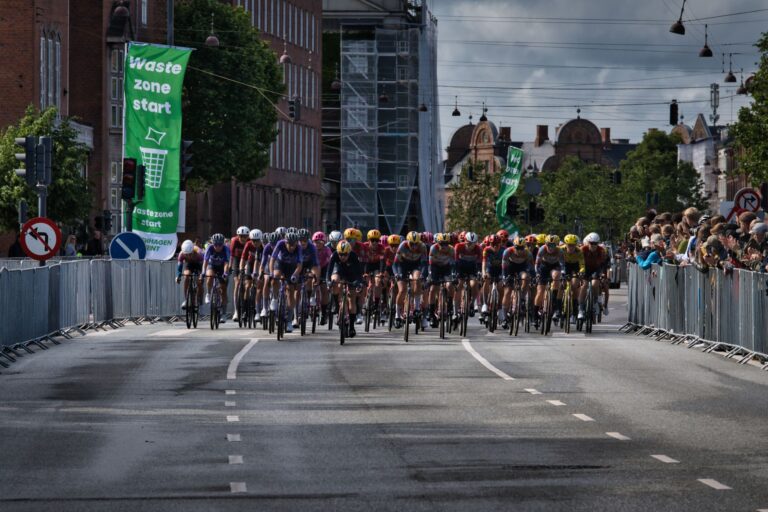
Rebuilding endurance after a summer break means starting with short, easy rides and adding volume slowly. Most riders need several weeks of steady pedaling before they chase speed or long distance. Endurance here means the ability to hold a comfortable pace for longer without heavy breathing or fading legs. Time off softens that ability even when motivation stays high.
Table of Contents
- What happens to fitness during a break?
- How should you start the first two weeks?
- When should longer and harder rides return?
- How do you handle heat, soreness, and warning signs?
- What keeps progress steady?
What happens to fitness during a break?
Your heart and lungs lose conditioning fairly quickly when rides stop. Easy paces feel harder because your body moves less oxygen to working muscles. Muscles also lose some efficiency for sustained pedaling.
Bike comfort often fades too. Hands, neck, and sit bones may ache on rides that once felt normal. Skills like cornering, braking, and riding in wind can feel rusty at first.
How should you start the first two weeks?
Keep early rides short and conversational. You should be able to speak in full sentences while pedaling. If breathing turns ragged, shift easier and slow down.
Avoid testing yourself against old times or routes. A familiar loop can mislead you if you push to match last summer. Ride it easier and notice how recovery feels the next day.
- Ride three or four times per week, with rest days between harder-feeling days.
- Keep most rides flat to rolling and under an hour at first.
- Finish feeling like you could have ridden a little more.
- Check bike fit, tire pressure, brakes, and helmet before distance grows.
When should longer and harder rides return?
Add one slightly longer ride per week once short rides feel comfortable. Keep the increase small and hold the same easy effort. Spin easy on climbs rather than forcing the pace.
Save intervals, hills, and fast group rides until you can ride steadily several times per week without lingering soreness. Start those efforts with short repeats and generous recovery. Fatigue that lasts more than two days means the load grew too fast.
How do you handle heat, soreness, and warning signs?
Late-summer heat still raises strain, so carry more water than you think you need. Choose shaded or breezy routes and ride earlier or later in the day. A slower pace on hot days protects the next ride.
Expect mild muscle soreness and saddle tenderness as volume returns. Sharp joint pain, numbness, chest pain, dizziness, or pain that changes your pedaling needs prompt attention. Stop the ride and seek medical advice when those signs appear.
What keeps progress steady?
Consistency beats heroic rides. Three moderate rides in a week build more endurance than one exhausting ride followed by days off. Keep a simple log of time, route, and how you felt.
Sleep, food, and easy spinning help legs rebound between rides. Eat a balanced meal after longer rides and keep daily movement light on rest days. When rides start feeling smooth and repeatable, you are ready to set a fall goal.