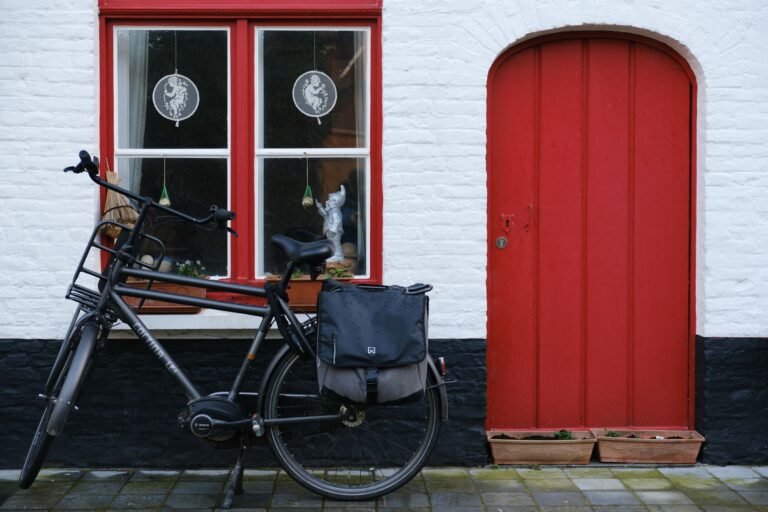
The best rigid mini velo for compact storage is a short, narrow bike you can stand upright, roll into a corner, and fit without folding. A mini velo is a non-folding adult bike built around small wheels, usually 20 inches, with regular frame geometry in a shorter overall package. Because the frame does not fold, storage savings come from wheel size, overall length, and removable contact points. Compare storage footprint, lifting weight, and riding fit before choosing.
Table of Contents
- Why choose rigid instead of folding?
- Which measurements decide fit in a small room?
- Which frame and cockpit details save space?
- How should gearing and tires match daily use?
- How to store it without damage?
Why choose rigid instead of folding?
A rigid mini velo has no hinges, latches, or folding joints to adjust or maintain. That fixed joint keeps the frame stiff and makes the ride feel closer to a full-size city bike.
It suits riders who need a smaller footprint at home but do not need to fold for trains or car trunks. You trade a folder's smallest packed size for simpler setup, fewer moving parts, and faster grab-and-go use.
Which measurements decide fit in a small room?
Overall length matters more than wheel size alone. Two bikes with 20-inch wheels can differ by several inches in length because of frame design, fork angle, and handlebar sweep.
Height matters when you stand the bike on its rear wheel or hang it vertically. Width matters in hallways and doorways, where flat bars often pass more easily than wide drop bars.
- overall length with wheels on
- height with seatpost at your riding position
- handlebar width and pedal width
- weight you can lift to a hook or up stairs
Which frame and cockpit details save space?
Look for a compact front end, short chainstays, and a handlebar that keeps total width low. Flat or slight-riser bars, shorter stems, and folding pedals can reduce the stored shape without changing the frame.
Quick-release wheels and a marked seatpost height help when you remove parts often. A frame with internal routing and few protruding mounts also snags less on walls, bags, and door frames.
How should gearing and tires match daily use?
City riders on flat routes often do well with fewer gears and a simple drivetrain. Riders facing hills, wind, loaded panniers, or longer commutes benefit from a wider gear range and secure shifting.
Tire width affects comfort, grip, and storage clearance. A slightly wider tire can smooth rough pavement and support cargo, but check clearance at fenders and tight wall mounts.
How to store it without damage?
Vertical wall hooks, floor stands, and corner parking work well because a mini velo is short and balanced. Keep the drive side facing outward, pad contact points, and avoid resting weight on derailleurs, rotors, or fenders.
Check building rules for hallways, balconies, and elevators before buying hardware. Measure your closet, doorway, and elevator depth before ordering a rack or hook.
You Might Also Like
- Best Comfort Bikes for Short Relaxed Recreational Rides: What Cyclists Should Compare
- Best Beach Cruiser Bikes for Flat Casual Paths and Boardwalks: What Cyclists Should Compare
- Recycled aluminum bicycle frames and the effects of alloy contamination: What Manufacturers, Shops, and Cyclists Should Compare