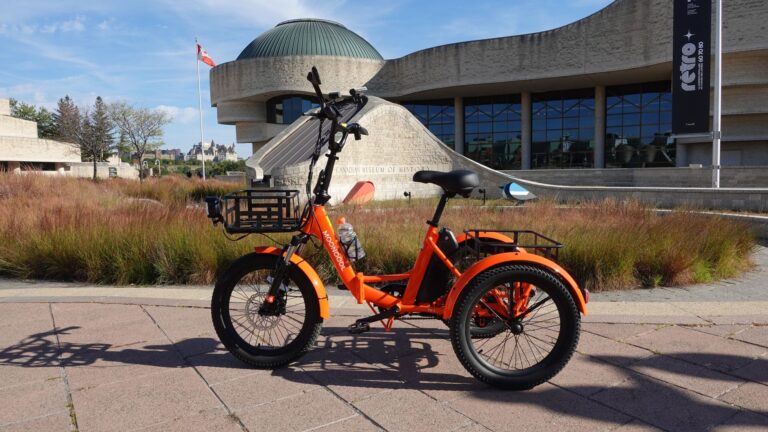
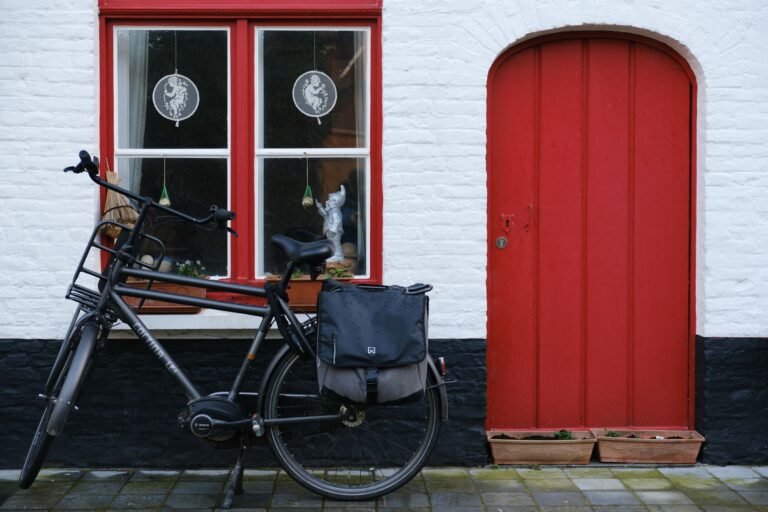
The best beach cruiser for flat casual paths and boardwalks is an upright, simple bike that fits your body and feels easy to pedal, steer, and stop. Cyclists should compare fit, gearing, brakes, tires, and practical comfort features rather than speed or suspension. A beach cruiser is a relaxed-style bike with swept-back handlebars, a wide saddle, and wide balloon tires that roll steadily on pavement and boardwalk planks. It suits short, level rides where comfort and easy handling matter more than climbing or cornering speed.
Table of Contents
- Why cruisers suit flat, relaxed riding
- How do you find the right fit
- Gears, brakes, and tires worth comparing
- What to check before you buy
Why cruisers suit flat, relaxed riding
A cruiser keeps the rider upright with weight spread across the saddle, hands, and feet. That position eases neck and back strain on short rides and gives a clear view of pedestrians, dogs, and other riders. Wide tires add stability on painted pavement, damp boards, and patches of blown sand.
The same design has limits. Cruisers tend to be heavier and slower to accelerate than city or hybrid bikes. They can feel sluggish in headwinds and awkward on hills, stairs, or crowded turns.
How do you find the right fit
Fit decides comfort more than any feature. Compare standover clearance, saddle height range, handlebar reach, and whether you can place a foot down easily at stops.
A slightly smaller frame often feels more manageable on busy boardwalks. If you are between sizes, comfort at stops and in turns usually matters more than maximum leg extension. An adjustable seatpost and swept bars allow small changes after purchase.
- Stand over the bike with flat shoes and check for comfortable clearance
- Sit and pedal through a full stroke without rocking your hips
- Reach the bars with relaxed shoulders and slightly bent elbows
- Walk, turn, and stop the bike to test balance and handling
Gears, brakes, and tires worth comparing
Single-speed cruisers work well for truly flat routes and need less care. Three- or seven-speed versions help when paths include bridges, ramps, wind, or longer distances. Choose the simplest gearing that covers the slopes you will actually ride.
Compare stopping systems carefully. A coaster brake stops by pedaling backward and keeps hands free, while hand brakes offer more control in stop-and-go traffic. Wide, smooth or lightly treaded tires roll comfortably on pavement and boards, and upright valves and common sizes make roadside pumping simpler.
What to check before you buy
Look at weight, mounting, and carrying. A lower step-through frame helps with beach bags, dresses, and frequent stops. Check mounts for a basket, lock, bottle, rack, fenders, and chain guard if you will carry towels, snacks, or spare layers.
Plan for sand, salt, and sun. Rinse grit from the chain, brakes, and moving parts after beach rides, keep tires pumped, and store the bike dry and shaded. Check local path rules for speed, yielding, and where bikes are allowed before riding a new boardwalk.
You Might Also Like
- Best Flat-Bar Road Bikes for Road Speed with Upright Controls: What Cyclists Should Compare
- Best Comfort Bikes for Short Relaxed Recreational Rides: What Cyclists Should Compare
- Recycled aluminum bicycle frames and the effects of alloy contamination: What Manufacturers, Shops, and Cyclists Should Compare