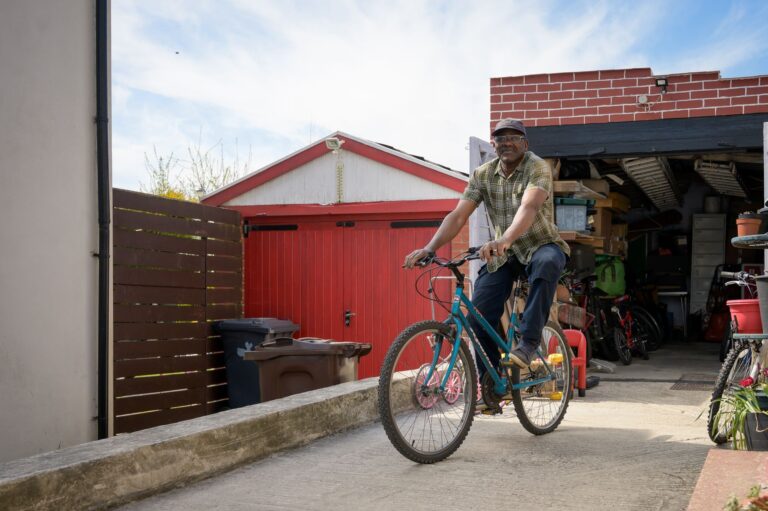
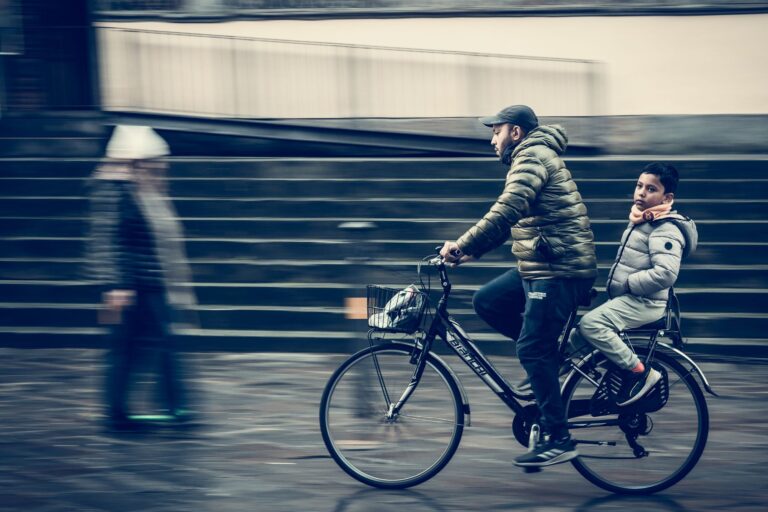
Rainy bike commuters need ten things: lights, full fenders, sound tires, dependable brakes, a waterproof jacket, gloves, clear eye protection, a dry-foot plan, waterproof cargo storage, and a flat-repair kit. They can usually skip a special rain helmet, deep-tread "rain tires," an umbrella, and premium head-to-toe waterproof clothing. A normal, well-fitting helmet remains part of routine riding gear; it does not need to be rain-specific. Choose among these priorities based on trip length, temperature, traffic, storage, and whether you can change clothes at work.
Table of Contents
- Visibility and control come first
- Keep your core, hands, and eyes functional
- Protect feet and cargo
- Carry a practical roadside repair kit
- Which rain products can you skip?
Visibility and control come first
Front and rear lights. Use a white headlight and red rear light even during daytime rain. Aim the headlight toward the road, and check local rules before using a flashing mode. Reflective material helps drivers recognize your shape, but it does not replace lights. Full-coverage fenders. Fenders keep road spray off your back, feet, drivetrain, and riders behind you. Longer models with mud flaps control spray better than short clip-on guards, provided the bike has adequate tire clearance.
Sound, grippy tires. Replace tires with cracks, cuts, exposed casing, or badly worn tread. Deep tread alone does not guarantee wet grip; tire condition, rubber compound, and sensible speed matter more. Keep pressure within the tire and rim manufacturers' limits. Dependable brakes. Wet conditions increase the distance needed to slow down, especially with rim brakes. Test braking gently before reaching traffic, apply both brakes progressively, and leave more space for turns and stops. Replace worn pads and address contaminated, damaged, or poorly adjusted brakes before commuting.
Keep your core, hands, and eyes functional
A waterproof jacket. Look for sealed seams, adjustable cuffs, ventilation, and enough room to move without loose fabric flapping near the wheels. A hood should turn with your head and preserve side vision; otherwise, wear it off the bike. Weather-appropriate gloves. Wet, cold hands can lose dexterity, making braking and shifting harder.
Choose gloves that maintain grip and let you operate every control comfortably. Insulated gloves may be unnecessary in warm rain, while thin waterproof shells may be inadequate in winter. Clear eye protection. Clear or lightly tinted cycling glasses shield the eyes from spray, grit, and wind without making a dark commute harder to see. A cycling cap brim can reduce droplets on the lenses, although fogging may still require better ventilation or an anti-fog treatment.
Protect feet and cargo
A dry-foot plan. This might mean waterproof footwear, shoe covers, waterproof socks, or ordinary shoes paired with spare socks at the destination. Shoe covers reduce spray but may admit water through the ankle or sole, so they are not guaranteed to keep feet dry during a long downpour.
Waterproof cargo storage. A waterproof pannier, roll-top bag, or sealed liner protects clothing, electronics, and work materials. A backpack is workable, but it places the load on the rider and can trap sweat. Put especially vulnerable items in a separate sealed pouch even when the main bag claims water resistance.
Carry a practical roadside repair kit
A flat-repair kit. Carry a compatible spare tube or patch kit, tire levers, and a pump or inflator that fits your valves. A compact multitool and tire boot add useful coverage without taking much space.
Tubeless riders still need a suitable repair method and, for failures that will not seal, often a tube. Check that you can remove each wheel with the tools you carry; some hubs and e-bikes require a wrench. If roadside repair is unrealistic, keep a charged phone and a specific transit, pickup, or walking plan rather than relying on an unfamiliar kit.
Which rain products can you skip?
Cycling-specific rain pants are optional. They help on long, cold rides or when work clothes must stay presentable, but they can become hot and clammy. Quick-drying trousers and a change of clothes may work better for a short or warm commute. Skip an umbrella while riding, and be cautious with loose, non-cycling ponchos.
Wind can pull an umbrella off line, while loose fabric can obscure lights, restrict steering, or approach moving parts. A fitted cycling cape is a specialized alternative, not a universal necessity. A helmet cover, waterproof cap, premium breathable membrane, and dedicated winter overshoes can improve comfort, but they are not starting requirements. Before buying them, solve the specific problem your current setup leaves behind: water entering at the neck, cold fingers, soaked socks, or overheating.