A single crash into a tree or pothole can cost you $175 or more to replace your rear derailleur after impact damage, yet a $15 derailleur hanger sits between your expensive drivetrain and disaster. This humble component is engineered to sacrifice itself on impact, absorbing the brunt of crash forces that would otherwise snap your derailleur’s delicate parallelogram arms or bend your frame’s dropout. Understanding this relationship—between a component that costs less than lunch and repairs that run three figures—reveals one of cycling’s most cost-effective insurance policies.
The economics are straightforward: a rear derailleur replacement typically costs $100 or more in parts and labor after crash damage, while that protective hanger runs $15 to $30 for the part itself, plus another $15 to $30 in labor for hanger alignment at a local bike shop. For riders who’ve experienced a hard crash, the difference between having a hanger installed and not having one is often the difference between a $30 repair and a $175 or $200 complete derailleur replacement. The irony is that most riders discover the value of a derailleur hanger only after they’ve already needed one—and learned the hard way what happens when you don’t have this small piece of safety equipment protecting the expensive stuff underneath.
Table of Contents
- Why Rear Derailleur Replacement Costs More Than You’d Expect After a Crash
- How Derailleur Hangers Protect Your Frame and Expensive Drivetrain Components
- What Happens When Your Derailleur Hanger Absorbs the Crash So Your Derailleur Doesn’t Have To
- The Preventative Maintenance Argument: Why Installing a Hanger Is Worth It Before a Crash
- The Difference Between a Bent Hanger and a Bent Derailleur: Why Impact Angle Matters
- Hanger Compatibility: Why Your Derailleur Hanger Isn’t Universal
- The Future of Hanger Design and the Case for Preventative Component Replacement
- Conclusion
Why Rear Derailleur Replacement Costs More Than You’d Expect After a Crash
Rear derailleurs are among the most vulnerable components on your bike, hanging off the right side of the frame and directly exposed to rocks, curbs, logs, and whatever else you might hit during a crash. When impact occurs, the derailleur’s parallelogram mechanism—the linkage that guides your chain across the cassette—bears the full force of the collision. Budget-quality derailleurs start at $30 to $40, but the moment you need a replacement after crash damage, you’re looking at a higher-quality model in the $50 to $70 range, or possibly $100 or more if you’re running a premium drivetrain group.
The real cost jumps when you add labor. A basic derailleur installation or adjustment runs $25 to $30 in shop time, but a full derailleur replacement after crash damage typically requires $40 to $60 in labor alone, since the shop needs to remove the old component, potentially replace cables if they’re damaged, and then perform a complete adjustment and indexing of the drivetrain. One rider who hit a pothole hard enough to fold the derailleur cage reported paying $165 in total—a $65 Shimano Sora derailleur plus $100 in labor for removal, cable replacement, installation, and adjustment.
How Derailleur Hangers Protect Your Frame and Expensive Drivetrain Components
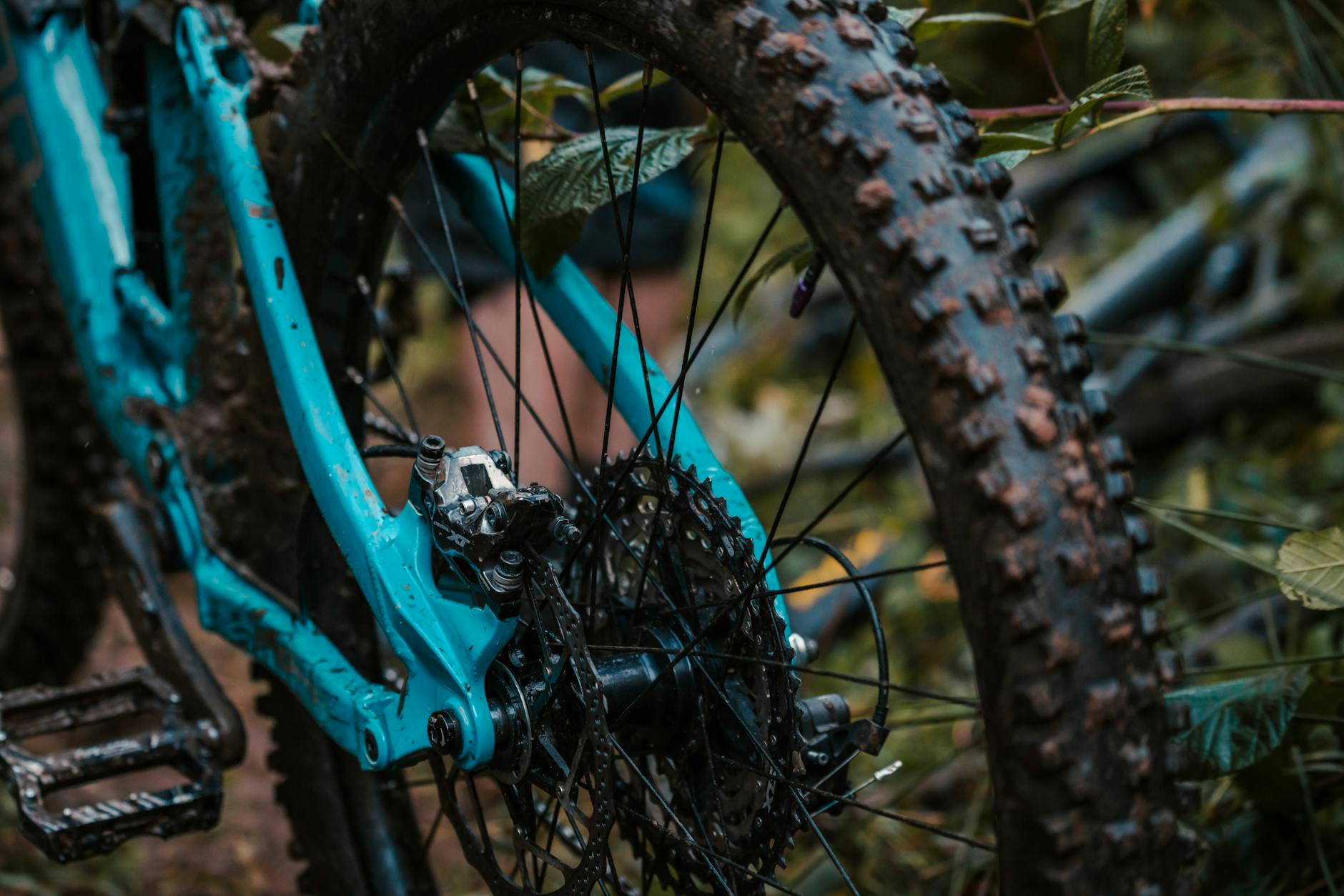
A derailleur hanger is a small, replaceable attachment point bolted to your frame’s rear dropout, designed specifically to bend or snap on impact rather than allowing that force to travel up through the derailleur into your frame. This is intentional engineering: bike designers recognized decades ago that protecting a frame from derailleur impact damage was worth adding a weak point to the system, as long as that weak point was cheap and easy to replace. When you crash and your derailleur swings hard into an obstacle, the hanger is meant to absorb that impact and fail first.
The cost-benefit calculation is stark: a bent or broken hanger typically costs $15 to $30 for the part, with another $15 to $30 in labor for alignment or installation at a bike shop, totaling $30 to $60 for a complete repair. Without a hanger protecting the derailleur, that same impact would likely bend your derailleur’s mounting bracket or crack the frame’s dropout itself, pushing your repair bill well over $100—and frame damage can be permanent or catastrophically expensive. One mountain biker who ran a bike with a broken hanger and crashed hard found his frame’s dropout cracked, requiring a complete frame replacement at a cost of $400 or more.
What Happens When Your Derailleur Hanger Absorbs the Crash So Your Derailleur Doesn’t Have To
When your derailleur hanger does its job, you’ll typically notice immediately: the derailleur cage suddenly sits at an odd angle, or your chain can’t be shifted properly because the derailleur arm is no longer in the right position. The good news is that your derailleur itself is likely still intact, with no bent cage tubes or broken parallelogram linkage—it’s just moved out of alignment because the hanger bent or snapped. At this point, you have two options: straighten the hanger (if it’s only slightly bent) or replace it entirely.
However, there’s a critical limitation to understand: hangers are designed to bend, not be straightened repeatedly. While some riders attempt to bend hangers back into shape with a mallet or by hand, this weakens the metal and makes it more likely to snap on the next impact. Most bike mechanics recommend hanger replacement over straightening, which means accepting that $15 to $30 replacement cost as the normal outcome of a hanger-absorbing crash. The upside is that $30 is radically cheaper than learning that your derailleur was damaged in that same crash and now needs a $100-plus replacement.
The Preventative Maintenance Argument: Why Installing a Hanger Is Worth It Before a Crash
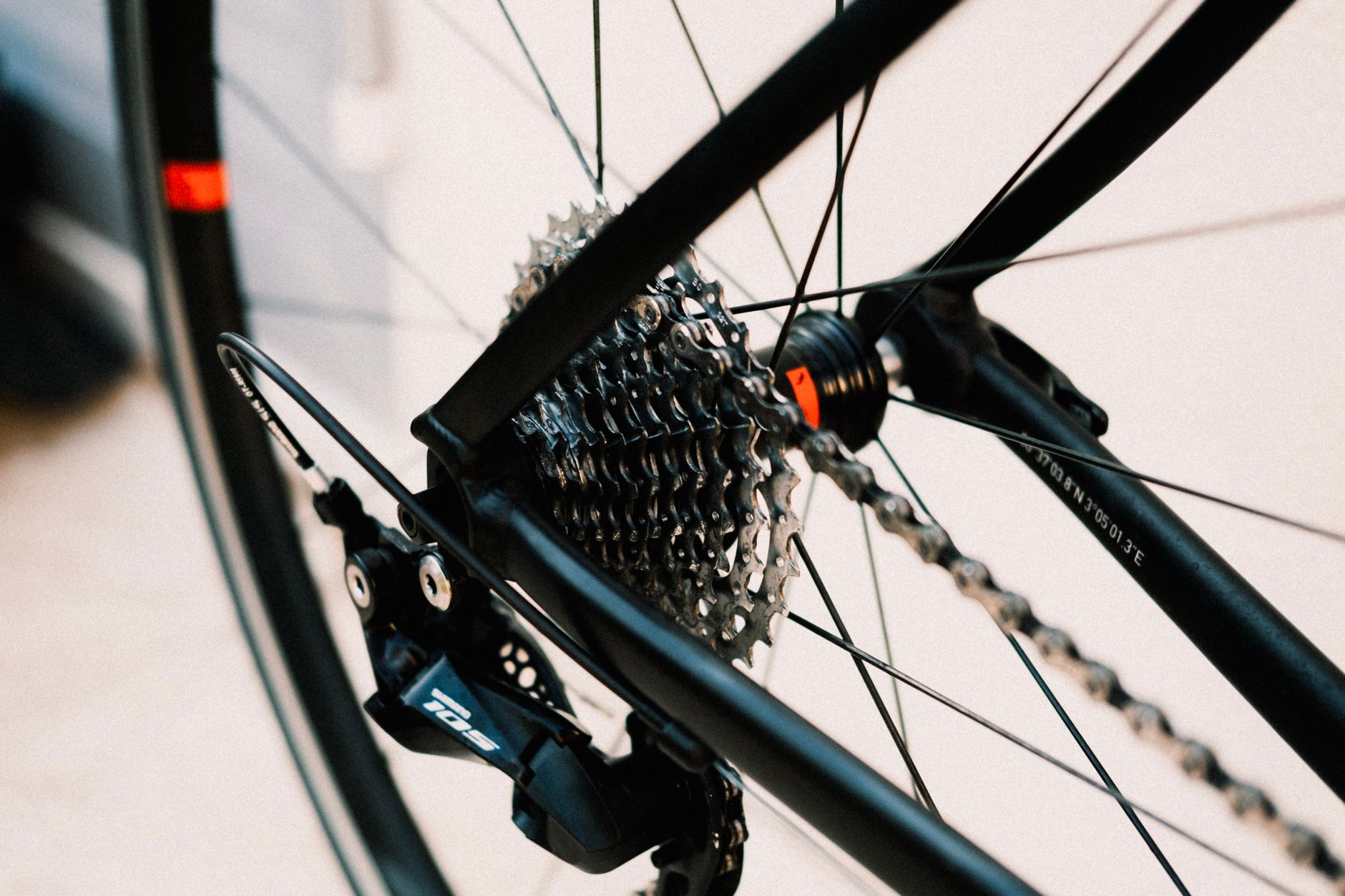
The case for installing or checking your derailleur hanger before a crash is purely financial: you’re investing $15 to $40 to avoid a $100-to-$200+ repair. This isn’t a close call. If your bike doesn’t have a hanger, or if your hanger looks corroded or bent from previous impacts, replacing it now costs far less than dealing with a derailleur replacement later. Mountain bikers and gravel riders face the highest risk, as they’re more likely to encounter obstacles that could trigger a derailleur-threatening crash.
The tradeoff to consider is time and bike downtime: if you’re riding regularly and want to minimize the chance of being stranded with a broken bike, installing a new hanger takes only 20 to 30 minutes at a bike shop and costs $30 to $60 total. This is a straightforward insurance policy. Compare this to the alternative: continuing to ride on a bent or questionable hanger, then dealing with a crash that damages your derailleur, then waiting for a bike shop appointment to replace the derailleur—which could take days if the shop needs to order parts. For riders who depend on their bikes for commuting or regular use, the case for preventative hanger replacement is compelling.
The Difference Between a Bent Hanger and a Bent Derailleur: Why Impact Angle Matters
Not every crash with hanger involvement results in a perfectly protected derailleur. If the impact angle is severe enough, or if the derailleur hanger is already damaged or weakened, the force can transfer directly to the derailleur itself, bypassing the hanger’s protection. In these cases, you might end up with both a bent hanger and a bent derailleur, requiring $100 or more in repairs rather than the ideal $30-to-$60 hanger-only scenario.
There’s also a critical limitation: a derailleur hanger can only protect your derailleur from impacts to the rear of the bike. If you crash and your derailleur strikes something head-on with extreme force, the hanger might snap, but the derailleur could still be damaged due to the magnitude of the impact. This is why some riders in crash-prone environments (downhill racing, aggressive trail riding) check their hangers frequently and replace them before they become questionable. One downhill racer reported replacing his hanger every two to three months during racing season, treating it as a consumable component, which still cost far less than a single derailleur replacement.

Hanger Compatibility: Why Your Derailleur Hanger Isn’t Universal
Derailleur hangers are frame-specific, meaning your giant trail bike’s hanger won’t fit your road bike or your partner’s mountain bike. Frame manufacturers design their own hanger attachments based on dropout geometry and cable routing, so when you need a replacement, you’ll need to order the correct hanger for your specific frame model. This adds complexity to the repair: you can’t just grab any hanger off the shelf at a bike shop.
The practical implication is that you should know your frame’s hanger code or model before you need a replacement. Many bike shops keep common hangers in stock, but specialized or older frames might require a mail order, adding days to repair time. One gravel rider whose frame required a specific hanger found himself waiting five days for a replacement from the frame manufacturer, turning a simple $30 repair into a week-long inconvenience. The solution is to purchase a spare hanger when you buy a new bike, or at least identify your hanger code and keep it on file for quick reordering if needed.
The Future of Hanger Design and the Case for Preventative Component Replacement
Hanger design continues to evolve, with some manufacturers now offering bent-hanger detection systems and more durable alloys that resist impact damage while remaining replaceable. However, the fundamental design principle remains unchanged: the hanger is a sacrificial component, meant to be replaced rather than repaired after significant impact. As bikes become lighter and more aggressive in geometry, the role of the derailleur hanger becomes more critical, not less.
Looking forward, the strongest argument for keeping a good hanger on your bike is that the cost equation only improves with time. Derailleurs are getting more expensive as group sets become more advanced and integrated, meaning the potential cost of a derailleur replacement continues to climb. A $15 hanger investment today could save you $200 or more when you account for the rising prices of premium drivetrain components. For riders who plan to keep their bikes for years, installing and maintaining a quality hanger is one of the simplest, most cost-effective pieces of preventative maintenance available.
Conclusion
The $175 price tag for rear derailleur replacement after a crash isn’t just about the part itself—it’s the combination of component cost ($50 to $100), labor for removal and installation ($40 to $60), and often cable replacement ($30 or more) if the impact damaged your shift cables. Against this total, a $15 to $30 derailleur hanger is trivially inexpensive, yet it’s designed specifically to absorb the impact that would otherwise trigger all those costs. The financial logic is unambiguous: if you ride trails, gravel, or anywhere that crashes are possible, having a hanger on your bike is essential protection for your frame and derailleur.
The next time you take your bike to a shop for maintenance or after a crash, ask your mechanic about your derailleur hanger. If you don’t have one, or if yours shows signs of bending or corrosion, invest the $30 to $60 to replace it. It’s the most cost-effective insurance policy you can buy for your bike, and one crash will immediately justify the expense.


