Recent research confirms what cycling advocates have long suspected: when cities build physically separated bike lanes, significantly more women choose to ride bikes. Studies from multiple cities show that districts with the most protected bike lane access have more than three times as many women biking to work compared to areas without these safety barriers. This represents a dramatic shift in cycling participation rates, driven not by price or marketing, but by the simple infrastructure change of putting protective barriers between cyclists and motor traffic.
The impact is consistent across regions. Portland’s research documented that 94% of women reported feeling safer on separated bike lanes, translating directly into increased ridership. Similar patterns emerged in Los Angeles, Philadelphia, and New Orleans, where bike lane installation sparked measurable increases in female cyclists within months. The research isn’t anecdotal—peer-reviewed studies published in 2025 and 2026 have quantified these changes through longitudinal natural experiments, tracking actual rider behavior before and after infrastructure installation.
Table of Contents
- Why Does Separated Infrastructure Make Such a Difference for Women Cyclists?
- The Safety Perception Gap: Real Threat or Psychological Barrier?
- Real-World Evidence from Major Cities
- Implementation Challenges: Why Not Every City Has Done This
- Gender Equity and Who Benefits From This Change
- Health and Mobility Benefits Beyond Ridership Numbers
- The Future of Gender-Inclusive Cycling Infrastructure
- Conclusion
Why Does Separated Infrastructure Make Such a Difference for Women Cyclists?
The answer lies in a fundamental truth about safety perception versus actual risk. While professional cyclists and die-hard commuters may tolerate painted lanes with no physical protection, research consistently shows women have stronger preferences for actual barriers between themselves and cars. This isn’t about being risk-averse—it’s about recognizing real hazards. Studies across multiple cities document that women report significantly higher anxiety levels when cycling in lanes without physical separation, even when accident statistics suggest those fears might be overblown.
This preference translates into behavior. When researchers surveyed women who had switched to cycling after separated lanes opened in their neighborhoods, the most common reason cited was safety. Many explicitly stated they wouldn’t have considered commuting by bike without the protective infrastructure. This represents thousands of potential riders in each major city—people whose transportation choices shifted based entirely on infrastructure design. The research shows the biggest uptake occurs when routes have more than 80% protected bike lane coverage in a given area, suggesting that isolated lanes without network connectivity don’t achieve the same effect.

The Safety Perception Gap: Real Threat or Psychological Barrier?
here’s where the research gets interesting and complicated. Accident data doesn’t always support women’s higher safety concerns—in some cities, separated bike lanes show similar or even identical injury rates for both genders. Yet the psychological impact of physical protection creates measurable behavior change regardless. Women report feeling fundamentally different on a bike lane with a curb or bollards between them and traffic, even if the actual risk reduction is modest.
This matters because psychological safety often matters more than statistical safety when it comes to transportation choices. A woman deciding whether to bike to work isn’t running actuarial calculations about injury probability—she’s imagining the experience. A barrier between her and a truck creates a psychological boundary that increases willingness to ride, even if accident prevention isn’t the primary benefit. This is important context for city planners: the infrastructure works partly because it feels protective, not just because it is protective. A limitation worth noting is that separated infrastructure alone doesn’t address every barrier women face—darkness, sexual harassment, and bike theft remain concerns even on fully protected routes.
Real-World Evidence from Major Cities
Portland’s experience provides one of the clearest case studies. After installing separated bike lanes throughout the city, female ridership increased noticeably, with women now constituting a significant portion of commuter cyclists. The 94% safety rating wasn’t just a number—it reflected actual behavior changes, with women who previously drove short distances switching to bikes. Interviews with these new riders consistently cited the separated lanes as the deciding factor.
Philadelphia documented similar changes following its protected bike lane expansion. Neighborhoods that received new separated infrastructure saw measurable increases in female cyclists within six months to a year. The Los Angeles and New Orleans examples follow the same pattern—physical infrastructure installation precedes demographic shifts in ridership. These aren’t theoretical projections; they’re documented changes in how residents actually move through their cities.

Implementation Challenges: Why Not Every City Has Done This
The research sounds straightforward: build the infrastructure and women will ride. In practice, implementation faces real obstacles. Separated bike lanes require more street space than painted lanes, forcing choices about car parking, traffic flow, or sidewalk width. Many cities have decided these tradeoffs aren’t worth it, or have implemented half-measures—painting buffer zones or adding plastic bollards that don’t provide true separation.
Another complication is network continuity. A single block of separated bike lane connecting to regular traffic lanes offers limited benefit. The research shows effectiveness increases with network coverage exceeding 80%—meaning a city needs to commit to extensive infrastructure buildout, not scattered improvements. This requires sustained political will and funding, which many municipalities lack. Portland succeeded partly because it made bike infrastructure a priority across multiple administrations.
Gender Equity and Who Benefits From This Change
The research raises important questions about transportation equity. If women require separated infrastructure to feel comfortable cycling, does relying on them to adopt bikes on unprotected routes essentially exclude them from transportation choices? The data suggests yes. In cities without protected infrastructure, cycling remains dominated by confident riders (statistically, more men) who accept risk as part of the experience.
Building separated infrastructure disproportionately benefits not just women, but also older riders, teenagers, and people with disabilities—anyone who found traditional cycling too intimidating or risky. A significant limitation is that separated infrastructure costs money, and lower-income neighborhoods often receive these improvements last, if at all. Cities should consider equity allocation when deciding where to install protected lanes.
Health and Mobility Benefits Beyond Ridership Numbers
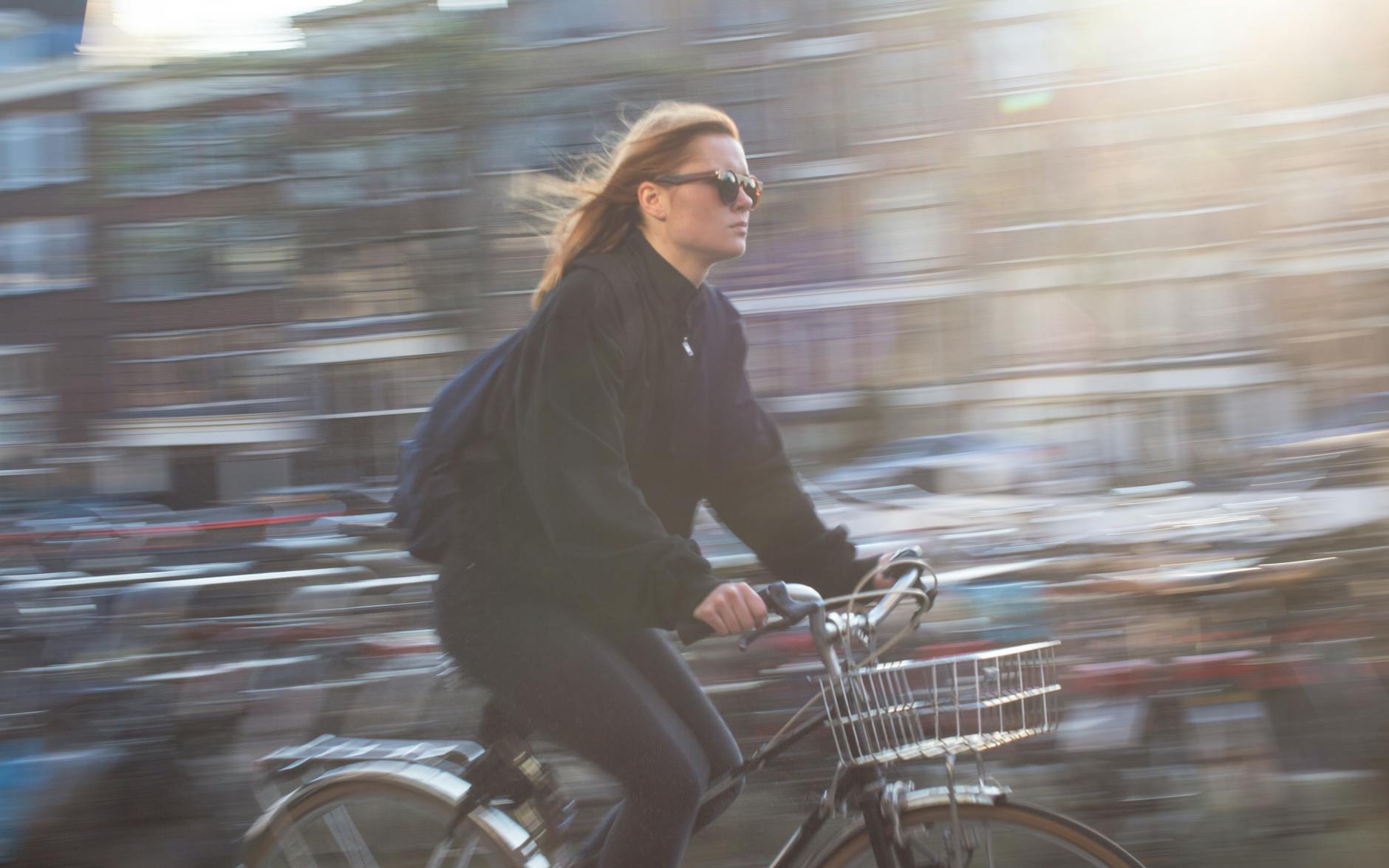
Increased female cycling participation translates into measurable health benefits. More people on bikes means more physical activity, particularly among demographics historically less likely to exercise regularly.
There’s also a transportation resilience angle—more cyclists means less car congestion on roadways, which benefits everyone including those who must drive. Communities with higher female cycling participation report secondary benefits: more foot traffic supporting local businesses, children seeing women as active commuters (changing their own assumptions about cycling), and reduced transportation costs for families. The economic impact has been documented in multiple cities where bike lane installations preceded noticeable increases in retail activity in affected neighborhoods.
The Future of Gender-Inclusive Cycling Infrastructure
The research trajectory suggests cities will increasingly prioritize gender equity in cycling planning. As the health, environmental, and economic benefits become clearer, the question shifts from “should we build separated infrastructure?” to “how do we prioritize it effectively?” Progressive cities are embedding gender considerations into infrastructure design from the start, not retrofitting later.
Future infrastructure likely will get smarter about meeting different needs. Some research explores variations in barrier design, lighting, and path width that appeal to different riders. The fundamental principle emerging from recent research is that cycling infrastructure planning that ignores gender differences will continue to underutilize a major transportation option.
Conclusion
Separated bike infrastructure doesn’t just increase the total number of cyclists—it fundamentally changes who cycles. By removing a specific barrier that disproportionately affects women, cities unlock transportation choices for thousands of residents. The research from 2025-2026 confirms what multiple cities have observed: when you build infrastructure that makes women feel safe, more women ride.
For cities considering bike infrastructure investments, the evidence points in one direction: separated lanes work. The question isn’t whether they increase female participation—the data confirms they do. The remaining questions are logistical and political: how to fund these improvements equitably, how to ensure network connectivity, and how to prioritize communities that have historically been left out of transportation planning.


