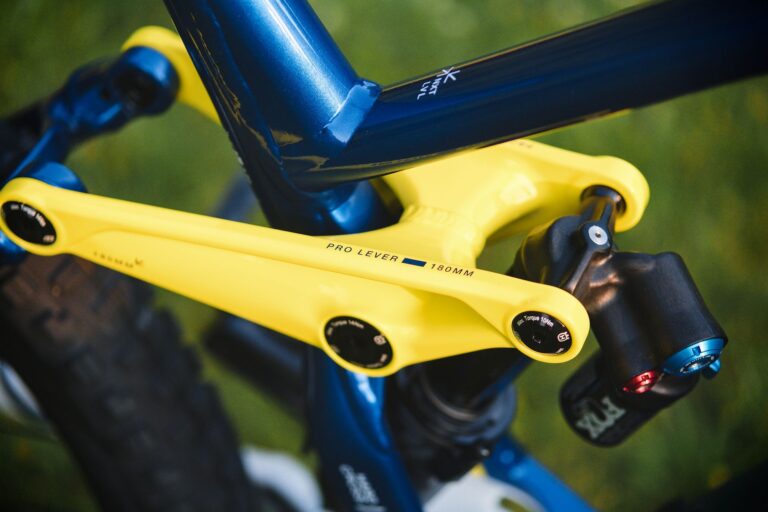
The $950 figure often cited for average bike damage claims in car-bike collisions doesn’t hold up under scrutiny. When you look at actual insurance industry data, claim settlements for bicycle damage in collisions with cars vary dramatically depending on the bike’s actual value, the severity of damage, whether injuries are involved, and your location. A $950 claim might cover a budget department store bike, but it falls far short of the replacement value for quality cycling equipment.
For example, if your $3,500 gravel bike is hit by a car and requires full replacement, you won’t be receiving $950—you’ll likely be fighting to recover the actual value of your equipment. The broader reality is that there’s no true “average” in bike damage claims because the settlement depends entirely on the specific circumstances. What you actually recover depends on the bike’s depreciated value, whether you have proper documentation, your location’s liability laws, and the at-fault driver’s insurance policy limits. Understanding what you’re actually entitled to—and how to document your claim properly—matters far more than chasing a misleading average.
Table of Contents
- What Do Bike Damage Claims Actually Look Like in Car-Bike Collisions?
- Why Do Insurance Claims for Bike Damage Vary So Much?
- Is Bike Damage Just About the Bike Itself, or Does Injury Change Everything?
- How Do You Actually Document Your Bike’s Value for an Insurance Claim?
- What Are the Most Common Valuation Problems Cyclists Face?
- What Role Do Insurance Policy Limits Play?
- What’s Changing in How Bike Damage Claims Are Handled?
- Conclusion
What Do Bike Damage Claims Actually Look Like in Car-Bike Collisions?
Insurance adjusters calculate bike damage claims based on repair costs or replacement value, not on some industry-wide average. If your bike can be repaired, the insurance company covers repairs. If it’s a total loss, they’re supposed to pay the bike’s fair market value at the time of the incident. The problem is that adjusters often undervalue bikes by comparing them to discount retail models rather than recognizing the actual value of cycling equipment. A Trek Domane that cost $2,800 new might be valued at $1,200 by an adjuster who’s comparing it to Walmart bikes. Your state’s negligence laws also affect your claim.
In comparative fault states, your compensation might be reduced if you’re found partially at fault. In no-fault insurance states like Michigan and Florida, your own uninsured motorist (UM) or underinsured motorist (UIM) coverage applies first. A cyclist in California might recover differently than one in Pennsylvania, even with identical accidents, because of how each state calculates damages and applies liability rules. Documentation makes the difference between a $950 lowball offer and actual fair compensation. If you have photos of your bike before the collision, a receipt or credit card statement showing the purchase price, maintenance records, and professional repair estimates, you have leverage. Without these, you’re fighting an adjuster’s assumptions about your bike’s value.
Why Do Insurance Claims for Bike Damage Vary So Much?
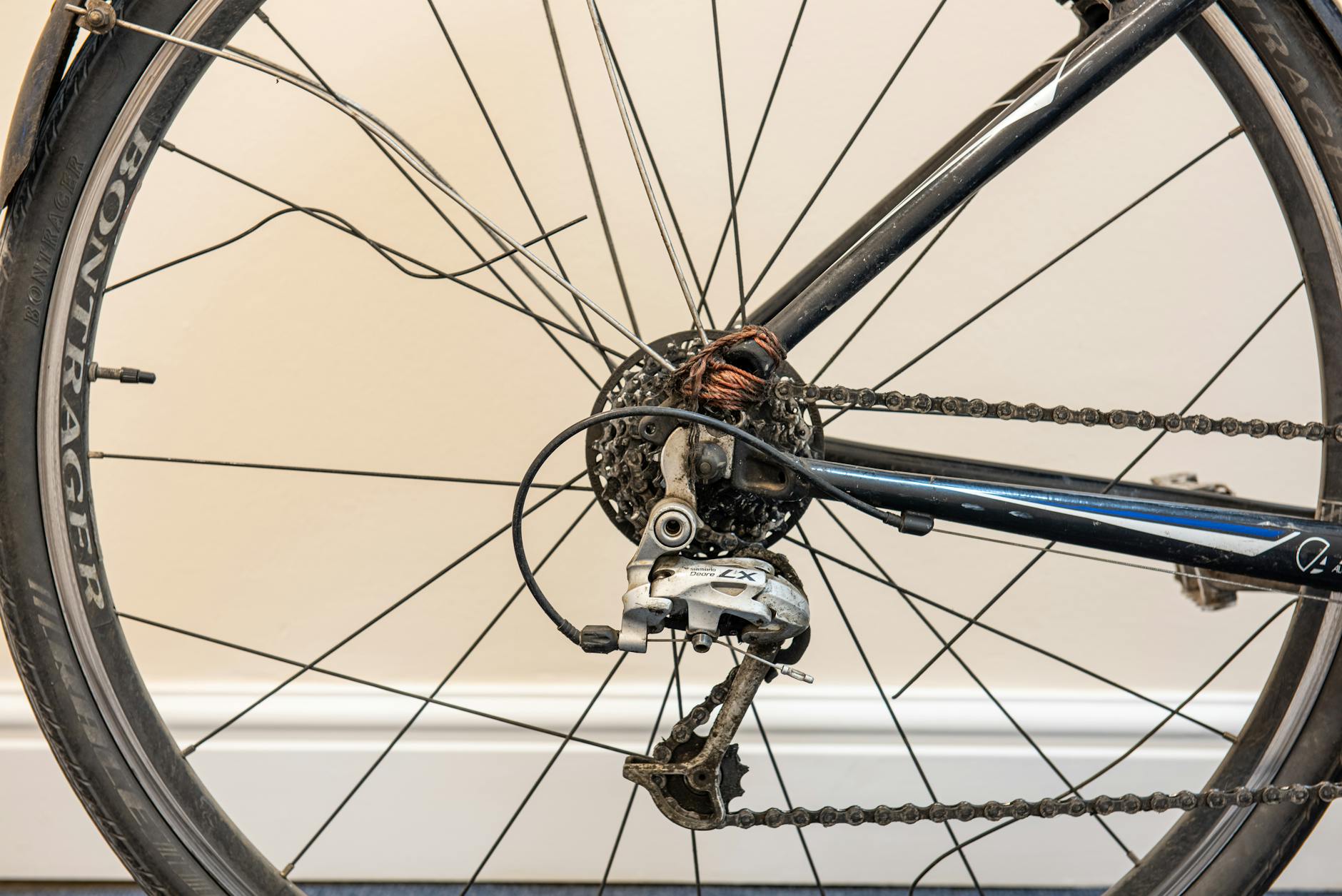
The biggest variable is the bike itself. A basic hybrid bike might have a replacement value of $400–$600. A carbon road bike, full-suspension mountain bike, or high-end gravel bike can be worth $2,000–$8,000 or more. Insurance companies use depreciation schedules when the bike isn’t brand new, so a three-year-old bike is worth less than the original purchase price. The depreciation rate varies by adjuster, which is a major source of disputes. Location matters significantly. Settlements in urban areas with higher cost of living (San Francisco, New York, Portland) tend to be larger than those in rural areas.
your state’s legal framework also plays a role. Pennsylvania bicycle accident settlements, for instance, average $25,000–$175,000 when injury is involved, partly because Pennsylvania allows broader damages claims. California settlements follow a different structure. These aren’t just about the bike—they include injury compensation, pain and suffering, and lost wages—but they show how geography affects what you can actually recover. The biggest limitation cyclists face is that many insurance policies have low damage limits for personal property. If the at-fault driver’s property damage liability only covers up to $15,000 total per accident, and you’re one of three people making claims, your bike damage settlement is capped. Many cyclists discover too late that their own homeowner’s or renters’ insurance doesn’t adequately cover a high-value bike either. This coverage gap often means you recover far less than the actual damage.
Is Bike Damage Just About the Bike Itself, or Does Injury Change Everything?
When a car hits a cyclist, two separate types of claims emerge: property damage (the bike) and personal injury (medical bills, pain and suffering, lost income). A comprehensive bicycle accident settlement might reach $12,000–$120,000, according to legal data, but that includes significant injury damages. Property damage alone—just the bike—is typically a fraction of that total. If you sustain injuries in a car-bike collision, your injury claim dominates the total settlement. A broken collarbone, road rash, or traumatic brain injury generates medical expenses and pain-and-suffering damages that dwarf the bike’s value.
Insurance companies treat injury claims and property damage as separate line items, with injury claims often getting far more attention (and larger payouts) because they carry higher liability exposure. A cyclist with a $3,000 bike and a broken leg might recover $20,000–$50,000 in injury damages but only $2,500–$3,000 for the bike itself, for a combined settlement around $25,000. The warning here is that cyclists who don’t pursue injury claims often undervalue their entire situation. Even minor injuries (soft tissue damage, whiplash, concussion symptoms) can compound over months and warrant compensation. Many cyclists settle quickly for property damage alone and miss out on injury claims that would have been worth far more.
How Do You Actually Document Your Bike’s Value for an Insurance Claim?
Start before anything happens. Keep original receipts, invoice numbers, and credit card statements showing what you paid for your bike. Take photos of your bike from multiple angles, including close-ups of the frame, components, and any upgrades or modifications. If you’ve spent money on aftermarket parts—a better wheelset, upgraded drivetrain, or professional fitting—document those investments. Many cyclists have $500–$1,500 in upgrades on their bikes that adjusters completely ignore if there’s no paper trail. When you file a claim after a collision, get a professional repair estimate from a reputable bike shop. This estimate becomes powerful evidence.
If the damage is a total loss, ask the shop to document what they see and provide a written assessment of repairability. For depreciation, research the current market value of your bike model and year on sites like Craigslist, eBay sold listings, or Facebook Marketplace. This establishes what similar bikes are selling for, which supports your replacement-value argument. An insurance adjuster’s lowball estimate is easier to challenge when you have a competing professional repair estimate and market comps showing higher value. Comparison shopping helps too. If an adjuster offers $950 for your bike and you can show that comparable used bikes of the same model and year are selling for $2,000–$2,500 online, you have concrete leverage. The burden is on you to prove value, but the tools to do it are within reach.
What Are the Most Common Valuation Problems Cyclists Face?
Adjusters frequently use the “stated value” approach, where they assign a depreciation percentage based on age and condition without checking market reality. A five-year-old bike depreciates at roughly 40–50% of original value under standard depreciation schedules, but a limited-production or specialty bike might hold value better. A well-maintained vintage steel frame might actually appreciate. Adjusters rarely account for these nuances—they apply a formula and move on. Another common problem is the “replacement cost versus actual cash value” confusion. Some insurance policies promise replacement cost (what it costs to replace your bike new), while others only pay actual cash value (depreciated value). Many cyclists don’t know which they have until they file a claim.
Homeowner’s and renters’ policies typically pay actual cash value for personal property, which is always less than replacement cost. This gap means you get $1,200 when your bike would cost $3,000 to replace new, a $1,800 shortfall you absorb yourself. The final common problem is lack of documentation. Cyclists who lose receipts, can’t find serial numbers, or don’t have photos are at the adjuster’s mercy. Without evidence, the adjuster’s valuation stands, no matter how low. This is why action now—before you need it—matters. Create a home inventory file with photos and receipts for high-value bikes, and update it annually.
What Role Do Insurance Policy Limits Play?
Your recovery is capped by the at-fault driver’s liability policy limits. Most states require minimum liability coverage of $15,000–$25,000 for property damage. If the at-fault driver has only the state minimum, and property damage claims exceed that limit, you recover the limit and absorb the rest. If multiple people are injured or have property damage claims against that policy, the $15,000 is split between all claimants.
Your own insurance also factors in. If you have homeowner’s or renters’ insurance, check the personal property limit and whether it covers bikes specifically. Some policies cap bike coverage at $500–$1,000 even though you might own a $4,000 bike. You may be able to purchase additional coverage (a “rider” or “endorsement”) for high-value bikes, which provides better protection than standard coverage. If the at-fault driver is underinsured, your uninsured/underinsured motorist coverage (UM/UIM) can bridge the gap, but again, only up to your policy limits.
What’s Changing in How Bike Damage Claims Are Handled?
As cycling infrastructure improves and more people commute by bike, insurance companies are gradually recognizing bikes as legitimate high-value items. Some insurers now offer specific coverage for bicycles with stated-value options, where you declare the bike’s value upfront and the insurer agrees to replace it at that value if damaged. This sidesteps the depreciation argument entirely.
If you own multiple quality bikes or a single expensive one, this type of coverage is worth exploring. The broader shift is toward better recognition that bicycles are not disposable consumer goods. Urban cycling growth, e-bike adoption, and awareness that quality bikes are real investments are pushing adjusters and insurers to take bike valuations more seriously. This doesn’t mean the system is perfect, but it does mean you have more leverage now to argue your case if you’re organized and have documentation.
Conclusion
The “$950 average” for bike damage claims is a myth unsupported by current insurance data. What you actually recover depends on your bike’s real value, your documentation, your location, and the at-fault driver’s policy limits. A realistic range for bike-only property damage is anywhere from a few hundred dollars for a budget bike to several thousand for a high-value machine—there’s no meaningful average because too many variables change the outcome.
Your best protection is documentation now, before a collision happens. Keep receipts, take photos, know your insurance coverage, and track your bike’s value. When a claim does happen, gather professional repair estimates, document the market value of comparable bikes, and push back against lowball initial offers with evidence. The system rewards cyclists who are organized and prepared, and punishes those who aren’t.