The maintenance difference between disc brakes and rim brakes isn’t as dramatic as the “$150 annual gap” you might hear thrown around, but it’s real and worth understanding before you commit to either system. The actual yearly difference tends to fall in the $60 to $80 range when you add professional disc brake servicing ($60 for annual bleeding and purging) to pad replacement costs ($80 for quality disc pads versus $60 for rim pads). However, this narrow annual difference masks a more complex financial reality that can shift dramatically depending on your riding style, local labor costs, and how long you plan to own your bike.
The real story isn’t just about what you pay each year—it’s about what happens in years three, four, and five when different failure modes kick in. A casual commuter with rim brakes might never see the hidden costs that plague high-mileage cyclists. A mountain biker running disc brakes, meanwhile, might pay steady annual bills while a rim brake rider suddenly faces a $200+ wheel replacement because the braking surface has worn through the rim. This article breaks down the actual maintenance expenses that most cyclists don’t realize until they hit them.
Table of Contents
- Why Disc Brake Bleeding Costs Mount Faster Than Most Cyclists Expect
- The Complexity Problem: Why Disc Brake DIY Maintenance Often Fails
- The Hidden Rim Wear Crisis That Catches Cyclists by Surprise
- Breaking Down Your Real Annual Maintenance Costs by Brake Type
- Hydraulic Contamination and the Bleeding Cycle No One Wants to Talk About
- Brake Pad Longevity: Why Disc Brake Pads Last Longer But Cost More
- The Future of Your Brake Investment and When One System Wins
- Conclusion
Why Disc Brake Bleeding Costs Mount Faster Than Most Cyclists Expect
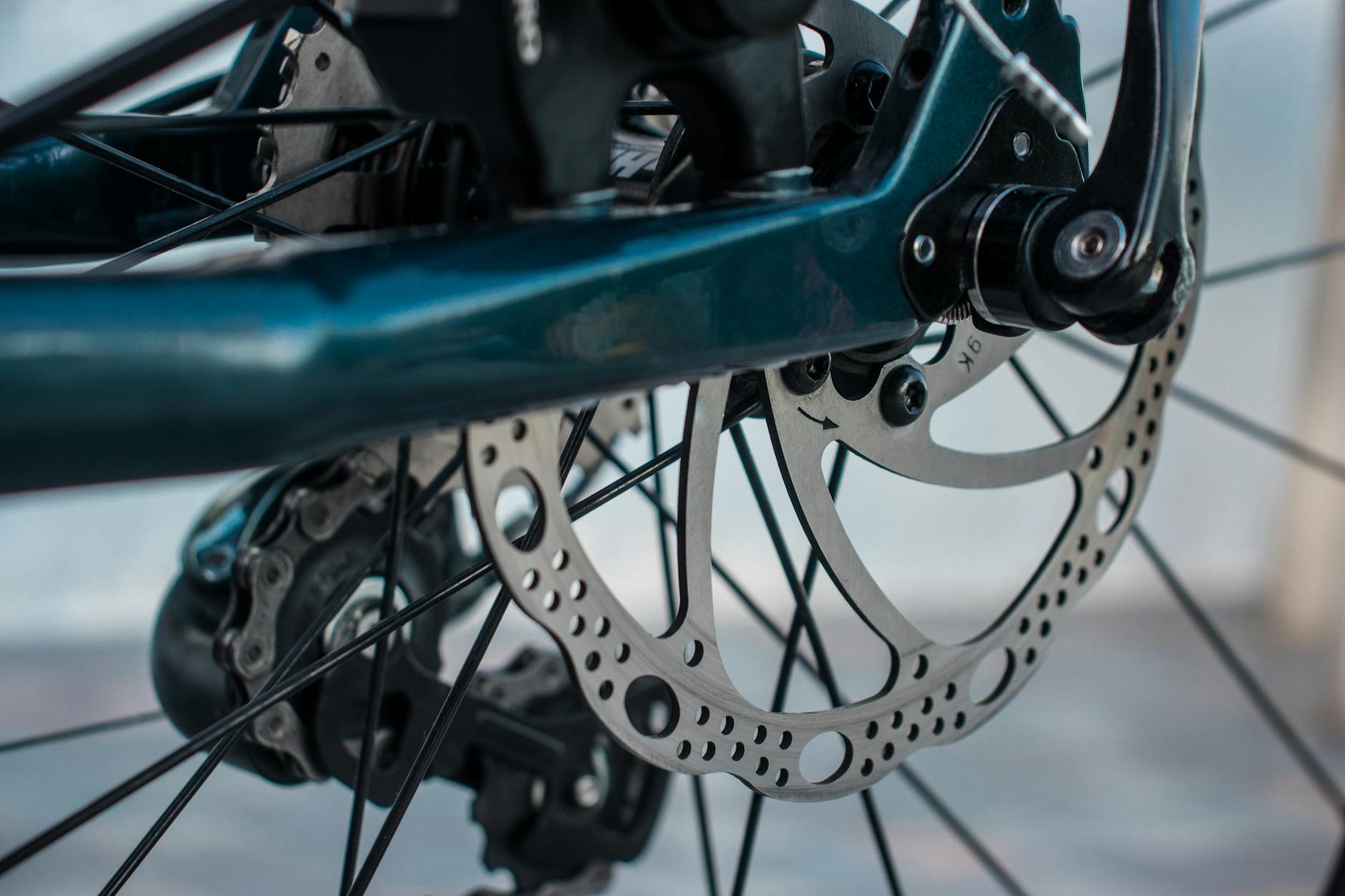
Disc brakes create an ongoing expense that rim brakes simply don’t have: annual hydraulic system maintenance. Even if your pads are still good and your rotors haven’t worn, the brake lines collect air bubbles over time, particularly in humid climates or during seasonal temperature swings. A professional bleeding service—the standard recommendation from shops and manufacturers—costs approximately $60 per year when you factor in labor and materials. That $60 annual fee adds up quickly. Over five years, that’s $300 just for keeping the hydraulic fluid clean and the system pressurized.
A rim brake rider, by contrast, can go five years without spending anything on system maintenance if their pads and rims are still serviceable. This is where the maintenance narrative diverges: disc brakes demand proactive, recurring professional attention while rim brakes are reactive—you pay only when a specific component fails. The bleeding requirement also creates a timing problem that rim brakes avoid entirely. If you ignore the air in your hydraulic lines, your braking power degrades gradually until one day you’re squeezing the lever three-quarters of the way to the bar for adequate stopping power. By that point, a simple bleed-and-flush becomes urgent instead of preventive. Many cyclists don’t discover they need service until they’re already struggling with spongy brakes.
The Complexity Problem: Why Disc Brake DIY Maintenance Often Fails
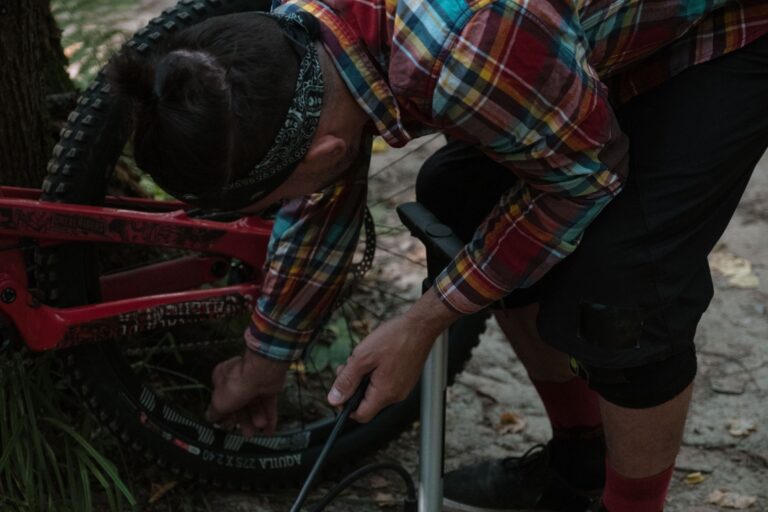
One reason disc brake maintenance costs more is the technical skill required. Rim brake pad replacement is something a competent home mechanic can handle in 20 minutes with a 2.5mm allen key. Disc brake maintenance—especially bleeding hydraulic systems—requires specific knowledge, tools, and brake fluid that most cyclists don’t have lying around. A hydraulic disc brake system that hasn’t been properly bled will fail you during a long descent. Contamination from water, dust, or the wrong brake fluid destroys the seals. Insufficient pressure leaves you with weak brakes when you need them most.
These aren’t problems you can half-fix and ride away from. If you attempt a bleed at home without proper tools (a complete bleed kit costs $30-50 for entry-level options), you risk trapping air in the system or accidentally pouring the wrong fluid into the lever. The “savings” from DIY work evaporate the moment you have to take the bike to a shop anyway to fix what went wrong. This is the warning that most cycling forums avoid: disc brake maintenance creates a barrier to entry for home mechanics. Rim brakes, by contrast, can be maintained to acceptable standards by almost anyone willing to watch a YouTube video. That accessibility difference doesn’t show up in your annual maintenance spreadsheet, but it shows up in your frustration level when something goes wrong mid-ride.
The Hidden Rim Wear Crisis That Catches Cyclists by Surprise
While disc brake riders are paying steady annual bills, rim brake riders face a different kind of shock: eventual wheel replacement. Rim brakes wear the rim’s braking surface down with every ride. Over time—typically 3 to 5 years of regular commuting or 2 to 3 years of frequent mountain biking—the rim becomes too worn to safely hold brake pressure. The sidewall thins, and the rim can fail catastrophically under hard braking. When this happens, you’re not replacing brake pads anymore.
You’re replacing the entire wheel, which typically costs $150 to $300 depending on the rim quality and whether you need hub rebuilding. A cyclist who ignored incremental rim brake costs for five years suddenly faces a $250 bill that makes the $60 annual disc brake bleeding look like a bargain. This is the long-term cost trap that the “$150 maintenance difference” claim is really trying to point to—not the year-to-year expenses, but the eventual replacement cliff. The timing is also unpredictable. You can’t easily tell when a rim is about to fail without knowing what to look for, and many cyclists only discover the problem when their brakes suddenly feel weak or they notice the rim bulging outward. A bike shop will flag a worn rim during service, but if you’re doing home maintenance, you might miss the warning signs until it’s too late.
Breaking Down Your Real Annual Maintenance Costs by Brake Type
For a cyclist running disc brakes, let’s build the actual budget: quality disc pads ($80) plus annual hydraulic servicing ($60) equals $140 per year. If you’re riding a bike with two wheels, double that brake cost and you’re at $280 annually for a complete system. This assumes you’re not replacing rotors (which happens every 3-5 years and costs another $50-100 per rotor). For rim brakes, the annual cost is lower: $60 for a full set of quality pads plus routine rim inspection (which you can do yourself). Most years, you’re spending $60-80 and nothing more. The problem is year four or five, when rim replacement costs $200-300.
If you spread that over five years, you’re looking at an average of $80-100 per year, which is actually comparable to disc brake costs. The narrative that “disc brakes are more expensive” oversimplifies the math. The real tradeoff depends on your riding timeline and intensity. Casual commuters who replace their bikes every five years are better off calculating backwards from eventual rim replacement and comparing that to steady disc brake bills. Riders who keep their bikes longer benefit from disc brakes because the maintenance is predictable and controlled. High-mileage mountain bikers see disc brake advantages fade because constant mud and water exposure means more frequent bleeding cycles—sometimes twice yearly in wet climates.
Hydraulic Contamination and the Bleeding Cycle No One Wants to Talk About
Here’s what most cycling articles skip: hydraulic disc brakes fail faster in certain environments. Humid coastal climates, high-rainfall regions, and trails with frequent water crossings create conditions where moisture enters the brake system faster. Moisture inside brake fluid causes corrosion in the calipers and reduces braking performance. The $60 annual bleed becomes a $60 twice-yearly expense. The same contamination risk applies to brake fluid encountering dirt and dust. A single hard crash that cracks a brake line doesn’t just ruin braking power—it lets contamination flood the system.
Professional repair becomes unavoidable. You can’t “limp home” on spongy disc brakes the way you might with weakened rim brakes. Disc brake riders in dry climates might go two years between bleeds. Riders in wet climates might need service every six months. This variance is the hidden maintenance wildcard that doesn’t appear in generic cost comparisons. Your climate and local trail conditions matter as much as brake type.
Brake Pad Longevity: Why Disc Brake Pads Last Longer But Cost More
Disc brake pads generally last longer than rim brake pads because they’re shielded from road debris and operate in a controlled hydraulic chamber. A set of quality disc brake pads might deliver 1,500 to 2,000 miles or more in light use, while rim brake pads wear down faster due to exposure to grit, sand, and whatever’s on your rim surface. This longevity advantage explains the higher price ($80 versus $60) and partially offsets the frequent servicing costs. Consider a gravel cyclist who rides 4,000 miles per year.
With rim brakes, they might replace pads 2-3 times annually at $60 per set. With hydraulic disc brakes, they might replace pads once annually at $80, plus one annual bleed at $60. The disc brake scenario costs $140; the rim brake scenario costs $120-180 depending on how aggressively the pads wear. The difference narrows when you factor in actual riding conditions.
The Future of Your Brake Investment and When One System Wins
Disc brakes have essentially won the industry. New road bikes increasingly ship with disc brakes, and rim brakes are becoming harder to find in mid-range and premium categories. This shift has implications for your long-term maintenance budget. Disc brake components are becoming more standardized and competitive, meaning service costs will likely stabilize or drop over the next few years as volume increases.
Rim brake parts, conversely, are consolidating into premium retro-builds and budget entry-level bikes, which may mean less availability and higher prices when you need them. If you’re buying a new bike, disc brakes are the safer long-term bet for parts availability and familiarity among mechanics. If you own an older rim brake bike, there’s no urgency to convert—just be aware that your eventual wheel replacement is budgeted into your cost of ownership. The $150 maintenance difference was always mythical; the real difference is in *when* you pay and *how much control* you have over the payment schedule.
Conclusion
The maintenance cost difference between disc and rim brakes isn’t a fixed $150 annual gap—it’s a complex variable that depends on your climate, riding intensity, and ownership timeline. Disc brakes demand steady, predictable professional servicing ($60+ annually for hydraulic maintenance), while rim brakes ask for less frequent intervention until the braking surface finally wears out and demands expensive wheel replacement. Over five years, the total cost often comes out roughly equal, but the payment schedule and your climate dramatically alter the equation.
What most cyclists don’t realize is that brake maintenance cost isn’t really the deciding factor between the two systems anymore. Both are competent, safe, and cost-competitive when you math them honestly. The real decision should come down to performance in your local conditions, how much maintenance skill you’re willing to develop, and whether you value the predictability of disc brake schedules or the simplicity of rim brake repairs.