Cycling is an effective tool for managing anxiety and improving mood, supported by both scientific research and the lived experience of millions of riders worldwide. The combination of aerobic exercise, outdoor exposure, and rhythmic movement activates physiological pathways that directly counter anxiety symptoms while simultaneously boosting mood-regulating neurotransmitters. Whether you’re a competitive cyclist or someone who rides casually on weekends, the mental health benefits accumulate quickly—many riders report feeling noticeably calmer and more emotionally regulated within just a few weeks of consistent cycling. The mechanism is straightforward: as you pedal, your body releases endorphins and serotonin, the chemicals responsible for feelings of well-being and contentment.
Simultaneously, the focused attention required during a ride acts as a form of moving meditation, displacing the ruminating thoughts that fuel anxiety. A software engineer in Portland found that her midday 45-minute commute on a fixed-gear bike reduced her afternoon anxiety attacks from several per week to nearly zero after two months, a transformation she attributes entirely to the consistency and mental space the routine created. What makes cycling particularly effective compared to gym-based workouts is the environmental element. You’re moving through changing scenery, breathing fresh air, and experiencing natural light exposure—factors that independently improve mood and reduce anxiety symptoms beyond what indoor exercise alone provides.
Table of Contents
- How Does Cycling Physically Reduce Anxiety Symptoms?
- The Mental Engagement Factor and Its Limitations
- The Mood-Elevation Effect and Social Connection
- Choosing Your Cycling Approach for Anxiety Management
- Weather, Seasonal Effects, and Cycling Consistency
- Nutrition, Sleep, and Maximizing the Anxiety-Relief Benefits
- Building a Sustainable Cycling Practice for Long-Term Mental Health
- Conclusion
How Does Cycling Physically Reduce Anxiety Symptoms?
Anxiety manifests as both a mental and physical state, marked by elevated cortisol levels, increased heart rate, and muscle tension. cycling addresses each of these biological markers directly. Regular aerobic exercise lowers resting cortisol levels over time, meaning your nervous system becomes less reactive to stressors even when you’re not riding. A 30-minute cycling session at moderate intensity burns glycogen stores and increases BDNF (brain-derived neurotrophic factor), a protein that supports nerve cell growth and mood regulation.
The cardiovascular benefits create a secondary anxiety-reduction effect. As your cardiovascular fitness improves through consistent cycling, your resting heart rate drops and your heart rate variability improves—a metric that correlates strongly with emotional resilience and lower anxiety. Someone who starts cycling at 80 beats per minute at rest might see that drop to 55-60 beats per minute within a few months, which directly translates to feeling less “on edge” throughout the day. This isn’t placebo; it’s a measurable change in your autonomic nervous system’s baseline state.
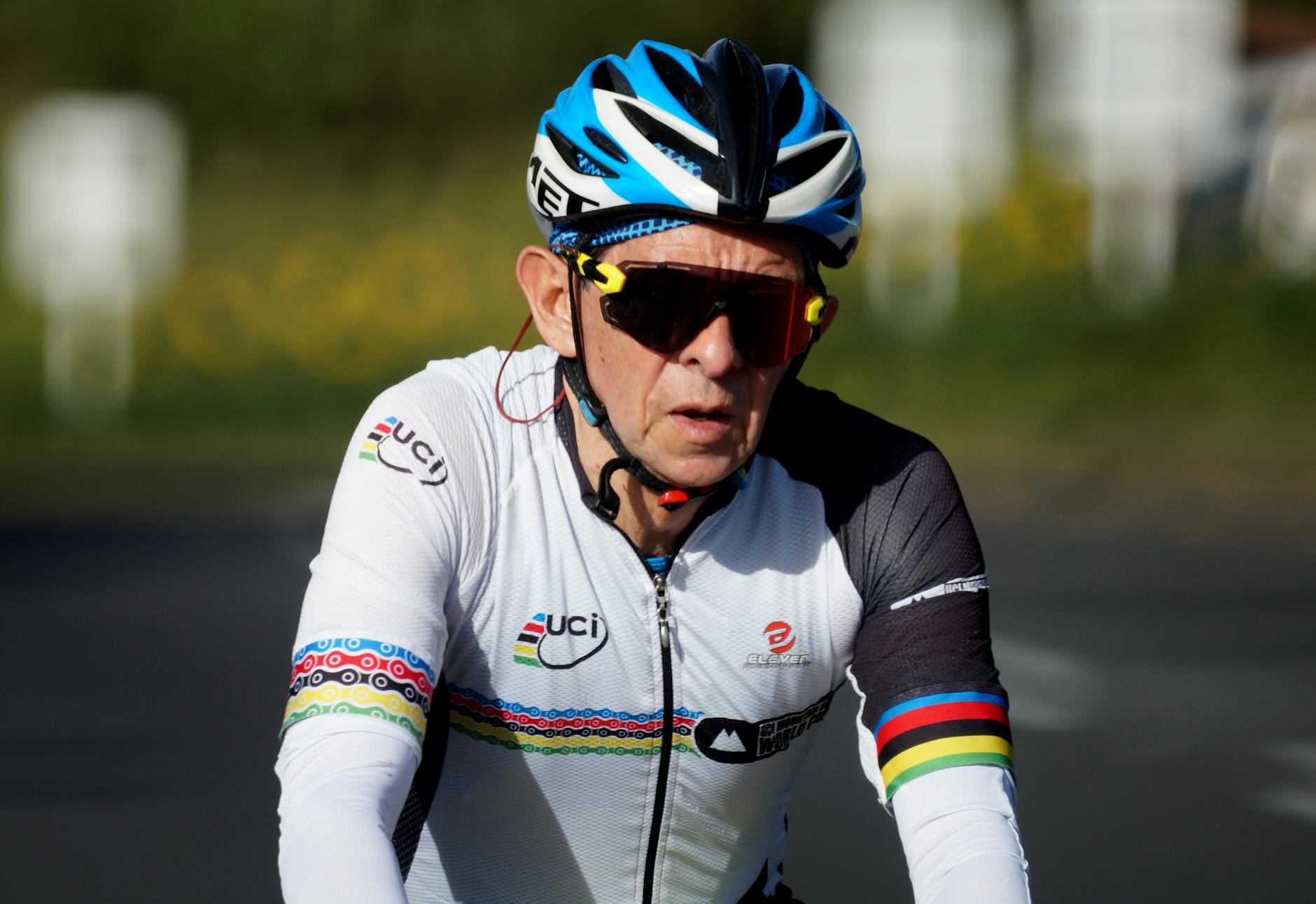
The Mental Engagement Factor and Its Limitations
Beyond biochemistry, cycling demands enough cognitive engagement to interrupt anxious thought patterns without being so demanding that it creates additional stress. The rhythm of pedaling, the need to navigate terrain, and the attention required to balance and handle the bike occupy the parts of your brain that would otherwise loop through worries and catastrophic thinking. This is why cycling often feels more mentally restorative than activities like running, where your mind has more freedom to wander into anxious territory. However, this benefit has limitations worth acknowledging.
For people with severe anxiety disorders or panic attacks, the physiological arousal of hard cycling—elevated heart rate, rapid breathing—can sometimes trigger rather than relieve anxiety if they misinterpret these sensations as signs of danger. Starting with shorter, easier rides at a sustainable pace is essential for anxiety-prone cyclists. Additionally, cycling outdoors in poor weather or unsafe conditions can itself become a source of stress, undermining the mental health benefits. The ideal setup is having access to routes where you feel safe and comfortable, which isn’t equally available to everyone depending on geography and neighborhood safety.
The Mood-Elevation Effect and Social Connection
Cycling doesn’t just reduce negative emotions; it actively elevates mood through multiple pathways. The endorphin release is real and immediate—many cyclists describe a genuine “high” 20-30 minutes into a ride, often followed by improved mood for hours afterward. But the sustained mood improvement over weeks comes partly from accomplishment and growth. Gradually riding longer distances, climbing hills that felt impossible three months ago, or simply maintaining a consistent routine creates a sense of progress and competence that directly combats depression.
The social element amplifies this considerably. Solo riding offers meditative benefits, but group rides create community and connection—two of the strongest protective factors against anxiety and depression. A cycling club in Denver found that members who participated in weekly group rides reported significantly better mental health outcomes than those who rode solo, even when total mileage was identical. The conversation, shared struggle on climbs, and mutual encouragement create a psychological support structure that isolated exercise can’t replicate.

Choosing Your Cycling Approach for Anxiety Management
The best cycling regimen for anxiety is one you’ll actually maintain consistently, which means matching the intensity and style to your personality and preferences. For some people, this means intense morning commutes that energize them for the day. For others, it’s gentle weekend rides through scenic routes that prioritize peace over pace. High-intensity interval training on a bike does provide significant anxiety benefits, but it also creates acute stress on your system and requires recovery time—not the best choice if you’re already running on depleted reserves.
Steady-state cycling at a pace where you can still carry on a conversation provides the mental and physical benefits with less physiological stress. The comparison matters because overtraining is real, and pushing yourself beyond your current capacity can paradoxically increase anxiety and mood disruption. The sweet spot for anxiety relief is consistency over intensity—three or four moderate rides per week, where you feel energized rather than exhausted, will deliver better long-term mental health results than sporadic intense efforts that leave you depleted. Consider also the practical trade-off between outdoor and indoor cycling: outdoor riding offers environmental benefits but depends on weather and daylight, while stationary cycling is convenient but lacks the mood-boosting environmental factors.
Weather, Seasonal Effects, and Cycling Consistency
One significant challenge for year-round cycling as an anxiety management tool is dealing with weather and seasonal mood changes. Winter cycling in cold climates requires more effort, more gear, and more motivation—precisely when anxiety and seasonal depression often intensify. Some people find that winter riding, once they push through initial resistance, provides even greater mental health benefits because it requires commitment and creates a sense of accomplishment. Others find that the barriers are too high and their cycling practice collapses in winter, undoing months of progress.
A warning worth heeding: don’t let weather become an excuse to abandon cycling entirely during difficult months, but also be realistic about modifications. Shorter rides on mild winter days, indoor cycling during extreme weather, or shifting to commuting by bike during warmer months are all valid approaches. The mental health benefits of cycling are sustained only through consistency; a three-month gap followed by aggressive return efforts often triggers injury and renewed anxiety rather than relief. The realistic approach is building a cycling practice that can flex with seasons and life circumstances while maintaining some regular movement.

Nutrition, Sleep, and Maximizing the Anxiety-Relief Benefits
Cycling’s mood-boosting effects are amplified or diminished by what happens off the bike, particularly sleep and nutrition. Intense or consistent cycling without adequate recovery actually increases cortisol and anxiety rather than decreasing it. Riders who are sleep-deprived or undernourished often feel worse mentally and physically despite their dedication to training. The anxiety-relief cycle works best when you’re also prioritizing seven to nine hours of quality sleep and eating sufficient calories and nutrients to support your activity level.
A specific example: a graphic designer who started cycling to manage her anxiety saw initial improvements for the first month, then experienced worsening anxiety, irritability, and mood swings by month three. Investigation revealed she’d increased her cycling volume significantly while reducing calories to lose weight—a combination that elevated stress hormones despite the physical activity. Once she prioritized adequate nutrition and sleep around her rides, the anxiety-reduction benefits returned and stabilized. The takeaway is that cycling is one tool in a broader wellness picture; treating it in isolation without supporting recovery sabotages the mental health benefits.
Building a Sustainable Cycling Practice for Long-Term Mental Health
The most important insight about cycling and anxiety is that the benefits are proportional to consistency and longevity. A single epic ride provides a temporary mood boost, but lasting anxiety relief comes from months and years of regular practice. This means your cycling routine should be something you genuinely enjoy and can sustain alongside work, family, and other responsibilities—not something that feels like another obligation or source of stress.
Looking forward, the role of cycling in mental health management is likely to become more widely recognized and integrated into clinical treatment plans. Some therapists and psychiatrists already recommend cycling alongside or sometimes instead of medication for mild to moderate anxiety, and the research base supporting this continues to grow. Whether you’re starting to cycle specifically for anxiety management or discovering that your existing riding practice has been quietly improving your mental health all along, the key is recognizing the connection and committing to consistency rather than perfection.
Conclusion
Cycling is a powerful, evidence-based tool for managing anxiety and improving mood, offering benefits that range from immediate endorphin release to long-term changes in nervous system function. The combination of aerobic exercise, cognitive engagement, outdoor exposure, and social opportunity creates multiple pathways to mental health improvement, making it more effective than many single-intervention approaches. Beyond the physiology, cycling offers something increasingly rare in modern life: a dedicated time and space to move your body, breathe fresh air, and step away from the mental patterns that fuel anxiety.
Starting a cycling practice for anxiety relief doesn’t require expensive equipment, athletic ability, or perfect conditions. It requires consistency and patience—showing up for rides even when you don’t feel motivated, trusting that the benefits will accumulate, and adjusting your approach when life or weather disrupts your routine. Whether you ride three miles on a quiet neighborhood route or thirty miles on a weekend century, the mental health benefits are real and waiting. The best cycling regimen is the one you’ll actually sustain, so start somewhere realistic and let your experience on the bike teach you what your mind and body need.


