Cycling is one of the most effective ways to rehabilitate after an injury because it provides controlled movement, low-impact exercise, and gradual progression that allows your body to rebuild strength without the jarring forces of running or jumping. Unlike stationary recovery, cycling uses the pedaling motion to engage muscles, improve circulation, and restore mobility while protecting vulnerable joints—making it ideal for recovering from knee surgery, ankle sprains, hip injuries, or general orthopedic trauma.
A cyclist recovering from ACL reconstruction surgery, for example, can begin gentle stationary cycling within days of the procedure and progress to outdoor riding within weeks, something that would be risky with high-impact activities. The key to using cycling effectively in rehabilitation is matching the intensity and duration to your current healing stage, working within your physiotherapist’s guidelines, and understanding when cycling helps versus when rest is necessary. This article covers how to integrate cycling into your recovery plan, what types of cycling are safest at each stage, and how to recognize when you’re progressing appropriately.
Table of Contents
- Why Is Cycling Low-Impact and Beneficial for Injured Joints?
- Choosing the Right Type of Cycling During Different Recovery Stages
- Adjusting Bike Fit and Positioning for Injury-Specific Recovery
- Structuring Your Cycling Workouts During Rehabilitation
- Avoiding Re-Injury and Recognizing When to Back Off
- Cross-Training and Complementary Recovery Activities
- Returning to Normal Cycling and Long-Term Outlook
- Conclusion
- Frequently Asked Questions
Why Is Cycling Low-Impact and Beneficial for Injured Joints?
cycling is low-impact because your feet stay in contact with the pedals throughout the pedaling cycle—there’s no landing or sudden force transfer like in running. The circular motion of pedaling is naturally smooth and repetitive, which means your knees, hips, and ankles experience controlled, predictable movement rather than shock. This matters significantly for injury recovery: when you run, your leg absorbs impact forces that can be 2-3 times your body weight with each stride. On a bike, those forces are minimal and distributed gradually through the pedaling motion.
A person recovering from a stress fracture in the tibia, for instance, might be unable to walk without pain but can cycle comfortably because there’s no impact component. Beyond low impact, cycling actively supports healing by promoting blood flow to the injured area. The repetitive leg motion increases circulation without stressing tissues, which brings oxygen and nutrients necessary for tissue repair. Your muscles also stay gently engaged during cycling, preventing the atrophy that happens with complete immobilization while respecting the injury’s limitations. The resistance you choose—light spinning on flat terrain or moderate effort against gentle resistance—can be adjusted minute-by-minute to match your tolerance level.
Choosing the Right Type of Cycling During Different Recovery Stages
The type of cycling you do should shift as your injury heals. In the earliest phase (first 2-4 weeks after injury or surgery), stationary cycling on a recumbent bike or spin bike is usually the safest option because you control the environment completely—no uneven surfaces, no unexpected forces, and the ability to stop instantly if pain increases. The recumbent position is particularly valuable for hip or lower-back injuries because it removes compression from the spine.
However, a common limitation is that stationary cycling can feel monotonous and it doesn’t build the stabilizer muscles you’ll need for outdoor riding, so it’s best viewed as a stepping stone rather than a permanent solution. As healing progresses (weeks 4-8), you can transition to outdoor cycling on flat, smooth surfaces—paved paths or low-traffic roads where you don’t have to worry about sudden turns or obstacles. This stage is crucial because outdoor riding engages your core muscles, balance, and proprioceptive system in ways stationary cycling cannot. The warning here is not to progress too quickly: many people return to outdoor riding prematurely because they feel good on the stationary bike, only to experience pain or re-injury when dealing with real-world variables like wind resistance, road surface variation, or cornering forces.
Adjusting Bike Fit and Positioning for Injury-Specific Recovery
Bike fit becomes critically important during recovery because even small positioning errors can aggravate a healing injury. For knee injuries specifically, your seat height should position your knee at roughly a 25-30 degree bend at the bottom of the pedal stroke—too high and you create excessive stress at the top of the movement, too low and you overload the patella. For hip injuries, you might need to adjust your seat forward or backward to change the leverage angle. A cyclist recovering from IT band syndrome, for example, might need their cleats rotated slightly or their seat moved back to reduce the compression angle that was originally causing the irritation.
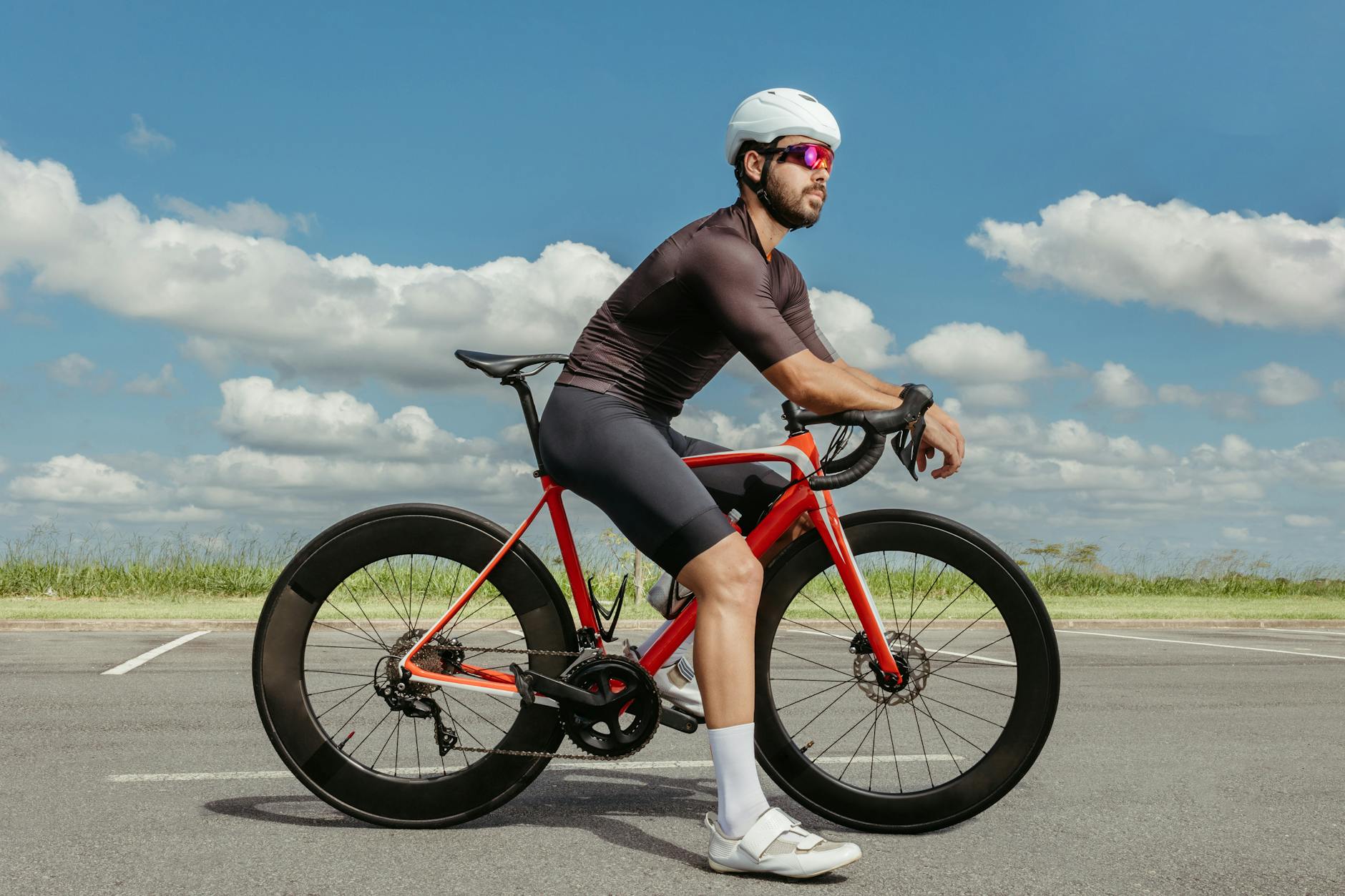
The frame geometry matters too. During recovery, a more upright position (like a hybrid bike or road bike with drop bars kept high) reduces stress on the spine and hip flexors compared to an aggressive racing position. This positioning adjustment is something to discuss with your physical therapist or sports medicine doctor, as they understand your specific injury mechanics. The trade-off is that upright positions are less aerodynamic and slower, but speed isn’t the point during rehabilitation—healing is.
Structuring Your Cycling Workouts During Rehabilitation
A typical rehabilitation cycling workout should start very conservatively and progress gradually over weeks. In week 1, you might do 10-15 minutes of easy, flat spinning on a stationary bike, with zero resistance beyond the pedals’ natural rolling resistance. Each week, you could add 5 minutes of duration or increase resistance slightly, but not both at once. By week 6-8, you might be doing 30-40 minutes of outdoor cycling with some gentle rolling hills. The comparison to other recovery methods is important: cycling allows you to work at 40-60% of your maximum effort during the middle phase of recovery, whereas walking might only tolerate 20% effort, and strength training might require complete avoidance of that limb.
Pain is your signal to adjust. If you experience sharp or increasing pain during cycling, stop and rest. Mild discomfort that decreases as you warm up is often normal and manageable, but there’s a difference. Keep a simple log of your cycling sessions (duration, intensity, how you felt) so you and your physiotherapist can identify patterns. If pain always appears after 20 minutes, you know 20 minutes is currently your limit and you shouldn’t exceed it, even if you feel like you could.
Avoiding Re-Injury and Recognizing When to Back Off
A major pitfall in cycling rehabilitation is the “feeling good” trap—you have a great cycling session, feel strong, and immediately increase your next session’s intensity or duration. The problem is that tissue healing doesn’t correlate directly with how you feel. Your pain tolerance might increase faster than your actual tissue strength, meaning you can overload an injury before your body sends a warning signal. This is especially true with knee injuries; many people experience a sharp increase in pain 24-48 hours after overdoing a workout, not during it.
Watch for warning signs: increased swelling after rides, pain that wakes you at night, stiffness that’s worse the morning after a bike session, or reduced range of motion. These suggest you’ve exceeded your current capacity and need to reduce duration or intensity. Also be aware of compensation injuries—if your left knee was injured, you might unconsciously put extra load on your right leg during recovery, eventually creating pain on the healthy side. Video yourself cycling or have someone watch to ensure you’re not favoring one side excessively.

Cross-Training and Complementary Recovery Activities
Cycling alone is incomplete rehabilitation; it should be part of a broader recovery plan that includes physical therapy exercises, strength training for uninjured areas, and mobility work. Swimming and water running are excellent complements to cycling because they provide additional cardiovascular work without impact while engaging different muscle groups. For someone recovering from an ankle injury, for instance, cycling maintains cardiovascular fitness while swimming could address hip and core strength simultaneously, reducing overall rehabilitation time.
Stretching and foam rolling (carefully, in non-injured areas) support cycling recovery by maintaining flexibility and reducing muscular tension. The limitation is that these activities don’t replace the mechanical work cycling provides—you need the actual cycling stimulus to rebuild proprioception and sport-specific strength. A balanced week might include 3 cycling sessions, 2 strength/physical therapy sessions, and 1 swimming or cross-training session, adjusted based on your injury and your healthcare provider’s recommendations.
Returning to Normal Cycling and Long-Term Outlook
The transition from rehabilitation cycling to normal riding is a gradual process that typically takes 8-12 weeks for minor injuries and several months for major surgical recovery. You’re ready to progress when you can cycle for 45+ minutes without pain, maintain consistent effort, and have normal strength and range of motion in the injured area compared to the healthy side.
Many athletes use baseline strength testing—such as single-leg press strength or hop tests—to verify they’ve genuinely recovered rather than just “feeling better.” Returning to cycling’s original purpose—whether that’s commuting, fitness, or racing—requires patience and respect for your injury history. A person who suffered an ACL injury might always need slightly modified bike fit, might need to avoid extreme cross-chaining on climbs, or might need to warm up more thoroughly. These ongoing adjustments aren’t permanent restrictions; they’re preventive measures that let you maintain your cycling practice long-term without re-injury.
Conclusion
Cycling is an exceptional rehabilitation tool because it provides controlled, low-impact movement that supports healing while maintaining cardiovascular fitness and preventing deconditioning. The key to success is starting conservatively, progressing gradually, and listening to your body’s feedback.
Work with your healthcare provider to design a cycling plan that respects your injury’s specific stage and limitations, adjust your bike fit carefully, and view cycling as one part of a comprehensive recovery strategy that includes physical therapy and cross-training. The road back to full cycling after injury takes time, but most people find it rewarding because cycling itself is the recovery tool, not something you’re sacrificing during recovery. Start where you are now, progress thoughtfully, and you’ll rebuild both strength and confidence.
Frequently Asked Questions
How soon after an injury can I start cycling?
This depends on your injury type and severity. For minor sprains or strains, you might begin gentle stationary cycling within days. For surgery, your surgeon will provide specific guidance, but stationary cycling often begins within 1-2 weeks. Always get clearance from your physician or physical therapist first.
Is a stationary bike or outdoor cycling better for rehabilitation?
Stationary bikes are better for the earliest recovery phases because they’re controlled and safe. Outdoor cycling is important later because it engages stabilizer muscles and balance. Most people benefit from starting stationary and transitioning to outdoor as healing progresses.
What if cycling causes pain?
Some mild discomfort is normal during recovery, especially early on, but sharp pain is a signal to stop. If pain increases during or worsens after rides, reduce duration or intensity and consult your physical therapist or doctor. Pain patterns help identify whether you’re progressing appropriately.
Can I cycle if I’m still wearing a brace or cast?
It depends on the brace type and your injury. Some braces are compatible with cycling, while casts usually prevent normal pedaling. Discuss this with your healthcare provider; they might recommend a transition plan as the brace is removed.
How do I know when I’m ready to stop rehabilitation cycling?
You’re ready to progress when you can cycle for 45+ minutes without pain, have full range of motion compared to the uninjured side, pass basic strength tests, and feel confident with normal cycling movements. Your physical therapist can help assess these milestones.
Should I use clipless pedals during rehabilitation?
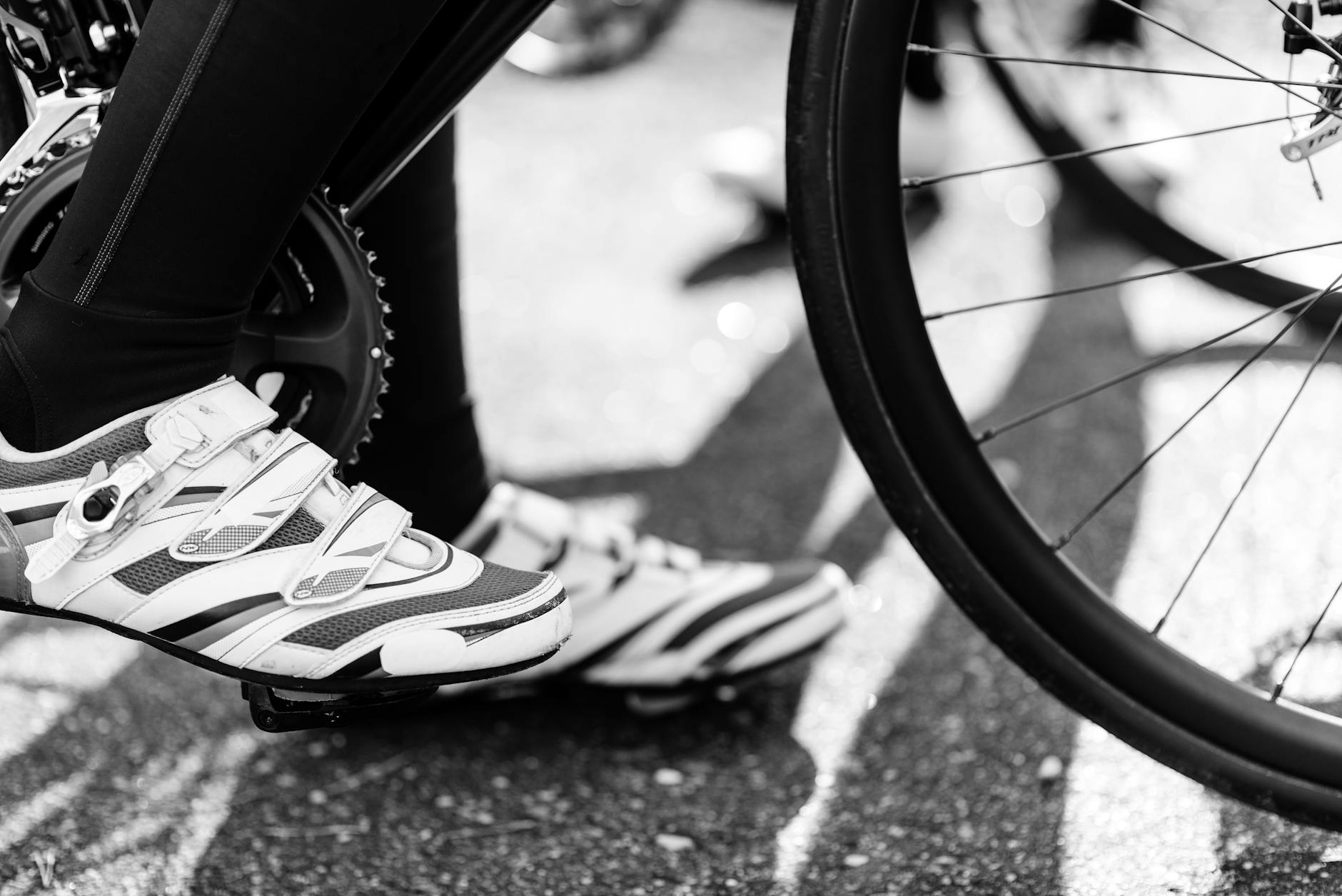
Flat pedals are generally safer during rehabilitation because you can unclip your foot instantly if pain develops. Clipless pedals are fine once you’re further along in recovery and confident with your stability and pain levels.


