Teaching traffic safety to young cyclists starts with building awareness before speed. Rather than waiting until kids are riding independently on roads, begin teaching traffic concepts from the moment they’re on a bike—even in parking lots and quiet streets. The approach that works best combines three elements: teaching them to scan for hazards constantly, establishing clear rules about stopping and yielding, and practicing in progressively busier environments until they can navigate real traffic safely. For example, a six-year-old riding in a parking lot should learn to stop at every driveway or lot exit, not because they might encounter cars immediately, but to build the habit of treating any opening as a potential danger zone.
This article covers the practical steps to develop these skills, explains what traffic concepts kids can realistically understand at different ages, and addresses the common gaps that leave young riders vulnerable when they finally ride near cars. The foundation of traffic safety isn’t about rules memorization—it’s about building a habit of constant vigilance. Kids who watch for hazards automatically develop better instincts than those who simply follow instructions. This requires active teaching, repetition in varied environments, and honest conversations about what can go wrong.
Table of Contents
- When Should Kids Learn to Scan for Traffic and Avoid Hazards?
- Understanding Traffic Rules in Age-Appropriate Ways
- Practicing in Low-Traffic Environments Before Busier Roads
- Teaching Specific Skills Through Drills and Repetition
- Addressing Cognitive and Development Gaps That Create Risk
- Building Confidence Without False Safety
- Ongoing Practice and Adapting to Different Environments
- Conclusion
- Frequently Asked Questions
When Should Kids Learn to Scan for Traffic and Avoid Hazards?
The ability to spot potential dangers should begin as soon as kids start riding independently, which for most children is around age five or six. At this age, children can understand that cars exist and that they need to watch for them, though their ability to predict where a car might appear is limited. The key is teaching them to look in specific directions rather than expecting them to develop a general sense of danger. For instance, at a driveway, they should learn to stop and look left, right, and left again before proceeding—the same pattern used for crossing streets, but adapted to bike riding. Young riders often fail to look behind them when turning or changing direction, which is a significant gap in their safety awareness. This is developmentally normal; kids under eight have tunnel vision when focusing on pedaling and steering.
Rather than assuming they’ll develop this skill naturally, explicitly teach them to turn their head and glance back before moving left or right. Have them practice this in empty parking lots repeatedly until it becomes automatic. A practical drill is to have them ride in a straight line toward you while you hold up different numbers of fingers on their left and right sides—they call out the number while riding, forcing them to look up and around instead of down at the handlebars. Limitations become apparent when kids reach busy areas. Even children who scan well in parking lots may freeze or lose focus when encountering multiple cars simultaneously. This is why progression matters enormously; don’t jump from empty lots to busy streets. There’s a middle ground—quiet residential streets with occasional parked cars, then streets with light traffic, then busier roads—that allows them to build confidence while managing realistic hazards.

Understanding Traffic Rules in Age-Appropriate Ways
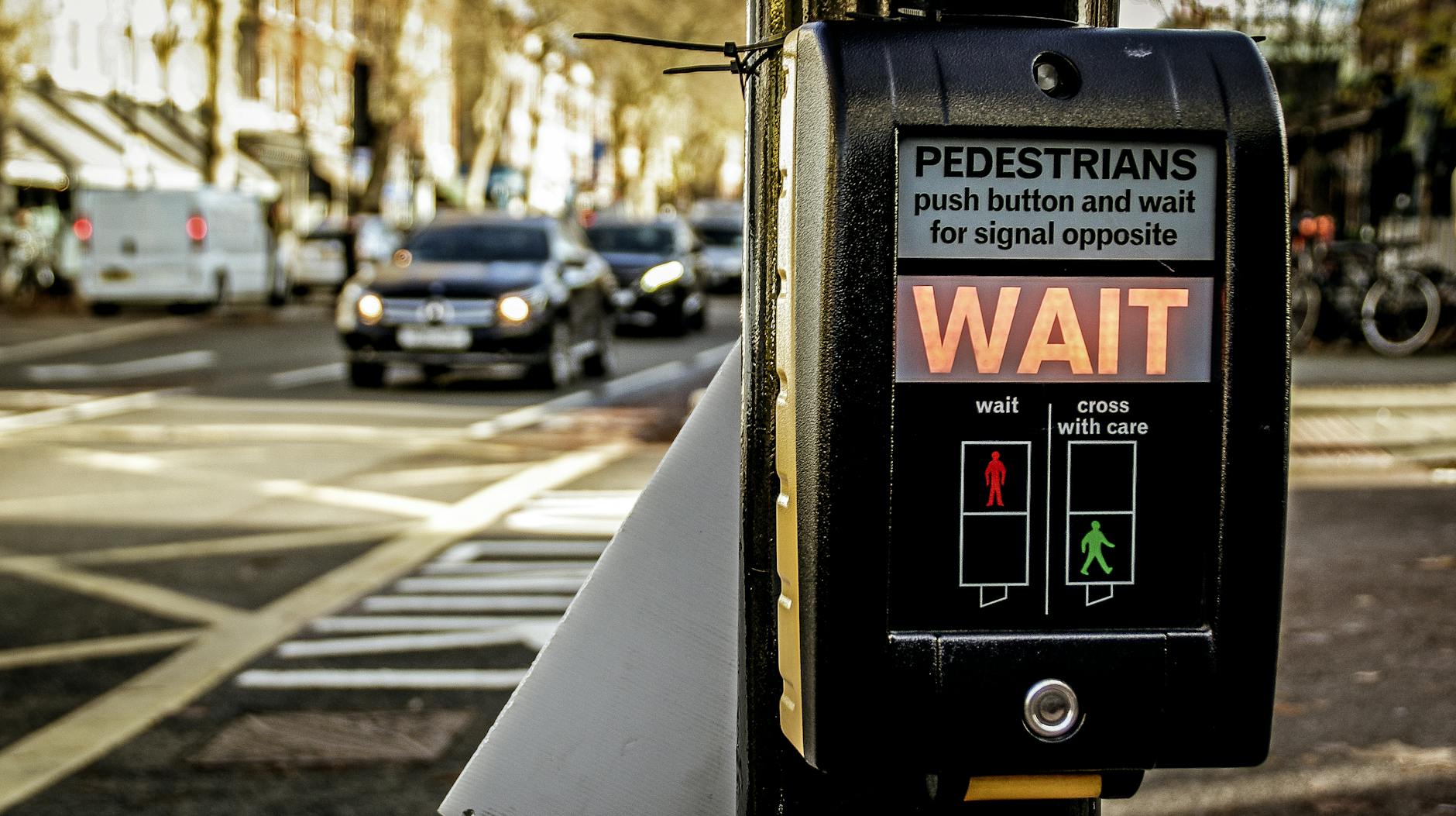
Children under seven have difficulty understanding abstract traffic concepts, so focus on concrete, observable rules instead. Rather than explaining “yield to traffic,” teach them “stop at the red hand and wait until it turns white” or “stop when you see a stop sign.” They can learn that red means stop and green means go, but they may not grasp that a red light in one direction means green in another, or that some intersections don’t have signals. Keep instructions simple and tied directly to what they see. By age eight or nine, children can begin understanding slightly more complex rules, like the difference between a stop sign and a yield sign, though their ability to judge the speed of approaching cars is still developing. However, if a child is struggling with basic rules like stopping at driveways in quiet areas, don’t push complexity. Better to master one skill thoroughly than introduce multiple rules before they’re ready.
Many parents and instructors make the mistake of teaching rule after rule—right-of-way, turning procedures, lane positioning—when the child hasn’t yet automated the habit of constant stopping and looking. This backlog of rules combined with their developing motor skills overwhelms them. A significant limitation: even children who know the rules often don’t follow them consistently under pressure. If a friend is riding nearby, or if they’re excited, children frequently skip their look-and-stop routine. This isn’t disobedience or forgetfulness; it’s because their executive function is underdeveloped. They need to practice the rules in varied situations and receive immediate, calm feedback when they skip steps, not punishment.
Practicing in Low-Traffic Environments Before Busier Roads
The progression from safe to real-world traffic should take months, not weeks. Start with empty parking lots where the only variables are the child’s steering and pedaling. Once they can start, stop, and turn smoothly without thinking about it, move to parking lots with parked cars and occasional moving vehicles. The parked cars teach them to ride around obstacles; the occasional car teaches them to react without panic. The next step is quiet residential streets with minimal traffic. Streets with a 20 mph speed limit, light traffic, and wide sight lines allow kids to practice road awareness at a manageable level.
Have them ride alongside you so you can observe their decision-making. Do they coast through an intersection or stop to look? Do they stay on one side of the road or drift? Are they watching ahead or fixated on their front wheel? If you’re walking or riding next to them, you can give real-time feedback: “Good stop at that driveway” or “Did you check for cars before moving left?” This feedback is far more effective than a lecture after the ride. When they’ve mastered light-traffic areas—which might take six months or a year depending on the child—then introduce busier streets with faster traffic. However, even on busier streets, there are lower-stakes environments: riding during off-peak hours, choosing streets with wider shoulders, or selecting routes with fewer intersections. One critical limitation is that some children reach the appropriate age to ride independently while living in areas with genuinely heavy traffic. In these cases, limiting their independent riding to parks or quiet times of day is safer than forcing them onto crowded roads before they’re ready.
Teaching Specific Skills Through Drills and Repetition
Rather than hoping kids will figure out braking distances or turning speeds on their own, teach these skills explicitly through drills. A braking drill is straightforward: mark a line on pavement and have the child ride toward it at a comfortable speed, then brake to stop as close to the line as possible without crossing it. Repeat this at different speeds so they develop a feel for how much space they need. This is directly relevant to traffic safety because kids who can’t stop quickly may panic or swerve into traffic when a car appears unexpectedly. Turning drills are equally important. Have them practice turning left and right while maintaining control, starting at slow speeds and progressing to faster ones. Many young riders lean the bike instead of turning the handlebars, which creates instability.
Others accelerate or lose balance while turning. If they can’t turn smoothly at 5 mph, they shouldn’t be turning in traffic at 10 mph. A realistic comparison: teaching a child to ride a bike is like learning to drive, and you wouldn’t let a new driver immediately navigate highway traffic. The same principle applies to young cyclists. A valuable drill for awareness is the mirror drill: have the child ride in a straight line while you walk behind them and sometimes step into their path (staying visible and at a distance where they have time to react). They must call out “car!” and brake when they notice you moving. This simulates what happens when a parked car suddenly pulls out or a car appears from a side street. It also reveals whether they’re actually checking behind them or just looking forward.
Addressing Cognitive and Development Gaps That Create Risk
Children lack the ability to accurately judge the speed of approaching vehicles until around age ten or eleven. A car moving at 30 mph might look the same to a six-year-old as a car moving at 50 mph. This means a young child might see a car and think they have time to cross the street or enter an intersection when they actually don’t. Never rely on their judgment of vehicle speed; instead, teach them to treat any visible car as a reason to stop, wait, and let it pass completely. This is overly cautious compared to how adults assess traffic, but it’s appropriate given their developmental limitations. Another significant gap is poor peripheral vision. Kids tend to focus on one thing at a time—the road in front of them, a friend riding nearby, or a car they’ve noticed—and lose track of everything else. A child might see a car on their right and focus on it so intently that they don’t notice a car on their left or a pedestrian crossing their path.
The fix is teaching them to scan in a sequence: left, straight, right, left again, then proceed. This doesn’t come naturally; it requires practice and reminders until it becomes habit. Many accidents happen at intersections where the child was looking in only one direction. Impulse control doesn’t fully develop until the teenage years, which means kids frequently abandon caution when excited or when they want to keep up with older children. They know the rule about stopping at intersections but skip it because friends are ahead. A warning here: you cannot override a child’s developing impulse control through willpower alone. Instead, structure their riding to reduce temptation. If they tend to rush through stops when riding with others, have them ride with you for now, ride alone, or choose routes where rushing isn’t possible.
Building Confidence Without False Safety
There’s a balance between confidence and overconfidence, and it’s easy to misjudge. Overconfident young riders take unnecessary risks—riding too fast, not checking for hazards, or assuming traffic will stop for them. Building genuine confidence means letting them succeed at progressively harder tasks while maintaining clear safety limits. When a child successfully navigates a busier street, that’s real confidence building.
When you tell them “you’re a great rider” without context, you risk creating overconfidence divorced from reality. One practical approach is to give children specific goals that require competence. Instead of “ride safely,” say “ride on Oak Street three times without running through any stop signs.” When they achieve it, acknowledge the competence explicitly: “You stopped and looked at every stop sign—that’s the kind of riding that keeps you safe.” This connects confidence to actual skill, not just encouragement. Another example: “Before we ride on Main Street, you need to master turning left across traffic in a parking lot. Once you can do that smoothly five times, we’ll try it on Main Street.” This gives them a clear progression and makes safety feel achievable rather than arbitrary.
Ongoing Practice and Adapting to Different Environments
Traffic safety isn’t a skill kids master once and then forget about. Like driving, it requires ongoing practice and adaptation to new situations. A child who’s comfortable in their quiet neighborhood might be overwhelmed by a busier street in a different part of town. Bike paths and parks present different challenges than roads. Riding in rain or darkness introduces new variables. Continue riding alongside them occasionally even after they’re riding independently, shifting from active instruction to observation.
If you notice they’re skipping safety checks or taking risks, address it immediately rather than letting bad habits form. Different environments require different strategies. Riding on a busy road with a bike lane is different from riding on a road with no bike lane. Riding in an urban area with frequent intersections requires more vigilance than rural riding with long stretches between roads. As kids get older and their traffic exposure increases, their skills should develop accordingly. A child who’s been riding safely in their neighborhood for a year but suddenly wants to ride to school on busier streets needs an adjustment period where you coach them through those new routes before they do it independently.
Conclusion
Teaching traffic safety to kids learning to ride is fundamentally about building habits and managing their developmental limitations while they mature. Start with concrete skills—stopping, looking, braking—practiced repeatedly in safe environments. Advance gradually through busier areas only after they’ve demonstrated consistency and competence. Remember that rules and awareness matter less than automatic, habitual vigilance; kids should stop and look at potential hazard points without thinking about it. Avoid assuming they’ll develop safety instincts on their own; they won’t.
The combination of explicit instruction, repetition in varied environments, real-time feedback, and honest acknowledgment of what they can’t yet do creates cyclists who navigate traffic safely. The timeline for independent, safer riding on real roads is often longer than parents expect—frequently not until age ten or older, depending on the child and the traffic environment. This isn’t failure; it’s realistic development. The years spent building skills in parking lots and quiet streets create a foundation that allows them to ride safely for decades afterward. Investing time in this progression now prevents accidents and builds confident, cautious riders.
Frequently Asked Questions
At what age can kids ride on busy streets?
There’s no fixed age; it depends on the individual child’s maturity, the level of traffic, and the area’s infrastructure. Most children aren’t ready for genuinely busy streets independently until age ten or older. Some may be ready sooner in low-stress environments like streets with bike lanes. The readiness indicator is consistent, habitual safety checks—stopping at intersections, looking all directions, and checking mirrors—not age alone.
What’s the difference between teaching kids to ride and teaching them traffic safety?
Riding skills (balance, steering, pedaling) develop separately from traffic awareness. A child might be an excellent rider but lack traffic judgment. Conversely, a child with excellent safety awareness might not be a confident rider yet. Both need practice, and they develop on different timelines.
Should kids wear helmets even on empty parking lots?
Yes. Many accidents happen at low speeds on easy terrain—kids lose balance, hit a pothole, or swerve unexpectedly. A helmet protects against scrapes and bumps that teach them lessons without causing serious injury. It also normalizes helmet use so it becomes automatic rather than optional when traffic is involved.
How do I know if my child is ready to ride independently on roads?
They should consistently stop at all stop signs and driveway exits without reminder. They should check behind them before turning or moving left. They should brake smoothly and maintain control while turning. They should maintain awareness even when tired or distracted. If they skip any of these habits in low-traffic areas, they’re not ready for busier roads yet.
Is riding at night ever appropriate for kids?
Not until they’re older and have years of daylight riding experience. Depth perception, hazard spotting, and vehicle speed judgment are harder at night. Even teenagers should limit night riding to well-lit streets with minimal traffic. For young children, daytime riding only is the safest approach.


