The best cycling gloves depend on when and how you ride, but the Giro Bravo Gel stands out as the top choice for 2026, offering a balanced combination of gel padding that reduces pressure on the ulnar nerve—preventing the numbness that plagues many cyclists—along with excellent breathability and durability. If you ride primarily in winter, the Gore Wear Gore-Tex Insulated Trigger gloves are described by experts as “the warmest gloves I have tested,” while summer riders typically prefer the Assos RS Targa for their seamless palm construction and exceptional cushioning. What makes choosing gloves tricky is that the “best” pair depends on your climate, riding duration, and whether you prioritize comfort, control, or protection—which is why this guide covers the top recommendations across seasons, the grip materials that actually prevent slippage, the padding considerations that affect both comfort and bike feel, and the technology advances making it easier to find all-season options that don’t compromise on performance.
Table of Contents
- Best Cycling Gloves for Different Seasons and Riding Conditions
- Grip Materials That Actually Prevent Slippage in Wet Conditions
- Padding and Cushioning for Reducing Fatigue on Long Rides
- How to Fit Cycling Gloves Properly for Maximum Comfort and Control
- Hand and Wrist Compression Issues That Cycling Gloves Can Help Prevent
- Technology Advances in Modern Cycling Gloves for 2026 and Beyond
- Seasonal Specialists Versus All-Season Gloves: Which Approach Makes Sense for Your Riding
- Conclusion
- Frequently Asked Questions
Best Cycling Gloves for Different Seasons and Riding Conditions
The market offers distinct solutions for different seasonal conditions, and choosing gloves matched to your climate makes a significant difference in both comfort and safety. For summer riding, the Assos RS Targa gloves earn top marks with their seamless palm construction that provides exceptional cushioning without the bulk of excessive padding, allowing you to maintain precise control on descents and technical terrain. Winter riders benefit from the Gore Wear Gore-Tex Insulated Trigger gloves, which offer comprehensive warmth through insulated materials designed to keep your hands functional in cold conditions—experts consistently note these as the warmest option available. The Endura FS260 Pro Aerogel gloves occupy a middle ground with their combination of thick vented gel pads on the lower palm where pressure concentrates during long rides, paired with thinner strips on top for better dexterity and bar feel.
However, if you ride year-round, seasonal switching isn’t always practical. Spring and fall riders often struggle with finding gloves that perform well as temperatures fluctuate throughout a single ride. A common mistake is over-purchasing: many cyclists buy dedicated winter, spring, summer, and fall gloves only to discover they use three of them rarely. Instead, consider having a true winter pair (Gore Wear) and a versatile all-season option (Giro Bravo Gel) that handles moderate temperatures and conditions.
Grip Materials That Actually Prevent Slippage in Wet Conditions
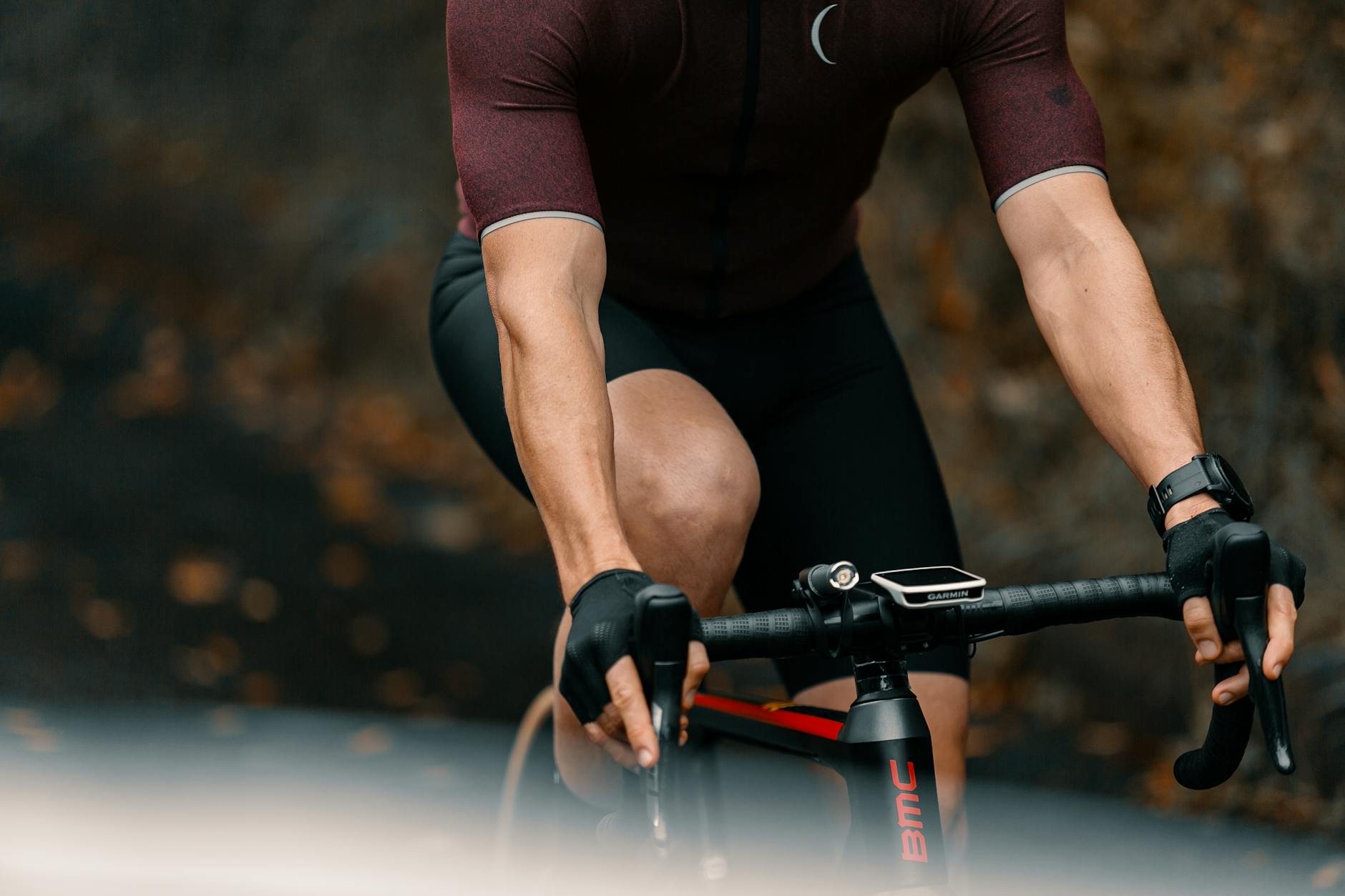
The difference between losing traction on a wet descent and maintaining control comes down to the palm material. Most cycling gloves use silicone dots or silicone detailing as the standard grip material—these small textured elements create friction against your handlebar even when wet, preventing your hands from sliding during braking or cornering. The specific placement and pattern of these dots matters: some brands concentrate grip material on the contact zones directly beneath your palm where you naturally grip, while others apply it across the entire palm for maximum redundancy.
The Endura FS260 Pro Aerogel uses rubbery silicone palms specifically engineered to maintain traction in wet conditions while the gel pads underneath absorb vibration and impact. Castelli takes a different approach with their Damping System (CDS), which uses gel inserts on the palm focused on vibration reduction rather than pure grip. This approach trades some ultimate wet-weather performance for superior comfort on rough road surfaces—which is why Castelli gloves appeal to riders who log many hours on deteriorating pavement, but cyclists who frequently ride in rain prefer the more aggressive silicone patterning. A practical limitation exists here: no grip material performs perfectly on muddy bar tape or extremely greasy hands, so glove choice matters less than maintaining clean, dry handlebar contact surfaces and keeping your palms free of sweat before pulling on gloves.
Padding and Cushioning for Reducing Fatigue on Long Rides
Padding in cycling gloves sits in a tension between two opposing goals: more padding absorbs vibration and reduces fatigue on long rides, but too much padding reduces your tactile connection to the bike and makes precise handling more difficult. Thicker padding on the lower palm—where most pressure concentrates during riding—reduces vibration fatigue on century rides or endurance events, making your hands feel fresher after four hours in the saddle. Conversely, thinner palms improve bar feel and control, which is why lightweight racing gloves often use minimal padding despite the tradeoff in comfort. The Giro Bravo Gel takes a middle approach with gel padding specifically engineered to address a real physiological issue: the ulnar nerve compression that affects 10 to 70 percent of cyclists to varying degrees, producing numbness, tingling, or in severe cases permanent nerve damage.
This gel padding reduces pressure on this critical nerve rather than just adding bulk. The distinction matters because cycling-specific nerve damage is cumulative—gloves that protect these pressure points can prevent the progression from occasional numbness to chronic pain. A practical tradeoff exists between seasonal needs: winter gloves need more insulation, which inherently means more bulk, so the padding consideration becomes secondary to staying warm enough to maintain control. Summer gloves, by contrast, can focus entirely on padding and grip without insulation concerns.

How to Fit Cycling Gloves Properly for Maximum Comfort and Control
Finding the right fit is the difference between gloves that feel like a natural extension of your hands and gloves that cause bunching, gaps, or ongoing irritation. Proper cycling glove fit should feel snug without being restrictive—like a “second skin” that you almost forget you’re wearing. This means the glove material should contact your entire hand without wrinkles, the fingers should extend to your fingertips without bunching at the knuckle, and the palm should stay in contact with your hand without sliding during hard braking. Unlike general athletic gloves, cycling gloves are engineered around specific hand positions, so fit varies significantly between brands.
A practical fitting approach involves trying gloves on while wearing your normal base layer or long-sleeve jersey—many cyclists only try gloves on bare skin and then discover they’re too tight when worn with the clothing they’ll actually ride in. The velcro closure or wrist cinch should be snug enough to prevent the glove from sliding down during a long descent, but loose enough to not restrict circulation, which means you should be able to fit one finger under the closure. Sizing up across the entire hand just to accommodate large fingers creates dangerous gaps on the palm where gel padding doesn’t contact your hand properly. If you’re between sizes, choose snug: glove material stretches slightly with use, and too-loose gloves shift during the ride, defeating their purpose.
Hand and Wrist Compression Issues That Cycling Gloves Can Help Prevent
Cyclists experience hand and wrist compression issues far more frequently than the general public: research shows that between 10 and 70 percent of cyclists experience symptoms ranging from mild numbness in the pinky and ring finger to permanent nerve damage affecting hand strength and sensation. This wide range depends on factors like handlebar type, reach, riding position, and riding hours—but glove choice directly impacts whether compression progresses or stays stable. The two primary nerves affected are the ulnar nerve (causing pinky and ring finger numbness) and the radial nerve (causing thumb and index finger issues), and these issues develop from sustained pressure on specific hand contact points on the bar. The Giro Bravo Gel specifically addresses this through gel padding strategically placed where the ulnar nerve passes near the surface on the palm’s inner side.
This isn’t marketing language—the padding genuinely reduces localized pressure that would otherwise compress the nerve over a three or four-hour ride. However, glove choice alone won’t solve extreme compression issues: poor bike fit, incorrect handlebar reach, or a position that puts excessive weight on your hands demands separate attention. A cyclist with acute nerve pain shouldn’t rely on gloves as their primary solution, but rather address the underlying position issue while using padded gloves as a protective factor. For cyclists with mild or developing numbness, the right gloves can be the difference between improving and progressively worsening symptoms.
Technology Advances in Modern Cycling Gloves for 2026 and Beyond
The cycling glove market has seen significant innovation in recent years, particularly around synthetic insulation materials and fabric treatments that improve performance without requiring multiple seasonal pairs. Modern gloves from 2026 feature advances in environmentally friendly fabric treatments that make materials more durable and weather-resistant while maintaining greater dexterity than older synthetic options. These advances mean that an all-season glove can genuinely handle a wider temperature range and weather condition range than was possible even five years ago, reducing the need to own separate winter, spring, summer, and fall pairs.
Fingerless designs continue to dominate for hot-weather riding when temperature management is the primary concern, while windproof panels and waterproof treatments address cold and wet conditions without excessive insulation bulk. A practical limitation exists: these advances still can’t create a truly universal glove that performs equally well at 45 degrees and 75 degrees. Rather, the technology has expanded the temperature bandwidth where a single pair performs acceptably. A cyclist in a temperate climate with spring through fall temperatures ranging from 50 to 75 degrees can now realistically use one pair of all-season gloves for that entire period, whereas previously they would have wanted distinct spring and fall pairs.
Seasonal Specialists Versus All-Season Gloves: Which Approach Makes Sense for Your Riding
Most cyclists eventually realize they don’t need as many seasonal glove variants as they initially purchased. The two practical strategies are either owning a genuine winter specialist (Gore Wear) and a versatile all-season option (Giro Bravo Gel), or committing to one premium all-season glove and tolerating slightly less-than-optimal performance in extreme seasons. The first approach costs more but offers best-in-class performance for your primary riding months.
The second approach simplifies your glove collection and works well for cyclists who ride in relatively stable climates or don’t prioritize extreme comfort in marginal seasons. A forward-looking insight: as fabric technology continues improving, the performance gap between dedicated seasonal gloves and advanced all-season options will narrow further, making the single-pair approach increasingly viable. For now, most serious cyclists find that a two-glove quiver—one dedicated winter pair and one versatile all-season option—balances performance, cost, and practicality.
Conclusion
The best cycling gloves for comfort and grip in all seasons balance three key considerations: seasonal appropriateness, grip material that performs in your most common weather, and padding that reduces vibration and nerve compression without sacrificing bar feel. The Giro Bravo Gel stands out as the best all-around recommendation due to its gel padding technology addressing ulnar nerve pressure, while Gore Wear Gore-Tex Insulated Trigger gloves dominate winter and the Assos RS Targa leads for summer-focused riders.
Your next step is identifying which seasons comprise your primary riding period, then testing gloves from the top recommendations for that season. Size up carefully, try gloves on with your actual riding layers, and pay attention to how the palm contact feels during your first few rides—genuine cycling glove fit improves slightly as material breaks in, but poor fit on day one typically indicates the wrong size or brand rather than an adjustment period.
Frequently Asked Questions
How often should I replace cycling gloves?
Most cyclists replace gloves annually if they ride regularly, or every 18 months for casual riders. Signs of wear include thinning gel padding that no longer cushions effectively, velcro that loses grip, or silicone palm material that becomes slippery instead of tacky.
Can I wash cycling gloves in a washing machine?
Most brands recommend hand washing in cool water with mild soap to preserve gel padding and elasticity. Machine washing, especially hot water or the dryer, can degrade gel materials and velcro significantly, shortening glove lifespan.
Do expensive cycling gloves perform better than budget options?
Premium gloves typically offer better gel padding composition, more durable grip materials, and superior seam construction, which matters most for cyclists logging high mileage or riding in challenging conditions. Casual weekend riders may not notice the difference between a $30 and $100 pair.
Should I size gloves the same as my regular hand size?
Cycling gloves size smaller than casual gloves due to their tight-fit design. You’ll typically wear a size smaller than your everyday glove size, so sizing down from a large to a medium is common when transitioning to cycling gloves.
Can cycling gloves prevent all hand numbness?
No—while quality gloves reduce nerve compression, severe or persistent numbness typically indicates bike fit issues requiring separate attention. Gloves are one protective factor among several including handlebar choice, reach, and riding position.
Are fingerless gloves effective for spring and fall riding?
Fingerless gloves excel in mild to warm temperatures by providing palm padding and grip without finger insulation. However, they offer no protection for fingers in cold conditions, so they work best when temperatures stay above 55 degrees.


