Coming back to cycling after an injury or extended time off requires a gradual, structured approach focused on rebuilding aerobic capacity and tissue resilience rather than trying to regain fitness immediately. The answer is not complicated: start conservatively with low-intensity endurance rides, prioritize consistency and frequency over duration, and listen to your body’s pain signals as your primary guide. Most cyclists can resume light riding within 2-3 weeks of an injury, but the timeline for a full return depends heavily on the injury’s severity and location. For example, a cyclist recovering from a minor ankle sprain might resume easy spinning within two weeks, while someone healing from a more serious injury could need months.
This article covers the evidence-based protocols for recovering safely, how to structure your return to training, the mental health component of injury recovery, and the common mistakes that delay your comeback. The key insight from sports medicine experts is that recovery isn’t a race back to your previous fitness level—it’s a managed, symptom-responsive progression. USA Cycling and The Medicine of Cycling Group have developed evidence-based return-to-cycling recommendations using a gradual, step-wise approach with symptom monitoring at each phase. Following these principles means you’ll likely come back stronger and avoid re-injury that could set you back much further.
Table of Contents
- How Long Should Recovery From Cycling Injuries Actually Take?
- Rebuild Fitness Through Frequency, Not Duration
- Listen to Pain—Sharp Pain Means Stop
- Build Your Recovery Team and Address Mental Recovery
- Expect Elevated Heart Rate and Lower Power—That’s Normal
- Common Mistakes That Derail Your Comeback
- Planning Your Path to Full Competitive Return
- Conclusion
How Long Should Recovery From Cycling Injuries Actually Take?
The timeline for returning to cycling depends on the injury’s severity and location. For lower-body injuries—the most common in cycling—Dr. Andy Pruitt’s research shows that you typically need 3-6 weeks at recovery and endurance pace with absolutely no hard efforts until you’re pain-free. This doesn’t mean three weeks and you’re back to intervals; it means three weeks as a minimum before you can even consider lifting intensity. during this window, your rides should focus entirely on aerobic development at a conversational pace where you can speak in full sentences. For more serious injuries, the timelines stretch considerably.
Professional cyclists who’ve suffered major crashes have taught us valuable lessons: they typically need 6 weeks just to leave the hospital, then 3+ months before returning to normal mobility, and often 12+ months before they’re competitive again. While amateur cyclists typically experience less severe injuries than major crash trauma, this data illustrates why patience matters. If you’re recovering from a significant injury, expecting to race or do hard efforts within a month sets you up for setbacks. However, these timelines are guidelines, not guarantees. A poorly healed injury that gets re-aggravated early can extend recovery by months. This is why the step-wise approach with constant symptom monitoring is so important—you move forward only when each phase feels genuinely good, not when an arbitrary calendar date arrives.
Rebuild Fitness Through Frequency, Not Duration
one of the most effective strategies for returning to cycling safely is increasing ride frequency while keeping individual ride duration short. Rather than trying to maintain your pre-injury long rides, spread your volume across more days. For example, instead of four 1-hour rides per week, structure your return with six rides that average 40 minutes: perhaps two 60-minute rides, two 40-minute rides, and two 30-minute rides. This approach distributes stress across more recovery days, reduces the injury risk of any single bout of exercise, and actually preserves aerobic adaptation better than longer, harder sessions. The reasoning is biomechanical. A 90-minute ride on a compromised body part creates cumulative stress that can trigger inflammation or pain.
Three consecutive 30-minute rides on different days allows tissue to recover between sessions while still providing stimulus. You’re essentially teaching your body to be resilient through repetition rather than duration. For someone returning from a knee injury, six shorter rides spread across the week is dramatically safer than two long rides that leave you limping afterward. This frequency-based approach does require flexibility in your schedule that isn’t always practical. If you can only ride three times per week due to work commitments, adjust by keeping those rides shorter and more frequent within each week rather than trying to cram the same total volume into fewer days. The goal is giving your body more time to adapt between efforts.
Listen to Pain—Sharp Pain Means Stop
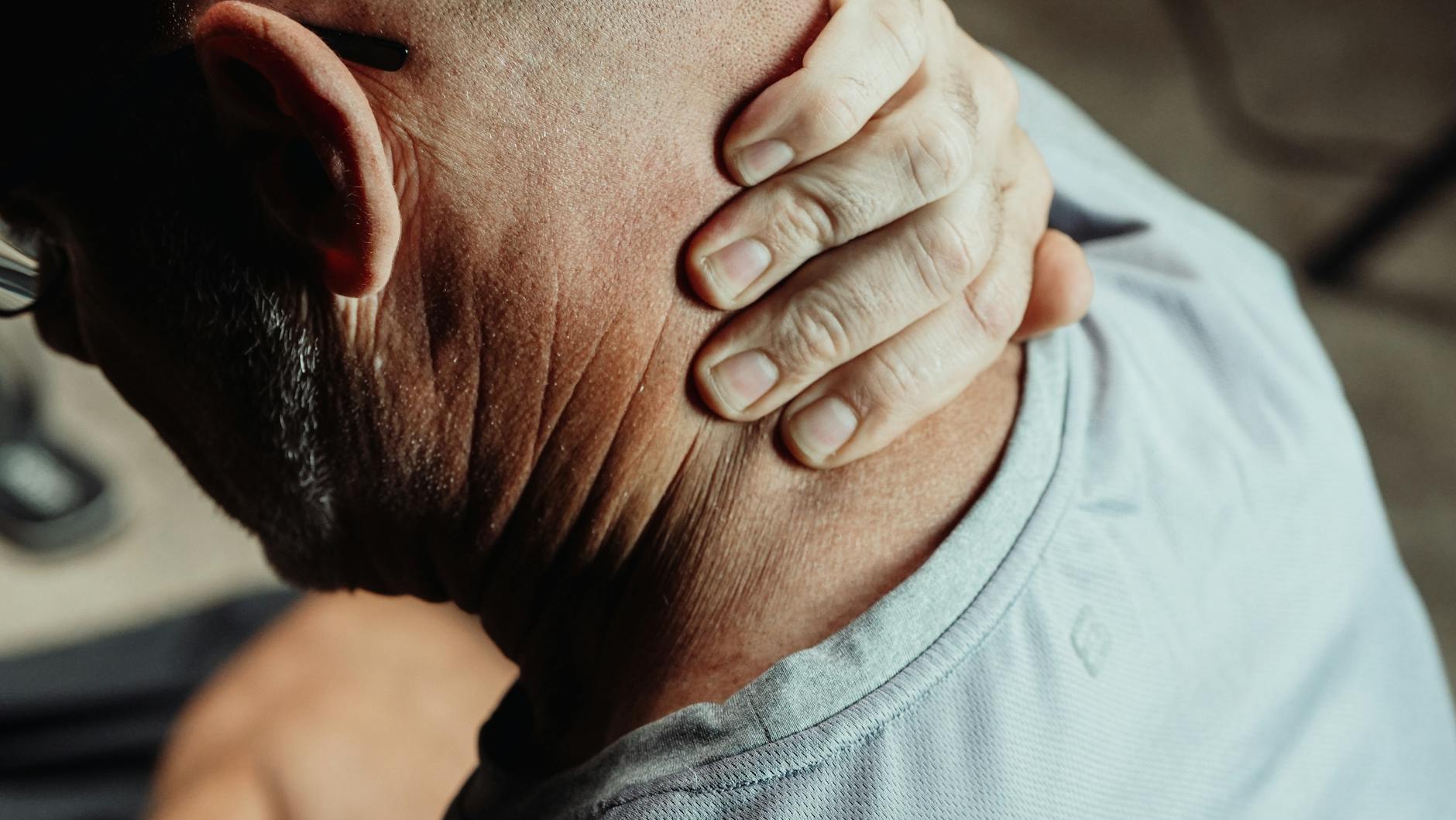
Your pain signals are the most important feedback mechanism during recovery, and they should override any training plan or power target. Sharp pain during exercise is a clear signal that your tissue hasn’t healed sufficiently and continuing to push increases injury risk. This is different from general fatigue or muscle soreness; sharp pain is localized, specific, and indicates structural irritation. Dr. Pruitt’s research emphasizes that you should experience no hard efforts until you’re completely pain-free during easy riding. Not “mostly pain-free” or “only hurts when I push hard”—genuinely pain-free at conversational intensity.
If you feel a twinge, tightness, or sharp sensation during an easy ride, that’s your body’s way of saying the tissue needs more time. Ignoring this signal is how cyclists turn minor injuries into chronic problems. The frustration of backing off during recovery is real, but the alternative is a three-month setback instead of a three-week one. Some soreness and stiffness are expected when returning to cycling, especially if you’ve been off the bike for weeks. Morning stiffness that improves as you warm up is normal. Acute sharp pain is not. This distinction matters enormously for decision-making during early recovery rides.
Build Your Recovery Team and Address Mental Recovery
While physical recovery gets all the attention, mental recovery is equally critical and should begin immediately, not after you’re physically healed. Sports psychologist Kristin Keim emphasizes that the psychological challenges of injury—loss of identity, anxiety about returning, fear of re-injury—are real and deserve professional support. Too many cyclists approach injury as a purely physical problem, then struggle emotionally when they return to the bike and feel afraid or frustrated by their fitness loss. An ideal recovery team includes a physician overseeing your healing, a physical therapist guiding rehabilitation and movement quality, and a mental health professional (psychologist or psychiatrist) helping you process the emotional components.
If you can’t access all three, prioritize the physician for injury clearance and a physical therapist for proper movement patterns. The mental health component can come from a sports psychologist, a coach experienced in injury return, or even peer support from other cyclists who’ve recovered from injury. For many cyclists, the hardest part of returning to the bike isn’t the physical limitation—it’s the fear that you’ll re-injure yourself or the frustration that your fitness has regressed. Addressing these feelings head-on, rather than trying to push through them, actually speeds your return. You return to the bike with confidence and presence rather than anxiety and doubt, which leads to better pacing decisions and greater enjoyment of riding again.
Expect Elevated Heart Rate and Lower Power—That’s Normal
During the recovery phase, your heart rate will be elevated and your power output will be noticeably lower than before your injury, even at the same perceived effort. This is completely normal physiology, not a sign that something’s wrong. Focusing on heart rate or watts during early recovery is counterproductive because these metrics don’t reflect your actual capacity—your body is dealing with both the injury recovery and the deconditioning from time off the bike. Instead, use perceived exertion (RPE) as your primary metric during recovery. If you aim to ride at RPE 3-4 on a 1-10 scale (conversational pace where you can speak in full sentences), your body will naturally modulate intensity appropriately regardless of what your power meter or heart rate monitor displays.
Your watts and heart rate will return as you heal; chasing them during recovery is like chasing shadows and can lead to overtraining. This mental shift is harder than it sounds. Many cyclists are accustomed to training by power or heart rate zones and feel lost without that data. The reality is that data-driven training assumes a healthy baseline. During recovery, you’re in a different physiological state, and metrics derived from your healthy state don’t apply. Trust perceived exertion and symptom monitoring instead.

Common Mistakes That Derail Your Comeback
The most frequent mistake is returning too hard or too fast, even after seemingly good recovery. A cyclist feels fine for two weeks, gets excited about riding, and does a harder effort on week three. This often re-aggravates the injury and sets recovery back substantially. The safest approach is to stay conservatively easy for longer than feels necessary, then gradually increase intensity once you’ve proven the injury is truly stable. Another pitfall is ignoring the mental aspect of recovery.
Cyclists who brush off the emotional impact of injury often develop anxiety when returning to the bike—hypervigilance about pain signals, fear of re-injury, or frustration that leads to impulsive hard efforts. This creates a cycle where emotional struggles lead to poor pacing decisions, which leads to physical setbacks. Addressing the psychology early prevents this cycle. A third mistake is skipping physical therapy or rehabilitation work. Injury recovery isn’t just about getting back on the bike; it’s about addressing any strength imbalances, movement limitations, or technique flaws that might have contributed to the injury in the first place. Returning to cycling without addressing underlying biomechanical issues often leads to recurring problems.
Planning Your Path to Full Competitive Return
Once you’re consistently completing pain-free easy rides for several weeks, you can gradually reintroduce variety into your training: slight elevation changes, a few minutes at moderate intensity, or varied terrain that challenges different muscle groups. This reintroduction should happen over weeks, not days. If you’ve spent six weeks doing flat, easy rides, adding hill repeats in week seven is premature. The full return to racing or highly demanding training typically takes longer than the initial recovery.
Professional cyclists with serious injuries show us that competitive return often takes 12+ months even after basic mobility returns. For amateur cyclists, your timeline might be shorter, but don’t expect to race hard just because you’ve been back on the bike for a few weeks. Treat the first month of riding as base-building, the next 4-6 weeks as gradual intensity reintroduction, and then structure longer-term progression back to your previous fitness level. Patience at the beginning prevents setbacks that compound and extend your recovery indefinitely.
Conclusion
Returning to cycling after injury or time off is fundamentally about respecting the healing process, prioritizing consistency and frequency over duration, and building a team that supports both your physical and mental recovery. Start conservatively with low-intensity riding, increase frequency rather than duration, and use pain and perceived exertion as your guides—not power numbers or heart rate targets. The timeline varies based on injury severity, but expect 3-6 weeks minimum for minor lower-body injuries before you can consider harder efforts.
The best return to cycling combines structured progression, honest symptom monitoring, mental health support, and patience with the process. It’s tempting to rush back or to minimize what your body has been through, but the cyclists who recover best are those who embrace the recovery timeline and actually enjoy the gradual rebuild. You’ll be back to your previous fitness level, and the patience you invest now will likely prevent chronic issues that could sideline you for years.


