A quality electric bike costs approximately $2,800 on average for mid-to-premium models, and riders consistently report that the investment delivers genuine value beyond the initial purchase price. The majority of e-bike owners—including those who spend substantially on their machines—cite improved lifestyle quality, transportation flexibility, and long-term savings as justification for the cost. The $2,800 price point represents not just the bike itself, but the complete package: motor and battery technology, integrated electronics, premium components, plus shipping, taxes, and often essential accessories like locks, lights, and fenders that bring the true all-in cost into focus.
What makes this price tag defensible is the shift in how riders use their bicycles. Unlike traditional bikes purchased for weekend recreation, e-bikes become daily transportation. A 2026 cycling study found that 75% of e-bike riders prefer them to driving cars for their trips, and nearly 60% specifically chose e-bikes to handle hilly terrain or longer distances. When you’re replacing car trips—even partial ones—the math shifts dramatically.
Table of Contents
- What Does a Quality E-Bike Actually Cost and What Are You Getting?
- The Hidden Costs Beyond the Sticker Price That Buyers Often Overlook
- How E-Bikes Stack Up Against Cars, Public Transit, and Traditional Bikes
- When the E-Bike Investment Truly Pays Off and When It Doesn’t
- Battery Range Limitations and the Real-World Distances Riders Actually Achieve
- Durability, Resale Value, and the Long-Term Picture
- E-Bike Pricing Trends and What’s Likely to Change in the Market
- Conclusion
What Does a Quality E-Bike Actually Cost and What Are You Getting?
The $2,800 average masks important nuance in the e-bike market. Entry-level models start around $600 to $1,000, offering basic hub motors and battery systems that work fine for casual riding but may lack the power, range, and durability of mid-range options. Mid-range e-bikes, where $2,000 to $3,000 typically lands, include better motors (usually mid-drive systems), larger batteries, quality drivetrains, and improved brakes and suspension. Premium models climb past $4,000 and reach $8,000 or higher when you’re buying lightweight titanium frames, high-end components, or full-suspension designs.
The $2,800 price point specifically represents a solid commuter-class e-bike with mid-drive motor technology, 400-500W of power, a 50+ mile range, and components built to last. Consider the Momentum Voya E+, a popular choice in this price range: it includes a Bosch motor, integrated lighting, quality brakes, and a frame designed for everyday use in varied conditions. That’s not a luxury e-bike, but it’s also not budget equipment. You’re paying for engineering that makes the bike ride predictably, handle traffic realistically, and resist the wear that daily use produces.
The Hidden Costs Beyond the Sticker Price That Buyers Often Overlook
most people focus on the bike’s retail price and miss the secondary costs that add up quickly. If you buy a $2,800 e-bike, expect to spend another $300 to $800 on necessary accessories before you actually ride it regularly. A quality U-lock ($80–150), lights ($100–200), a sturdy kickstand ($40–80), fenders ($50–100), and a helmet ($60–200) aren’t optional if you plan to commute or leave your bike unattended. Shipping and assembly fees add $50–200 depending on the retailer. Tariffs on imported components have also inflated prices; bikes manufactured overseas now carry 25% tariffs in some cases, which retailers pass to consumers.
Here’s an important limitation that many buyers discover too late: battery replacement. The battery that powers your $2,800 e-bike typically lasts 3 to 5 years of regular use, then costs $600 to $1,500 to replace. This isn’t a failure of the bike; it’s the chemistry of lithium batteries. Budget-conscious riders sometimes abandon bikes at year four when a new battery costs more than they expected. Maintenance costs are generally lower than cars (no oil changes, no transmissions), but e-bikes require regular brake servicing, chain maintenance, and occasional motor diagnostics, which can run $150–400 annually if you’re a heavy rider.
How E-Bikes Stack Up Against Cars, Public Transit, and Traditional Bikes
The transportation cost comparison reveals why so many riders feel the $2,800 investment justified. Car ownership in the U.S. averages $12,000 per year when you factor in fuel, insurance, maintenance, and parking. A commuter who drives 20 miles each way, five days a week, might spend $4,000 annually just on fuel alone. Even if you use your e-bike only 50% of the time instead of driving, that’s $2,000 in savings in year one alone. Across five years—the typical battery life—the math becomes overwhelming in favor of the e-bike.
Public transit offers a cheaper per-trip cost but lacks flexibility and speed for many riders. A monthly transit pass in most U.S. cities ranges from $80 to $130, or $960 to $1,560 annually. That’s cheaper than an e-bike, but you can’t ride transit in a snowstorm if your schedule changes, and a 30-minute commute by bus might take 90 minutes with waiting and transfers. Traditional bicycles eliminate transit costs entirely, but they’re unsuitable for the 59% of buyers who specifically need help with hills or longer distances. The e-bike bridges that gap. A regular bike costs $400–$1,000 but won’t move you 20 miles on a steep day or get you to work without arriving exhausted.
When the E-Bike Investment Truly Pays Off and When It Doesn’t
An e-bike makes strong financial sense if you meet certain conditions. If you commute 10+ miles per day, live in an area with hills, have limited parking for a second car, or currently rely on car trips under 15 miles, the investment pays back in 2 to 4 years through gas and car-cost savings. A rider replacing daily car trips with an e-bike, assuming $4 per gallon and 25 mpg efficiency, saves roughly $2,400 annually. The $2,800 bike pays for itself in 14 months, and everything after that is savings.
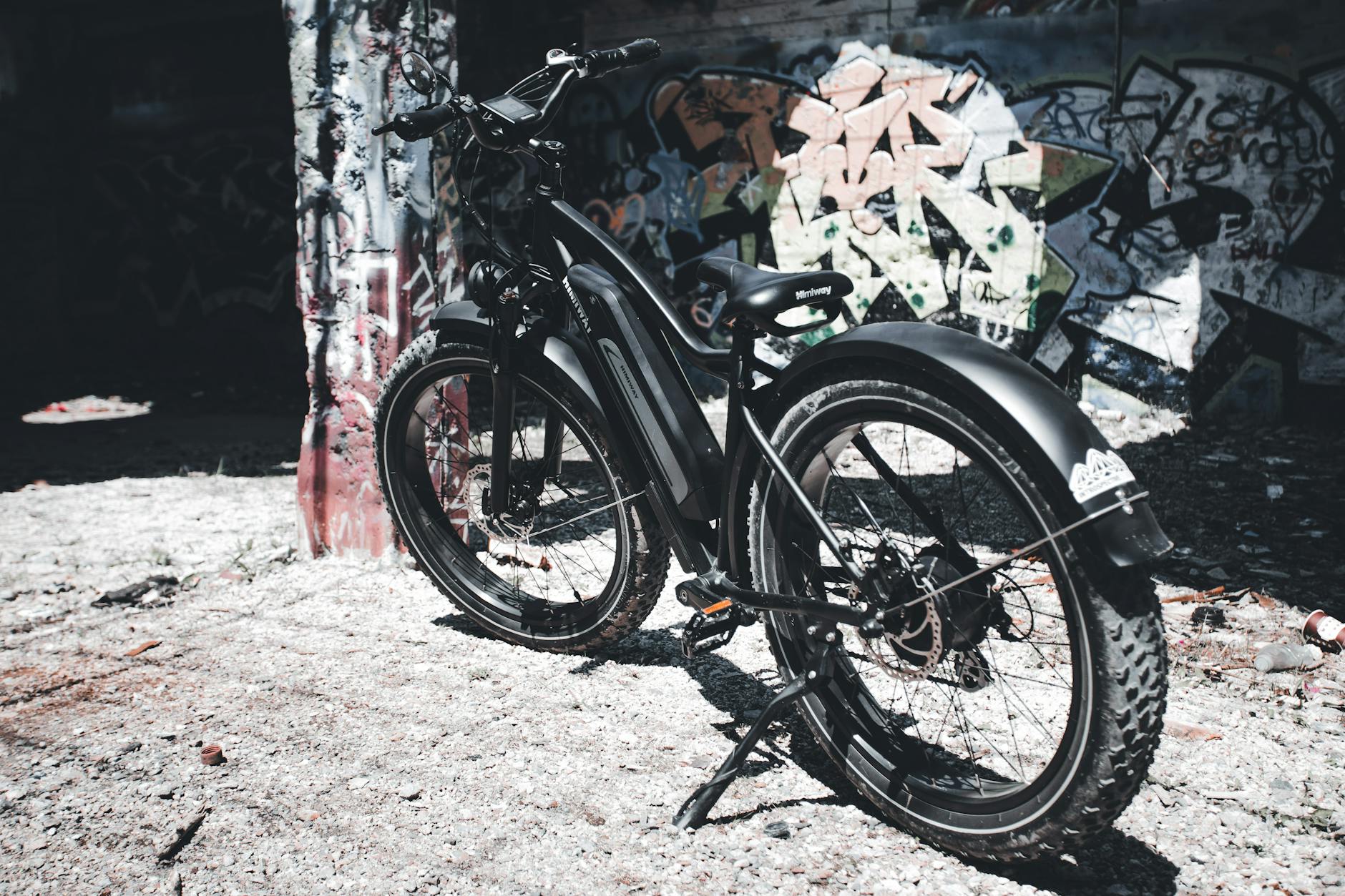
The investment struggles to pencil out if you live in a perfectly flat area, work from home and rarely travel, or have cheap and reliable public transit. Someone who rides occasionally for recreation—say, twice a month—is better served by a $600 entry-level e-bike or a traditional bike. The $2,800 price makes sense for frequent, purposeful riding, not weekend hobby use. Similarly, if you live where winters include heavy snow for months, an e-bike becomes a three-season tool unless you upgrade to a fat-tire winter model, which costs more and sits idle much of the year.
Battery Range Limitations and the Real-World Distances Riders Actually Achieve
Battery claims and real-world performance diverge more than almost any other e-bike specification. Manufacturers rate range optimistically—often 50+ miles—but this assumes flat terrain, steady 12 mph speeds, and minimal pedaling. Real-world range under typical commuting conditions (hills, varied speeds, assisted pedaling) usually runs 60% to 70% of the rated figure. A bike marketed as 50-mile range might deliver 30–35 miles on a hilly commute during cold weather. This matters because it affects the $2,800 bike’s utility.
If your commute is 15 miles each way, the weather is temperate, and your route is moderate terrain, a 50-mile battery is comfortable—you charge once a week and never worry. If your commute is 20 miles on hills, you might need to charge the bike every other day or settle for a shorter ride on the return trip. Buyers often underestimate terrain’s impact on range. A rider told me she bought a $2,500 e-bike expecting 40 miles but got 22 on her hillside commute. She still uses it daily and considers it worthwhile, but she had to adjust expectations and charging habits.
Durability, Resale Value, and the Long-Term Picture
Quality e-bikes hold value better than department-store bikes, but worse than traditional derailleur bicycles. A used entry-level e-bike might resell for 40–50% of its original price after 2–3 years. A quality $2,800 e-bike might fetch $1,200–$1,500 used, depending on battery condition and market. This is relevant because it means the true cost of ownership isn’t the full purchase price; you can recoup roughly 40% if you decide to sell. More important than resale value is durability if you keep the bike long-term.
Premium mid-range e-bikes—the $2,000–$3,000 category—typically have frames and components rated for 5 to 10 years of regular use. A Shimano drivetrain can last 5,000+ miles if maintained. Bosch and Yamaha mid-drive motors are known to exceed 10,000 miles without failure. The bike that costs you $2,800 today might function reliably for a decade if you replace the battery once and maintain the drivetrain. That’s a cost per year around $400 if you amortize everything, which compares favorably to transportation alternatives.
E-Bike Pricing Trends and What’s Likely to Change in the Market
E-bike prices have stabilized after rapid increases from 2020 to 2023. In the pandemic buying rush, demand far exceeded supply, and retailers charged premium prices for basic models. Today, the market has matured. The $2,800 mid-range commuter represents fair value for durable engineering, not scarcity pricing.
What may change: as battery technology improves and manufacturing scales, future e-bikes may offer better range and longer battery life at the same price point. Conversely, tariff policies remain uncertain and could inflate prices further, so buying now captures today’s costs rather than betting on lower prices later. The trend toward locally assembled e-bikes in North America may eventually reduce tariff impacts and improve availability of repair parts. For now, the $2,800 price remains realistic for quality, and there’s no clear signal that it will drop substantially in the next 12–24 months.
Conclusion
The $2,800 average cost of a quality mid-range e-bike reflects genuine engineering and materials, not arbitrary markup. Riders who use their bikes frequently—especially those replacing car trips—experience tangible cost savings, improved health outcomes, and genuine freedom in how they move through their communities. The investment isn’t justified for everyone: occasional recreational riders and those with ideal car-free transportation already in place don’t need it. But for someone facing a 10+ mile commute on hills, or driving a second car just for short trips, the math is compelling.
If you’re considering a $2,800 e-bike purchase, start with a clear assessment of how much you’ll actually ride and what you’re replacing. Test-ride multiple models; the brand and motor type matter less than how the bike feels to you. Budget for essential accessories and assume you’ll replace the battery once during ownership. Over five years of regular commuting, the cost per mile of an e-bike falls below nearly every transportation alternative, and the improvements to your daily routine—less stress, more exercise, flexible scheduling—often exceed the financial calculation.


