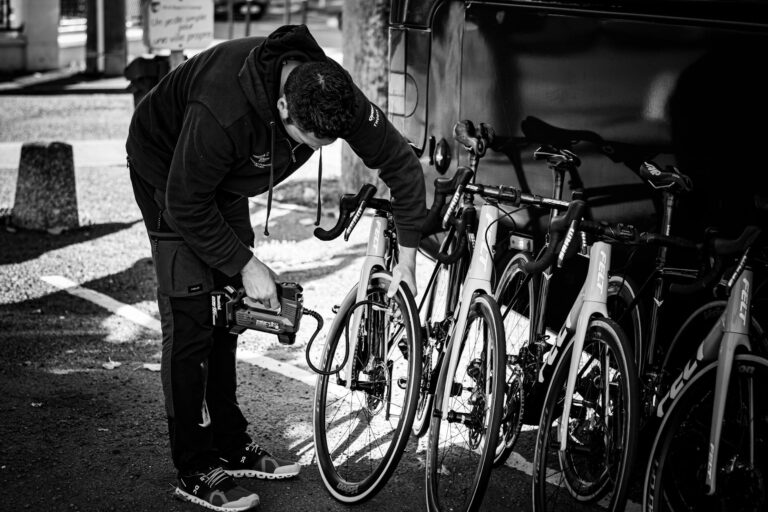
A professional bike tune-up before spring riding catches the hidden deterioration that occurs during winter storage””dried lubricants, corroded cables, and compromised brake pads””before these issues cause mechanical failures on your first warm-weather ride. The controlled environment of a bike shop allows mechanics to identify problems that home inspection often misses, such as hairline cracks in carbon components, internal cable fraying, and bearing wear that only becomes apparent under load. For example, a rider who stored their bike in a garage through a Minnesota winter might not notice that temperature fluctuations caused their hydraulic brake fluid to absorb moisture, leading to a spongy lever feel that could mean the difference between a controlled stop and a collision at the bottom of a descent. Beyond safety, a spring tune-up restores the precise adjustments that make cycling efficient and enjoyable.
Derailleur indexing drifts as cables stretch and housing compresses, turning what was once crisp shifting into hesitation and chain drops. Wheel true degrades imperceptibly, creating wobbles that increase rolling resistance and accelerate brake pad wear. A professional mechanic addresses these interconnected systems holistically, understanding how a slightly out-of-true rear wheel affects derailleur alignment, which in turn impacts chain wear rates. This article examines why professional service offers advantages over DIY maintenance, what specific components require expert attention, how to evaluate whether your bike needs basic or comprehensive service, and how to prepare your bike for shop intake to maximize the value of your tune-up investment.
Table of Contents
- What Does a Professional Bike Tune-Up Include That Justifies Spring Service?
- Why Winter Storage Creates Hidden Mechanical Problems
- How Professional Mechanics Identify Problems Beyond Visual Inspection
- When DIY Maintenance Makes Sense Versus Professional Service
- Common Spring Tune-Up Mistakes and How Shops Avoid Them
- What Spring-Specific Conditions Demand From Your Bicycle
- How to Prepare
- How to Apply This
- Expert Tips
- Conclusion
- Frequently Asked Questions
What Does a Professional Bike Tune-Up Include That Justifies Spring Service?
A standard professional tune-up encompasses far more than the visible cleaning and lubrication that most riders perform at home. Mechanics begin with a systematic inspection protocol, checking frame and fork alignment with precision tools, examining dropout faces for parallelism, and testing headset and bottom bracket bearings for play or roughness. They use specialized equipment””derailleur alignment gauges, tensiometers for spoke tension, and digital calipers for brake pad and rotor measurement””that would cost hundreds of dollars for a home mechanic to acquire and require training to use correctly. The comparison between professional and home service becomes stark when examining drivetrain wear assessment. While a rider might use a chain wear tool to check elongation, a shop mechanic evaluates the entire system: cassette tooth profiles, chainring wear patterns, pulley wheel condition, and cable tension.
They understand that a chain measuring 0.5% wear paired with a cassette showing hooked teeth will accelerate to 0.75% wear within weeks, whereas the same chain on fresh cogs might last another thousand miles. This systematic analysis prevents the common amateur mistake of replacing chains without addressing worn cogs, which destroys new chains rapidly. Professional tune-ups also include liability-driven inspection of safety-critical components. Shops document their work and stake their reputation on bikes leaving in safe condition. This creates an incentive structure that encourages thorough inspection of items like steerer tube cracks, carbon handlebar integrity, and quick-release or thru-axle function””components that might seem fine until catastrophic failure occurs at speed.
Why Winter Storage Creates Hidden Mechanical Problems
Winter dormancy damages bicycles in ways that active riding does not, primarily through static loading, temperature cycling, and moisture accumulation. Tires develop flat spots when supporting weight in the same position for months, and while these often work themselves out during initial rides, the rubber can also develop cracking from ozone exposure if stored near furnaces or hot water heaters. Cables hold tension while stationary, creating memory in housing bends that later manifests as sticky shifting and braking. Grease in bearings separates over extended periods without rotation, leaving steel surfaces vulnerable to corrosion during spring humidity increases. The garage storage scenario is particularly problematic because it combines temperature extremes with moisture exposure. Hydraulic brake fluid is hygroscopic””it absorbs water from the atmosphere over time.
During a winter of temperature swings, condensation forms inside brake reservoirs and mixes with fluid, progressively lowering the boiling point. A rider who stored their bike in October with fresh fluid might find by April that hard braking on a descent generates enough heat to boil the contaminated fluid, causing sudden lever fade. However, if your bike was stored in a climate-controlled indoor space, this particular concern is largely mitigated, and brake fluid service might be postponed until its regular interval. Spring riding conditions exacerbate storage-induced problems because roads are at their worst. Sand, salt residue, and debris remain from winter treatment, and wet conditions are common. A bike with marginal brake pad material or slightly stretched cables will perform adequately in dry fall conditions but fail noticeably when spring demands peak stopping power on gritty, wet pavement.
How Professional Mechanics Identify Problems Beyond Visual Inspection
The expertise gap between professional and amateur diagnosis extends beyond tool access to pattern recognition developed through seeing thousands of bikes. A mechanic recognizes the particular sound of a worn bottom bracket under load versus a creaking seatpost, and understands that the intermittent skip a customer describes during hard pedaling likely indicates a worn freehub body rather than the bent derailleur hanger the customer suspected. This diagnostic efficiency translates directly into money saved””professional identification of the actual problem avoids the trial-and-error parts replacement that characterizes many home repair attempts. Touch and motion testing reveal issues invisible to static inspection. Mechanics roll wheels while feeling spoke tension variations, squeeze brake levers to assess pad compound hardness and hydraulic system integrity, and spin cranks to detect bottom bracket roughness.
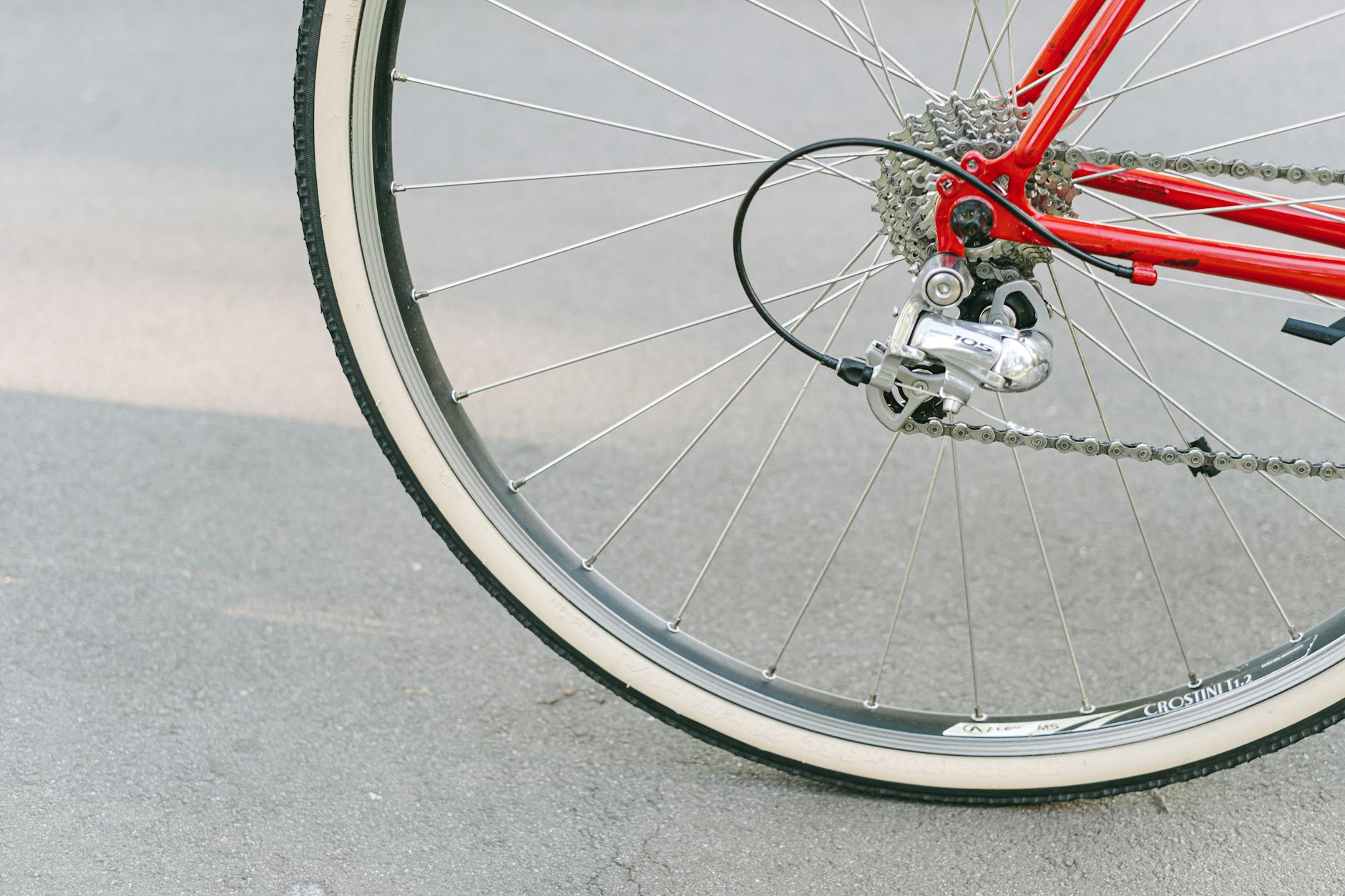
They rock handlebars and wheels laterally to identify headset and hub bearing play that falls below visual detection thresholds. A specific example: a mechanic testing a Shimano 105 hub might detect the distinctive notchy feeling indicating contaminated or pitted bearing races, predicting failure within hundreds of miles despite the wheel still spinning freely. Specialized bike shop workstands also provide access and positioning impossible to achieve with consumer-grade equipment. With the bike securely mounted at working height, mechanics can test shifting under simulated load conditions, observe chain path through the entire pedal stroke, and examine frame welds and tube junctions from angles obscured during normal use. They catch the small chips in carbon fiber that indicate impact damage requiring further investigation and the subtle alignment issues in steel and aluminum frames that suggest crash damage or manufacturing defects.

When DIY Maintenance Makes Sense Versus Professional Service
The decision between professional and home maintenance involves honest assessment of skill level, tool inventory, and time availability. Basic lubrication, tire inflation, and bolt torque checks fall within reach of most riders willing to learn, and performing this regular maintenance actually improves the value of professional tune-ups by ensuring the mechanic spends time on precision adjustments rather than remedial cleaning. The rider who arrives at a shop with a filthy drivetrain covered in abrasive paste will watch their tune-up budget consumed by cleaning labor rather than adjustment and replacement work. However, certain operations justify professional service regardless of home mechanic ambition. Hydraulic brake bleeding requires specific fluids, syringes, and bleeding blocks that vary by manufacturer””and mistakes can damage seals or introduce air that compromises braking under the worst possible conditions.
Bottom bracket and headset service requires precise torque application and often proprietary tools; over-tightening bearing preload creates damage that reveals itself through premature failure rather than immediate symptoms. Wheel building and truing at professional standards demands hundreds of hours of practice to master the relationship between spoke tension, lateral true, and dish. The tradeoff calculation changes based on bike value and riding intensity. A commuter riding a $400 hybrid might reasonably handle most maintenance at home, accepting slightly imprecise shifting as a worthwhile tradeoff against shop labor costs that could approach the bike’s replacement value. A competitive cyclist on a $6,000 road bike faces different economics: the cost of a professional tune-up represents a small fraction of component replacement necessitated by deferred maintenance, and optimal performance directly impacts training quality and race results.
Common Spring Tune-Up Mistakes and How Shops Avoid Them
The most frequent DIY tune-up error involves addressing symptoms rather than causes, leading to repeated unsuccessful adjustments and sometimes component damage. A rider frustrated by poor shifting might tighten barrel adjusters, replace cables, and adjust limit screws without recognizing that the underlying problem is a bent derailleur hanger””a condition that no amount of cable adjustment will correct and that improper limit screw changes can convert from annoying into dangerous by allowing the derailleur to shift into the spokes. Professional mechanics check hanger alignment as a first step, using gauges that reference off the cassette to detect bends as small as a few millimeters at the dropout that translate into centimeters at the derailleur pulley. Another common amateur mistake involves applying lubricant without first removing old contamination. Chain lube applied over dirty, worn lubricant creates a grinding paste rather than a protective film, accelerating wear of chain, cassette, chainrings, and derailleur pulleys.
Shops degrease drivetrains thoroughly before applying fresh lubricant, and select lubricant types appropriate to riding conditions””understanding that the wet lube suitable for Pacific Northwest winter conditions will attract excessive contamination during dry California summer rides. A warning specific to the spring rush: not all tune-ups are equal, and shop quality varies significantly. Busy spring seasons can pressure shops to move bikes quickly, and some operations employ undertrained staff for basic services. Riders should ask specifically what inspection points are included in service packages, request documentation of work performed, and examine bikes upon pickup rather than assuming all adjustments were completed. The shop that welcomes questions about their process is more likely to deliver thorough service than one that deflects inquiry.

What Spring-Specific Conditions Demand From Your Bicycle
Spring riding environments present distinct challenges that differentiate pre-season tune-up priorities from mid-season maintenance. Road surfaces carry winter’s accumulated debris: sand from ice treatment, salt residue that accelerates corrosion, and gravel washed down from shoulders. This abrasive material infiltrates drivetrains, bearings, and cable housings, meaning a bike entering spring with marginal lubrication and already-worn seals will deteriorate rapidly. Professional preparation addresses these vulnerabilities proactively, replacing aged grease in hubs and headsets, installing fresh housing, and verifying seal integrity.
Temperature variability creates its own demands. Morning rides starting at 40°F and warming to 65°F by finish stress components through thermal expansion cycles. Tire pressure set for cold morning conditions becomes excessive as temperatures rise, potentially compromising grip or ride quality. Brake pad compounds optimized for summer heat may exhibit poor cold-weather modulation during early-season morning rides. Professional mechanics familiar with regional conditions can advise on setup choices appropriate to spring’s transitional nature””for example, recommending slightly softer tire compounds or ensuring hydraulic brake fluid is fresh enough to handle wide operating temperature ranges.
How to Prepare
- **Clean the drivetrain and frame thoroughly.** Remove mud, dust, and old lubricant residue that obscures inspection and contaminates fresh components. This alone can reduce tune-up labor time by 20-30%, either lowering cost or freeing time for more careful adjustment work. Avoid applying new lubricant””let the shop select and apply appropriate products after their cleaning process.
- **Document specific symptoms and their conditions.** Write down when problems occur: “Chain skips under hard pedaling in third cog” or “Front brake squeals only when wet” provides diagnostic direction that saves troubleshooting time. Vague complaints like “something feels wrong” require lengthy investigation that consumes your service budget.
- **Remove accessories and bags.** Clear the bike of lights, computers, bags, and bottle cages that obstruct access to cables, frame junctions, and mounting points. This also protects your accessories from shop damage and ensures nothing is lost.
- **Note your current fit measurements.** Record saddle height, setback, and handlebar position before service. While reputable shops maintain these settings, documentation provides verification and simplifies correction if anything shifts during work.
- **Identify your service budget and priorities.** Know whether you want comprehensive service or targeted repair of specific issues. A common mistake is authorizing open-ended “fix everything” work without understanding costs, leading to invoices exceeding expectations. Request an estimate before authorizing work beyond initial inspection.
How to Apply This
- **Establish a pre-ride inspection habit.** Before each ride, squeeze brake levers to verify pad contact and firm lever feel, check tire pressure and sidewall condition, and verify quick-releases or thru-axles are properly secured. This 60-second routine catches developing problems before they strand you mid-ride.
- **Implement condition-based drivetrain maintenance.** Clean and lubricate the chain whenever it appears dry or after wet rides, rather than following arbitrary mileage schedules. Learn to recognize the sound of a dry chain””a subtle metallic singing under load””and address it immediately.
- **Schedule professional service based on riding intensity.** Riders logging 5,000+ annual miles benefit from two tune-ups yearly: pre-season spring and mid-summer for heavy riders, or pre-season and fall for those who ride through winter. Casual riders covering 1,000-2,000 miles need only annual service, ideally spring.
- **Maintain records of service and component replacement.** Track chain replacement intervals, cassette lifespan, and brake pad changes to understand your personal wear patterns. This data informs future service timing and helps identify developing problems””if chain life suddenly drops from 3,000 to 1,500 miles, investigate drivetrain alignment or contamination issues.
Expert Tips
- Replace cables and housing as a set annually for bikes ridden year-round; housing degrades internally even when cables appear functional, and mismatched components compromise shift quality.
- Do not over-lubricate chains””excess lubricant attracts contamination that accelerates wear. Apply lube, allow penetration for several minutes, then wipe the exterior thoroughly until the chain feels nearly dry.
- Request derailleur hanger alignment check at every professional service; bent hangers are common crash and transport damage that often goes undetected until shifting becomes problematic.
- Ask your shop about seasonal lubricant changes; dry lubes that work well in summer attract less contamination but wash away quickly in spring rain, while wet lubes persist through moisture but collect more grit in dry conditions.
- If your bike sat unused for more than six months, specifically request bearing inspection even if wheels spin freely””bearings can develop flat spots and corrosion that cause rapid deterioration once riding resumes.
Conclusion
Professional spring tune-ups address the cumulative effects of winter storage and prepare bicycles for the demanding conditions of early-season riding. The investment in expert service pays dividends through extended component lifespan, improved performance and safety, and the confidence that comes from knowing your bike has been comprehensively evaluated by trained eyes using proper tools. For most riders, the annual cost of professional maintenance represents a fraction of component replacement costs that result from deferred service.
Moving forward, schedule your spring tune-up several weeks before your intended return to regular riding””shop backlogs during spring rush can extend turnaround times from days to weeks. Use the interim to verify your kit inventory: check tire wear and brake pad reserves so you can request replacement during service rather than discovering needs mid-season. Consider whether this is the year to upgrade worn contact points like saddles, grips, or pedals as part of your spring preparation.
Frequently Asked Questions
How long does it typically take to see results?
Results vary depending on individual circumstances, but most people begin to see meaningful progress within 4-8 weeks of consistent effort. Patience and persistence are key factors in achieving lasting outcomes.
Is this approach suitable for beginners?
Yes, this approach works well for beginners when implemented gradually. Starting with the fundamentals and building up over time leads to better long-term results than trying to do everything at once.
What are the most common mistakes to avoid?
The most common mistakes include rushing the process, skipping foundational steps, and failing to track progress. Taking a methodical approach and learning from both successes and setbacks leads to better outcomes.
How can I measure my progress effectively?
Set specific, measurable goals at the outset and track relevant metrics regularly. Keep a journal or log to document your journey, and periodically review your progress against your initial objectives.
When should I seek professional help?
Consider consulting a professional if you encounter persistent challenges, need specialized expertise, or want to accelerate your progress. Professional guidance can provide valuable insights and help you avoid costly mistakes.
What resources do you recommend for further learning?
Look for reputable sources in the field, including industry publications, expert blogs, and educational courses. Joining communities of practitioners can also provide valuable peer support and knowledge sharing.