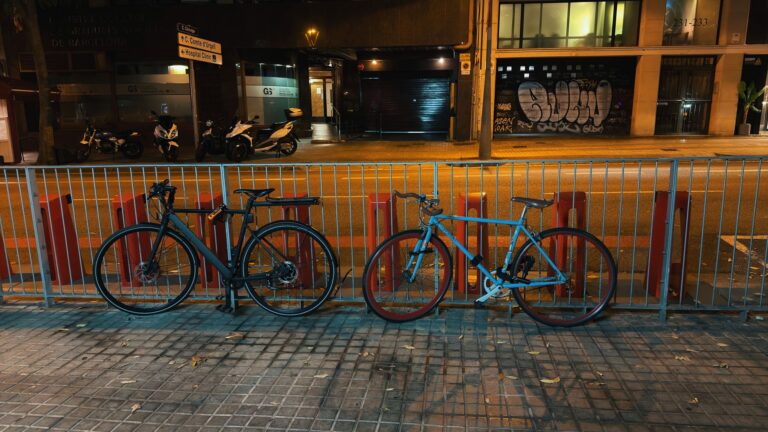
Look for correct frame size and riding position first, then an aluminum frame with a comfortable fork, dependable shifting, and brakes that stop well in the wet. Those basics affect safety and enjoyment more than light weight or race styling. A budget road bike means a drop-handlebar bike made for paved roads at an entry-level specification. It trades exotic materials and high-end parts for simple, serviceable components that keep costs down.
Table of Contents
- How do you get fit right?
- What frame and fork should you accept?
- Which gears and brakes work best?
- What about wheels, tires, and touch points?
- How do you shop and test wisely?
How do you get fit right?
Start with frame size, then adjust saddle height, saddle position, and handlebar reach. A shop fit check or careful test ride helps you spot stretched arms, sore knees, or numb hands.
Many riders fit between sizes and do better on the smaller frame with a longer stem. That setup often gives easier handling and less strain on back and neck.
- Check standover clearance and reach to the brake hoods
- Check knee comfort during easy pedaling
- Check that you can ride in the drops without holding your breath
What frame and fork should you accept?
Choose an aluminum frame with neat welds, rack or fender mounts if you commute, and clearance for wider tires. Aluminum offers solid stiffness and durability at this level without demanding special care. Look for a carbon-blade fork or a well-shaped steel or aluminum fork that absorbs road buzz.
Ride over rough pavement and listen for rattles, rubbing, or harsh feedback through the hands. Avoid frames with odd proprietary parts that complicate future repairs. Standard seatposts, threaded bottom brackets, and common wheel spacing make service simpler.
Which gears and brakes work best?
Pick a simple two-chainring drivetrain with smooth, repeatable shifts and a low gear that suits local hills. Fewer speeds with crisp operation beat more speeds that hesitate or drop the chain. Test every gear under light load, plus front shifts from small to large ring.
Levers should feel firm, hoods should fit your hands, and cables should move freely without grinding. Choose rim brakes with good pads or cable disc brakes with even pad contact. Squeeze each lever hard, roll the bike forward, and confirm strong, quiet stopping without a spongy feel.
What about wheels, tires, and touch points?
Look for straight, true wheels with smooth hubs and spokes at even tension. Heavier factory wheels are normal here, so value strength and easy truing over claimed light weight. Favor tires around 25 to 32 millimeters wide with puncture protection and a comfortable pressure range.
Wider tires at sensible pressure often roll smoothly and grip better on imperfect roads. Check saddle shape, bar tape, and pedal compatibility before you commit. Shops often swap stems, saddles, or tires for a small charge, which can fix comfort faster than upgrading parts later.
How do you shop and test wisely?
Ride at least two models on the same loop with small hills, turns, and rough pavement. Bring your shoes and pedals when possible, and shift, brake, and stand on the pedals deliberately. Inspect assembly quality, wheel attachment, headset tightness, and bolt torque.
Ask what the first tune-up covers, how warranty claims work, and which wear items the shop stocks. Consider a lightly used bike only after checking frame damage, wheel wear, chain stretch, and bearing play. Walk away from bent frames, cracked carbon, seized seatposts, or mismatched major parts.