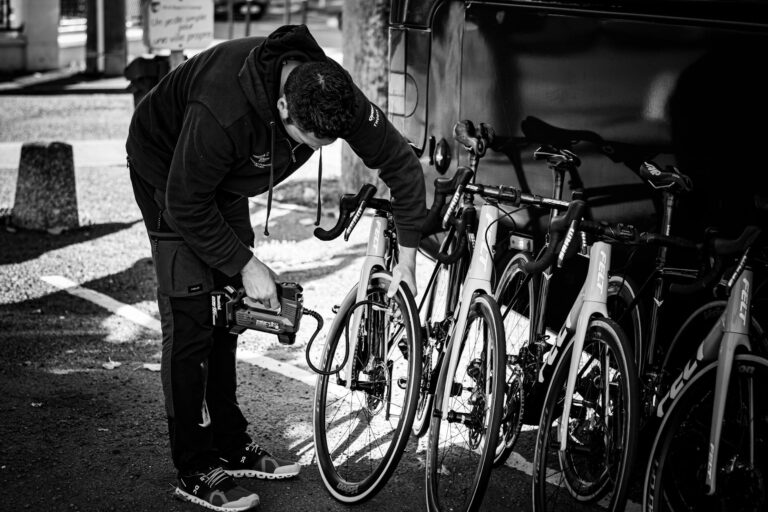
Proper tire pressure in spring is essential because temperature fluctuations during this transitional season cause significant pressure changes in your bicycle tires””roughly one PSI for every ten-degree Fahrenheit shift in ambient temperature. If you stored your bike through winter at 40 degrees and roll it out on a 70-degree spring morning, your tires may read correctly on your pump gauge but will effectively be overinflated by the time asphalt temperatures hit 90 degrees under afternoon sun. The solution is straightforward: check and adjust your tire pressure before every spring ride, accounting for the day’s expected temperature range rather than just the morning reading. This seasonal pressure management matters more than many cyclists realize.
A road cyclist who inflates to the maximum sidewall pressure on a cool April morning may experience a harsher ride, reduced grip on unpredictable spring road surfaces, and even risk a blowout as temperatures climb throughout the day. Conversely, tires left at winter storage pressure will be dangerously underinflated, increasing rolling resistance and making the bike feel sluggish while accelerating wear on the tire casing. Spring demands a more thoughtful approach than simply pumping to your usual number. This article covers the science behind temperature-related pressure changes, how to calculate your optimal spring pressure range, the specific hazards of getting it wrong, practical measurement and adjustment techniques, and expert guidance for different riding conditions you will encounter as the season progresses.
Table of Contents
- Why Does Tire Pressure Change During Spring Cycling Season?
- Optimal Tire Pressure Ranges for Spring Riding Conditions
- How Spring Road Conditions Affect Tire Pressure Needs
- Measuring and Adjusting Tire Pressure Accurately in Spring
- Common Tire Pressure Mistakes Cyclists Make in Spring
- How Tire Width and Type Influence Spring Pressure Choices
- How to Prepare
- How to Apply This
- Expert Tips
- Conclusion
- Frequently Asked Questions
Why Does Tire Pressure Change During Spring Cycling Season?
The physics behind tire pressure fluctuation is straightforward gas law behavior: as air temperature increases, the molecules inside your tire move faster and push harder against the tire walls, raising pressure. During spring, this effect becomes particularly pronounced because you may experience temperature swings of 30 to 40 degrees within a single day. A mountain biker starting a trail ride at 7 AM in 45-degree weather might finish by noon in 75-degree conditions, meaning their tires have gained approximately three PSI without any air being added. This phenomenon affects different tire types to varying degrees. High-pressure road tires running at 80 to 100 PSI show smaller percentage changes but are more sensitive to the resulting handling differences.
A three-PSI gain on a tire inflated to 90 PSI represents a 3.3 percent increase, which noticeably affects ride quality and cornering grip. Meanwhile, a mountain bike tire running at 25 PSI experiencing the same three-PSI swing sees a 12 percent pressure increase, dramatically altering how the tire conforms to terrain and absorbs impacts. Spring also brings another complicating factor: road surface temperature often exceeds air temperature substantially. Dark asphalt absorbing direct sunlight can reach 120 degrees or higher even when the air feels comfortable at 70 degrees. Your tires, in constant contact with this heated surface, warm faster than ambient conditions might suggest. Cyclists accustomed to setting pressure based on a home thermometer reading often find themselves riding overinflated tires without realizing it.
Optimal Tire Pressure Ranges for Spring Riding Conditions
Finding your ideal spring pressure requires starting with your baseline number and then adjusting for conditions. Most manufacturers print a pressure range on the tire sidewall, but these numbers represent maximum safe pressure and minimum functional pressure””not recommendations for optimal performance. A typical road tire rated for 80 to 130 PSI performs best for most riders somewhere between 85 and 100 PSI, depending on rider weight, road conditions, and personal preference. For spring specifically, start 5 to 10 PSI below your summer baseline on cool mornings when temperatures will rise significantly throughout your ride. If you typically ride at 95 PSI in stable summer conditions, begin a spring morning ride at 85 to 90 PSI.
This gives the expanding air room to increase pressure without pushing into uncomfortable or dangerous territory. However, if you are riding in consistently cool conditions””an overcast day staying in the 50s””this reduction is unnecessary and will leave you underinflated. The limitation here involves tubeless setups, which behave differently than traditional tube systems. Tubeless tires generally run lower pressures to begin with, and the sealant inside adds a thermal mass that slightly moderates temperature swings. If you run tubeless, reduce your spring adjustment to approximately 3 to 5 PSI below baseline rather than the 5 to 10 PSI recommended for tubed tires. Going too low with tubeless risks burping air past the bead seal during aggressive cornering on warming tires, leaving you suddenly underinflated mid-ride.
How Spring Road Conditions Affect Tire Pressure Needs
Spring roads present a unique combination of hazards that make tire pressure choices more consequential than during other seasons. Winter freeze-thaw cycles create new potholes and expand existing cracks, while sand and gravel spread for winter traction often remain on shoulders and corners well into April. These conditions demand different things from your tires: compliance to absorb impacts from deteriorated pavement, and grip to handle debris that winter cleanup has not yet addressed. Running slightly lower pressure improves both qualities. A tire at 85 PSI conforms to road imperfections that would cause a 100-PSI tire to bounce, maintaining better contact and control.
That conformability also means the tire can partially envelop small debris rather than rolling over the top of it, reducing puncture risk from the glass and wire fragments that emerge as winter snow melts. Cyclists commuting through urban areas often find spring brings a spike in flat tires, and pressure adjustment represents one controllable factor in reducing that frustration. A specific example illustrates the tradeoff: a cyclist riding chip-seal roads with embedded gravel at maximum pressure essentially places all contact stress on a tiny patch of rubber that bridges aggregate peaks. Drop pressure by 15 percent, and the contact patch grows enough to distribute that stress across multiple aggregate pieces, dramatically improving both traction and comfort while reducing the likelihood of cutting through to the casing. However, going too low””below the minimum needed to prevent pinch flats””creates its own puncture risk, particularly given the pothole hazards spring roads present.
Measuring and Adjusting Tire Pressure Accurately in Spring
Accurate measurement requires a quality floor pump with a gauge you actually trust, which eliminates most portable mini-pumps and many inexpensive floor pumps from consideration. Gauges drift over time and differ between manufacturers; two pumps showing 90 PSI might actually be delivering 85 and 95 PSI respectively. Investing in a dedicated digital pressure gauge that you use to check your pump’s accuracy at least seasonally eliminates this variable. Compare readings at multiple pressure points””60, 80, and 100 PSI””since gauge accuracy often varies across ranges. The timing of your measurement matters substantially during spring.
Check pressure when the bike has been at the same temperature as your riding environment for at least an hour. A bike stored in a 60-degree garage overnight will read differently than one that sat in your 70-degree living room, even though both will perform similarly once they reach road temperature. The goal is consistency: measure under similar conditions each time so your adjustments reflect actual changes rather than measurement artifacts. Digital gauges provide more precise readings than analog dials, typically within one PSI rather than the two to five PSI variance common with cheaper dial gauges. For riders obsessive about optimization, digital gauges also allow tracking pressure changes over time””you can log readings before and after rides to understand exactly how much pressure your specific tires gain during typical spring conditions. However, this precision becomes meaningless if you neglect the more fundamental practice of simply checking pressure regularly rather than assuming last week’s reading still applies.
Common Tire Pressure Mistakes Cyclists Make in Spring
The most frequent spring error is treating tire pressure as a set-and-forget metric rather than a dynamic variable requiring regular attention. Cyclists who develop the habit of pumping tires once weekly during stable summer months continue that pattern into spring, not realizing that week-to-week pressure changes are far more significant when temperatures swing 25 degrees between Tuesday and Saturday. Daily checking is not excessive during spring; at minimum, check before any ride where conditions have changed substantially since your last time out. Overcompensating for spring conditions creates problems too. Riders who hear advice about running lower pressure sometimes drop 20 or 25 PSI below their baseline, reasoning that more reduction must provide more benefit. Below a certain threshold””which varies by tire width, rider weight, and rim width””performance degrades rapidly.
Pinch flats become likely, sidewall flex wastes pedaling energy, and handling becomes vague and unpredictable. A 180-pound rider on 25mm tires cannot safely drop below approximately 70 PSI regardless of conditions; wider tires allow proportionally lower pressures. Another common mistake involves ignoring front and rear differences. Most cyclists naturally carry more weight over the rear wheel, requiring higher rear pressure for equivalent tire deflection. Spring conditions that warrant dropping pressure still require maintaining this differential””typically 5 to 10 PSI higher in back. Riders who reduce both tires to the same absolute pressure create a mismatched setup where the rear feels harsh and the front feels vague. Additionally, those who only own a mini-pump without a gauge often fail to accurately set any pressure at all, making theoretical discussions of optimal ranges moot.
How Tire Width and Type Influence Spring Pressure Choices
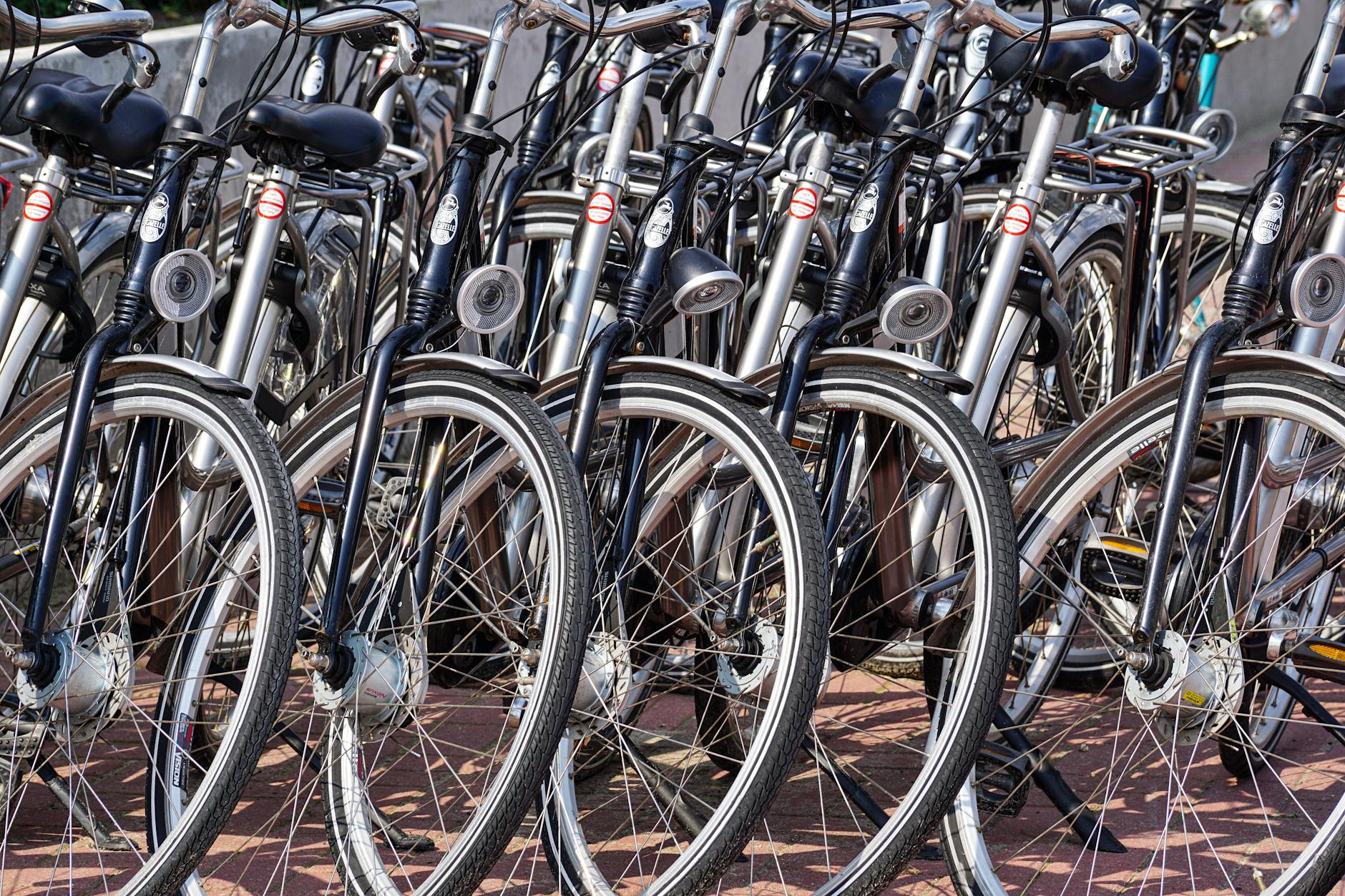
Wider tires have fundamentally changed spring pressure considerations for many cyclists. The road cycling shift toward 28mm, 32mm, and even wider tires means more riders can run pressures that provide meaningful compliance without sacrificing efficiency. A 32mm tire at 65 PSI offers a larger air volume that moderates temperature-related pressure changes while also providing inherently more cushioning than a 23mm tire at 95 PSI. Cyclists still riding narrower tires experience more dramatic consequences from pressure miscalculations. Tire construction also matters more than many riders realize. A supple, thin-casing tire designed for performance loses significant efficiency when overinflated because its flexible casing cannot absorb road vibration””it simply transmits every imperfection to the rider and frame.
These tires often perform best 10 to 15 PSI below what their stiff-casing counterparts can handle. Meanwhile, puncture-resistant commuter tires with thick protective layers under the tread may actually need higher pressure to function properly; their additional material requires more air pressure to achieve the same ride feel and efficiency. For a practical example, consider two cyclists purchasing tires for spring riding. One chooses a premium 28mm tire with a 120 TPI casing and no puncture protection, optimized for speed and comfort. The other selects a 28mm tire with a 60 TPI casing and a thick protective belt, prioritizing durability. Despite identical widths, optimal pressure differs by 15 PSI or more””the supple tire performs best around 75 to 80 PSI while the protected tire needs 90 to 95 PSI to avoid feeling sluggish. Season-specific advice must account for these substantial differences.
How to Prepare
- **Inspect tire condition thoroughly.** Remove both wheels and examine the entire tread surface and sidewalls for embedded debris, cuts, or cracking that developed during winter storage. Glass or wire fragments can work deeper into the casing over time, waiting to cause a flat when spring warmth softens the rubber. Remove anything embedded before inflating to riding pressure.
- **Check for dry rot and aging.** Tires stored in temperature-variable environments may show fine cracks in the sidewall rubber, indicating degradation that compromises safety. Any visible cracking means replacement, regardless of remaining tread depth. This is particularly important for tires that sat deflated, as the folded casing experiences accelerated aging at the fold points.
- **Verify valve function.** Presta valve cores can seize during winter, and Schrader valve springs may stick. Test that air flows freely in and out, and replace any questionable valve cores””they cost less than a dollar and take seconds to swap but can cause persistent slow leaks if marginal.
- **Calibrate your pressure gauge.** Compare your pump gauge against a known-accurate reference, whether a digital gauge, a shop’s professional compressor, or a fellow cyclist’s calibrated equipment. Note any discrepancy and account for it when setting pressure.
- **Establish your baseline pressure.** Inflate to your expected spring pressure, allow the tire to sit overnight, and check again in the morning. Any significant drop indicates a slow leak requiring further investigation. A common mistake here is checking too soon after inflation””tires can lose a few PSI in the first hour as air migrates through the rubber, then stabilize. Wait at least 12 hours for an accurate assessment.
How to Apply This
- **Check pressure before every ride during active spring weather.** This sounds excessive but takes only 30 seconds with a floor pump and prevents the cumulative problems from riding repeatedly at incorrect pressure. Compare the reading to yesterday’s number; significant changes indicate either a leak or that you need to recalibrate your mental model of how temperature affects your specific setup.
- **Adjust for the day’s conditions, not just the morning reading.** If starting a ride at 50 degrees with temperatures expected to reach 75 degrees by your return, inflate 5 to 8 PSI below your target pressure. The tires will reach optimal pressure as they warm, then slightly exceed it””acceptable””rather than starting correct and becoming significantly overinflated.
- **Reassess at mid-ride stopping points.** If you stop for coffee or lunch during a long ride, squeeze your tires to roughly assess pressure. Significant firmness increase indicates you may have started too high; note this for future reference. Some cyclists carry a mini pressure gauge for precise mid-ride checks, though this level of attention is unnecessary for casual riders.
- **Log your findings for future reference.** Keeping simple notes about date, starting temperature, pressure set, and ending conditions helps you develop intuition specific to your equipment and riding style. After one spring season of logging, you will understand exactly how your tires behave and can skip the extensive checking for subsequent years.
Expert Tips
- Start spring rides 5 to 10 PSI below your summer baseline when morning temperatures are below 55 degrees and expected to rise more than 15 degrees during your ride. The pressure increase from temperature will bring you into optimal range as conditions warm.
- Do not reduce pressure when riding in steady cool conditions. The adjustment strategy assumes warming; if you are riding in consistent 50-degree overcast weather all day, use your standard pressure. Unnecessary reduction costs efficiency without providing benefit.
- Invest in a quality floor pump with a large, readable gauge rather than relying on mini-pumps or gas station compressors. The fifty dollars separating a good pump from a mediocre one pays for itself in reliable readings and longevity.
- Check both tires independently rather than assuming they lose or gain pressure equally. Differences in valve condition, tube age, or even sun exposure during storage can create divergence that throws off your front-rear balance.
- Prioritize tire condition over pressure optimization. A perfectly inflated tire with a compromised casing fails unpredictably; a slightly imperfect pressure on sound tires merely performs suboptimally. Replace any tire showing age-related deterioration before obsessing over pressure.
Conclusion
Proper tire pressure management during spring represents one of the simplest yet most overlooked aspects of seasonal cycling readiness. The basic principle is straightforward: temperature changes cause pressure changes, and spring’s dramatic daily temperature swings demand more frequent attention than cyclists typically give during stable summer months. Understanding that relationship, and adjusting your routine to accommodate it, prevents both the inefficiency of chronic underinflation and the discomfort and danger of overinflated tires on spring’s compromised roads.
Moving forward, make pressure checking a non-negotiable part of your pre-ride routine throughout spring, reducing frequency only once daily temperature ranges narrow to summer’s more stable patterns. Invest in accurate measurement tools, understand how your specific tires and riding conditions affect optimal pressure, and do not hesitate to adjust rather than riding on yesterday’s inflation. The few minutes this routine requires prevent flats, improve comfort, extend tire life, and ultimately make spring riding more enjoyable as you return to regular miles after winter’s layoff.
Frequently Asked Questions
How long does it typically take to see results?
Results vary depending on individual circumstances, but most people begin to see meaningful progress within 4-8 weeks of consistent effort. Patience and persistence are key factors in achieving lasting outcomes.
Is this approach suitable for beginners?
Yes, this approach works well for beginners when implemented gradually. Starting with the fundamentals and building up over time leads to better long-term results than trying to do everything at once.
What are the most common mistakes to avoid?
The most common mistakes include rushing the process, skipping foundational steps, and failing to track progress. Taking a methodical approach and learning from both successes and setbacks leads to better outcomes.
How can I measure my progress effectively?
Set specific, measurable goals at the outset and track relevant metrics regularly. Keep a journal or log to document your journey, and periodically review your progress against your initial objectives.
When should I seek professional help?
Consider consulting a professional if you encounter persistent challenges, need specialized expertise, or want to accelerate your progress. Professional guidance can provide valuable insights and help you avoid costly mistakes.
What resources do you recommend for further learning?
Look for reputable sources in the field, including industry publications, expert blogs, and educational courses. Joining communities of practitioners can also provide valuable peer support and knowledge sharing.