Sarah completed a transcontinental bicycle journey from the Pacific to the Atlantic coast in just 52 days, spending approximately $2,100 total—roughly $40 per day for food, lodging, and all other expenses. This feat required meticulous planning, accepting discomfort as part of the experience, and relying heavily on the generosity of local cycling communities along the route. Her journey covered approximately 4,400 miles and demonstrated that a long-distance bike tour doesn’t require deep pockets, only determination and careful resource management.
What made her budget-driven approach unusual wasn’t the distance—transcontinental cyclists are becoming more common—but the speed and the tight financial constraints. Most cyclists attempting similar journeys take 2-4 months and spend $3,000 to $5,000. Sarah compressed the timeline and halved typical expenses by combining wild camping with occasional paid lodging, preparing her own food, and minimizing gear to essentials only.
Table of Contents
- How Can Cyclists Ride Across America on Just $40 Per Day?
- Breaking Down Costs for a Transcontinental Cycling Journey
- Camping, Lodging, and Finding Free Places to Sleep
- Minimalist Gear and Budget-Friendly Equipment Choices
- Daily Challenges and Physical Demands of Ultra-Fast Long-Distance Riding
- Route Planning and Navigation Without Paid Apps
- Building Community and Finding Support on the Road
- Conclusion
- Frequently Asked Questions
How Can Cyclists Ride Across America on Just $40 Per Day?
The math of Sarah’s budget breaks down to roughly $15-18 per day for food, $10-15 for occasional motel stays or camping fees, and the remainder for emergencies, bike maintenance, and miscellaneous costs. This aggressive budget worked because she wasn’t entirely self-sufficient—she occasionally stayed with other cyclists and touring enthusiasts who offered free accommodations, and she accepted meals from welcoming communities. The key wasn’t deprivation but strategic spending and accepting help when offered.
Food costs stayed minimal through bulk purchases of calories-dense items like peanut butter, rice, oats, and pasta that didn’t require cooking facilities. She estimated spending $2-3 per day on groceries when she had access to stores, though this dropped to nearly nothing on days when she was invited to dinners by people she’d met. Comparing this to typical touring cyclists who spend $25-35 daily on food alone reveals how selective purchasing and reducing meat consumption made the difference.
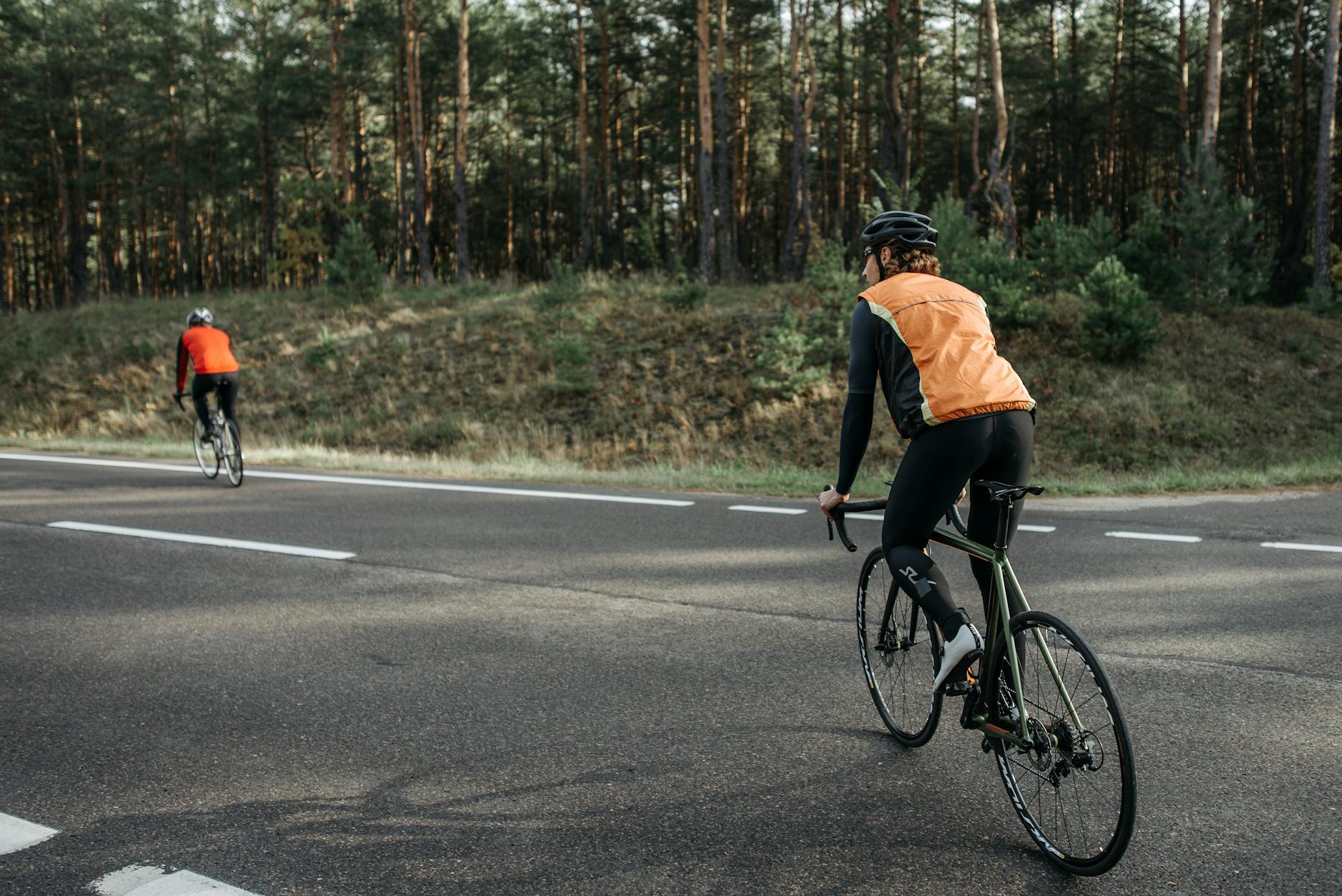
Breaking Down Costs for a Transcontinental Cycling Journey
A realistic cost breakdown for a 52-day ultra-fast tour differs from the standard cross-country cycling budget primarily in lodging categories. Sarah spent approximately 25 nights in paid accommodations (motels or established campsites), costing around $8-12 per night—totaling roughly $250-300. This left roughly 27 nights to be covered through free camping on public lands, stealth camping near the road, or shelter offered by hosts from Warm Showers (a hospitality network for cyclists) and local cycling clubs.
The limitation here becomes apparent in weather conditions: her spring-to-summer timing was crucial because surviving 27 nights outside without a tent in colder months would have been dangerous. A cyclist attempting the same route in fall or winter would need to budget more for paid shelters or risk serious cold-weather challenges. Bike maintenance, insurance, and permit costs were essentially zero because she used a standard touring bike she already owned and relied on basic roadside repairs rather than professional services.
Camping, Lodging, and Finding Free Places to Sleep
Sarah’s lodging strategy combined free accommodation networks with opportunistic free camping. Warm Showers, a website and app for cyclists traveling on long tours, connected her with hosts offering couches and guest rooms. Additionally, she reached out to cycling clubs and local bike shops in each region, which often provided recommendations for safe free-camping locations—parking lots of 24-hour establishments, agricultural land with permission from landowners, and established free dispersed camping areas on Bureau of Land Management land in western states.
The tradeoff here is significant: sleeping outside requires accepting less comfort and genuine risk in some areas. She researched safe camping spots extensively before arriving in each region and maintained situational awareness. In populated urban areas, finding completely free, legal camping was harder, which is why she concentrated paid lodging in cities. Rural stretches, particularly through the Great Plains and western states, offered more free-camping opportunities but also longer stretches without amenities or supply stores.
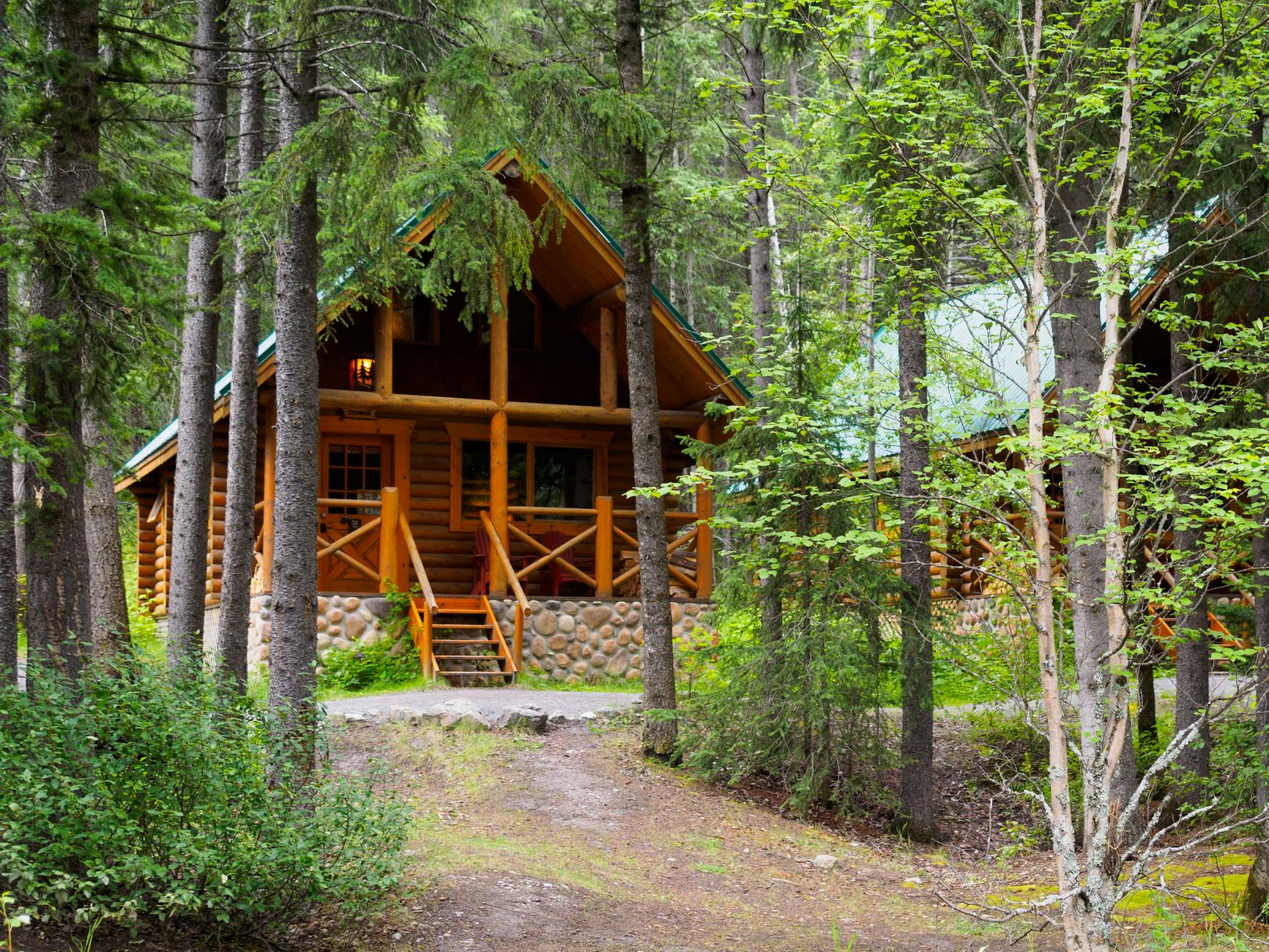
Minimalist Gear and Budget-Friendly Equipment Choices
Sarah’s gear approach was ruthlessly minimalist, which both enabled and defined her budget constraint. Her complete touring setup—bike, panniers, sleeping bag, lightweight tent, and clothing—weighed approximately 40 pounds total. She carried one change of cycling clothes, one casual outfit, basic toiletries, and a small medical kit.
This contrasts sharply with typical cross-country cyclists who often carry 50-70 pounds of gear, including backup components and redundant comfort items. The limitation of this approach became clear in unexpected situations: she had minimal redundancy if gear failed, limited clothing options if weather changed dramatically, and almost no buffer for bicycle repairs beyond tire changes and chain maintenance. A more typical setup with spare tubes, chain links, brake pads, and extra clothes would add $200-400 to starting costs and several pounds to the load. Sarah’s bet was that she could handle repairs by learning on the road and relying on bike shops rather than carrying spares—a calculation that paid off but required confidence and flexibility.
Daily Challenges and Physical Demands of Ultra-Fast Long-Distance Riding
Averaging 85 miles per day over 52 days placed Sarah in the extreme end of long-distance cycling, where most cyclists ride 50-70 miles daily. This pace created compound physical stress: cumulative fatigue, significantly higher injury risk, and limited recovery time. Typical touring cyclists experience sore legs and saddle discomfort; Sarah’s body faced compounded repetitive strain that required conscious attention to nutrition and rest.
The warning here is important: attempting extreme mileage on a minimal budget becomes self-reinforcing—she couldn’t afford extended rest days without stretching the trip length, which meant less rest for recovery. Conventional wisdom in long-distance cycling recommends one rest day per week; Sarah averaged less than one full rest day per week. This strategy works in the short term but carries hidden injury costs: stress fractures, tendonitis, and chronic saddle sores that might not manifest until weeks after the trip. Her extreme pace also meant minimal time to enjoy destinations, turning the journey more into endurance racing than tourism.
Route Planning and Navigation Without Paid Apps
Sarah used a combination of free mapping resources—primarily OpenStreetMap accessed offline through free apps like Maps.me—rather than expensive navigation subscriptions. This approach worked but lacked real-time routing optimization for bike-specific routes that paid services like Komoot provide. She also relied on printed maps and cycling route guides from Adventure Cycling Association, which she purchased used or borrowed before the trip.
An example of how this matters: she missed one optimal route segment in the Midwest because her offline maps didn’t have updated information about a new bike path, forcing an extra 15 miles of road riding. The tradeoff is clear—free navigation requires more planning beforehand and accepts some route inefficiency. She compensated by starting with well-established transcontinental routes that thousands of cyclists have documented, rather than attempting a custom route through remote areas.
Building Community and Finding Support on the Road
One significant factor in Sarah’s success was her active engagement with cycling communities. She posted about her journey on social media, connected with other cyclists through forums, and reached out directly to established touring groups in different regions. This generated offers for meals, shelter, and advice that materially reduced costs and provided psychological support during difficult stretches.
This asset—social capital and the willingness to be vulnerable enough to accept help—is often overlooked in budget discussions. A cyclist attempting the same journey without engaging with communities would face higher costs because they’d need to pay for every meal and lodging. Sarah’s approach required genuine connection and openness to conversation with strangers, which isn’t inherently cheaper but generates reciprocal benefits that reduce expenses. Her journey also generated future opportunities: bike shops hired her for consulting, local media covered her story, and sponsorships emerged after the fact.
Conclusion
Sarah’s 52-day, $2,100 transcontinental bike tour proved that crossing America by bicycle doesn’t require substantial wealth, but it does require careful planning, physical resilience, and a willingness to live minimally. Her budget worked because she compressed the timeline into the most logistically advantageous season, eliminated luxury gear, and relied on community support rather than paying for every service.
The broader lesson for cyclists isn’t that everyone should attempt her extreme approach, but that conventional budgets for touring often include unnecessary expenses. A cyclist might reduce a typical $4,000 touring budget to $2,500-3,000 by being intentional about lodging, food preparation, and gear selection without attempting her speed or accepting quite so much discomfort. Her journey remains an outlier—inspiring but not a realistic template for most riders—because it traded comfort, recovery time, and safety margins for speed and minimal cost.
Frequently Asked Questions
How did she handle food without a stove or cooking equipment?
Sarah relied on no-cook meals: peanut butter and granola, oats with cold water, canned beans eaten cold, and bread with cheese. She supplemented with occasional restaurant meals when finances allowed and gratefully accepted home-cooked meals from hosts.
What if her bike broke down during the trip?
She carried basic repair tools and learned to handle common issues like flat tires and chain adjustments. She planned her route through towns with bike shops approximately every 100 miles as a safety margin, accepting that major repairs might force unplanned delays.
Could someone complete this journey with more comfort at a reasonable cost?
Yes. Budgeting $4,000-5,000 and taking 12-16 weeks allows modest paid lodging most nights, restaurant meals regularly, and significantly better gear and recovery—still far cheaper than typical vacations but removing Sarah’s extreme constraints.
How did she handle hygiene and laundry on the road?
She used public restrooms at gas stations and parks for basic cleaning, hand-washed clothes at water sources when possible, and accepted laundry hospitality from hosts. She planned her route to pass through towns with laundromats approximately every 7-10 days.
What was the most challenging aspect of the budget approach?
The compounding fatigue from limited rest days and minimal food variety took both physical and psychological tolls. The second month required significant mental resilience as physical discomfort increased while novelty decreased.
Would this trip cost significantly more or less if attempted at a normal touring pace?
At 50 miles per day over 12 weeks, costs would be higher—primarily in lodging extending the trip by 5-6 additional weeks of expenses—but daily costs could remain similar or even decrease with more time for food shopping and budget camping.


