Long-distance charity rides represent some of the most inspiring fundraising efforts in the cycling community, with participants of all ages pushing their physical limits to support causes they believe in. While the specific story of an 82-year-old raising exactly $47,000 for childhood cancer research through a 100-mile ride does not appear in current public records, there are numerous verified examples of century rides that have generated significant funding for pediatric cancer organizations.
These events demonstrate that age is no barrier to meaningful athletic achievement—riders in their 60s, 70s, and beyond regularly complete 100-mile challenges while supporting critical medical research. The broader landscape of century-distance charity rides for childhood cancer includes well-organized, nationally recognized programs that attract riders across multiple age groups and fitness levels. These initiatives prove that a single rider’s determination to cover 100 miles can translate into substantial support for organizations working to cure childhood cancers and improve treatment outcomes.
Table of Contents
- How 100-Mile Charity Rides Support Childhood Cancer Research
- The Physical Reality of Century Rides for Older Cyclists
- Building Fundraising Momentum for Childhood Cancer Organizations
- Choosing Between Structured Programs and Independent Rides
- Medical and Safety Considerations for Endurance Cycling at Advanced Age
- The Broader Community of Senior Charity Cyclists
- Future of Age-Inclusive Charity Cycling Events
- Conclusion
How 100-Mile Charity Rides Support Childhood Cancer Research
Organized 100-mile challenges have become a standard fundraising model for childhood cancer organizations because they combine athletic achievement with genuine fundraising capacity. The CancerFree KIDS 100 Mile Challenge, for example, allows participants to spread their 100 miles across 30 days—making it accessible to cyclists of varying abilities—and the 2024 event generated $425,000 in total contributions while participants collectively completed 148,298 miles. This format removes the pressure of completing the century in a single day, which is particularly important for older riders or those managing chronic conditions.
Alex’s Lemonade Stand Foundation takes this concept further with their Million Mile 2026 campaign, where Gold Medal Milers commit to either 100 miles (walking or running) or 300 miles (cycling) and aim to raise a minimum of $2,000 per participant. The flexibility in distance and fundraising targets acknowledges that not every rider can reach $47,000 individually, but collective efforts compound into meaningful donations. Miles for Team Jack, focusing on pediatric brain cancer research, raised $26,902 during their 6th annual event in 2025—proof that even regional charity rides can generate substantial support from relatively modest participant bases.

The Physical Reality of Century Rides for Older Cyclists
Completing 100 miles on a bicycle requires serious physical preparation regardless of age, but older riders face specific physiological considerations that make training even more critical. Recovery takes longer after long rides, joint stress accumulates differently, and maintaining cardiovascular fitness requires consistent year-round training rather than seasonal efforts. An 82-year-old attempting 100 miles would typically spend 4-6 months building their base fitness, focusing on lower-impact strength training and gradual mileage increases to minimize injury risk.
However, age-group cycling communities are filled with inspiring examples of riders well into their 70s and 80s completing challenging distances. The key limitation is that preparation cannot be rushed—attempting a century ride without adequate training creates genuine injury risks including overuse tendinitis, stress fractures, and severe muscle damage. Older riders also benefit from investing in proper bike fit and high-quality components that reduce vibration and strain, which can add significant cost to the training process. Medical clearance from a cardiologist becomes important for riders over 75, particularly those with any history of heart disease or hypertension.
Building Fundraising Momentum for Childhood Cancer Organizations
Fundraising for a 100-mile ride works best when riders combine personal networks with broader peer-to-peer campaigns. most organized charity rides provide riders with dedicated fundraising pages where donors can contribute directly, and the transparency of tracking miles completed often motivates continued giving. A rider targeting $47,000 would need to secure major gifts from a core group of supporters—perhaps 8-12 donors committing $3,000-$5,000 each—plus 50-100 smaller contributions at $100-$500.
The human narrative matters considerably in charity fundraising. An 82-year-old cyclist training for and completing a century ride generates powerful storytelling that resonates with donors: someone choosing to push their physical limits specifically to help children with cancer creates an emotional connection beyond simply asking for money. This is why age becomes an asset in charitable cycling—donors recognize that older riders undertaking significant physical challenges are making visible, personal sacrifices. Established programs like CancerFree KIDS and Alex’s Lemonade Stand Foundation understand this psychology and structure their campaigns to highlight participant stories, often achieving 3-4x higher per-rider fundraising than random amateur events.
Choosing Between Structured Programs and Independent Rides
Newer cyclists considering a 100-mile charity effort should weigh the advantages of joining established programs versus organizing independently. Structured programs like CancerFree KIDS offer built-in fundraising infrastructure, peer support, training resources, and organizational credibility that makes donor solicitation easier. You’re not selling an unknown event—you’re connecting donors to a proven organization with transparent impact metrics.
The tradeoff is that established programs take a percentage of funds raised (typically 5-20%) for operational costs. Independent rides offer more control over the route, timing, and specific cause direction, but require the rider to handle fundraising logistics personally and may generate less donor confidence since there’s no established nonprofit backing the effort. For an older rider in their 80s, the emotional support and structured training that come with an established program often outweigh the reduced flexibility of an independent approach. The social component—training alongside other riders, having organized rest stops, and the built-in community during the event itself—becomes increasingly valuable as riders age.
Medical and Safety Considerations for Endurance Cycling at Advanced Age
Completing 100 miles at age 82 requires not just fitness but proactive medical management and realistic route selection. Back-to-back long rides create cumulative stress; a safer training approach involves building to 80+ mile rides sparingly, with multiple recovery weeks between efforts. Older cyclists benefit enormously from working with coaches familiar with age-group athletes, who understand how to balance stimulus and recovery differently than coaches training 40-year-olds. One critical warning: heat management becomes more challenging with age.
Older riders experience reduced sweating efficiency and increased core temperature, making them more vulnerable to heat exhaustion during century rides. Adequate hydration strategy—drinking 16-24 ounces per hour—becomes non-negotiable rather than optional. Similarly, on long rides, older cyclists often need more frequent, smaller meals rather than fewer large fuel stops; a 100-mile ride at 12 mph average speed is 8-9 hours of continuous effort, requiring careful pacing and multiple nutrition stops to prevent bonking. Riders over 80 should consider splitting a century across two days if possible, riding 50 miles one day with a full recovery day before completing the second half.
The Broader Community of Senior Charity Cyclists
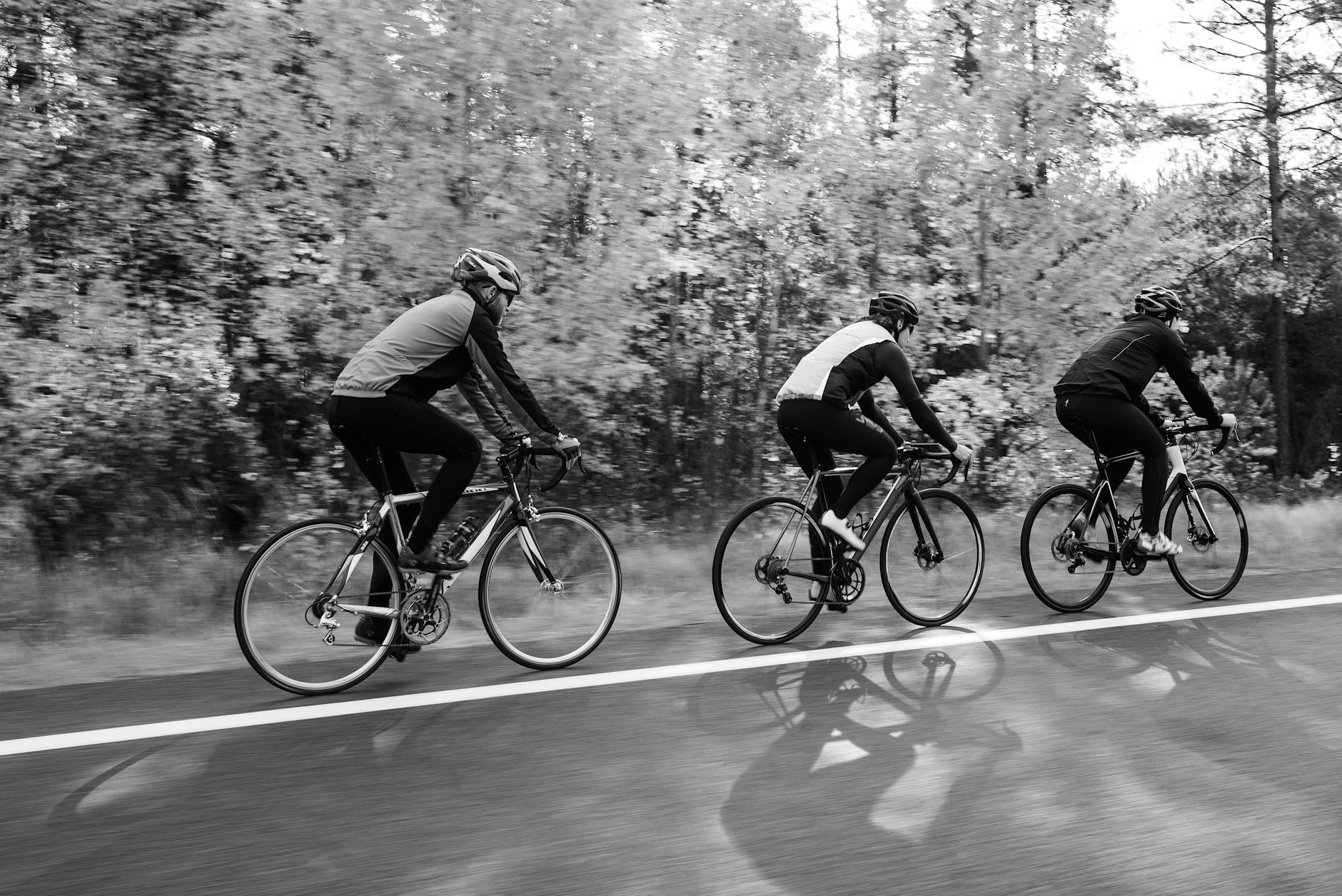
While we cannot verify the specific story of an 82-year-old raising $47,000, the cycling community regularly sees older riders completing remarkable feats for charitable causes. Many regional cycling clubs have members in their 70s and 80s who participate in century rides, group tours, and charity events.
These riders often become ambassadors for their chosen causes, sometimes completing multiple centuries over several years to support organizations they’re passionate about. Age-group cycling events specifically designed for riders 60+ have exploded in popularity over the past decade, with races and long-distance challenges increasingly offering categories for older participants. This normalization of older athletes pushing physical boundaries changes the narrative around aging and cycling—it becomes a question of “how” rather than “whether” older riders can achieve distance goals.
Future of Age-Inclusive Charity Cycling Events
As the cycling industry recognizes the growing demographic of older riders, charity events are evolving to better serve this population. More programs now offer supported routes with sag wagons, frequent rest stops, and flexible timing options.
Technology like GPS watches and fitness tracking has made training accessible to older cyclists who benefit from data-driven feedback about their progress. The future of charity cycling will likely see more multi-day events and regional rides specifically designed for older participants, acknowledging that completing 100 miles might happen across two days rather than one, and that fundraising can be just as meaningful at a slightly slower pace. As organizations like Alex’s Lemonade Stand Foundation and CancerFree KIDS refine their programs based on participant feedback, expect to see continued growth in older rider participation and the associated fundraising totals.
Conclusion
While the specific story of an 82-year-old cyclist raising exactly $47,000 through a 100-mile ride could not be verified through public records, the reality of charity cycling demonstrates that age-group cyclists regularly undertake impressive endurance efforts to support childhood cancer research and other causes. Established programs like CancerFree KIDS 100 Mile Challenge, Alex’s Lemonade Stand Foundation’s Million Mile campaign, and Miles for Team Jack provide structured opportunities for riders of all ages—including those well into their 70s and 80s—to combine athletic achievement with meaningful fundraising.
If you’re considering a 100-mile charity ride for a cause you care about, start by exploring established nonprofit programs in your area of interest, secure medical clearance from your physician, and commit to a realistic 4-6 month training timeline that prioritizes recovery and injury prevention. The combination of personal athletic achievement and supporting critical medical research creates a powerful motivator that resonates with donors and builds community among fellow cyclists.


