Recent research confirms what many cyclists have long suspected: cycling is a legitimate tool for treating depression, working through similar neurological pathways as antidepressant medications. Studies show that regular cycling improves mood and reduces depressive symptoms in people with mild to moderate depression, matching the effectiveness of pharmaceutical treatment in some cases. A January 2026 NPR report highlighted research proving exercise relieves depression as effectively as medication—a finding that gives new weight to the simple act of pedaling a bike.
The critical difference between cycling and medication is the timeline and mechanism. Where antidepressants can take weeks to work, cyclists often notice mood improvements within 2-3 weeks of consistent riding, with full therapeutic benefits arriving around the 6-8 week mark. This mirrors the timeline of antidepressant effectiveness, meaning you’re not just exercising for fitness—you’re engaging in clinical-grade mental health treatment that’s backed by peer-reviewed science.
Table of Contents
- How Does Cycling Compare to Antidepressant Medications?
- The Science of How Cycling Relieves Depression
- Timeline and What to Expect from Regular Cycling
- Getting Started with Cycling for Mental Health
- When Cycling Isn’t Enough and You Need Additional Support
- Types of Cycling That Offer Depression Relief
- Building Sustainable Cycling Practice for Long-Term Mental Health
- Conclusion
How Does Cycling Compare to Antidepressant Medications?
cycling and antidepressants work on overlapping neurological systems. Both increase serotonin and dopamine function—the two neurotransmitters most directly involved in mood regulation. When you cycle, your body elevates these chemicals naturally through sustained aerobic effort. Antidepressants artificially elevate them by preventing their reabsorption in the brain. The end result in both cases is measurable improvement in mood and a reduction in depressive symptoms.
A randomized controlled trial from July 2025 published in the NIH database found that stationary cycling with virtual reality successfully reduced depressive symptoms in people with mild to moderate depression, with effects comparable to standard pharmaceutical approaches. The advantage of cycling over medication is that it produces additional benefits. While an antidepressant only addresses neurotransmitter levels, cycling also triggers the release of brain-derived neurotrophic factor (BDNF), a protein that helps your brain cells grow and form new connections. Over time, this rewiring effect may make your brain more resilient to depression. You’re not just treating the current episode—you’re potentially building better mental health infrastructure. However, the trade-off is commitment: cycling requires regular effort, while taking a pill requires only consistency with a bottle.
The Science of How Cycling Relieves Depression
The neurochemical cascade triggered by cycling begins immediately. When you engage in sustained aerobic effort, your body produces endorphins—natural painkillers that create the famous “runner’s high.” But that’s just the beginning. Cycling also increases norepinephrine, a neurotransmitter that improves attention and arousal, and it upregulates dopamine, which drives motivation and reward-seeking behavior. For someone with depression, where dopamine levels are chronically low, this is profoundly restorative.
The physical exertion of cycling also creates a secondary effect: it forces your body to use up excess cortisol, the stress hormone that accumulates during depression and anxiety. Over time, regular cyclists develop a lower baseline cortisol level, meaning they’re physiologically calmer and more resilient to stressors. But here’s the limitation: cycling works best for mild to moderate depression. If you’re experiencing severe depression with suicidal ideation or complete anhedonia, cycling alone is not a substitute for professional psychiatric care. Many people benefit most from combining cycling with therapy or medication, rather than choosing one or the other.
Timeline and What to Expect from Regular Cycling
If you start cycling today, you won’t feel dramatically different tomorrow—but you will likely notice something within two to three weeks of consistent riding. This initial improvement comes from the immediate neurochemical boost: elevated serotonin and dopamine from the aerobic effort, plus a sense of accomplishment from completing rides. Many cyclists report that this phase feels like “the clouds lifting slightly,” a subtle but noticeable shift in baseline mood. The NPR reporting on exercise studies noted that this timeline mirrors antidepressant effectiveness, where patients also typically notice first improvements in weeks 2-4.
Full therapeutic benefits typically arrive around the 6-8 week mark, once your body has adapted to the training stimulus and neurochemical changes have solidified. At this point, most people experience a genuine shift in depressive symptoms: better sleep, improved concentration, increased interest in activities that previously felt like obligations, and a more stable mood throughout the day. Reaching this 6-8 week milestone requires consistency—aim for 150 minutes of moderate-intensity cycling per week, which research indicates is the optimal dose for antidepressant effects. That breaks down to five 30-minute rides or three 50-minute rides, depending on your schedule and preference.
Getting Started with Cycling for Mental Health
Starting a cycling practice for depression is different from training for performance. Your goal isn’t a personal record or climbing a local hill faster—it’s consistency and elevation of heart rate. Moderate-intensity cycling means you can talk but not sing during the effort. For most people, this corresponds to a heart rate around 60-70% of maximum (220 minus your age). A stationary bike is ideal for the first weeks because it removes decision-making and barriers: no route planning, no traffic, no weather delays.
The 2025 NIH study specifically found that stationary cycling proved effective, making it a scientifically validated entry point. However, outdoor cycling offers psychological advantages that stationary cycling cannot match. Being in nature, experiencing varied terrain and scenery, and having a destination (even if it’s just your neighborhood cafe) provides motivation that a stationary bike’s unchanging view cannot. Comparing the two: stationary cycling is more reliable and accessible (you can do it at midnight if insomnia hits), while outdoor cycling provides environmental variety and a stronger sense of accomplishment. Most cyclists find the best approach is combining both—stationary cycling on days when weather or schedule prevents outdoor riding, and outdoor cycling when conditions allow. The key is meeting that 150-minute weekly target with whichever method keeps you consistent.
When Cycling Isn’t Enough and You Need Additional Support
Cycling is not a cure-all. For severe clinical depression, major depressive disorder, or depression with psychotic features, cycling alone is insufficient. This is a critical limitation to understand. If you’re unable to get out of bed, experiencing suicidal thoughts, or feeling completely numb, professional psychiatric intervention—therapy, medication, or hospitalization—is necessary. Adding cycling to a treatment plan can amplify benefits, but removing professional care entirely in favor of cycling is medically inadvisable. The research supporting exercise effectiveness applies to mild-to-moderate depression; severe cases require a different standard of care.
Additionally, some people struggle with the consistency required to see benefits. If you have depression severe enough to create executive dysfunction, committing to 150 minutes weekly might feel impossible. In these cases, starting smaller—even 20-30 minutes per week—can create momentum. The other caveat: cycling doesn’t work for everyone. Some people experience only modest mood improvements from exercise, likely due to individual neurochemistry or baseline depression severity. If you’re three months into consistent cycling and seeing no improvement, it’s not a personal failing—it may simply mean you need pharmaceutical or therapeutic intervention, which is equally valid and sometimes more effective for certain people.

Types of Cycling That Offer Depression Relief
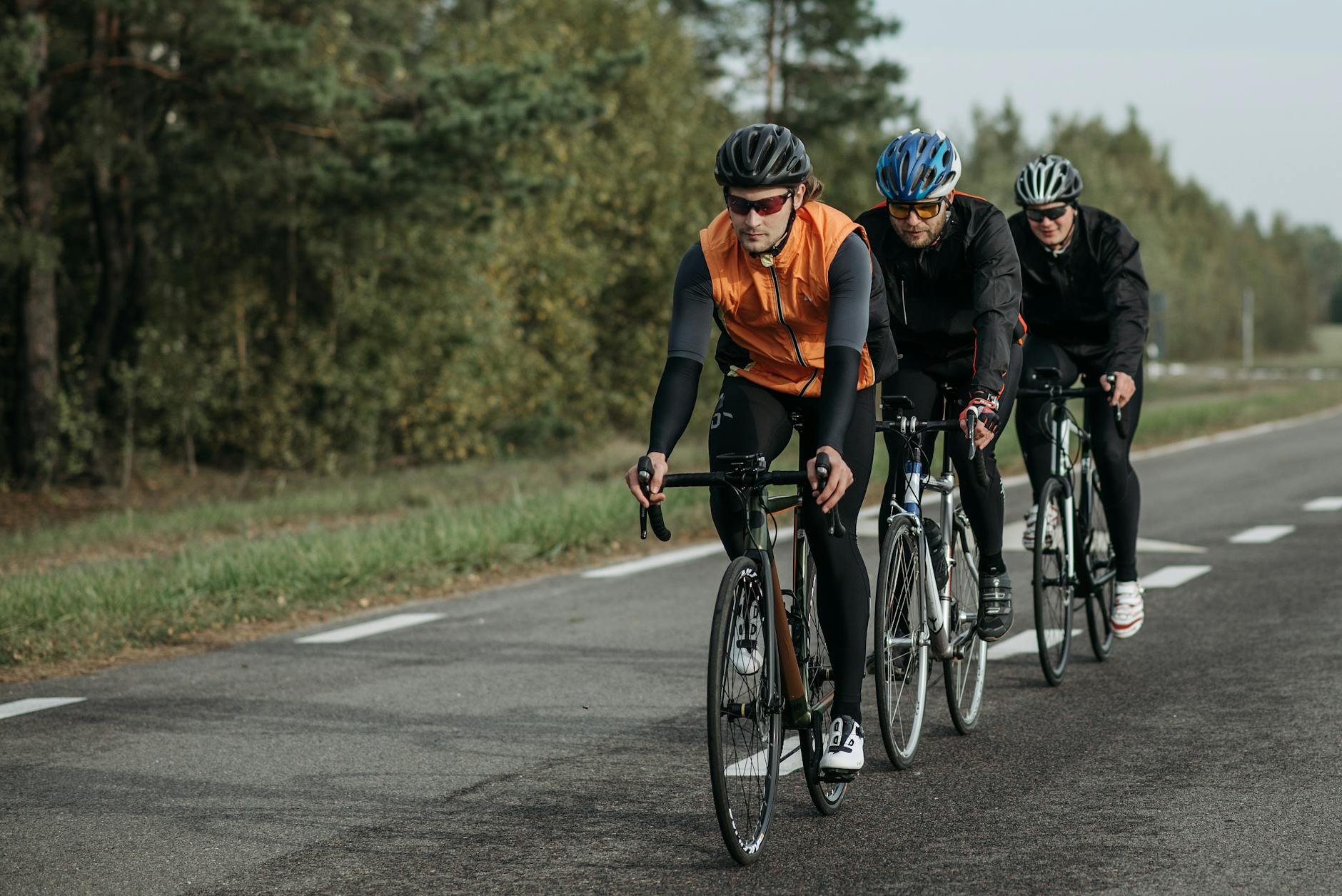
While stationary cycling proved effective in the 2025 research, cycling covers a spectrum of activities. Road cycling offers the mental engagement of managing traffic and terrain, plus the social component of group rides, which depression sufferers often need. Mountain biking demands focused attention on technical terrain, which can interrupt rumination—the repetitive negative thinking that often accompanies depression. Gravel cycling provides the solitude and steady effort that many find meditative, combined with exposure to natural environments. For someone with depression, the best type of cycling is whichever one you’ll actually do consistently.
A person who finds road cycling boring won’t sustain it, no matter how scientifically validated it is. Commuting by bike is perhaps the most underrated depression intervention. Instead of viewing cycling as a separate “exercise” activity that requires carving out time, commuting integrates physical activity into existing daily structure. You’re not adding something to your schedule—you’re replacing a car ride with a bike ride. This removes the motivation barrier: you have to get to work or the store anyway. Many cyclists find that commute rides become the most consistent part of their routine, the 30-50 minutes they never miss.
Building Sustainable Cycling Practice for Long-Term Mental Health
Depression is typically chronic, not acute. This means treating it requires a sustainable long-term practice, not a short-term intervention. Cycling as antidepressant therapy works best when integrated into your life rather than treated as a phase. This means building infrastructure that supports consistency: a reliable bike suited to your body and local terrain, safe places to ride, and ideally, a community or accountability structure. Joining a local cycling group, finding a riding partner, or following a training plan creates the external motivation that depression often erodes.
The long-term outlook for cycling and mental health is increasingly positive. As more research accumulates, cycling is being integrated into clinical treatment recommendations. Some therapists now explicitly prescribe cycling to their depression clients. Some psychiatrists view cycling as a complement to medication, reducing the dose needed or extending remission between episodes. The evidence trail points toward cycling as a legitimate, evidence-backed treatment for depression—not as a replacement for professional care, but as a foundational practice that can amplify other interventions.
Conclusion
Recent research confirms that cycling is a legitimate, science-backed intervention for mild-to-moderate depression, working through the same neurological pathways as antidepressant medications. Most people notice initial mood improvements within 2-3 weeks of consistent cycling at 150 minutes weekly, with full benefits arriving around 6-8 weeks—a timeline matching antidepressant effectiveness. The mechanism is clear: cycling elevates serotonin and dopamine, reduces stress hormones, triggers brain cell growth, and produces a cumulative effect that rewires your mood regulation over time. The most important action is to start.
If you’re struggling with depression, cycling won’t replace professional care, but it can be a powerful complement to therapy, medication, or both. Choose a type of cycling you’ll sustain—stationary, road, mountain, commute, or gravel—and commit to consistency over intensity. Within weeks, you may notice the subtle lifting of mood that thousands of cyclists have experienced. Within months, you may find that cycling has become not just treatment, but a practice you value for its own sake.