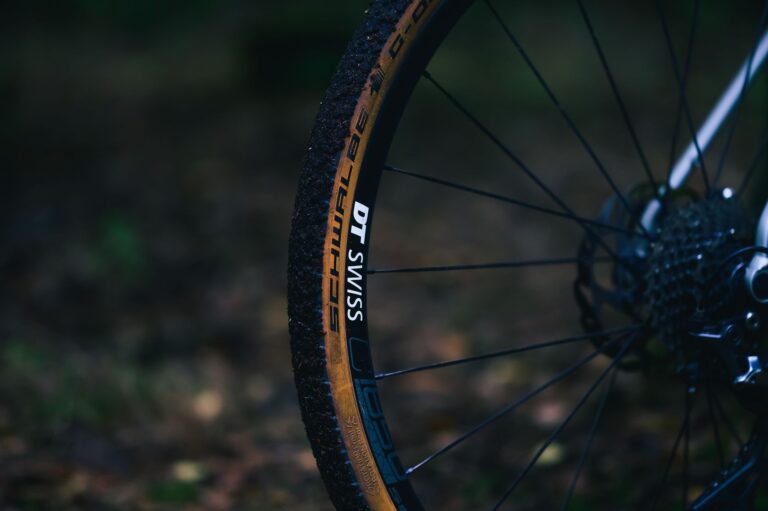
For most beginners, a regular ebike is the easier starting point: it's lighter, more familiar to ride, and less expensive, while a fat tire electric bike trades some of that ease for stability and traction on rough or uneven terrain. The right choice depends less on which bike is "better" overall and more on where a new rider will actually use it.
A fat tire electric bike is an e-bike built with oversized tires, typically 3.8 to 5 inches wide, designed to grip sand, snow, gravel, and bumpy trails. A regular ebike uses standard-width tires, usually 1.5 to 2.5 inches, built for pavement, bike paths, and light commuting. Both use a battery-powered motor to assist pedaling or provide full throttle power, but the tire difference changes how each bike handles, how much it weighs, and what kind of rider it suits best.
Table of Contents
- What Actually Separates the Two Bike Types
- Which One Is Easier to Learn On?
- Where Each Bike Performs Best
- Cost, Maintenance, and Practical Ownership
- A Quick Decision Checklist for Beginners
What Actually Separates the Two Bike Types
The core difference is the tire, but that one change ripples through the whole riding experience. Fat tires have more surface area and run at lower pressure, which absorbs bumps and smooths out rough pavement, gravel, or dirt without a suspension system doing all the work. Regular ebike tires run higher pressure and roll faster on smooth surfaces because there's less rubber dragging against the road. That tire difference also affects weight and handling.
Fat tire ebikes tend to run heavier because of the tire mass itself plus the reinforced frame and wheels needed to support them. Regular ebikes are generally lighter and easier to maneuver at low speed, which matters for a beginner still getting used to balancing an electric-assisted bike. Battery range is affected too. Fat tires create more rolling resistance, so a fat tire ebike's motor and battery typically work harder to cover the same distance compared to a regular ebike on pavement. Riders who plan long-distance paved commutes will usually get more range per charge from a regular ebike with the same battery capacity.
Which One Is Easier to Learn On?
For a first-time ebike rider, "easier" usually means predictable handling, manageable weight, and forgiving low-speed balance. Regular ebikes tend to win here because their narrower tires and lighter overall build make the bike feel closer to a standard bicycle, which most beginners already have some muscle memory for. Fat tire ebikes can actually be more forgiving in one specific way: their wide tires provide extra stability at low speeds and during sudden stops, which can help a nervous new rider feel more secure.
The tradeoff is that the added weight makes the bike harder to lift, maneuver in tight spaces, or control if it tips while stationary, such as at a stoplight. A beginner who will mostly ride on paved roads, bike lanes, or smooth paths will likely find a regular ebike easier to learn on and live with day to day. A beginner who expects loose gravel, sand, light snow, or uneven trails from the start may find the fat tire's extra grip worth the added weight during the learning curve.
Where Each Bike Performs Best
Terrain is the clearest decision point between the two. Fat tire ebikes are built for surfaces where traction is inconsistent: beach sand, snow-covered streets, muddy trails, loose gravel, and rocky paths. The wide tire footprint keeps the bike from sinking or sliding where a narrow tire would struggle.
Regular ebikes perform best on consistent, hard surfaces: city streets, paved bike paths, and commuter routes. They roll with less resistance, so the same battery charge covers more ground, and the lighter frame makes carrying the bike up stairs or loading it onto a car rack noticeably easier. Riders who split time between both environments face a real tradeoff, since no single bike optimizes for everything. A commuter who occasionally rides a gravel shortcut will likely still do better on a regular ebike overall, accepting some reduced traction on the rough stretch, rather than hauling a heavier fat tire bike through daily pavement riding.
Cost, Maintenance, and Practical Ownership
Fat tire ebikes generally cost more upfront because the frame, wheels, and tires all need to be built to handle the extra width and the rougher conditions they're designed for. Replacement tires and tubes for fat tire models also tend to cost more than standard ebike tires, simply because there's more material and a smaller market of suppliers. Regular ebikes are usually the more budget-friendly entry point, both in purchase price and in replacement parts, since standard bicycle tire sizes are widely available and compatible with more models.
For a beginner unsure how much they'll ultimately ride, this lower cost of entry and upkeep reduces the financial risk of trying ebike commuting or recreation for the first time. Storage and transport are practical factors beginners often overlook. A fat tire ebike's extra weight and width make it harder to fit on standard bike racks, through narrow doorways, or up a flight of apartment stairs. A regular ebike's slimmer profile and lighter weight generally make day-to-day storage and transport simpler.
A Quick Decision Checklist for Beginners
Matching the bike to actual riding conditions, not just preference, is the most reliable way to choose. A beginner who rides in genuinely mixed conditions should weigh which terrain they'll face more often, since the bike built for one environment will always underperform somewhat in the other.
- Mostly pavement, bike lanes, or commuting: a regular ebike is the simpler, lighter, more affordable choice.
- Regular exposure to sand, snow, gravel, or rough trails: a fat tire ebike's traction and stability outweigh its added weight.
- Tight storage, stairs, or frequent transport by car: a regular ebike's lighter build is easier to manage.
- Longer rides where battery range matters most: a regular ebike covers more distance per charge on paved surfaces.
- Uncertain terrain or a desire for extra low-speed stability while learning: a fat tire ebike offers a wider, more forgiving base.