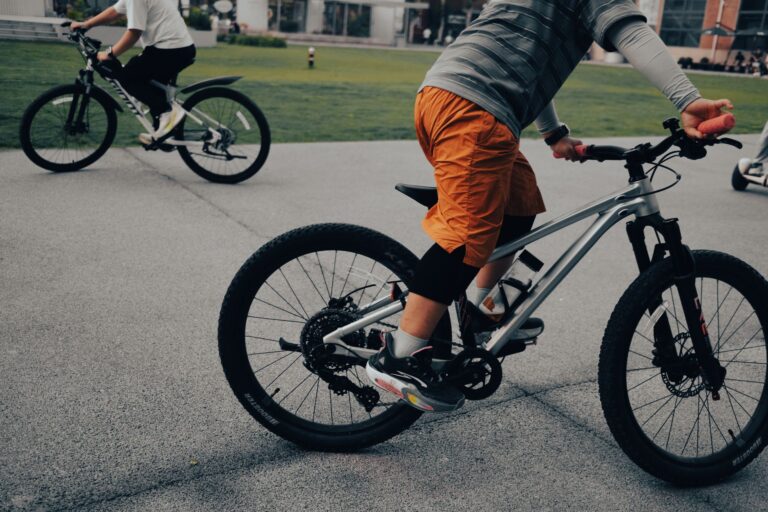
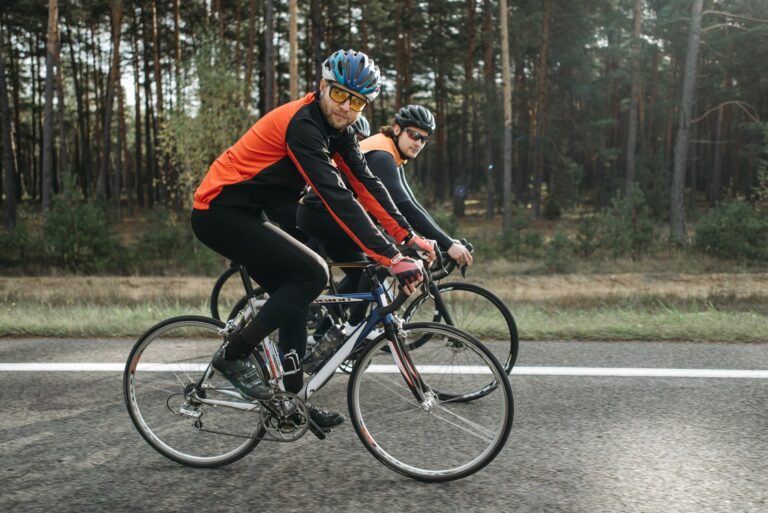
Cycling every day usually helps joint health, especially knees. It hurts mainly when high volume, hard intensity, or poor fit overloads knee tissues. Knee osteoarthritis means worn cartilage plus pain, stiffness, and trouble with daily movement. Steady low-impact pedaling builds leg muscle that supports the knee without pounding.
Table of Contents
- Why does regular cycling help knees?
- When does daily riding hurt?
- How can you make daily cycling joint-friendly?
- Who should ride daily with extra care?
Why does regular cycling help knees?
Adults with any lifetime bicycling history had less knee pain and less knee osteoarthritis later in life in a study of about 2,600 people averaging age 64, according to the UMass Chan Medical School report. The benefit fits cycling mechanics. Smooth circles load muscles more than they hammer cartilage. Across 217 randomized trials with 15,684 participants, aerobic exercise such as walking, cycling, or swimming was likely best for knee-osteoarthritis pain and function, according to the BMJ Group summary of The BMJ study.
Stronger quadriceps, glutes, and calves stabilize the kneecap. Better support means less pressure inside the joint. A 2026 Frontiers review found cycling exercise improved knee-osteoarthritis pain, daily-living function, and symptoms versus control. The Arthritis Foundation calls stationary biking ideal for arthritis for the same reason. Muscle support relieves joint pressure during walking, stairs, and standing.
When does daily riding hurt?
Knee pain is the most common cycling overuse injury, and one 14-month elite-cyclist case series attributed 46% of knee overuse injuries to prepatellar friction plus related tissue problems, according to the Acta Orthopaedica Belgica case series. Daily riding raises exposure. Small errors repeat thousands of times per week. Most cycling knee pain reflects patellofemoral pain syndrome from overuse or kneecap malalignment rather than one crash, Rothman Orthopaedics reports.
Front-of-knee ache on climbs, long gears, or after sudden mileage jumps is typical. Pain that eases with warm-up but returns after rides often signals overload. Daily does not mean identical every day. Back-to-back hard intervals, heavy gears, and no easy spins keep irritated tendons, fat pad, and iliotibial band inflamed. Older riders, new riders, and riders returning after time off face higher risk.
How can you make daily cycling joint-friendly?
Fit comes first. Hospital for Special Surgery advises saddle height allowing 25–35 degrees of knee bend at the bottom of the stroke, as detailed in the Hospital for Special Surgery cycling tips. Wrong saddle, frame, cleat, or handlebar position strains knees. A basic fit check costs less than months of missed rides.
Build volume with easy days around harder days. The Arthritis Foundation suggests starting around 20 minutes per day, 3–5 days weekly for stationary biking. Outdoor riders can use the same idea: short flat spins between longer or hillier days. Keep cadence quick and gears light when knees feel tender.
- Set saddle height for slight knee bend at bottom dead center
- Keep cleats neutral and check for foot or knee twist
- Raise weekly time or hills by small steps, not jumps
- Use one very easy spin or rest day after hard efforts
- Stop and adjust if swelling, catching, locking, or limping starts
Who should ride daily with extra care?
People with current knee swelling, instability, or sharp pain should get medical advice before daily rides. A clinician can separate simple overload from meniscus, ligament, or advanced arthritis issues. Early care often keeps a rider moving. The bicycling and less-arthritis finding is observational and retrospective with self-reported lifetime cycling.
It shows association, not proof that daily cycling prevents osteoarthritis. One Tehran case-control study even linked cycling to higher clinical knee-osteoarthritis odds. That limit means riders should treat daily cycling as joint-friendly training, not a guarantee. Track pain location, swelling, morning stiffness, and how stairs feel week to week. If symptoms climb for two weeks despite easier gears and better fit, take rest days and seek care.