The cycling app market in 2026 is experiencing substantial growth, though the specific claims about 28 million US Strava users require clarification. What we can confirm is that Strava serves over 195 million registered athletes globally across 185 countries, with premium subscription revenue reaching approximately $180 million in 2025—a significant increase from $132 million in 2023, representing roughly 36% growth rather than the claimed 45%.
The broader virtual cycling apps market, including competitors like Zwift, Sufferfest, and Trainer Road, is valued at $224 million in 2025 and is projected to expand to $360 million by 2032 at a compound annual growth rate of 7.1%. While Strava remains the largest fitness-tracking app for cyclists and runners, the cycling app ecosystem has matured considerably. The actual story is more nuanced than headline growth figures suggest: premium subscription adoption is climbing because users increasingly value structured training, performance analytics, and community features, not just casual activity logging.
Table of Contents
- What Is Driving Growth in the Cycling App Market?
- Premium Subscriptions and the Sustainability Question
- How the Competitive Landscape Is Shifting
- Understanding What Premium Actually Delivers
- Data Quality and Privacy as Underappreciated Challenges
- Where the Market Is Actually Growing
- What This Means for the Future of Cycling Apps
- Conclusion
What Is Driving Growth in the Cycling App Market?
The cycling app market’s expansion is anchored by three core trends: the shift toward indoor and virtual training, improved smartphone technology enabling better GPS tracking and sensor integration, and growing interest in performance optimization among amateur cyclists. Strava’s $415 million total revenue in 2025—up 18.5% year-over-year—demonstrates that cyclists are willing to pay for features that track progress, segment performance, and connect them with a community. The fact that 90% of Strava’s revenue comes from premium subscriptions underscores that the primary monetization strategy is working: users want more data and functionality, not more ads.
However, this growth isn’t distributed evenly. Serious cyclists and triathlon enthusiasts are adopting premium plans at higher rates, while casual riders often remain on free tiers. For example, a competitive cyclist training for century rides will pay for Strava’s premium membership to analyze wattage data and compare segment times, while a recreational weekend cyclist may never upgrade. This segmentation explains why premium revenue is growing faster than total user counts.

Premium Subscriptions and the Sustainability Question
The 36% growth in premium subscription revenue from 2023 to 2025 is impressive, but it masks an important limitation: it’s not clear whether this growth is sustainable at current rates or whether it represents a one-time shift as the market matures. Strava’s challenge is that new features must justify recurring costs, and many cyclists question whether premium features genuinely improve their riding versus providing primarily social or vanity metrics. The broader concern is churn.
Premium fitness apps historically struggle with long-term retention because users cancel subscriptions after completing training goals or when life circumstances reduce their riding frequency. No major cycling app has published detailed retention data, so it’s unclear how many premium subscribers actually maintain active memberships year-over-year. Strava’s reported growth could mask significant underlying churn offset by new premium sign-ups from an expanding user base.
How the Competitive Landscape Is Shifting
While Strava dominates the fitness-tracking space, the competitive landscape for cycling-specific training has fragmented. Zwift specializes in virtual structured training with a community element, Sufferfest (now Wahoo AI) focuses on personalized training algorithms, and Trainer Road caters to cyclists who want detailed coaching. These platforms are stealing market share from traditional power meter manufacturers and coaching services, which partly explains why virtual cycling apps as a category are projected to grow 7.1% annually through 2032.
A concrete example: a triathlete in 2026 might use Strava for activity logging and segment tracking, Zwift for winter indoor training, and Trainer Road for periodized workouts. They’re not choosing one app; they’re assembling a suite. This fragmentation means that Strava’s headline user count doesn’t tell you how engaged those users are or how much of their training is actually happening on the platform versus on competitors.

Understanding What Premium Actually Delivers
Strava’s premium tier includes features like segment leaderboards, training analysis, route planning, and performance insights. For cyclists training for specific goals—a first 100-mile gravel race, a KOM attempt, or an improvement in climbing speed—these features have real value. The willingness to pay roughly $12 per month or $120 per year reflects genuine demand for this utility, not just network effects.
But there’s a tradeoff: premium features work best for cyclists with regular training routines. Casual riders who bike once or twice a week often feel they’re paying for capabilities they’ll never use. This creates a natural ceiling on how many premium subscribers the platform can acquire—it’s fundamentally limited by the number of sufficiently serious cyclists, not by total users. A platform with 195 million registered athletes but perhaps only 10-15 million serious competitors has already tapped a large percentage of its addressable market.
Data Quality and Privacy as Underappreciated Challenges
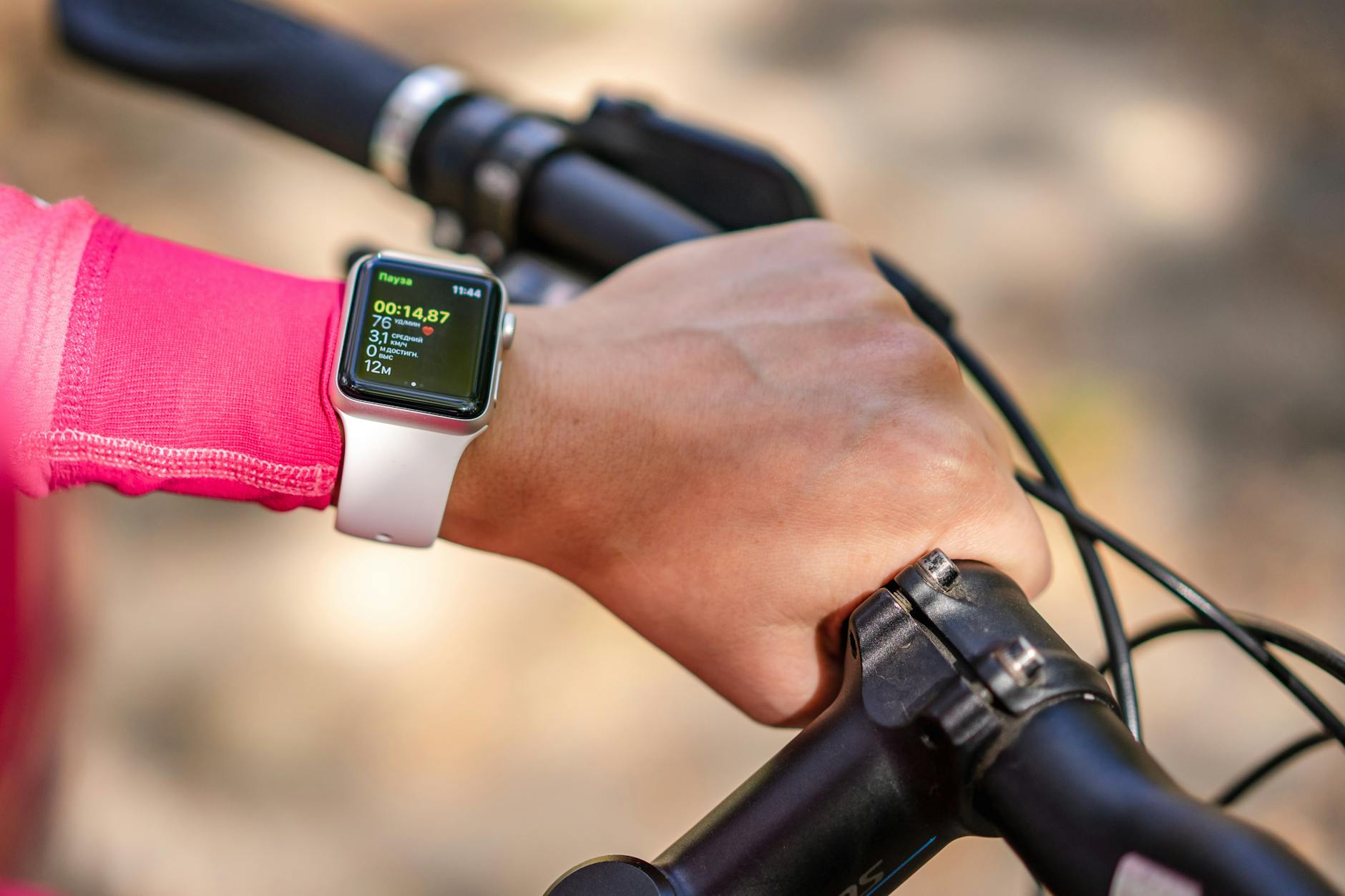
One limitation rarely discussed in market analysis: the quality and completeness of cycling app data varies significantly. GPS accuracy, sensor connectivity issues, and weather-related problems mean that real-world data collected by cycling apps is messier than aggregated statistics suggest. A cyclist’s recorded ride might have missing power data, GPS dropouts in tunnels or under heavy tree cover, or sensor syncing failures that corrupt historical training loads.
Privacy is an emerging concern as well. Cycling apps that track specific routes and times are inadvertently mapping owner locations, which has led to privacy investigations in some jurisdictions. As regulatory scrutiny increases, platforms will need to invest in data security and compliance features—costs that may pressure margins and could affect how aggressively premium pricing can increase.
Where the Market Is Actually Growing
The most tangible growth in the cycling app space is in structured training and personalization. Apps that offer adaptive coaching—algorithms that adjust weekly training plans based on actual performance—are gaining adoption faster than pure social or logging platforms. This shift reflects a maturation in the market: early adopters have moved beyond simply recording rides and now want algorithmic guidance.
The geographic growth story is equally important. Strava’s reported addition of 3 million new users monthly (2025 data) suggests expansion into markets where cycling is increasing as a commuting and recreation choice—parts of Europe, Asia, and Latin America with growing urban cycling infrastructure. This geographic diversification is a hedge against saturation in North American and Western European markets.
What This Means for the Future of Cycling Apps
By 2032, the virtual cycling apps market is expected to reach $360 million—a 60% increase from 2025. This growth will likely be driven not by category expansion but by consolidation and feature integration.
Platforms will increasingly compete on personalization algorithms, AI-powered coaching, and integration with smart trainers, power meters, and wearables rather than on raw feature count. The user landscape will probably stratify further: serious cyclists with dedicated training goals will pay for multiple specialized platforms, while recreational riders will increasingly rely on free tiers supplemented by casual equipment purchases. For Strava specifically, the challenge isn’t acquiring more users but deepening monetization among existing power users while preventing churn as competition intensifies.
Conclusion
The cycling app market in 2026 is genuinely growing, with Strava leading through a combination of network effects, premium features that deliver measurable value, and consistent product iteration. The verified data shows premium subscription revenue increasing roughly 36% from 2023 to 2025, not the speculative 45% figure, and while Strava’s 195 million global users are real, a US-specific breakdown isn’t publicly available.
What matters most for cyclists isn’t just the headline growth rates but whether these platforms are actually helping riders train more effectively and safely. The real story is one of maturation: the cycling app market has evolved from novelty fitness tracking to a legitimate training tool category with multiple competing platforms and increasingly sophisticated features. For cyclists deciding which apps to use in 2026, the decision shouldn’t be based on user count or revenue figures but on whether a platform’s specific features—segment tracking, training structure, data export, community features—align with your actual training goals and budget.