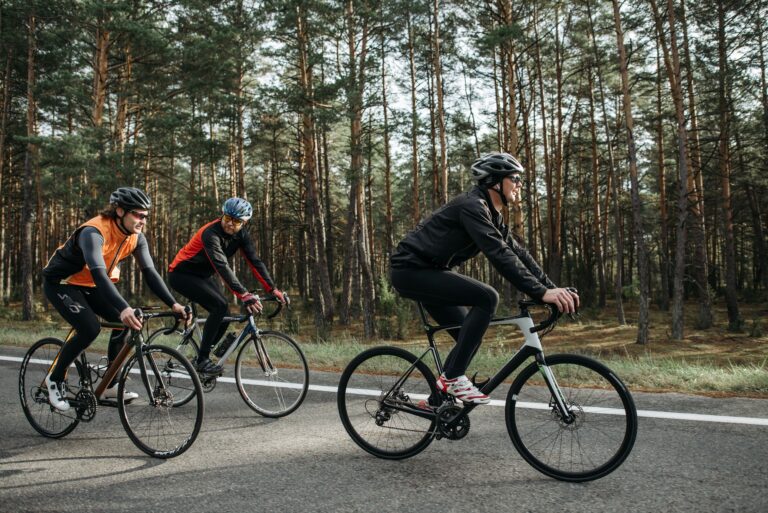
Sprint training for cyclists means short, all-out pedaling efforts separated by easy recovery to build peak power and acceleration. Most riders do well with one or two focused sessions per week, with full recovery between efforts and days. A sprint uses fast-twitch muscle fibers and coordination as much as fitness. That is why effort quality matters more than total time, and why tired sprints teach little.
Table of Contents
- How hard should a sprint feel?
- How long should sprints and recovery last?
- How often should you sprint train?
- How do you track sprint results?
How hard should a sprint feel?
A true sprint is maximal for its length. You accelerate hard from a rolling speed, hold form through the effort, then ease off completely. Breathing is heavy, legs burn, and power fades sharply at the end. Save sprint work for fresh days.
Warm up well with easy spinning plus two or three short openers. Stop the session when top speed or power drops noticeably despite full effort, since more tired repetitions add fatigue without skill benefit. Use gears and terrain that let you pedal fast without bouncing. A slight uphill or headwind, a big enough gear, and a straight, safe road help. Stay seated or standing as practiced, keep the bike stable, and keep eyes on the road.
How long should sprints and recovery last?
Match length to your goal. Very short efforts of 8-15 seconds build jump and peak power. Longer efforts of 20-30 seconds build the ability to sustain speed after the initial surge.
Beginners should start with fewer efforts at the short end. Recover fully between efforts so each sprint stays fast. Easy spinning for three to five minutes is a practical starting point. Shorter rest turns the workout into endurance training, which blunts sprint quality.
- Pick 4-6 efforts per session to start
- Sprint 10 seconds, spin easy 4 minutes, repeat
- Add one effort or a few seconds when all efforts stay strong
- End early if form slips or speed falls
How often should you sprint train?
Once per week maintains sprint ability during heavy riding. Twice per week, with at least two easy days between sessions, develops it faster. Three hard sprint days often leaves legs flat and raises injury risk. Place sprint sessions after rest or an easy day.
Avoid pairing them with hard climbs, long threshold work, or strength sessions that fatigue the same muscles. During race weeks, use one short session early in the week and keep volume low. Younger, experienced, or track-focused riders may handle more frequent work. Endurance riders, masters riders, and anyone returning from illness or injury usually need more recovery. Soreness, poor sleep, and fading motivation signal a need for extra rest.
How do you track sprint results?
Track peak speed, peak power when you have a meter, and how many quality efforts you complete. A power meter measures wattage at the pedals; cadence measures pedal revolutions per minute. Note gear, wind, slope, and start speed, because they change results. Compare like efforts over weeks on the same stretch of road.
Look for higher top speed, stronger late-sprint power, or the same speed with less strain. A simple log of date, effort count, best speed, and feel reveals trends faster than memory. Video or a riding partner can check form. Watch for rocking hips, dropping heels, tense shoulders, or early fading. Fix one issue at a time, then test it with two short sprints after full rest.