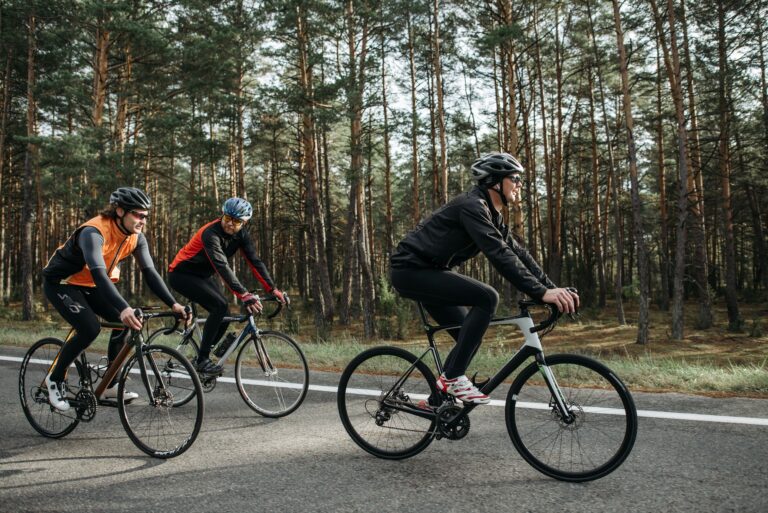
Climbing progress stalls when riders push too hard on easy days, stay too comfortable on hard days, and start climbs too fast. Adjusting effort balance, pacing, gear choice, and recovery restores steady uphill improvement. Climbing training means planned uphill riding meant to build lasting power, breathing control, and comfort on grades. Many riders work hard yet see flat results because small habits waste energy before fitness can grow.
Table of Contents
- Why do strong riders fade on long climbs?
- Are your easy and hard days reversed?
- How should you pace and gear each climb?
- What position and strength habits matter uphill?
- How do you restart stalled progress?
Why do strong riders fade on long climbs?
Many riders treat every hill as a test. They attack the bottom, breathe hard by the middle, then crawl the final pitch. That pattern teaches the body to slow down, not to hold effort.
A steadier start protects speed later. Ride the first third at a controlled effort you could sustain twice as long. You will pass fading riders near the top while keeping form and rhythm intact.
Are your easy and hard days reversed?
A common mistake is riding medium-hard every time. Easy spins feel rushed, while intervals feel tame.
The result is constant fatigue without a clear training signal. Give easy rides a true purpose: loose legs, calm breathing, and easy conversation. Save sharp focus for one or two weekly uphill efforts with full recovery between them.
- Ride flats and short rollers easy for 45-90 minutes
- Do one hill session with 3-5 firm repeats
- Take a rest day or very short spin after hard hills
How should you pace and gear each climb?
Poor pacing and tall gearing stall many climbers. Cadence, which means how fast you turn the pedals, often drops too low. Heavy grinding tires the legs early and spikes breathing. Choose a gear that lets you pedal smoothly and stay seated through most of the climb.
Stand for short steep ramps, then sit and settle your breath again. Shift early before the grade bites, not after your speed has already dropped. Use landmarks to guide effort. Split the hill into thirds: controlled, firm, then strong. If you cannot speak a short sentence in the first third, ease off before the hill forces you to stop.
What position and strength habits matter uphill?
A tense upper body wastes power. Gripping the bars, hunching the shoulders, and rocking the hips make each pedal stroke cost more. Relaxed hands, level hips, and a steady chest help air flow and balance.
Core control and low-gear practice also help. Short seated climbs build smooth force without joint strain. Off-bike work like squats, lunges, and step-ups supports posture, but keep loads light and form strict during the riding season.
How do you restart stalled progress?
Progress stalls when every week looks the same. Add one clear challenge at a time, then allow recovery. That cycle lets the body adapt instead of merely surviving each ride.
Track two simple signs: uphill time on a familiar climb and how fast your breathing settles afterward. Pick one local hill, ride it monthly at a firm but controlled effort, and compare conditions like wind and fatigue. If times stop improving for three weeks, cut volume for one week and sleep more before adding harder repeats.