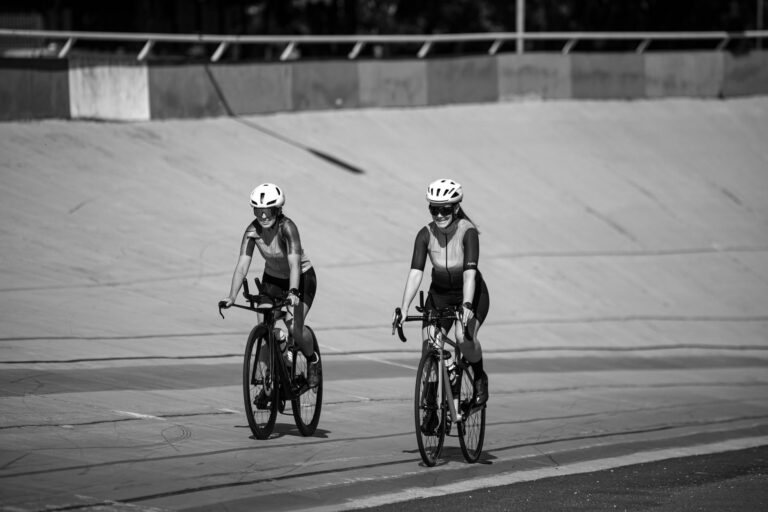
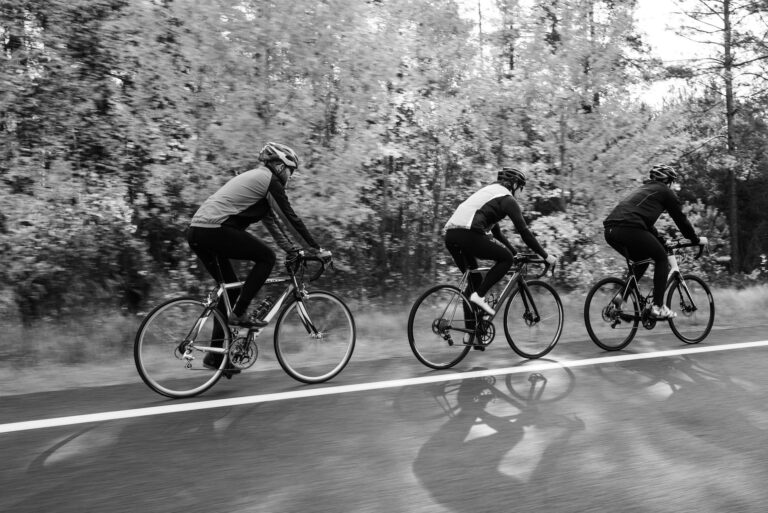
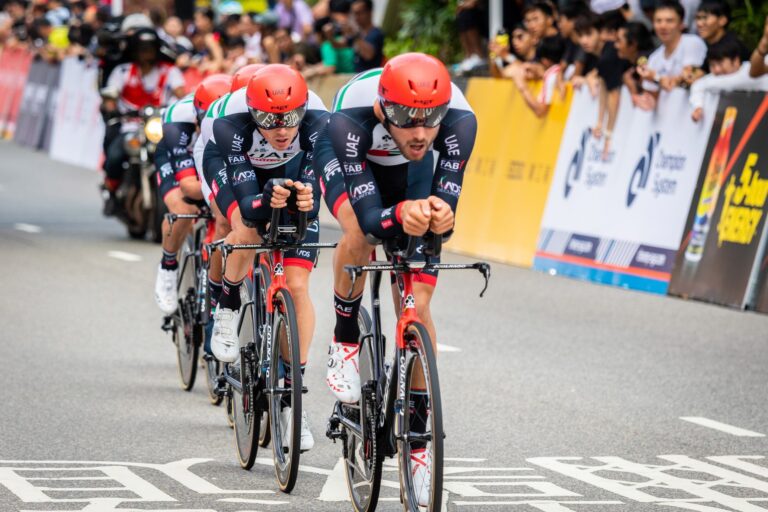
The best time-trial bike is the one that lets you sustain a low, narrow position while producing power and controlling the bike. Compare fit, aerodynamic integration, adjustability, handling, components, and race-rule compatibility before comparing brand names. A time-trial bike uses shaped tubes and forward-reaching aero bars to reduce drag during solo efforts. Its fastest-looking setup may be slower in practice if it restricts breathing, strains the rider, or becomes unstable in wind.
Table of Contents
- Start with sustainable rider position
- Compare the complete aerodynamic system
- Will you remain fast for the whole course?
- Serviceability and components matter
- Match the bike to your events and budget
Start with sustainable rider position
fit determines whether a time-trial bike's aerodynamic design works for you. The important measurements include frame reach, pad height, pad width, saddle position, and the distance from the saddle to the armrests. The goal is not simply to get as low as possible.
You need a position that reduces frontal area without sharply reducing power, closing the hip angle too far, or forcing you to lift your head repeatedly. Compare each bike's adjustment range rather than relying only on its labeled size. Look for: Check fit before buying, especially if you have long legs, limited flexibility, or an existing position you want to reproduce. A bike that cannot reach your coordinates is the wrong bike regardless of its aerodynamic claims.
- Armrests that move up, down, forward, backward, and sideways
- Extensions with suitable length, angle, and hand position
- A seatpost that supports your required saddle position
- Spacer and stem options that leave room for future changes
- A front end that a fitter can adjust without proprietary parts
Compare the complete aerodynamic system
A time-trial bike must move the rider, wheels, bottles, tools, and other equipment through the air. Frame aerodynamics matter, but they represent only one part of that system. Evaluate how the bike manages cables, brakes, storage, hydration, and wheel clearance. Clean integration can reduce exposed parts, but it may also make adjustments and repairs harder. A slightly less integrated design can be the better choice if it lets you refine your position.
Course conditions also affect the ideal build. Deep wheels may suit a calm, straight route, while a shallower front wheel can feel more manageable in gusts. Tire width should match the wheel and frame rather than being chosen in isolation. Do not treat manufacturer drag figures as universal rankings. Test methods, rider models, wheel choices, yaw angles, and component setups can differ. The most useful comparison is between complete configurations that fit the same rider.
Will you remain fast for the whole course?
A position only works if you can hold it. Frequent movement, raised shoulders, repeated trips to the base bar, or a head held high can erase the benefit of an aggressive setup. Handling deserves equal attention. Compare stability in crosswinds, confidence while cornering, braking control, and access to gears.
Technical or rolling courses may reward a controllable bike more than one optimized mainly for straight, flat roads. When testing a candidate, ride it at intended race effort rather than judging it during an easy spin. Check whether you can: Repeated outdoor runs can help, but wind and traffic make small differences hard to isolate. Use the same clothing, wheels, tire pressure, route, direction, and effort when comparing setups.
- See safely without sharply bending your neck
- Breathe deeply while staying on the armrests
- Maintain steady power without hip or knee discomfort
- Shift and brake without changing position unnecessarily
- Hold the aero position late in a sustained effort
Serviceability and components matter
Highly integrated cockpits can hide cables and present a clean profile, yet they may complicate travel, fit changes, and routine maintenance. Before buying, ask how the bars pack for transport and whether brake or shift lines must be disconnected. Proprietary seatposts, stems, armrests, and storage covers can also limit long-term use. Check whether replacement parts are available and whether standard extensions, saddles, wheels, and tires will fit.
Choose gearing for the course and your likely speed, not for appearance. A flatter event may favor close gear steps, while steep or rolling terrain requires enough low gearing to avoid grinding. Electronic shifting can place controls at multiple hand positions, but it adds cost and charging responsibilities. Braking should inspire confidence in wet weather and on descents. Also confirm wheel compatibility, tire clearance, valve access, and any limits imposed by the frame or brakes before selecting race wheels.
Match the bike to your events and budget
Time-trial and triathlon bikes may look similar, but their intended setups can differ. Some racing bodies regulate saddle position, extension dimensions, equipment shapes, and other details. Triathlon rules and practical needs may allow different positions, hydration systems, or storage. Check the exact rules for your event and category before committing to an unusual cockpit or extreme saddle position.
A legal frame can still become noncompliant through its final setup. Set a total budget that includes more than the frameset. Allow for a professional fit, suitable extensions, saddle changes, race wheels, tires, pedals, hydration, storage, and a transport case if needed. A used bike can provide strong value when it fits and has obtainable parts. Inspect the frame, cockpit hardware, seatpost, brakes, drivetrain, and adjustment bolts, and verify that no steerer tube or proprietary component has been cut too short for your position.