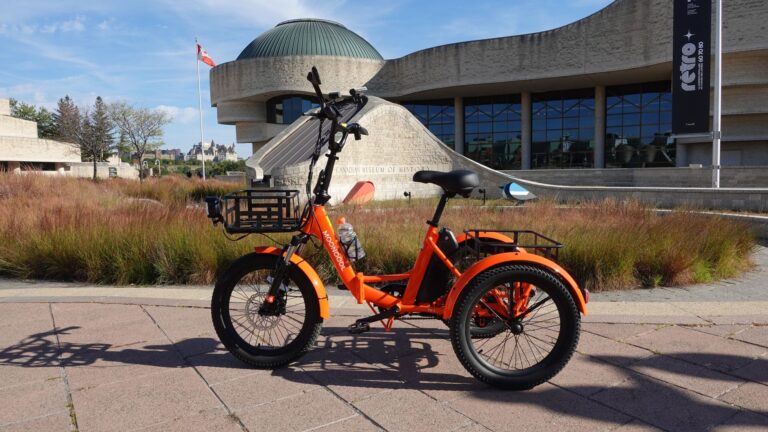
The best longtail cargo bike for children, groceries, and bulky loads is the one that fits your passenger setup, cargo shape, and daily route. Compare load limits, safety gear, gearing and brakes, and handling and storage before you choose. A longtail is a bicycle with an extended frame behind the rider that holds a long rear deck. That deck accepts child seats, bench pads, panniers, crates, and strapped loads while keeping the bike narrower than many front-loading designs.
Table of Contents
- How does a longtail carry its load?
- What weight and size limits should you check?
- Which seating and cargo setups fit your routine?
- How do gears, brakes, and wheels shape daily use?
- What should you try before you buy?
How does a longtail carry its load?
A longtail places children and cargo low and centered over a lengthened rear end. That layout helps the bike steer much like a regular bicycle while the rear stays planted. Riders still feel side winds and shifts when a child leans or a load sits high.
Compared with a front box bike, a longtail is usually easier to park, filter through tight gaps, and store upright. The trade is deck space: long, flat, or tall items need careful strapping and even side-to-side balance. Check how bags, seats, and rails share the same rails without crowding feet or heels.
What weight and size limits should you check?
Every design has a rated cargo load and a combined rider-plus-cargo limit. Read both, plus any separate limit for the rear deck and for add-on seats. The right choice leaves margin for a growing child, a full grocery run, and a lock, bag, and rain gear.
Length, height, and turning space matter as much as weight. A longer rear tracks well but needs more room to turn, lift, and park. Measure your door, hall, elevator, and bike rack, then favor a frame you can walk, lean, and prop with control.
Which seating and cargo setups fit your routine?
Passenger comfort and cargo grip decide daily ease. Look for full foot support, secure handholds, a high-surround rail, and padding that fits the riders you carry.
For goods, favor stiff mounting points, low side panniers for heavy food, and a flat top for crates or lashed parcels. Choose mounts that switch quickly if you carry kids on weekdays and lumber, tools, or camping gear on weekends.
- Child carrying: dedicated seat, footrests, guard rail, and helmet clearance
- Grocery carrying: paired panniers, insulated bags, crate, and cargo net
- Bulky loads: wide deck, strong tie points, wheel guard, and sturdy kickstand
How do gears, brakes, and wheels shape daily use?
Low, easy gears help starts on hills and into wind with a full deck. Many riders choose pedal assist for stops, slopes, and longer school or store runs. Pick controls you can reach while steadying the bike and a battery range that covers your round trip with reserve.
Brakes and tires carry the extra mass. Look for strong, easy-to-modulate brakes, puncture-resistant tires, and wheels built for load. Practice slow turns, hill starts, and smooth stops with weight aboard before riding in traffic.
What should you try before you buy?
Fit still comes first. Check standover, reach, saddle height range, and room to pedal without striking bags or little feet. Adjustable bars and seatposts help when two adults share the bike.
Test handling where you will ride. Bring your usual child, groceries, or bulky parcel and try loading, strapping, lifting off the stand, and parking. Choose the shortest bike that still holds your load with firm tie-downs and safe heel clearance.