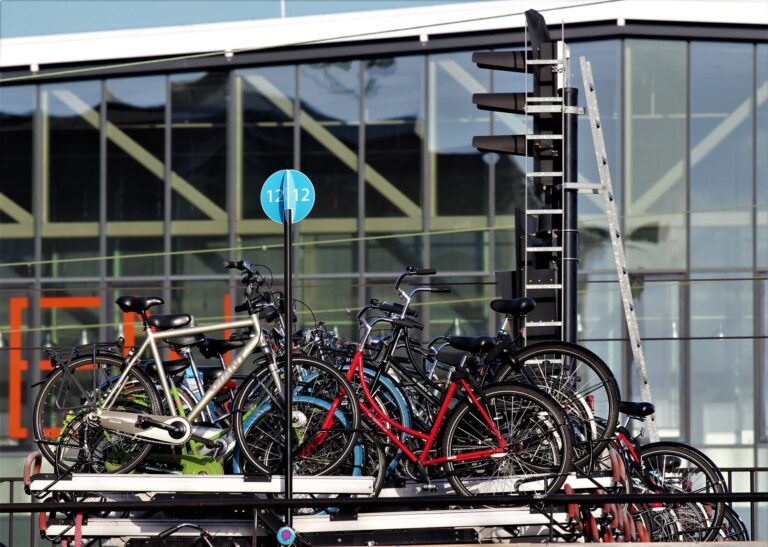
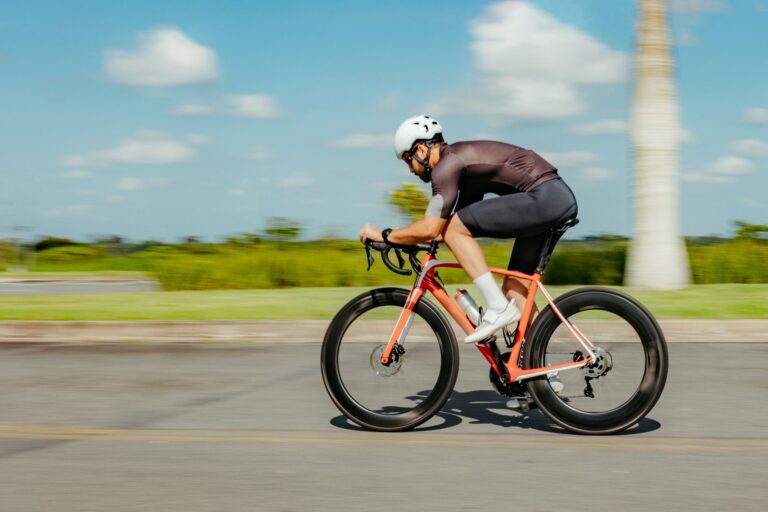
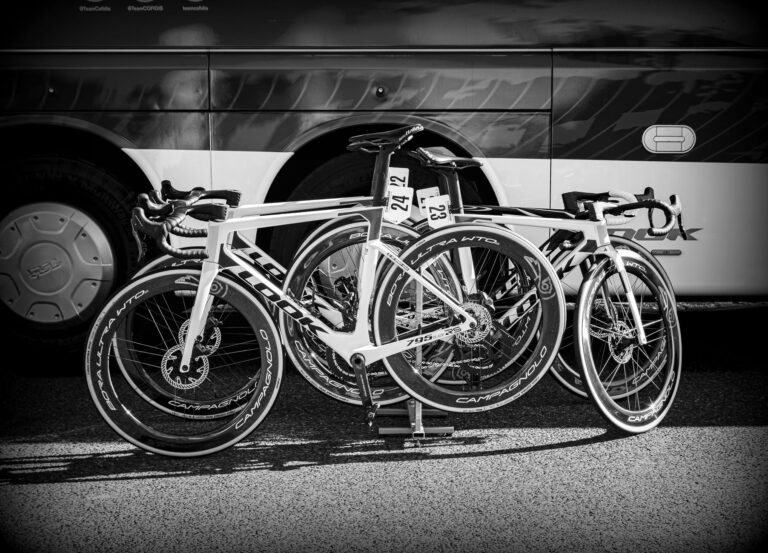
The best endurance road bike features for long winter miles are relaxed geometry, disc brakes, and clearance for wide tires and full fenders. An endurance bike is a drop-bar bike built for comfort over hours, with a taller front end and calmer steering than a race bike. Winter brings wet roads, grit, wind, and fading light. The right setup keeps you warm, visible, and rolling with fewer stops.
Table of Contents
- Start with stable geometry and fit
- Choose grip and puncture protection
- Make room for fenders and lights
- Pick steady brakes and easy gears
- Set touchpoints for cold hours
Start with stable geometry and fit
Look for a taller front end, a shorter distance to the bars, and a longer wheelbase. That shape eases neck and back strain and steadies the bike on gusty lanes.
Leave room to adjust bar height and saddle position for thick clothing. Small comfort gains matter more on a long winter ride than on a short summer spin.
Choose grip and puncture protection
Wider tires smooth rough roads and grip better on wet leaves and potholes. A tougher casing and sealant-ready design help resist thorns and flint.
Run pressure toward the lower end of the safe range for comfort and traction. Rinse grit and road salt off tires and wheels after messy rides to slow wear.
Make room for fenders and lights
Full fenders keep spray off your feet, drivetrain, and riding partners. Look for frame mounts and enough gap around tires so mud does not clog.
Good winter bikes also offer steady mounts for front and rear lights. Check these points before you buy:.
- clearance for wider tires with fenders fitted
- hidden or external mounts for fenders and rear rack
- mount points for bright wired or removable lights
Pick steady brakes and easy gears
Disc brakes give steady stopping in rain and on gritty descents. They also leave the wheel rims free from brake wear during salty months.
Choose lower, closely spaced gears for cold legs, headwinds, and loaded climbs. Wide-range cassettes and compact cranks help you spin smoothly instead of grinding.
Set touchpoints for cold hours
Padded bar tape, a supportive saddle, and reliable pedals reduce numb hands, sore sit bones, and slips in the wet. Gloves and overshoes change hand and foot size, so test grip and pedal entry while dressed for cold.
Carry a spare tube, mini pump, tire levers, multitool, and a charged light. A small frame or saddle bag keeps essentials dry and within reach when daylight fades fast.