The most useful comparisons for the ORTLIEB QL2.2 system are hook fit, sway control, security add-ons, and balanced left-right loading. The QL2.2, Ortlieb's Quick-Lock rail mount for clip-on panniers, holds best when the hooks match the rack and weight sits low and even. Commuters, tourers, and grocery runners use the same basic choice. Pick fit parts that stop rattle, add-ons that match theft risk and carry needs, and a packing pattern that keeps steering calm.
Table of Contents
- How the mount holds the bag
- What fit should you check first?
- Which accessories help most riders?
- How should you split the load?
- What limits deserve respect?
How the mount holds the bag
The system uses two upper hooks that drop over the rack rail. A lower sliding hook grips a vertical rack stay and stops the bag from swinging forward. Lifting the carry handle releases the upper hooks for one-motion removal.
That three-point grip is why adjustment matters more than force. When all three points contact cleanly, the bag rides quietly over bumps. When one point misses, the bag can rock or lift.
What fit should you check first?
Start with rack shape rather than bag size. Look for straight top rails, firm lower stays, and room behind the heel.
Curved tubing, very thick rails, or missing lower stays make any clip mount less secure. Use this quick check before buying inserts or locks: Fix fit before adding gear. Small rail inserts or a change in hook spacing often cure rattle better than extra straps.
- Top hooks close fully without forcing or tilting
- Lower hook reaches a solid stay and holds tension
- Bag clears heel, chain, and brake parts through a pedal turn
- Release handle lifts freely with gloves on
Which accessories help most riders?
Rail inserts and hook reducers suit riders with thinner rack tubing. They take up slack, cut vibration, and keep the hooks centered. Keep a spare set if two bikes have different racks. Security and carry parts suit daily parking. A short lock cable deters grab-and-go theft during store stops.
A shoulder strap, lid pouch, inner sleeve, or light clip helps shoppers and commuters who carry the bag off the bike. Choose add-ons by trip type. A commuter may favor lock and strap. A tourer may favor inner organization and rain-safe closure habits. Avoid stacking parts that fight each other, such as thick inserts on an already tight rail.
How should you split the load?
Use a pair for heavy or bulky loads and one bag for light, short trips. Place dense items low and near the rack, with soft layers outside. Keep left and right weight close to even when both bags are mounted. Front and rear placement changes handling.
Rear panniers suit groceries, laptops, and touring gear on smooth roads. Low front panniers can steady steering with a camping load, but they demand careful heel and toe clearance. Ride once loaded around the block. Brake hard, stand up, turn sharply, and listen for shift or heel rub. Move heavy tools, locks, and food toward the bottom until the bike tracks straight.
What limits deserve respect?
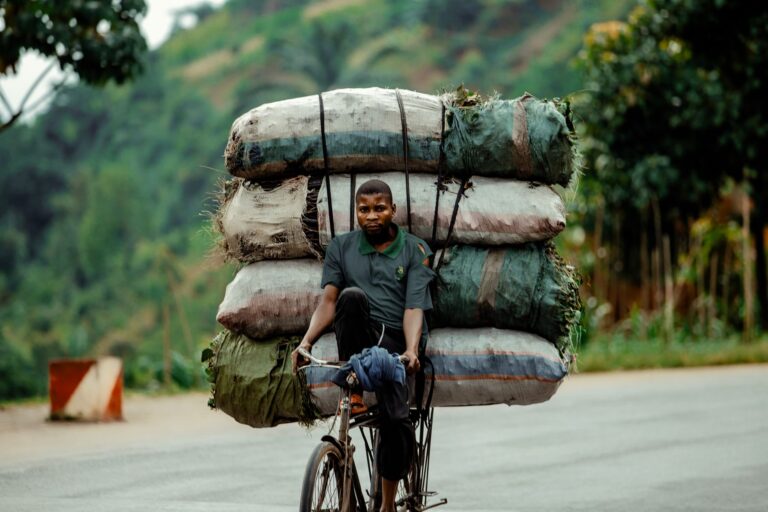
Every rack-and-bag pair has practical limits. Tall loads raise the center of gravity and catch wind. Loose straps, dangling cords, and overloaded outside pockets can reach spokes.
E-bikes, child seats, and battery packs reduce rail space. Check that hooks still seat fully and the lower catch still grips. For rough gravel or trail detours, reduce volume, tighten fit parts, and favor two smaller bags over one tall load. Wipe grit from hooks and rails after wet rides so release stays smooth.