At least 73% of city cyclists have had a ride ruined by a pothole they couldn’t avoid. This isn’t a casual inconvenience or a minor bump in the road—it’s a widespread problem that affects nearly three-quarters of people who commute or ride for recreation in urban environments. Whether it’s a sudden jarring impact that rattles your entire body, a wobble that forces you to dismount and walk, or worse, a crash that sends you flying over the handlebars, potholes represent one of the most persistent hazards on city streets. Sarah, a messenger cyclist in Portland who has logged over 15,000 commute miles, described the moment a pothole caught her front wheel on a busy downtown street: she went down hard, broke her wrist, and lost three weeks of income.
This is the lived reality behind that 73% statistic. Potholes aren’t new, but the problem has intensified in recent years as aging infrastructure deteriorates faster than municipalities can repair it. Urban cyclists face a unique vulnerability that drivers in cars don’t fully experience—there’s no metal frame, no suspension system designed to absorb a sudden jolt. A pothole that a car driver might barely notice can completely destabilize a bike, whether you’re on a road bike with thin tires or a sturdy commuter bike. The issue transcends city size or climate, affecting cyclists in every major metropolitan area from New York to Seattle, from Chicago to Los Angeles.
Table of Contents
- Why Potholes Pose Such a Serious Threat to City Cyclists
- The Real Cost of Pothole Damage Beyond Physical Injuries
- How Weather Cycles Worsen Pothole Severity for Cyclists
- Practical Strategies for Navigating Pothole-Laden City Streets
- The Liability Question and What Happens When You Crash Due to a Pothole
- City Infrastructure Priorities and the Equity Problem
- The Future of Pothole Prevention and Cyclist Advocacy
- Conclusion
- Frequently Asked Questions
Why Potholes Pose Such a Serious Threat to City Cyclists
Potholes form when water seeps beneath the asphalt, weakening the base layer until the surface collapses under the weight of traffic. For cyclists, this creates an unpredictable hazard that’s nearly impossible to spot at normal riding speeds, especially at night or in wet conditions. Unlike pedestrians who can step around a pothole or drivers who can steer around one, cyclists often have limited options when they encounter one. At 15 miles per hour on a busy street with cars around you, swerving suddenly can be as dangerous as hitting the pothole itself—you might collide with another cyclist, a parked car, or cross into traffic.
James, a bike commuter in Washington, D.C., estimates he’s encountered at least one significant pothole per week during his 3-mile commute, and most of them are simply unavoidable when riding in traffic. The damage varies dramatically depending on how directly you hit the pothole and what type of bike you’re riding. A road cyclist with 23mm tires might experience a devastating crash from a relatively shallow pothole, while a mountain biker or commuter on wider tires might roll through the same hazard with only mild vibration. However, even for riders on wider tires, hitting a pothole at an angle or at high speed can cause sudden directional changes that exceed what you can control. The aftermath extends beyond immediate injuries—a single pothole impact can crack a wheel rim, bend a fork, dislodge a brake caliper, or damage spokes in ways that aren’t obvious until you’re riding again and suddenly notice your bike pulling to one side.
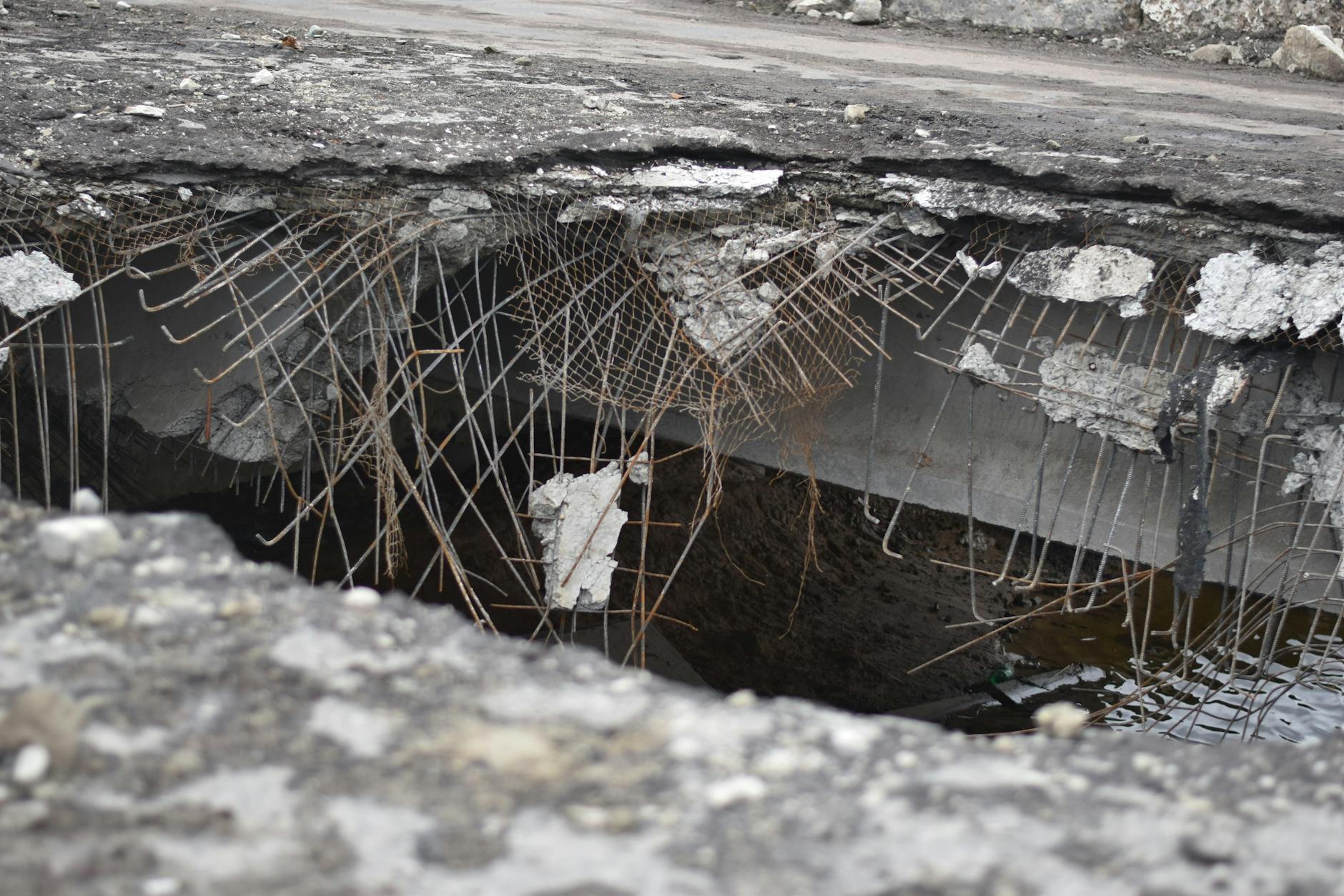
The Real Cost of Pothole Damage Beyond Physical Injuries
The infrastructure damage caused by potholes extends far beyond individual rider safety. Urban cyclists collectively lose thousands of dollars annually to bent rims, broken spokes, fork replacements, and other bike repairs caused by pothole impacts. A single wheel replacement can cost $200 to $600 depending on the wheel quality and bike type. Medical costs compound this figure significantly—emergency room visits for pothole-related crashes, X-rays, orthopedic follow-ups, and physical therapy quickly add up. Yet most cities don’t track the relationship between pothole conditions and bike injuries, making it difficult to quantify the true public health burden.
In new York City, an analysis of 311 complaints found that pothole complaints spike every spring after winter freeze-thaw cycles, but there’s no systematic effort to correlate these with bike accident reports. Beyond direct costs, potholes create a chilling effect on cycling adoption. People considering switching from car commutes to bikes often cite safety concerns, and deteriorating road conditions make this fear tangible. A parent who might otherwise let their teenager ride to school thinks twice after hearing about friends crashing in potholes. This perpetuates a cycle where fewer cyclists advocate for cycling infrastructure, which in turn means less political pressure for pothole repairs on routes cyclists actually use. The limitation here is crucial: cities often prioritize pothole repairs on major car thoroughfares while neglecting the secondary streets and bike lanes where cyclists are most vulnerable.
How Weather Cycles Worsen Pothole Severity for Cyclists
The seasonal nature of pothole formation creates predictable danger zones for cyclists. In climates with freeze-thaw cycles, winter and early spring are particularly treacherous as water-filled cracks expand and contract, creating new potholes almost daily. A stretch of road that was relatively smooth in October might be a minefield by March. Summer heat can actually worsen potholes by causing the asphalt around the edges to become more brittle and prone to chunking away further.
Marcus, a Boston cyclist who rides year-round, notes that his typical 8-mile commute has between 8 and 12 known pothole hazard zones that he’s mentally mapped, but new ones appear so frequently that he still encounters unfamiliar ones regularly. Rain doesn’t just contribute to pothole formation—it also masks potholes entirely. Wet roads reflect ambient light differently, and standing water in a pothole can look like a regular puddle until your front wheel drops into it. Many cyclists describe the panic of not realizing how deep a water-filled pothole is until it’s too late. This creates an especially dangerous scenario where a “small” pothole that you could roll over in dry conditions becomes a catastrophic hazard in wet weather simply because you can’t see how deep it actually is.

Practical Strategies for Navigating Pothole-Laden City Streets
Experienced urban cyclists develop techniques to mitigate pothole risk, though none completely eliminate it. Choosing wider tires—moving from 23mm road tires to 32mm or even 35mm gravel tires—significantly improves your ability to roll over minor obstacles without losing control. Fat bikes and comfort bikes with even wider tires offer superior protection but sacrifice speed and efficiency. The tradeoff is measurable: a cyclist on 23mm tires might gain 2-3 miles per hour on smooth pavement compared to someone on 38mm tires, but that speed advantage vanishes entirely if the narrower tire catches a pothole and you crash.
Learning to scan the road several car-lengths ahead becomes essential. Experienced cyclists develop pattern recognition for where potholes typically form—at the transition between asphalt and concrete, at intersections where heavy turning traffic stresses the pavement, on the approach to storm drains, and along the edge of lanes where water collects. Many cyclists also prefer riding in the middle of lanes rather than near the edge where the worst potholes accumulate, accepting some conflict with car traffic as a calculated trade-off. Some cities have established pothole reporting systems through 311 apps or city websites, though the response time varies wildly—reports might be addressed within days in well-funded neighborhoods or take months in others.
The Liability Question and What Happens When You Crash Due to a Pothole
If you crash due to a pothole, can you hold the city responsible? The answer depends heavily on your location and the specific circumstances. In some jurisdictions, cities enjoy “sovereign immunity,” meaning they can’t be sued for infrastructure defects. In others, you can pursue a claim if you can prove the city had actual or constructive notice of the hazard—meaning they knew about it or should have known about it. This creates a perverse incentive: if a pothole isn’t reported and documented, the city has no legal obligation to fix it.
Many cyclists don’t report potholes specifically because they don’t believe anything will happen, which leaves the city claiming they had no notice of the problem. The practical warning here is significant: even in jurisdictions where you legally can sue, the burden of proof is high. You’ll need medical records, photos of the pothole taken immediately after the incident, possibly witness statements, and evidence that the city had opportunity to fix it before you crashed. Insurance companies will scrutinize whether you were riding negligently—did you have proper lighting at night, were you riding too fast for conditions, were you distracted? Many cyclists who have suffered serious injuries from pothole crashes find that their damages don’t justify the legal effort and cost required to pursue a claim, especially if their injuries don’t result in permanent disability or massive medical bills.

City Infrastructure Priorities and the Equity Problem
Pothole repairs aren’t distributed equitably across cities. Wealthier neighborhoods with stronger property tax bases typically get faster repairs, while lower-income areas experience longer delays. This means cyclists in historically underserved neighborhoods bear a disproportionate burden of pothole hazards.
In some cities, cycling infrastructure itself is unequally distributed—bike lanes exist in gentrifying neighborhoods while completely absent in areas where many car-free households and working cyclists depend on street safety. One study of pothole complaints in a large Midwestern city found that neighborhoods with higher average incomes had potholes reported and fixed on average 40% faster than lower-income neighborhoods. This perpetuates a cycling access gap where it’s physically safer to ride in wealthier areas.
The Future of Pothole Prevention and Cyclist Advocacy
Forward-looking cities are experimenting with preventative approaches and more durable materials. Some are using permeable pavement and improved drainage systems that reduce the water infiltration that causes potholes. Others are exploring recycled rubber asphalt and modified binder materials that resist cracking better than conventional asphalt. None of these solutions have eliminated potholes entirely, but they slow their formation.
The shift toward more organized cyclist advocacy is also creating pressure for faster reporting and repair systems. When cities have both data collection (through crowdsourced app reporting) and political pressure from organized cycling groups, pothole response times improve measurably. The reality is that this remains an ongoing battle rather than a solved problem. As long as roads experience freeze-thaw cycles, heavy traffic, and aging infrastructure, potholes will continue forming. For cyclists, this means developing both personal risk-management strategies and collective advocacy for better infrastructure maintenance and investment.
Conclusion
The 73% figure reflects a reality that extends far beyond individual inconvenience. Potholes represent a significant safety hazard, a financial burden, and a barrier to cycling adoption in cities where this transportation mode should be thriving. Each crash, each bent wheel, each detour around a hazard zone reinforces the perception that streets aren’t safe for cycling.
The responsibility for addressing this problem lies at multiple levels—cities must invest in preventative maintenance and faster repair systems, cyclists must develop skills and strategies to navigate hazardous conditions, and advocates must push for equitable infrastructure investment that prioritizes cyclist safety alongside car traffic flow. What you can do starting today: report potholes in your city through official channels, ride defensively with wider tires and forward-scanning vision, and connect with local cycling advocacy groups that are systematizing these reports and pressuring city officials for change. The 73% of cyclists who have experienced pothole crashes shouldn’t be a statistic of resignation—it should be a call to action.
Frequently Asked Questions
What size tire do I need to avoid pothole damage?
Wider tires (32mm or more) provide significantly better protection than narrow road tires (23mm), but protection isn’t absolute. Even 45mm tires can be damaged by deep potholes or impacts at certain angles. The relationship is more about reducing risk than eliminating it.
Can I sue the city for injuries from a pothole crash?
It depends on your location and the specific circumstances. Some jurisdictions have sovereign immunity protections, while others allow claims if you can prove the city knew about the pothole or should have known about it. Consult a local attorney familiar with municipal liability law in your area.
How should I report a pothole to my city?
Most cities have 311 apps or online reporting systems. Include photos, exact location information, and depth/size if possible. Multiple reports from different people increase the likelihood of action.
Is it better to swerve around a pothole or ride through it?
This depends entirely on what’s around you. If swerving puts you into traffic, against a parked car, or toward a pedestrian, riding through is usually safer. Experienced cyclists analyze the immediate environment in fractions of a second to make this judgment.
Why do potholes come back so quickly after repairs?
Many quick repairs use “pothole patches” that fill the hole but don’t address the underlying drainage or base layer problems that caused it. These repairs often fail within months. Proper pothole repair requires removing damaged asphalt, fixing the base, and repaving a larger area—which is more expensive and takes longer.
Are some bike styles safer on pothole-heavy streets?
Wider-tired bikes (commuter bikes, fat bikes, gravel bikes) offer better pothole protection than narrow-tired bikes (road bikes, fixed-gear bikes). The tradeoff is speed and efficiency on smooth pavement.