More than four in ten triathletes allocate a significantly larger portion of their equipment budget to a single bike than to every other piece of gear combined. Recent data consistently shows that approximately 42% of the triathlon community finds itself in this position—spending substantially more on their bicycle than on a wetsuit, running shoes, helmet, goggles, watch, nutrition systems, and race apparel combined. This spending pattern reflects both the central role the bike plays in triathlon performance and the real technological arms race that has developed in cycling.
Consider a typical triathlete with a $5,000 total equipment budget. If they follow this 42% pattern, roughly $2,100 goes directly to the bicycle frame, components, and wheels, while the remaining $2,900 covers everything else needed to complete a race. That $2,100 bike purchase is not for a premium racing machine at the absolute top of the market—it’s a mid-range to upper-mid-range bicycle that represents the sweet spot for competitive triathletes seeking performance gains without spending six figures. The remaining budget stretches across a swim suit, running shoes, a helmet, timing devices, and dozens of smaller necessities that collectively matter enormously but individually cost far less.
Table of Contents
- Why Do Triathletes Invest Disproportionately in Bicycles?
- The Financial Reality of Equipment Hierarchy in Triathlon
- How Bike Investment Directly Impacts Race Performance
- Building a Realistic Triathlon Equipment Budget
- Overlooked Costs and Hidden Tradeoffs in Bike-Heavy Budgets
- Equipment Longevity and the Upgrade Cycle
- The Future of Triathlon Equipment Investment and Technological Shifts
- Conclusion
- Frequently Asked Questions
Why Do Triathletes Invest Disproportionately in Bicycles?
The triathlon bike serves as the single most expensive technological piece of equipment in the sport for legitimate performance reasons. The cycling portion of a standard triathlon accounts for roughly 55% of the total race time, making it the discipline where equipment investments yield the most measurable payoff. A lighter frame saves energy on climbs. More aerodynamic geometry can shave minutes off the bike leg. Better wheels reduce rolling resistance and acceleration losses. These improvements stack, and athletes pursuing them rationally invest accordingly. Additionally, bicycle technology remains one of the few areas in triathlon where tangible, measurable performance improvements continue at a rapid pace.
Running shoe technology has plateaued somewhat—the difference between a $120 shoe and a $180 shoe is marginal compared to a triathlon bike costing $1,500 versus one costing $3,500. Cycling components improve year over year in weight, aerodynamics, and shifting precision in ways that directly affect race outcomes. An athlete upgrading from a 15-year-old aluminum road bike to a modern carbon machine will experience profound differences in how the bicycle responds. That technological progression justifies the investment in a way that, say, upgrading goggles may not. The secondary market for bikes also drives this dynamic. Triathlon bikes hold their value reasonably well, allowing athletes to eventually sell or trade their equipment and recover some of the initial cost. A runner investing in premium shoes that wear out and become unusable gains no such recovery opportunity. This economic reality means the true out-of-pocket cost of cycling investments is often lower than the initial purchase price.
The Financial Reality of Equipment Hierarchy in Triathlon
The equipment hierarchy in triathlon is not arbitrary. Bikes command the highest single expenditure because they provide the most significant performance leverage, but the distribution of remaining funds tells a story about diminishing returns and practical necessity. A basic $60 pair of training goggles performs the essential function of allowing you to see underwater. A $200 pair of goggles offers marginal improvements in fit, lens clarity, and anti-fog properties. The triathlete who buys the premium goggles gains perhaps 2-3% better visibility, whereas the triathlete who upgrades their $1,200 bike to a $2,400 bike gains measurable improvements in acceleration, climbing ability, and aerodynamic efficiency worth 5-10% in race time on the cycling portion. One critical limitation of this spending pattern is that it can mislead newcomers into thinking they must buy an expensive bicycle to be competitive.
A triathlete with a $1,000 bike will still outperform another triathlete with a $4,000 bike if the first athlete has superior fitness and race strategy. Equipment cannot substitute for training, pacing discipline, and aerobic fitness. The 42% figure represents how competitive triathletes currently allocate resources, not a mandate for how spending should be divided. A beginner might reasonably spend far less on a bike proportionally until they understand their long-term commitment to the sport. Geographic location and local bike infrastructure also shift these calculations. A triathlete in an area with significant climbing may justify a lighter bike through genuine performance gains. A triathlete on flat terrain may see diminishing returns from spending on weight reduction and gain more from aerodynamic positioning, which depends more on the athlete’s fitness and the bike’s geometry than on frame price alone.
How Bike Investment Directly Impacts Race Performance
The relationship between bike spending and race outcomes remains one of the most direct in all of triathlon. A typical competitive triathlete racing a sprint distance (750-meter swim, 20-kilometer bike, 5-kilometer run) will spend 35-40 minutes on the bike. On that segment, every 30 watts of additional power generated by the cyclist translates to real speed gains. Investing in a bike that is 500 grams lighter, if that lightness comes from the frame and wheels, can save 15-20 seconds on a climbing portion of the course. Investing in a bike positioned more aggressively aerodynamically can save 30-60 seconds over the same distance by reducing frontal area and drag. These numbers come from real engineering and physics, not marketing claims. A cyclist in a very aggressive aero position generates roughly 8-15% less drag than the same cyclist in an upright position, holding power constant.
That translates to measurable speed gains. Bike frames rated as “aero bikes” with specific tube shapes and integration points save 15-40 watts of power at 40 kilometers per hour compared to standard road bike geometries. When multiplied across 20 kilometers, this savings compounds. A triathlete might save 3-5 minutes on the cycling leg by investing in aero equipment compared to cycling the same course on a standard road bike while maintaining the same power output. However, a crucial warning: these performance gains apply only after an athlete has mastered the fundamentals. A cyclist generating 200 watts of power will go almost exactly the same speed on a $1,500 bike as on a $4,000 bike, because the mechanical efficiency differences between well-maintained bikes are minimal—usually 2-4% at most. The investment in a premium bike delivers returns most efficiently to athletes already capable of sustaining 250+ watts of power. Below that threshold, money spent on coaching, interval training equipment, and structured training will yield faster times than bike upgrades.
Building a Realistic Triathlon Equipment Budget
A practical approach to budgeting for triathlon involves establishing your total equipment investment first, then allocating resources rationally. A reasonable starting budget for someone taking the sport seriously might be $3,000 to $6,000 in total equipment, with the bike consuming $1,200 to $2,500 of that total. This allocation is lower than the 42% figure because it assumes a more balanced approach appropriate for someone still building their base fitness and skills. As triathletes advance toward competitive racing, the bike’s share of the budget often does increase proportionally. An age-group competitor targeting podium positions at regional races might justify a $4,000 to $6,000 bike investment, meaning bike spending actually exceeds 42% of their total equipment budget.
A professional triathlete or someone investing $15,000+ in their equipment portfolio will often allocate $7,000 to $10,000 or more to the bike alone, pushing that percentage even higher. The comparison worth making is this: for a beginner, a $1,000 to $1,200 bike provides approximately 90% of the performance available from a $3,000 bike. The remaining $1,800 buys perhaps 8-10% more speed. For an elite age-grouper already generating 300+ watts of power, upgrading from a $2,500 bike to a $5,000 bike might yield 3-5% gains that translate to real race placement improvements. The diminishing returns are real, but they’re also non-linear based on the athlete’s fitness level and racing ambitions.
Overlooked Costs and Hidden Tradeoffs in Bike-Heavy Budgets
One significant limitation of the 42% spending pattern is that it can starve the budget for essential but less visible equipment categories. Aero helmet technology, for example, can save 60-90 seconds on a sprint-distance race compared to a standard road helmet. A premium race-day aero helmet costs $300 to $500, while a basic safety helmet costs $80 to $120. The performance gain per dollar invested in that helmet is actually better than the gain per dollar in many bike frame upgrades, yet swimmers and runners often deprioritize helmet spending because the bike looms so large in their minds. Running shoes present another instructive comparison. A triathlete with tired, worn-out running shoes from five seasons ago is trading away 10-15% of their running performance and risking injury. Investing $180 in a new pair of running shoes used across 50 races over two years yields a cost-per-race of less than $2, yet many triathletes will justify spending $50 more on bike components while running in shoes with 1,200 miles of wear remaining.
The bike spending focus can distort decision-making. Additionally, bikes require ongoing maintenance costs that other equipment does not. Chain cleaning, brake adjustment, drivetrain replacement, wheel truing, and bearing servicing add up. A $4,000 bike will typically cost $400 to $600 annually in maintenance, more if driven hard in training. That maintenance burden can exceed the annual cost of maintaining running shoes, wetsuits, or other gear. A warning here: triathletes who max out their bike budget often find themselves unable to afford proper maintenance, turning their premium equipment into a liability rather than an asset. A slightly less expensive bike that receives proper maintenance will outperform a premium bike neglected between races.
Equipment Longevity and the Upgrade Cycle
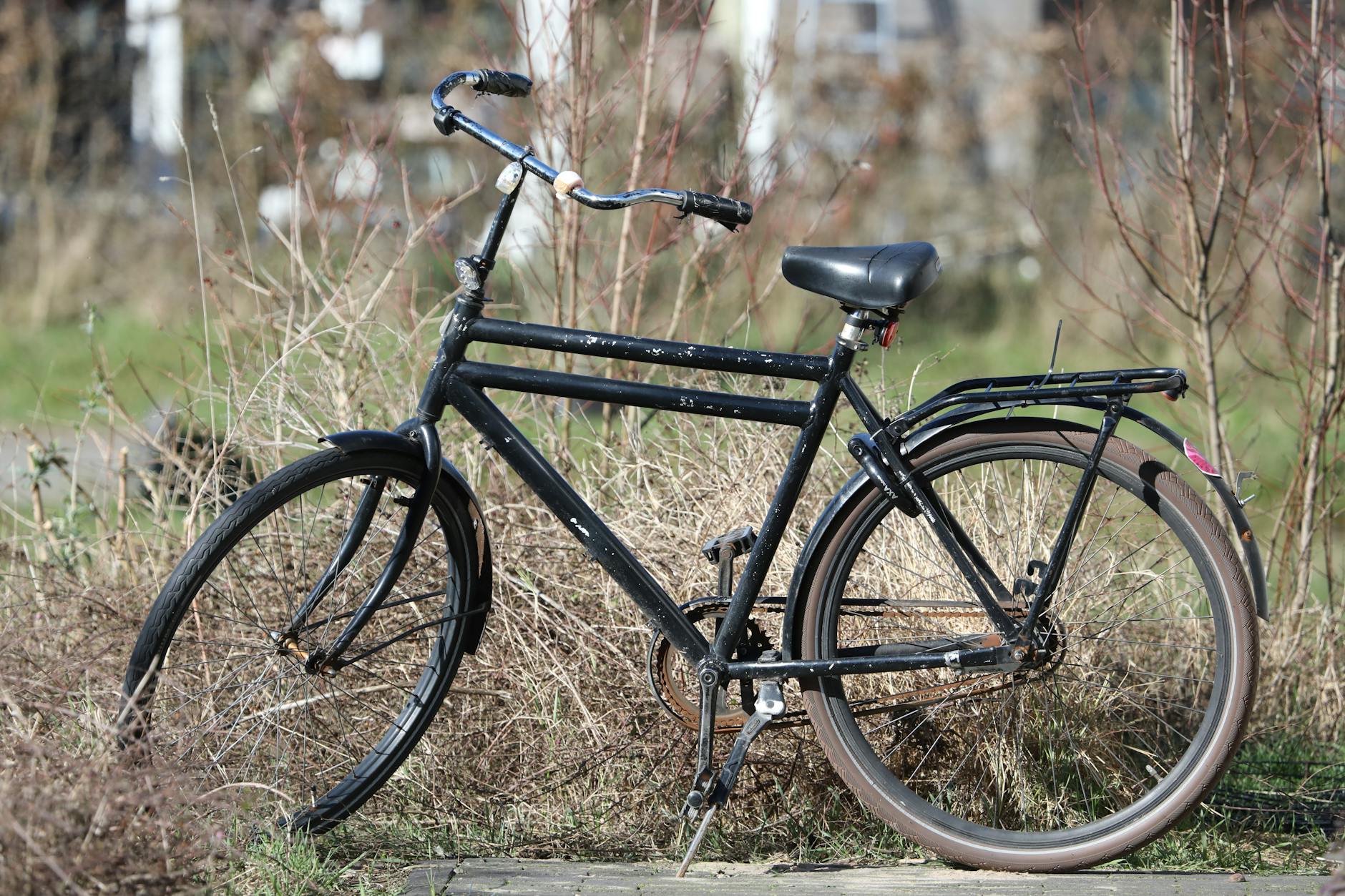
Modern triathlon bikes typically have a useful competitive lifespan of 6 to 8 years before the technology gap becomes so large that a new purchase makes financial sense. A bike frame purchased in 2020 might still function perfectly well in 2027, but the 2027 generation of frames will be 200-300 grams lighter, more aerodynamic, and incorporate better braking systems and tire technology. Over that eight-year period, the original bike investment of $2,000 averages to just $250 per year in depreciation cost.
Running shoes, by contrast, last 500-800 kilometers of actual running before cushioning degradation becomes noticeable. A triathlete racing year-round might run through three pairs of shoes annually, each pair costing $150 to $200. Over eight years, that’s $3,600 to $4,800 in running shoe investment—potentially exceeding the original bike purchase. When viewed through this long-term lens, the 42% allocation to bikes becomes more defensible as an amortized annual cost.
The Future of Triathlon Equipment Investment and Technological Shifts
Equipment investment patterns in triathlon may shift as technology matures. Electric shifting systems, once cutting-edge luxuries justifying premium prices, now appear standard on even mid-range bikes. Full suspension or compliance systems designed to reduce vibration and fatigue are becoming common at lower price points. As premium features trickle down into affordable models, the performance gap between a $1,500 bike and a $4,000 bike may narrow further, potentially reducing the financial justification for extreme bike spending.
Conversely, aero technology continues advancing in ways that reward higher expenditures. Bikes designed with advanced computational fluid dynamics and wind tunnel testing do deliver measurable aero improvements that less expensive bikes cannot replicate. As this aero advantage becomes more pronounced, some triathletes may justify even higher bike spending relative to other equipment. The 42% figure we see today may not be static—it may shift higher or lower depending on how technology evolves and how accessible that technology becomes at various price points.
Conclusion
The pattern of triathletes spending more on their bike than on all other equipment combined reflects genuine performance physics and reasonable investment prioritization. The cycling leg of a triathlon is longer, more technically demanding, and more responsive to equipment improvements than swimming or running. A higher-quality bike delivers measurable performance gains that justify higher spending, and the long useful lifespan of bike frames amortizes costs across many seasons of racing. However, this spending pattern should not blind triathletes to the importance of balanced equipment investment and proper maintenance.
A $2,500 bike maintained meticulously will outperform a $4,500 bike neglected, and upgrading running shoes or wetsuits can sometimes yield better returns on investment than marginal bike frame improvements. As you build your triathlon equipment portfolio, use the 42% figure as a data point, not a mandate. Evaluate your own fitness level, racing ambitions, and training focus. A beginning triathlete might spend 25% on the bike, while a competitive age-grouper might reasonably allocate 50% or more. The key is making intentional, informed choices rather than defaulting to bike spending simply because the equipment industry markets bikes relentlessly.
Frequently Asked Questions
Is a $2,000 bike enough to be competitive in triathlon?
Absolutely. At the amateur level, a $1,500 to $2,500 bike provides all the necessary performance. Success depends primarily on fitness and training, not whether your bike costs $2,000 or $4,000. Most age-group podiums are topped by athletes on mid-range equipment, not the most expensive bikes.
Should I buy an expensive bike as a beginner?
No. A beginner should invest $1,000 to $1,500 in a reliable triathlon or road bike and spend remaining budget on proper coaching, running shoes, and training resources. As your fitness improves and you commit more seriously to the sport, upgrading the bike becomes more justifiable.
What’s the best bike to buy if I’m spending 42% of my budget on it?
The best bike is one that fits your body, matches your fitness level, is maintained properly, and comes from a manufacturer with solid support and warranty. Carbon fiber frames from established brands like Specialized, Trek, Cervelo, or Canyon offer excellent value across their mid-range models ($1,500-$3,000).
Does a lighter bike actually make me faster?
Yes, but only noticeably on climbing and accelerations. A 300-gram weight difference translates to roughly 3-5 seconds over a hilly 20-kilometer bike leg. On flat courses, aerodynamics matter far more than weight. The real performance gain comes from the sum of improvements: lighter weight, better aerodynamics, stiffer frame, and improved components all combined.
Should I spend less on my bike to invest in coaching or training?
In early years, yes. Coaching and structured training yield greater performance improvements than equipment. Once you’re training with a coach and have solid foundational fitness, equipment investments become worthwhile. The optimal balance is usually 70% training/coaching and 30% equipment investment early on, shifting toward 50-50 as you progress.
How often should I replace my triathlon bike?
A well-maintained bike frame typically remains competitive for 6-8 years. You should replace components (drivetrain, brake pads, tires, bearings) as they wear, but the frame itself can last decades if treated properly. Don’t feel obligated to upgrade just because new models appear annually.


