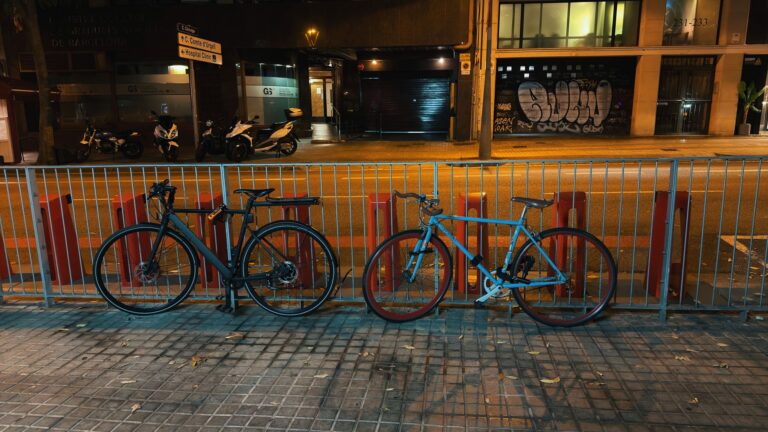
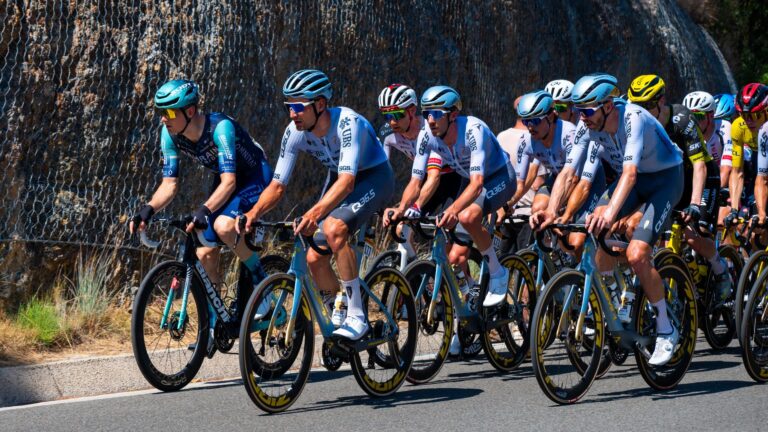
The best cold-weather gravel pressure is slightly lower than your summer setting, measured cold and kept inside the tire's rated range. A gravel bike, a drop-bar bike made for pavement and unpaved roads, trades a few PSI for more contact and control. Tires pumped indoors will read lower outside because cold air contracts. Continental reports via BikeRadar that pressure falls about 2.5 PSI for every 10°C drop, so a warm garage setting can leave tires several PSI soft on the trail Continental's temperature guidance.
Table of Contents
- Why does cold change the reading?
- What range should you stay inside?
- Should you run lower pressure for winter grip?
- When does lower pressure stop helping?
Why does cold change the reading?
The drop is predictable, not a slow leak. Air shrinks as temperature falls, so the same tire shows less pressure after moving from a warm room to cold air. Check pressure when the tire is cold for a true number.
The U.S. Tire Manufacturers Association advises checking at least monthly when tires are cold, after parking at least three hours, because pressure changes 1-2 pounds per 10 degrees U.S. Tire Manufacturers Association tire care essentials.
What range should you stay inside?
Start from the tire maker's minimum and maximum, then allow for cold loss. ENVE rates its HEX gravel tires for 20-51 PSI, or 1.5-3.5 bar, so a cold-weather setup must remain inside that window after the temperature drop ENVE HEX gravel tire specs.
Use a calculator only as a baseline. Pirelli says its bicycle pressure tool gives only a starting recommendation and riders should adjust for their specific setup and environmental conditions.
- Check tires cold, not after indoor storage or riding
- Set pressure toward the higher side of your target before going out
- Recheck during long cold spells and after large temperature swings
Should you run lower pressure for winter grip?
For autumn and winter gravel, slightly lowering pressure increases ground contact and grip. The softer tire spreads over wet leaves, mud, and hardpack instead of skipping across them.
Tubeless helps make that practical. Tubeless lets riders run lower pressure without pinch flats and with sealant-sealed punctures. Tire width matters too, with SRAM/Zipp recommending 35 mm tires for mixed pavement with light gravel or hardpack and 40 mm or larger when gravel gets bigger or includes singletrack.
When does lower pressure stop helping?
Rubber itself sets a limit. Summer compounds can harden in low temperatures and lose grip, while winter tires use softer compounds that stay pliable.
Do not chase grip by going below the rated minimum. If cold roads feel harsh, slippery, or vague after a small drop, change tires, width, or tread before letting out more air.